
Beyond QR Codes: A Guide to Cash, Cards, and Banks in China for Foreigners

Landing at Beijing Capital International Airport in 2026, you will immediately notice something different about how locals interact with the world. Wallets are virtually non-existent, replaced entirely by the soft glow of smartphone screens scanning QR codes. For first-time visitors, figuring out money in china for tourists is the single most critical step to ensure a smooth, stress-free journey.

While the country operates on a highly advanced cashless system, relying 100% on a single app is a rookie mistake. A dead battery, a sudden app glitch, or a remote rural vendor can quickly leave you stranded. This guide breaks down exactly how to balance mobile apps, international bank cards, and physical cash to navigate China like a seasoned local.

TL;DR: Trip Essentials

  • Set up mobile apps early: Download and verify Alipay and WeChat Pay with your passport and international credit card weeks before your flight.
  • Always carry backup cash: Keep ¥200–¥500 in small bills (¥10, ¥20, ¥50) for rural areas, temple donations, or technical glitches.
  • Use the right ATMs: Bank of China and ICBC ATMs are the most reliable for foreign Visa and Mastercard withdrawals, offering clear English menus.
  • Connectivity is currency: Mobile payments require internet; secure a reliable eSIM to bypass the firewall and keep your payment apps online.

Summarize with :

What is the 144-hour visa-free transit?

The 144-hour visa-free transit policy allows citizens from 54 eligible countries to explore specific Chinese regions, like Beijing or Shanghai, for up to six days without a pre-approved visa. According to the China National Immigration Administration, travelers must hold a valid passport and a confirmed onward ticket to a third country.

The Big Picture: Mobile Payments in 2026

If you want to buy a steaming 15 RMB jianbing (savory crepe) from a street cart smelling of rich roasted chili oil and cilantro, you will need a mobile wallet. Alipay and WeChat Pay are the undisputed kings of Chinese commerce. In 2026, both platforms have fully optimized their “Tourist Channels,” allowing you to link foreign Visa, Mastercard, JCB, and American Express cards directly.

When you walk into a bustling convenience store or a crowded noodle shop, you will either scan the merchant’s printed QR code taped to the counter, or present your phone’s unique barcode to the cashier’s scanner. Transactions under ¥200 are typically free of extra service fees, making it perfect for daily snacking and subway rides.
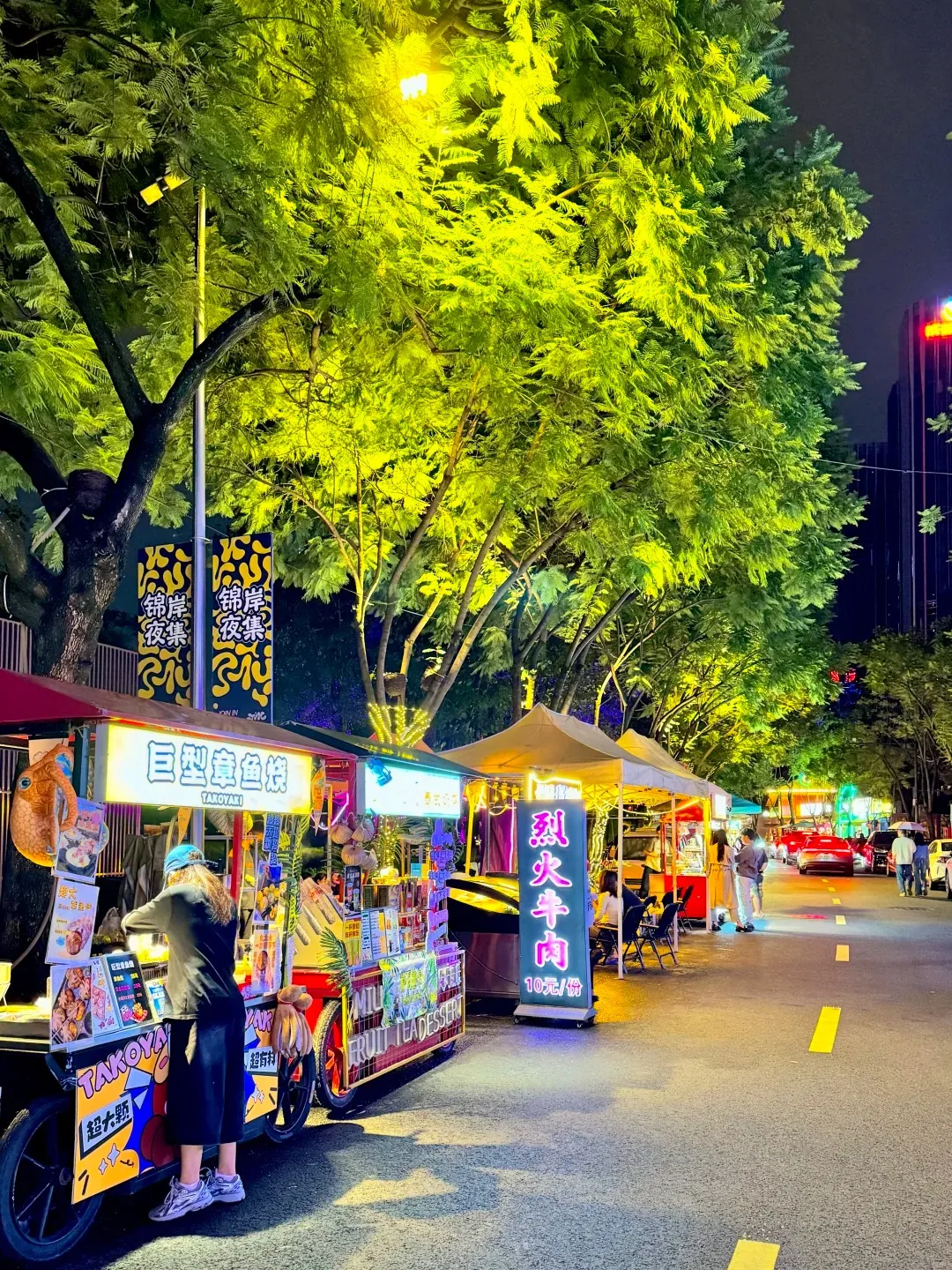
A person stands at a food cart in a bustling night market in China, illuminated by bright lights from the stalls and trees. The cart displays various food items and menus with Chinese characters. The person is partially obscured by the cart and appears to be interacting with it. Other food stalls and tents are visible further down the street, along with people and cars. The street is paved with yellow lane markings.

Navigating China’s vibrant night markets can be an adventure, especially when it comes to payment. While mobile payments dominate, this guide will help you understand all your options, from cash to cards, ensuring you don’t miss out on delicious street food like this!

Connectivity: The Silent Requirement for Paying

You cannot use Alipay or WeChat Pay if you are standing in front of a vendor with zero internet connection. Because the Great Firewall blocks many Western roaming networks, a reliable data connection is mandatory for loading your payment barcodes.

💡 Editor’s Pick: We recommend Nomad eSIM for China because it reliably bypasses the Great Firewall with stable speeds. Use code JORICAQLKF at checkout to get $5 USD off your first data plan.

Relying on public Wi-Fi is a dangerous game, as most networks require a Chinese phone number to receive an SMS verification code. Securing a reliable data connection before you land ensures you can pay for your airport express train the moment you clear customs.

Where to Find English-Speaking ATMs

Despite the digital revolution, paper currency is still legal tender. Pulling open the heavy glass doors of a major Chinese bank branch is the safest way to acquire physical RMB. Look specifically for Bank of China or ICBC (Industrial and Commercial Bank of China) branches.

These ATMs reliably accept foreign cards and immediately offer an English language option upon inserting your card. Always choose to be charged in the local currency (RMB) to avoid exorbitant Dynamic Currency Conversion (DCC) markup rates from the machine. Keep your withdrawal receipts; you will need them if you want to exchange leftover RMB back to your home currency before flying out.

What to Know Before You Go: The Name Matching Trap

One of the most frustrating experiences for foreigners setting up Chinese payment apps is the identity verification process. Chinese digital systems require absolute precision. If your passport reads “John Robert Doe,” but your bank card is registered simply as “John Doe,” the automated system may flag and block the transaction.

To avoid being locked out of your funds while trying to buy a 2 RMB bottle of Nongfu Spring water, ensure the name you input into Alipay or WeChat perfectly matches your passport’s machine-readable zone. Verify your identity and make a small test transaction before you leave your home country.
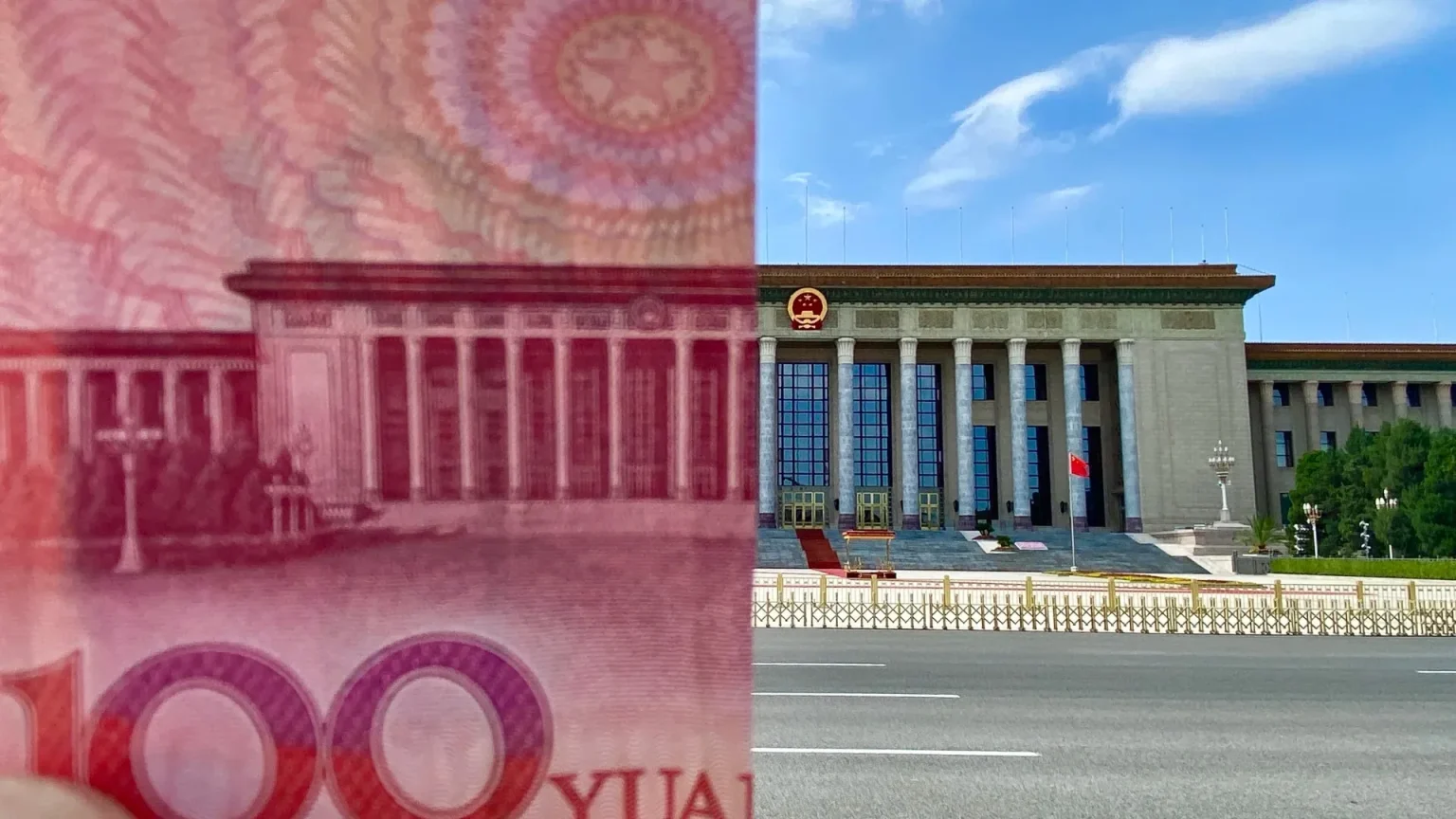
A split image showing the left half as a close-up of the Great Hall of the People depicted on a red Chinese 100 Yuan banknote, and the right half as a real-life view of the Great Hall of the People under a blue sky with clouds.

The Great Hall of the People, a prominent symbol of Chinese governance, is featured on the 100 Yuan banknote. This split view highlights how iconic landmarks are immortalized on currency, a stark contrast to the increasingly digital payment landscape foreigners may encounter in China.

Cash is Not Dead: When You Still Need RMB

While navigating the neon-lit streets of Shenzhen might feel entirely cashless, traveling to remote areas like the rice terraces of Guilin or the ancient villages of Yunnan tells a different story. In these regions, network signals drop, and elderly vendors prefer the security of physical money.

According to the People’s Bank of China 2026 directives, merchants are legally required to accept physical cash. However, handing a vendor a crisp, red ¥100 note for a ¥5 steamed bun will likely result in a frustrated sigh, as they rarely carry enough small change. Break your large bills at your hotel front desk and carry a stack of ¥10 and ¥20 notes for rural excursions.

Navigating Trains and Official Bookings

Booking high-speed rail tickets requires both your passport and a reliable payment method. According to the official 12306 China Railway booking platform, while digital payments are preferred online, all major stations maintain at least one manual ticketing window. Here, you can present your physical passport and pay with cash if your mobile app fails.

Expect loud, chaotic lines at these manual windows. Arrive at least 60 minutes before your departure, as the security checks and passport verification processes mirror airport protocols.


Top Questions for First-Time China Travelers

Can tourists still use cash in China in 2026?

Yes, physical cash is still legal tender and merchants are legally required to accept it. It is highly recommended to carry ¥200–¥500 in small bills (¥10, ¥20, ¥50) for rural areas, elderly vendors, or in case your mobile payment apps experience technical glitches.

The vast majority of transactions in China are completed using mobile wallets like Alipay and WeChat Pay, which now allow tourists to link foreign Visa, Mastercard, and Amex cards. To use these apps successfully, you must have a reliable internet connection, making an international eSIM essential.

The 144-hour visa-free transit policy allows citizens from 54 eligible countries to explore specific Chinese regions, such as Beijing or Shanghai, for up to six days without a pre-approved visa. To qualify, travelers must hold a valid passport and a confirmed onward ticket to a third country.

Bank of China and ICBC (Industrial and Commercial Bank of China) are the most reliable ATMs for foreign Visa and Mastercard withdrawals. They offer clear English menus, and you should always choose to be charged in the local currency (RMB) to avoid high Dynamic Currency Conversion markup rates.

Conclusion

Mastering the financial logistics of China doesn’t have to be overwhelming. By setting up your mobile wallets early, securing a firewall-bypassing data connection, and keeping a strategic stash of small RMB notes, you will navigate the country with the confidence of a local. Don’t let payment anxiety keep you from experiencing the incredible food, history, and culture China has to offer. Book your high-speed train tickets, pack your bags, and get ready to explore the Middle Kingdom on your own terms.

Similar posts to this one

A colossal statue of the seated Buddha carved into a red sandstone cliff face, overlooking a wide, green river. The statue is immense, with visible details of its serene face, folded hands, and large feet resting on a platform. Lush green trees and foliage grow along the top and sides of the cliff. A small white boat with a few people on board is visible in the river in the foreground.

Leshan and Mount Emei in 3 Days: Temples, Trails and Hot Springs

Escaping the urban sprawl of Chengdu for the misty peaks of Sichuan province is a rite of passage for any [...]

Two modern high-speed trains, one silver with red accents and a black front, and another silver with red and pink accents, are side-by-side on parallel tracks at a train station. People are visible on the platform near the front of the silver train. Overhead signs indicate platform numbers and directions to exits and transfers.

China by Rail with Kids: A Family Guide to High-Speed Train Travel

Navigating the world’s largest high-speed rail network can feel intimidating, especially when you are wrangling toddlers, strollers, and suitcases. However, [...]

A high-angle view of the Guangzhou city skyline at night, featuring the vibrantly lit Canton Tower in the center. Modern skyscrapers with numerous illuminated windows flank the tower. In the foreground, a brightly lit, curvilinear shopping complex with multiple levels and lush landscaping is visible, surrounded by streets with red taillights and residential buildings. The sky is dark blue with clouds.

Data & Connectivity: eSIM vs. Physical SIM Cards for China in 2026

Nothing ruins a trip to Beijing faster than landing at Capital International Airport, pulling out your phone, and realizing Google [...]

Get the China Arrival Survival Kit

Planning a trip here has a steep learning curve. Join our newsletter and receive our free “Day One Checklist” covering everything from setting up Alipay and WeChat to bypassing the internet firewall.