
The 144-Hour Transit Visa Strategy: Exploring the Greater Bay Area

Navigating Chinese visa bureaucracy used to be the biggest hurdle for travelers wanting to visit the mainland. In 2026, bypassing the embassy entirely is the ultimate travel hack. If you are transiting through the region, you can leverage Greater Bay Area visa-free travel to explore China’s southern megacities without a traditional visa. This guide breaks down exactly how to use the 144-hour transit policy to seamlessly cross the border and experience Guangzhou, Shenzhen, and Zhuhai.

Quick Summary: Key Takeaways for Your Trip

  • Valid Route Required: You must travel from Country A to China, and then exit to Country B. Because Hong Kong and Macau are treated as separate regions, a route like USA → Guangzhou → Hong Kong is valid.
  • Eligible Ports: You must enter and exit via approved ports, such as Guangzhou Baiyun Airport, Shenzhen Bao’an Airport, or designated ferry terminals.
  • Regional Limits: Once admitted under this specific policy, your movement is restricted entirely to Guangdong Province for the duration of your stay.
  • Time Calculation: The 144-hour countdown begins at 00:00 the day after your arrival, giving you up to six full days of exploration.

Summarize with :

What is the 144-Hour Visa-Free Transit Policy?

The 144-hour visa-free transit policy allows citizens of 54 eligible countries to enter specific Chinese regions for up to six days without a pre-approved visa. Travelers must prove they have a confirmed onward ticket to a third, distinct country or region before arriving.
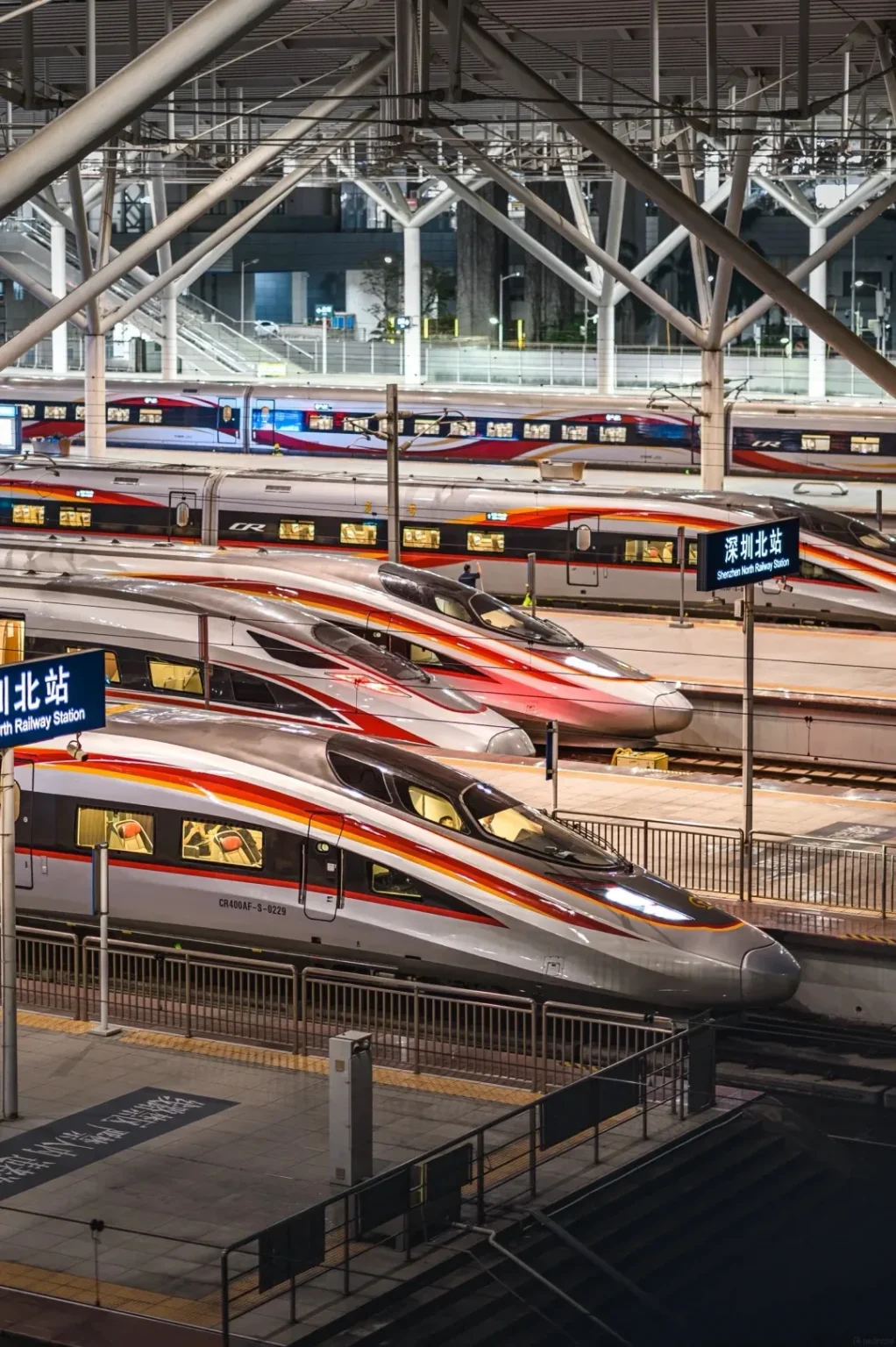
Several modern, silver and red high-speed trains are parked at a brightly lit indoor railway station. The trains have distinctive red and orange stripes along their sides. Overhead, a complex network of metal beams and cables forms the station's roof structure. A sign with Chinese characters and 'Shenzhen North Railway Station' in English is visible.

High-speed trains ready for departure at Shenzhen North Railway Station, a key transportation hub for exploring the Greater Bay Area under the 144-hour transit visa policy.

Crafting Your Route: Entering the Greater Bay Area

The most common mistake travelers make is booking a round-trip ticket in and out of the same country. Your itinerary must clearly show international transit. You cannot travel from Hong Kong to Shenzhen and back to Hong Kong.

A perfectly optimized route looks like this: Fly from Tokyo into Shenzhen Bao’an Airport, spend four days exploring Guangdong Province, and then take a high-speed ferry directly from Shekou Port to Hong Kong International Airport for your flight home.

Border Crossing Logistics and Connectivity

When crossing into Guangdong via the West Kowloon High-Speed Rail or an airport immigration hall, look for the dedicated “Foreigners Visa-Free Transit” lanes. Have your printed onward ticket, hotel reservations, and passport ready for the border agent.

Before you even approach the border, secure your digital lifeline. You will need a reliable eSIM to access Google Maps, WhatsApp, and crucial local apps without being blocked by the local firewall.

💡 Editor’s Pick: We recommend Nomad eSIM for China because it reliably bypasses the Great Firewall with stable speeds.

Do not rely on public Wi-Fi, which often requires a Chinese phone number to receive an SMS login code. Download Alipay and WeChat before you leave home, bind your foreign credit card, and complete the identity verification.

Navigating Guangzhou, Shenzhen, and Zhuhai

Stepping out of a Greater Bay Area transit hub, the humidity hits you instantly, carrying the faint scent of ozone and tropical rain. This region is massive, moving at a blistering pace that can quickly overwhelm first-time visitors.

Insider Tip: Skip the Overrated Attractions

Many guidebooks push the Canton Tower in Guangzhou, but the two-hour queues and 150 RMB ticket price simply aren’t worth it. Instead, take the 2 RMB public water bus across the Pearl River at sunset.

You get the exact same spectacular skyline views, accompanied by the churning hum of cargo ships, surrounded by locals commuting home. It is a far more authentic, sensory-rich experience for a fraction of the cost.
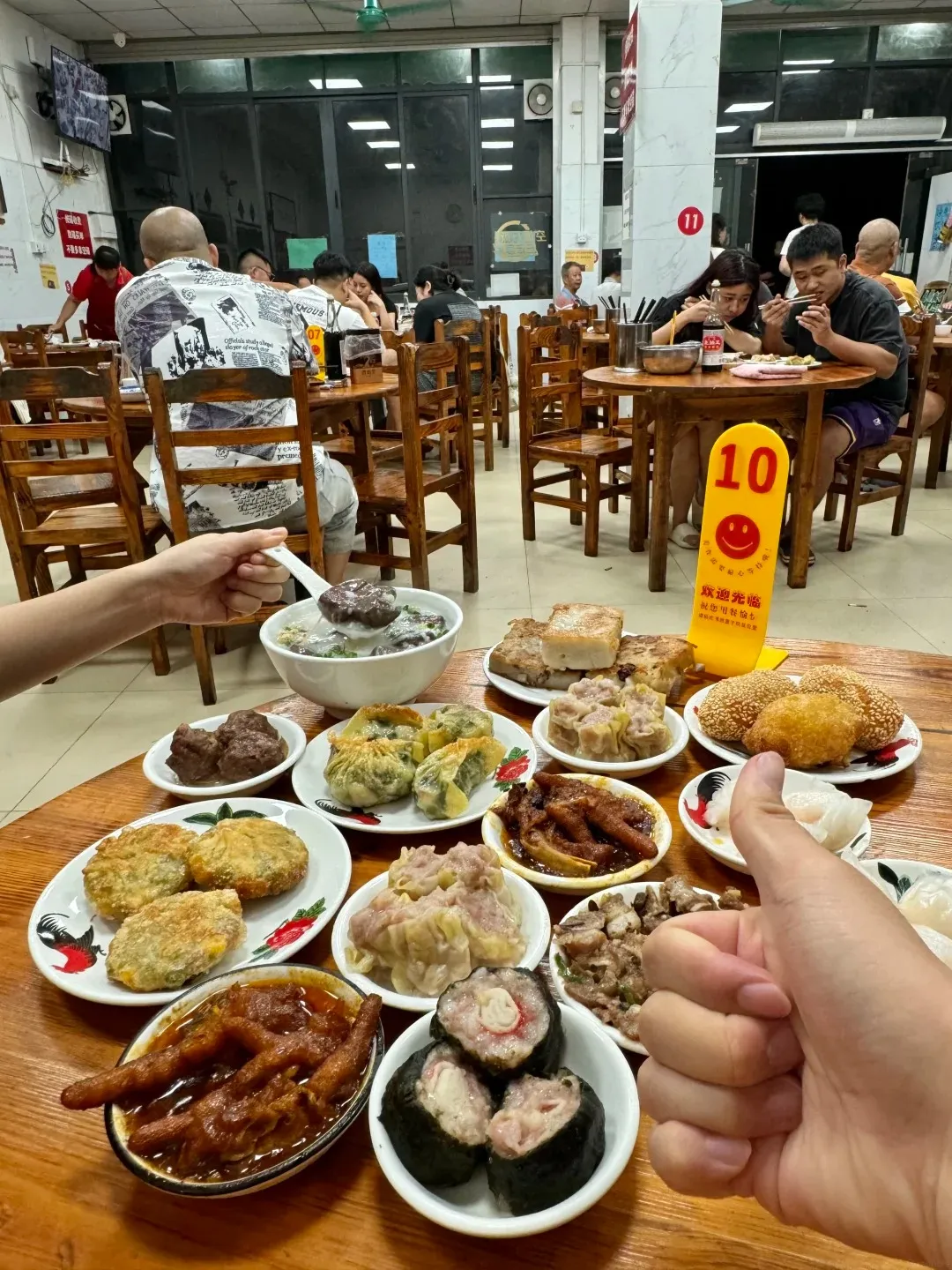
A close-up overhead view of a wooden table laden with various Chinese dim sum dishes, including steamed dumplings, fried items, chicken feet, and rolled sushi-like items. In the foreground, a hand gives a thumbs-up gesture. In the background, people are seated at tables in a busy restaurant.

Fueling up for a Greater Bay Area adventure! Exploring the region on a 144-hour transit visa means diving into delicious local cuisine. This spread of dim sum is just a taste of the culinary delights awaiting you.

How to Book Trains and Transport Like a Local

According to the official 12306 China Railway policy, foreign passport holders can now verify their identity entirely online within the English version of the 12306 app. This eliminates the old nightmare of queuing at the station ticket window.

High-speed rail is the only logical way to hop between these megacities. A second-class ticket from Guangzhou South to Shenzhen North costs roughly 75 RMB and takes just 29 minutes. Always bring your physical passport to the station, as it acts as your digital ticket at the automated turnstiles.

What to Know Before You Go: Honest Realities

Cash is virtually obsolete here. Try buying a 3 RMB bottle of Nongfu Spring water at a convenience store with a 100 RMB bill, and you will likely be met with an apologetic head shake. Mobile payments are mandatory.

Additionally, English proficiency drops significantly outside of major hotels and international business districts. Use the translation feature built directly into WeChat to seamlessly communicate with taxi drivers and restaurant staff.


Essential Questions About China Transit Travel

Do I need a visa to visit the Greater Bay Area in 2026?

If you are a citizen of one of the 54 eligible countries and are transiting through China to a third country or region, you can utilize the 144-hour visa-free transit policy. This allows you to explore Guangdong Province for up to six days without a traditional visa.

While some major hotels and international stores accept foreign credit cards, cash and cards are rarely used for daily expenses. You should set up Alipay or WeChat Pay before you arrive and link your foreign credit card to these apps for seamless payments.

You can now use the official 12306 China Railway app to verify your identity with your passport online. Once verified, you can book tickets directly through the English version of the app and use your passport to pass through the automated station turnstiles.

You must present a valid passport and a confirmed onward ticket to a third country or region (e.g., Hong Kong or Macau). It is also recommended to have your hotel reservations printed or easily accessible on your phone for border officials.

Conclusion

Mastering the 144-hour transit visa unlocks one of the world’s most dynamic urban corridors without the hassle and expense of traditional embassy visits. By planning a strict transit route, setting up your digital payment apps early, and embracing the high-speed rail network, you can navigate the Greater Bay Area like a seasoned expat.

Ready to finalize your itinerary? Check out our step-by-step guide to setting up Alipay for foreigners, and book your onward transit tickets today.

Similar posts to this one

A wide view of the Great Wall of China winding over lush green, tree-covered mountains under a partly cloudy sky. Many tourists are walking along the stone pathway of the wall, which features watchtowers and crenelated battlements. In the foreground, the wall is wide with stone steps, and people are visible in casual clothing carrying bags and taking photos.

A Traveler's Guide to Beijing's 72-Hour Visa-Free Transit: Maximizing Your Layover

Finding yourself with a long layover in China’s capital used to mean sitting in an airport lounge for a dozen [...]

Aerial view of Chengdu Tianfu International Airport, featuring its large, modern, white, star-shaped terminal building with multiple radiating concourses, surrounded by numerous parked passenger airplanes on the tarmac. Runways, taxiways, and green areas are visible in the background under a partly cloudy sky.

China 144-Hour Visa-Free Transit Guide: Eligibility & Itinerary Tips

For years, the biggest barrier to exploring the Middle Kingdom was the notorious bureaucracy of obtaining a tourist visa. However, [...]

An illuminated airport sign with a dark blue background displaying '中国移民管理' and 'China Immigration' in white text. To the left is an icon of an officer holding a passport and a white arrow pointing left.

China Visa Application Guide: Essential Tips for a Smooth Process

Navigating the entry requirements for the Middle Kingdom has historically been one of the most daunting aspects of Asian travel. [...]

Get the China Arrival Survival Kit

Planning a trip here has a steep learning curve. Join our newsletter and receive our free “Day One Checklist” covering everything from setting up Alipay and WeChat to bypassing the internet firewall.