
- Fares are incredibly cheap: Rides typically cost between 1 to 4 RMB (about $0.15-$0.60 USD) depending on the distance traveled.
- It beats traffic: Because the BRT runs on dedicated elevated tracks, it bypasses all ground-level congestion, making it significantly faster than taxis during peak hours.
- Digital payments are king: You can easily scan into stations using the transport QR codes within your Alipay or WeChat apps.
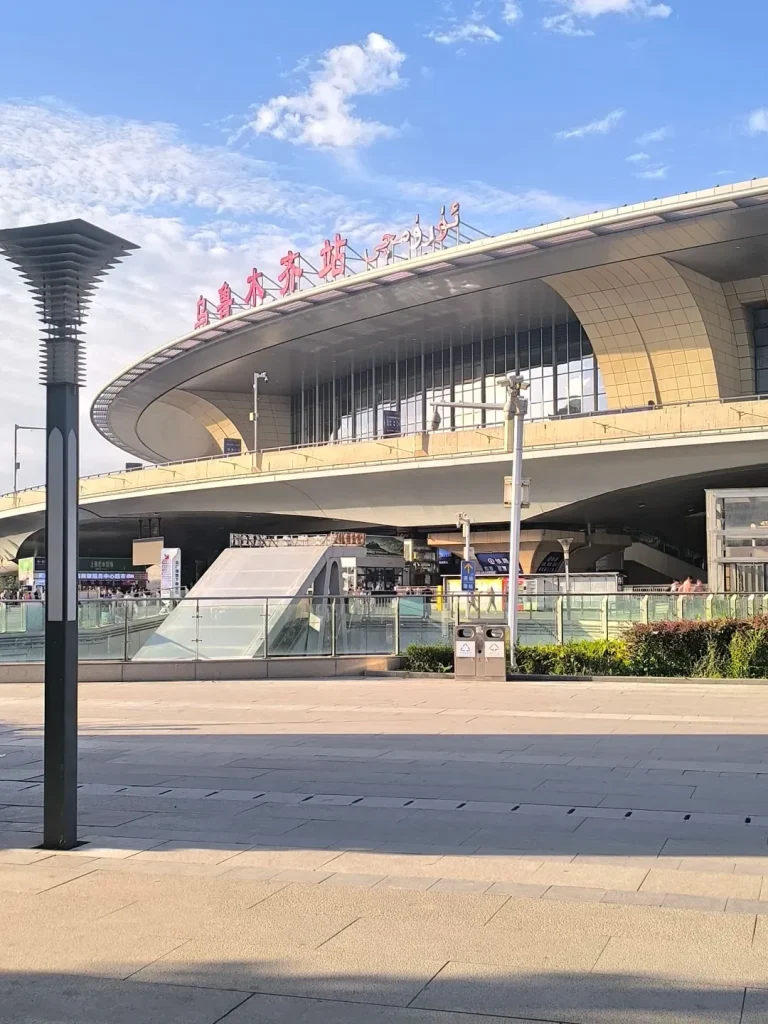
- Key connections: BRT Line 1 is the most useful route for tourists, linking the waterfront directly to Xiamen Railway Station and Xiamen North Railway Station.


What is the Xiamen BRT?
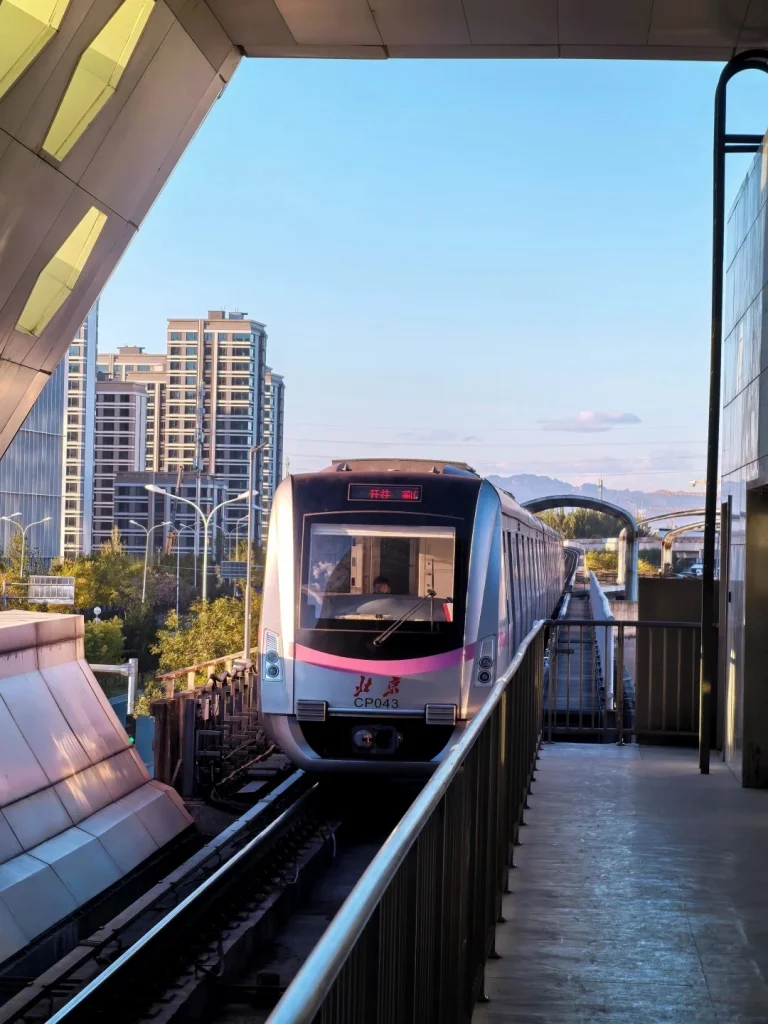
The Xiamen Bus Rapid Transit (BRT) is an elevated, high-speed public transportation network that operates exclusively on dedicated viaducts above the city streets. Functioning much like a subway system, it features enclosed stations, automated ticketing gates, and rapid boarding, allowing buses to bypass all ground-level traffic lights and congestion.
Why the BRT is Often Faster Than Taxis
Xiamen is a densely populated island city, and its main arteries frequently grind to a halt. The humid, tropical air combined with the relentless honking of gridlocked cars can make a ground-level taxi ride agonizing during the late afternoon.
The BRT operates 10 to 15 meters above this daily chaos. While a taxi from Xiamen Gaoqi International Airport to the downtown waterfront might take 50 minutes in heavy traffic, the BRT zips there in exactly 25 minutes.
Plus, the financial savings are undeniable. A cold bottle of mineral water at a local convenience store costs 2 RMB; a cross-city BRT ride costs the exact same amount.
How to Buy Tickets and Navigate the Stations
In 2026, you rarely need physical cash to survive in China. The absolute easiest way to ride the BRT is by using the Alipay or WeChat smartphone apps. Simply navigate to the “Transport” section in either app, select Xiamen as your city, and generate a transit QR code.
To use these apps seamlessly at the turnstiles, you need a reliable internet connection that bypasses the Great Firewall.
💡 Editor’s Pick: We recommend Nomad eSIM for China because it reliably bypasses the Great Firewall with stable speeds.
If you prefer physical tickets, every BRT station has automated kiosks with English interfaces. You pay with coins or small bills (5 or 10 RMB notes) and receive a blue plastic token. Tap the token on the sensor to enter the platform, and drop it into the slot when exiting your destination.
Essential Routes for Travelers
BRT Line 1: This is the golden route for visitors. It runs from the First Pier (Diyi Matou) on the southwestern waterfront, cuts directly through the city center, stops at Xiamen Railway Station, and goes all the way to Xiamen North Railway Station.
Airport Connections: If you are flying into Xiamen Gaoqi International Airport, head to the T4 terminal. The BRT hub here connects you directly to the city center via Line 1 or Line 2.
Ferry Transfers: Taking the ferry to Gulangyu Island? Ride the BRT to the First Pier hub. From there, you can easily transfer to a local bus or take a very short taxi ride to the Dongdu International Cruise Terminal.
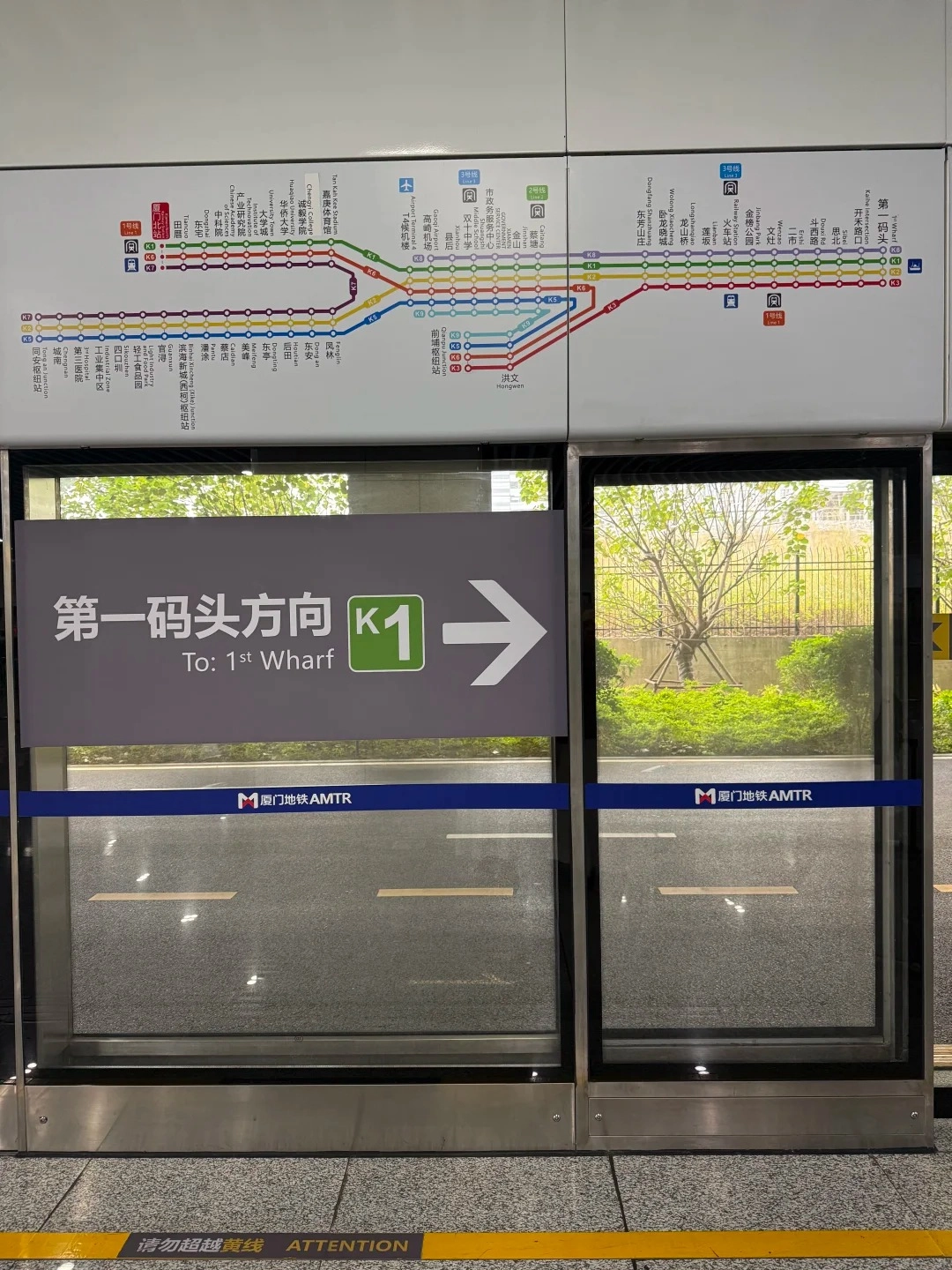
Plan your journey seamlessly on Xiamen’s BRT! This station map and directional signage for the K1 line help you navigate to the 1st Wharf, ensuring a smooth and efficient ride.
Insider Tip: What to Know Before You Go
Avoid the rush hour crush: Between 5:30 PM and 7:00 PM, the BRT platforms become intensely crowded. The sensory overload of hundreds of commuters rushing the doors, the blast of trapped body heat, and the aggressive jostling for space is not for the faint of heart.
Skip the tourist buses: The hop-on-hop-off sightseeing buses advertised around the waterfront are often overpriced and get stuck in the exact same traffic as regular cars. Stick to the BRT for transit and simply walk the scenic coastal areas like Huandao Road.
Station accessibility: While elevated, all BRT stations are equipped with escalators and elevators. This makes navigating the system highly manageable even if you are hauling heavy luggage from the airport or train station.
What is the 144-Hour Visa-Free Transit?
The 144-hour visa-free transit is a Chinese immigration policy allowing eligible travelers from 54 countries to stay in designated regions, including Xiamen, for up to six days without a prior visa, provided they hold a confirmed onward ticket to a third country.
According to the official China National Immigration Administration (NIA) policy updated for 2026, Xiamen Gaoqi International Airport and Xiamen’s cruise ports are valid entry and exit points for this program. This gives you ample time to use the BRT to explore the city’s temples, beaches, and historic architecture.