
Hefei to Huangshan: High-Speed Train & Scenic Route Guide

Trading the bustling tech hubs of Anhui’s capital for the mystical, cloud-shrouded peaks of the Yellow Mountains is a quintessential Chinese travel experience. If you are piecing together a Hefei to Huangshan travel guide for your 2026 itinerary, the transit logistics have never been more streamlined.

Whether you are navigating the high-speed rail network or figuring out the shuttle buses to Tangkou, getting the transport right is the difference between a serene mountain escape and a frustrating day in transit.

TL;DR: Trip Essentials

  • Fastest Route: High-speed trains from Hefei South to Huangshan North take just 1.5 to 2 hours.
  • Station Confusion: Always book tickets to Huangshan North (黄山北), not the older Huangshan Railway Station, to access the dedicated tourist transport hub.
  • Scenic Area Transfer: Official shuttle buses run every 30 minutes from the station to the South Gate (Tangkou) for roughly 30 CNY ($4 USD).
  • Mountain Pricing: Buy snacks before ascending; a simple bottle of water costs 15-20 CNY at the summit compared to 2 CNY in Hefei.

Summarize with :

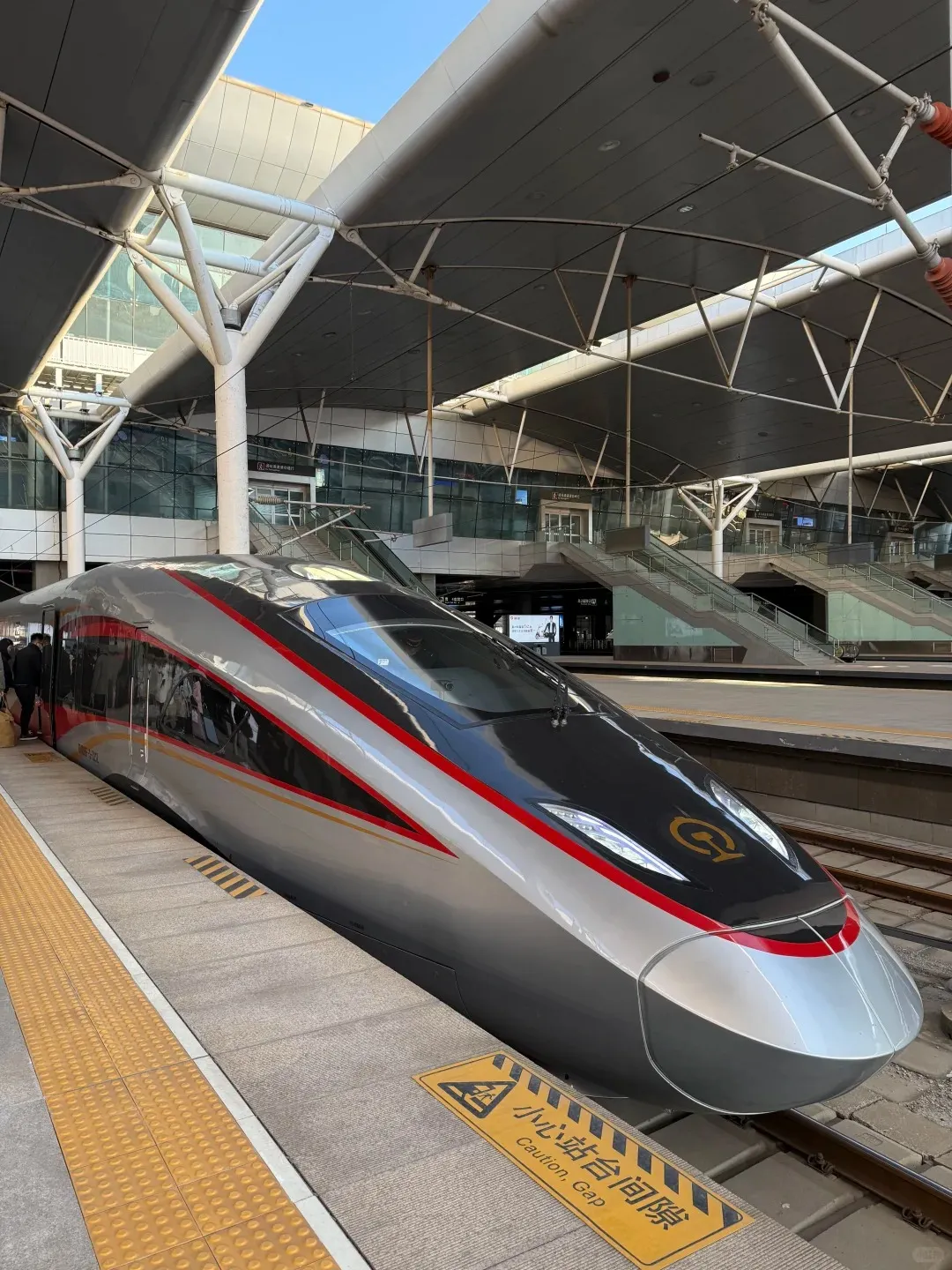
A sleek silver, black, and red Chinese Fuxing Hao CR400 bullet train stopped at a modern railway station platform. The station has a high glass and steel roof, and a yellow 'Caution, Gap' sign is visible on the platform.

Embark on an unforgettable journey from Hefei to the breathtaking Yellow Mountains aboard China’s Fuxing Hao high-speed trains, known for their speed and comfort.

Booking Your High-Speed Train Tickets

The high-speed rail (HSR) is the undisputed champion for this route. According to the official 12306 rail policy for 2026, foreign travelers can seamlessly book e-tickets using their passports and scan them directly at the turnstiles—no paper tickets required.

Over 30 pairs of bullet trains run daily between Hefei South Railway Station and Huangshan North Railway Station. The journey takes a breezy 90 to 120 minutes, gliding past lush bamboo forests and ancient Huizhou-style villages.

Current Train Ticket Pricing

  • Second Class: ~140.5 CNY ($21 USD) – The most popular and cost-effective option.
  • First Class: ~236.5 CNY ($34 USD) – Wider seats and quieter, less crowded cabins.
  • Business Class: ~443.5 CNY ($64 USD) – Fully flat beds and VIP lounge access.

Arriving at Huangshan North & Staying Connected

Stepping off the train at Huangshan North, you are immediately hit by the sheer scale of modern Chinese infrastructure, mixed with the savory smell of tea eggs wafting from the station convenience stores. The crowds here surge rapidly toward the exit gates, making navigation slightly chaotic.

To hail DiDi rides, translate signs, or use Alipay without relying on spotty public Wi-Fi, you need a reliable internet connection. Since Western apps are blocked in China, an eSIM is your best friend for bypassing the firewall.

💡 Editor’s Pick: We recommend Nomad eSIM for China because it reliably bypasses the Great Firewall with stable speeds. Use code JORICAQLKF at checkout to get $5 USD off your first data plan.

Once connected, follow the bilingual signs to the Huangshan Tourism Passenger Transport Hub. It is located conveniently in Basement 1, just to the right of the main arrival exit.

How to Get to Huangshan Scenic Area

Do not let aggressive taxi touts at the station exit pressure you. The official shuttle bus is cheap, highly efficient, and departs every 30 minutes between 06:30 and 19:30. The 50-minute ride costs exactly 30 CNY.

This bus drops you at Tangkou (the South Gate), the main staging area where you will transfer to the internal park buses that take you to the cable cars.

If your high-speed train arrives after 19:30, the public buses stop running. You will need to rely on a registered taxi or a DiDi, which will cost around 180-200 CNY ($25-$28 USD) to reach the mountain base.
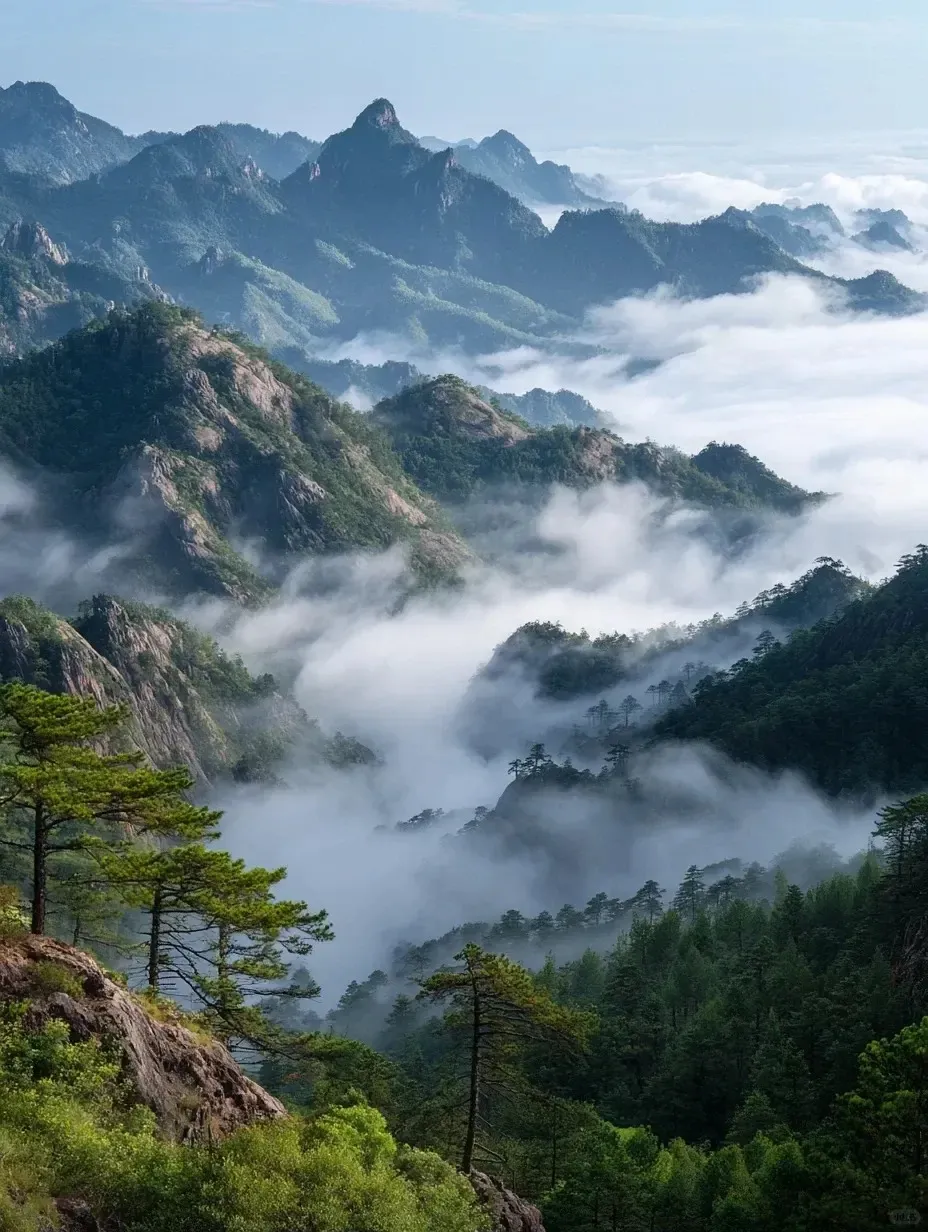
Layered green mountains and valleys filled with a thick sea of white clouds and mist. Jagged peaks rise above the mist, and gnarled pine trees are visible on rocky slopes in the foreground and midground.

After your high-speed journey from Hefei, prepare to be mesmerized by the Yellow Mountains’ famous ‘sea of clouds’ vistas, where ancient pines cling to granite peaks emerging from the mist.

Insider Tip: What to Know Before You Go

Here is a hard truth about visiting the Yellow Mountains: do not waste your morning fighting for space at the Bright Summit (Guangming Ding). It is notoriously overcrowded, with tour groups wielding megaphones and jostling for photos.

Instead, hike towards the Begin-to-Believe Peak (Shixin Feng) for a much quieter, equally stunning sunrise view. You will avoid the claustrophobic bottlenecks on the narrow stone stairs, allowing you to actually hear the wind through the ancient pines.

Additionally, pack your own water and high-calorie snacks from a convenience store in Hefei. The porters carry every single item up the mountain on foot, meaning a standard 2 CNY bottle of water inflates to 15-20 CNY at the summit hotels.

Visas and Entry Logistics for 2026

What is the 144-hour visa-free transit?

The 144-hour visa-free transit policy allows citizens from 54 eligible countries to enter specific Chinese regions without a prior visa for up to six days, provided they hold a valid passport and a confirmed onward flight ticket to a third country or region.

While Anhui Province (where Huangshan is located) is accessible under the Yangtze River Delta 144-hour transit zone, you must enter through approved ports like Shanghai or Hangzhou. Always ensure your itinerary strictly aligns with China’s National Immigration Administration guidelines before booking.

Ready for the Yellow Mountains?

Mastering the route from Hefei to Huangshan sets the tone for your entire mountain adventure. By utilizing the high-speed rail, securing your eSIM early, and knowing exactly how to navigate the transfer hubs, you bypass the common tourist traps and save your energy for the climb.
2026 Huangshan Transit & Travel FAQ

How do I get from Hefei to Huangshan by train?

The most efficient route is taking a high-speed train from Hefei South Railway Station to Huangshan North Railway Station. The journey takes 1.5 to 2 hours, with second-class tickets costing around 140.5 CNY. From there, you can catch a direct shuttle bus to the mountain base.

No, paper tickets are entirely phased out for international visitors. You can book e-tickets through the official 12306 app using your passport, and simply scan your physical passport at the station turnstiles to board your train.

If you arrive between 06:30 and 19:30, the official shuttle bus to Tangkou (South Gate) costs exactly 30 CNY and takes 50 minutes. If you arrive after hours, a registered taxi or DiDi ride will cost approximately 180-200 CNY.

Yes, Huangshan is located in Anhui Province, which is accessible under the Yangtze River Delta 144-hour visa-free transit policy. To qualify, you must enter China through approved regional ports like Shanghai or Hangzhou and hold a confirmed onward ticket to a third country.

If you found this guide helpful, check out our comprehensive 2026 itineraries for exploring the nearby ancient villages of Hongcun and Xidi, and book your high-speed train tickets in advance to secure your ideal departure time!

Similar posts to this one

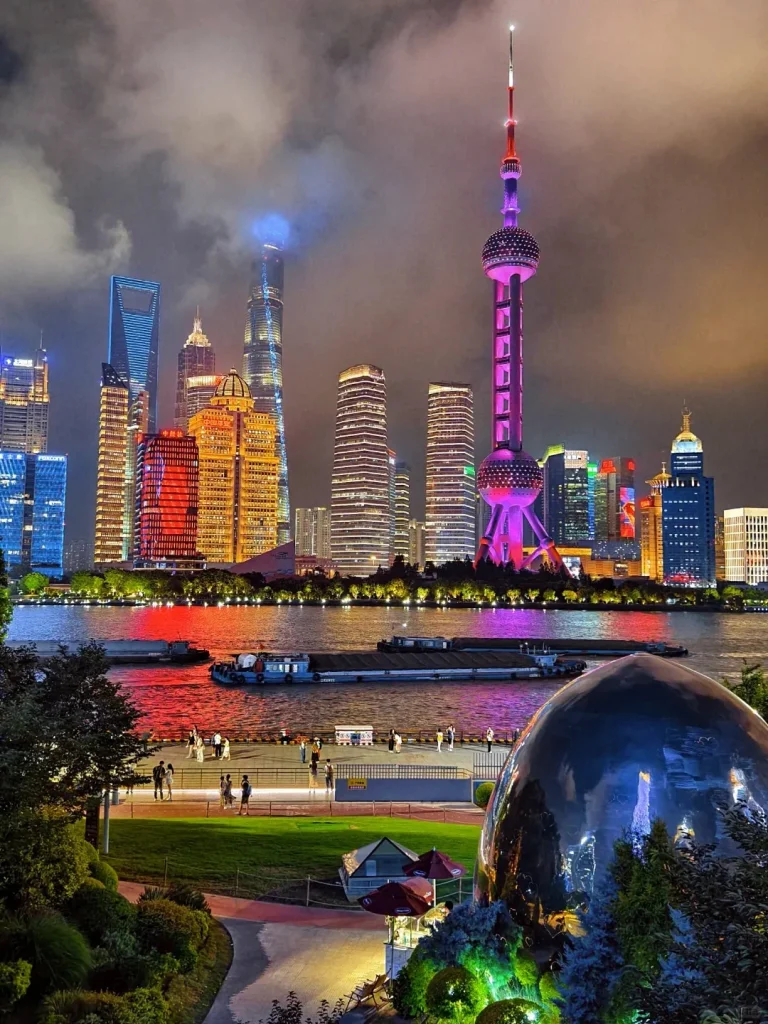
Night view of Shanghai's Pudong skyline from across the Huangpu River. The Oriental Pearl TV Tower is prominently lit in purple, alongside other illuminated skyscrapers like the Shanghai Tower and Jin Mao Tower. In the mid-ground, boats traverse the river, while the foreground features a lively waterfront promenade with people, green park areas, and a large reflective sphere sculpture.

Shanghai Layover Guide: Maximizing 24-48 Hours in China's Metropolis

Staring down a long transit at Shanghai Pudong International Airport (PVG) can feel daunting, but staying inside the terminal is [...]

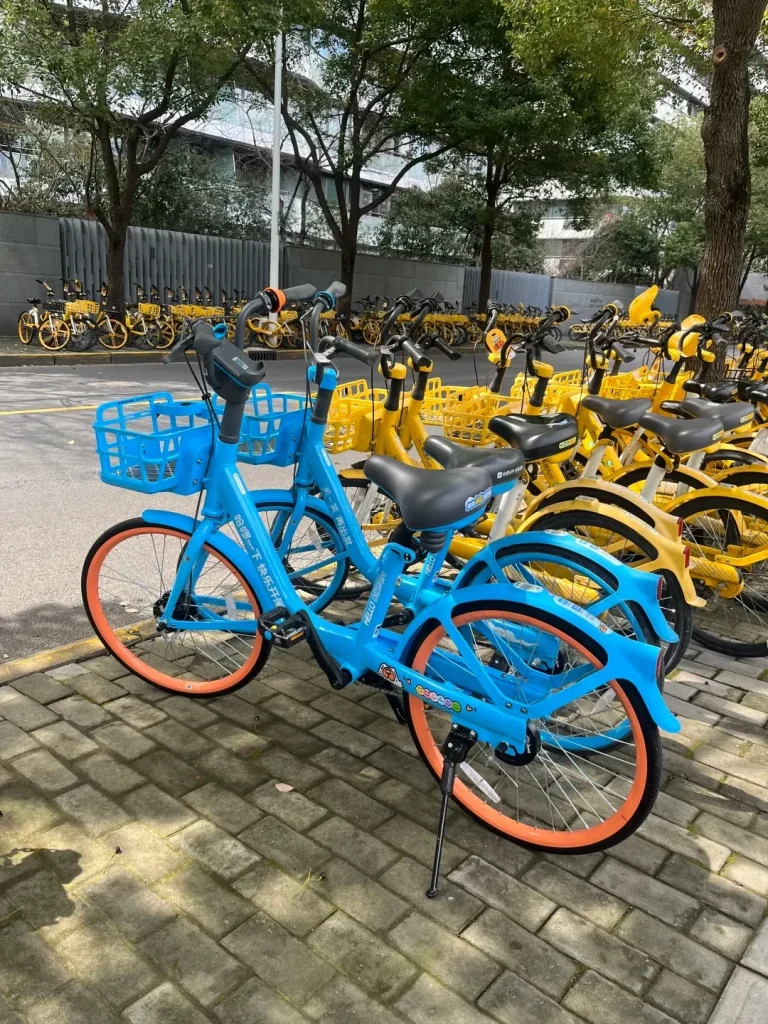
Two blue Hellobike shared bicycles with orange rims are parked on a brick path, with rows of yellow Meituan shared bicycles visible behind them on an asphalt road. Trees and a grey building facade are in the background.

Exploring China on Two Wheels: A Tourist's Guide to Shared Bikes

Stepping out of a subway station in Beijing or Shanghai, you are immediately greeted by a sea of bright yellow [...]

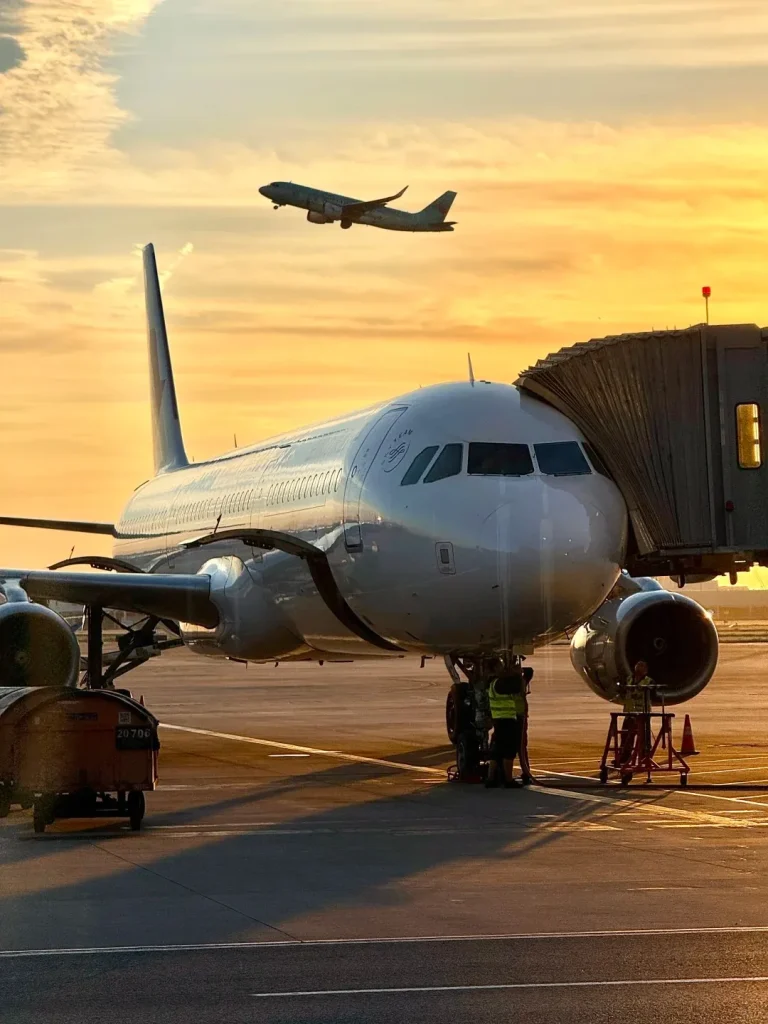
Two commercial airplanes at an airport during sunset. One large white plane is parked at a gate, connected to a jet bridge, with ground crew working near its engines and landing gear. In the background, another airplane is seen taking off, ascending into the vibrant orange and yellow sky.

Smooth Connections: A Guide to International Airport Transfers in China

Navigating a massive Chinese aviation hub in 2026 can feel like stepping into a sprawling, futuristic metropolis. Whether you are [...]

Get the China Arrival Survival Kit

Planning a trip here has a steep learning curve. Join our newsletter and receive our free “Day One Checklist” covering everything from setting up Alipay and WeChat to bypassing the internet firewall.