
Anhui's Ancient Huizhou Villages: A Practical Guide to Hongcun and Xidi

Planning a trip to Anhui Province often revolves around the dramatic peaks of Huangshan, but missing the UNESCO-listed ancient villages at the mountain’s base would be a massive oversight. If you are searching for the ultimate Hongcun Xidi travel guide, you already know these twin settlements offer a rare glimpse into Ming and Qing dynasty architecture. However, navigating the logistics, dodging the massive domestic tour groups, and figuring out digital payments in 2026 requires up-to-date, on-the-ground knowledge.

Quick Summary: Key Takeaways for Your Trip

  • Entry Costs: Tickets for both Hongcun and Xidi cost 104 RMB (approx. $15 USD) each, valid for three days.
  • Getting There: High-speed trains arrive at Huangshan North Station; from there, direct tourist buses or DiDi ride-shares take about 60-90 minutes to the villages.
  • Crowd Control: Hongcun is incredibly busy by 10:00 AM. Stay overnight to photograph the famous Moon Pond at dawn before the megaphones arrive.
  • Connectivity: Foreign credit cards are rarely accepted by local vendors; you must set up Alipay or WeChat Pay before arriving.

Summarize with :

What is the 144-Hour Visa-Free Transit Policy?

According to the official China National Immigration Administration, the 144-hour visa-free transit is a policy allowing citizens of 54 eligible countries to enter designated Chinese regions without a visa for up to six days. To qualify, travelers must hold a valid passport and a confirmed onward flight ticket to a third country or region.

Author’s Note: Because Anhui is part of the Shanghai-Jiangsu-Zhejiang regional transit zone, you can fly into Shanghai, take the bullet train to Huangshan, and explore these villages entirely visa-free.

Getting to Hongcun and Xidi from Huangshan

Navigating rural Anhui has become remarkably streamlined. Based on the 2026 China Railway (12306) schedules, most international travelers will arrive via bullet train at Huangshan North Railway Station (黄山北站). From the transport hub right next to the station, dedicated tourist buses depart regularly for Yixian (Yi County), stopping at both Xidi and Hongcun.

If you prefer not to wait for the bus, the ride-hailing app DiDi (integrated directly inside Alipay) is your best friend. A private DiDi from Huangshan North to Hongcun takes about 75 minutes and typically costs around 150 to 180 RMB. The roads are well-paved, winding through lush bamboo forests and vibrant green tea terraces.

A serene village scene with traditional Chinese architecture featuring white-washed walls and dark tiled roofs, lining a tranquil waterway. Red lanterns are visible hanging outside some buildings. The buildings and surrounding mist are reflected in the still, turquoise water.

The timeless beauty of Hongcun village, where ancient Huizhou architecture meets the tranquil waters, offering a glimpse into China’s rich cultural heritage.

Hongcun: The Ox-Shaped Water Village

Hongcun is undeniably the superstar of the Huizhou region. Famously featured in Ang Lee’s Crouching Tiger, Hidden Dragon, the village was brilliantly designed hundreds of years ago in the shape of an ox. The intricate network of ancient waterways (the “intestines”) flows past nearly every doorway, ultimately feeding into the crescent-shaped Moon Pond (the “stomach”) at the center of town.

Walking through the narrow alleys, your senses are immediately hit with the pungent, fermented aroma of sizzling Mao Tofu (hairy tofu) being fried by street vendors. It is a local delicacy that pairs perfectly with a cheap, 3 RMB bottle of Nongfu Spring water purchased from a centuries-old courtyard home turned convenience store.

Insider Tip: Beating the Hongcun Crowds

Here is the reality of traveling in 2026: Hongcun is a primary target for massive domestic tour groups. By 9:30 AM, the slick, rain-washed flagstones are packed, and the cacophony of megaphone-wielding tour guides echoing off the high “horse-head” fire walls can be overwhelming.

Do not visit Hongcun as a midday day trip. Instead, book a guesthouse inside the village. The ticket is valid for three days, allowing you to wander the labyrinthine streets at 6:30 AM or late in the evening. In the quiet mist of dawn, with red lanterns glowing against the whitewashed walls, the village reclaims its ancient magic.

Xidi: A Quiet Architectural Marvel

Located just a 30-minute drive south of Hongcun, Xidi offers a distinctly different atmosphere. While Hongcun is defined by its water features, Xidi is an architectural masterclass. Originally founded during the Song Dynasty, the village boasts over 300 remarkably preserved Ming and Qing-era courtyard homes.

Xidi is laid out like a ship and is generally much less crowded than its northern neighbor. It attracts art students who sit quietly sketching the intricate wood carvings and the imposing stone memorial archways at the village entrance. If you are a photography enthusiast looking for unobstructed shots of traditional Huizhou architecture, Xidi is where you should spend the bulk of your afternoon.
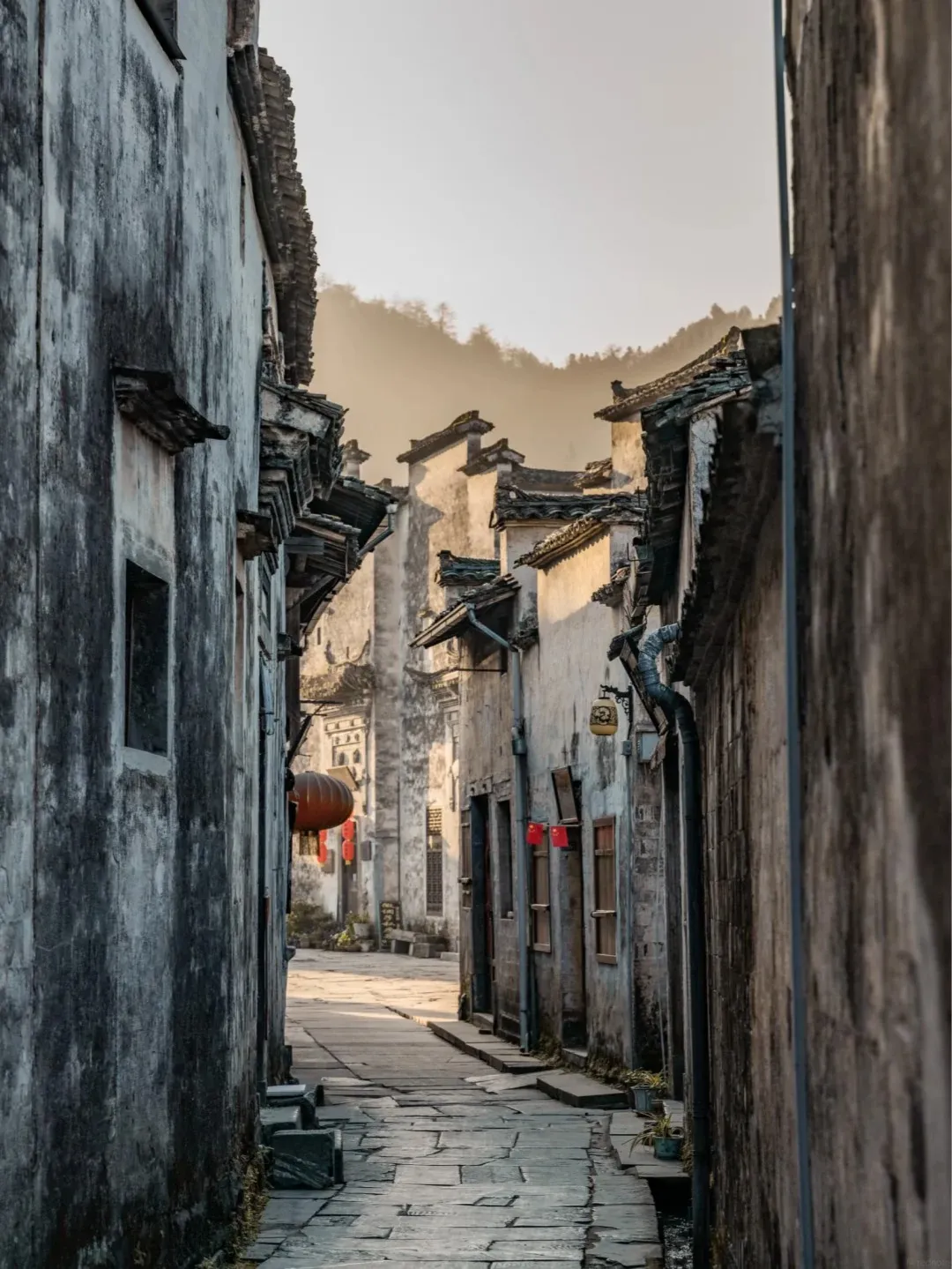
A narrow stone-paved alleyway in an ancient village, flanked by traditional white-walled buildings with dark tiled roofs. Red lanterns hang from the buildings, and a hazy, tree-covered hillside is visible in the background.

Step back in time as you wander through the charming, narrow alleyways of Xidi, one of Anhui’s exquisite Huizhou villages. The traditional architecture and soft afternoon light create a timeless atmosphere.

Practical Tips for 2026: Connectivity and Payments

China operates on a nearly cashless society, and rural Anhui is no exception. Even the elderly women selling dried bamboo shoots on the side of the road will expect you to scan a QR code. You must download Alipay or WeChat and bind your foreign credit card before you arrive in the country.

To ensure these payment apps work seamlessly, a reliable internet connection is non-negotiable. Because standard international roaming can be spotty and foreign SIM cards are subject to the Great Firewall, utilizing a travel eSIM is the smartest logistical move you can make.

💡 Editor’s Pick: We recommend Nomad eSIM for China because it reliably bypasses the Great Firewall with stable speeds.

Finally, pack comfortable, non-slip walking shoes. The ancient stone bridges and cobblestone paths in both Hongcun and Xidi have been worn smooth by centuries of foot traffic and become incredibly slippery during the frequent spring and summer drizzles.

Frequently Asked Questions About Visiting China

Do I need a visa to visit Hongcun and Xidi in 2026?

If you are from one of the 54 eligible countries, you can utilize the 144-hour visa-free transit policy. By flying into Shanghai and taking a bullet train to Anhui, you can explore these villages without needing a standard tourist visa.

No, foreign credit cards are rarely accepted by local vendors. You must set up Alipay or WeChat Pay and link your international credit card before you arrive to handle all daily transactions.

The most convenient options are taking a direct tourist bus from the Huangshan North Railway Station or booking a private ride-share via the DiDi app, which is integrated into Alipay.

Hongcun gets very crowded with domestic tour groups by mid-morning. To experience the village peacefully, stay overnight in a local guesthouse and explore the streets at dawn before the tour buses arrive.

Conclusion

Visiting Anhui’s ancient Huizhou villages requires a bit of logistical planning, but the reward is a genuine step back in time. While Hongcun offers iconic, cinematic water reflections, Xidi provides the quiet, architectural grandeur that history lovers crave. By securing your digital payment methods, leveraging the 144-hour transit visa, and timing your visits to avoid peak tour bus hours, you can experience the very best of rural China. If you are ready to expand your itinerary, check out our complete guide to hiking the nearby peaks of Huangshan to complete your Anhui adventure.

Similar posts to this one

A tall, multi-story, weathered concrete watchtower with numerous small, red-shuttered windows stands in a bright green rice paddy field under a blue sky with white clouds. The tower has a distinct architectural style with balconies and a decorative roof. Trees and other less prominent structures are visible in the background.

Guangdong's Watchtowers: A Practical Guide to the Kaiping Diaolou

Stepping into the lush, subtropical countryside of Guangdong Province feels like entering a different era, especially when the skyline is [...]

A large, ornate Russian Orthodox cathedral with a dark green dome and multiple gold crosses is illuminated at dusk. People are gathered in the plaza in front of the cathedral, some in elaborate costumes, and a woman in a blue and white Victorian-style dress stands prominently in the foreground.

Harbin's Central Street (Zhongyang Dajie): A Historic Walking Tour and Food Guide

Stepping onto the cobblestones of Harbin's Central Street in the dead of winter feels like walking into a frozen slice [...]

The golden roof and upper facade of a traditional Tibetan monastery with red walls and white trim, under a clear blue sky.

Gansu's Hidden Tibet: A 3-Day Guide to Xiahe and the Ganjia Grasslands

Most travelers seeking authentic Tibetan culture immediately look to Lhasa, battling strict permit requirements, mandatory tour guides, and massive crowds. [...]

Get the China Arrival Survival Kit

Planning a trip here has a steep learning curve. Join our newsletter and receive our free “Day One Checklist” covering everything from setting up Alipay and WeChat to bypassing the internet firewall.