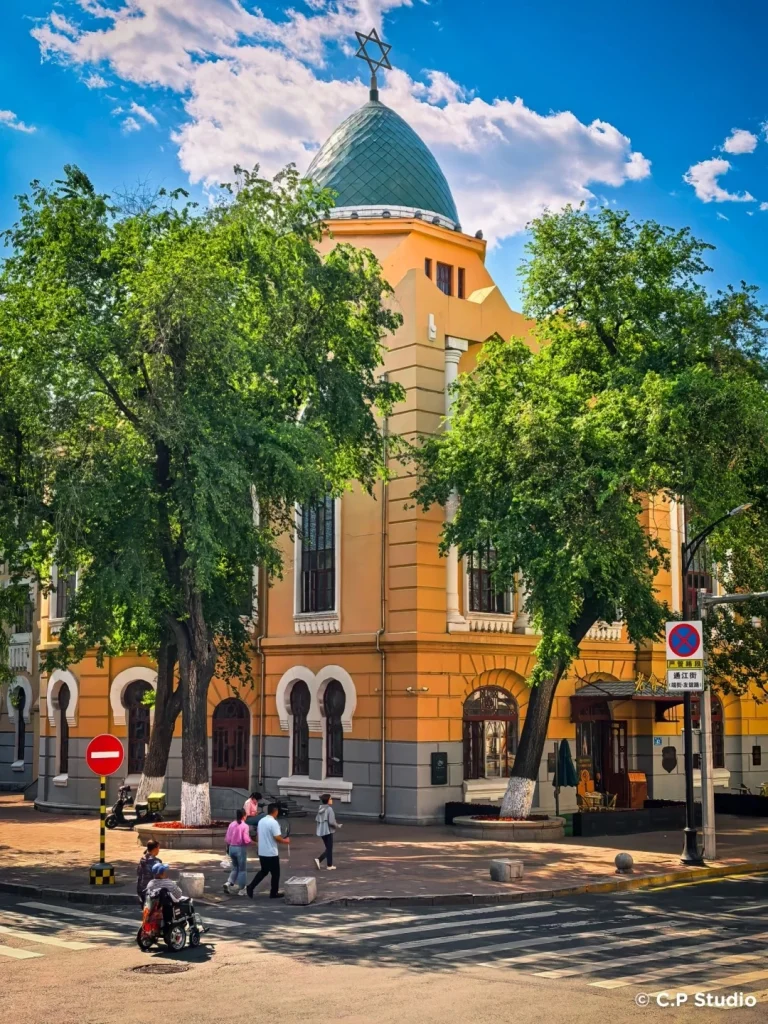



Essential Logistics: What to Know Before You Go
Traveling in China’s remote northwest requires a bit more preparation than navigating Beijing or Shanghai. The infrastructure is rapidly modernizing, but the rugged nature of the Tibetan plateau remains.
Visas and Connectivity
What is the 144-hour visa-free transit? It is an official Chinese immigration policy allowing citizens from 54 eligible countries to explore designated regions for up to six days without a tourist visa. However, Gansu Province is currently excluded from this policy. You must secure a standard “L” Tourist Visa prior to arrival.
To navigate Xiahe, you will need reliable internet for translation apps and digital payments. Because China’s Great Firewall blocks Google, WhatsApp, and Western social media, a standard local SIM card won’t suffice. We highly recommend setting up an eSIM before you land.
💡 Editor’s Pick: We recommend Nomad eSIM for China because it reliably bypasses the Great Firewall with stable speeds.
How to Get to Xiahe
Lanzhou is your primary gateway. From Lanzhou West Train Station, you can book a high-speed train ticket via the official 12306 rail platform to Linxia (about 1 hour). From the Linxia bus terminal, frequent local minibuses make the 2-hour mountainous drive to Xiahe (¥32).
Alternatively, direct buses leave Lanzhou South Bus Station daily (¥76, 3.5 hours). Be warned: the bus station bathrooms are notoriously rustic, so bring your own tissue and hand sanitizer.
The Perfect 3-Day Xiahe Ganjia Grasslands Itinerary
Day 1: Acclimatization and the Labrang Monastery Kora
Arrive in Xiahe by early afternoon. Because you are stepping out at nearly 3,000 meters, your first priority is acclimatization. Drop your bags, drink plenty of bottled water (usually ¥2 at local shops), and avoid heavy exertion.
Spend your afternoon walking the outer kora (pilgrim circuit) of Labrang Monastery. At 3.5 kilometers long, it is believed to be the longest stretch of prayer wheels in the world. Walk clockwise alongside elderly Tibetans in heavy chuba cloaks, spinning the wooden cylinders as you go.
Insider Tip: Do not photograph pilgrims’ faces without permission. While the monastery grounds are open, photographing inside the actual prayer halls is strictly forbidden and highly disrespectful.
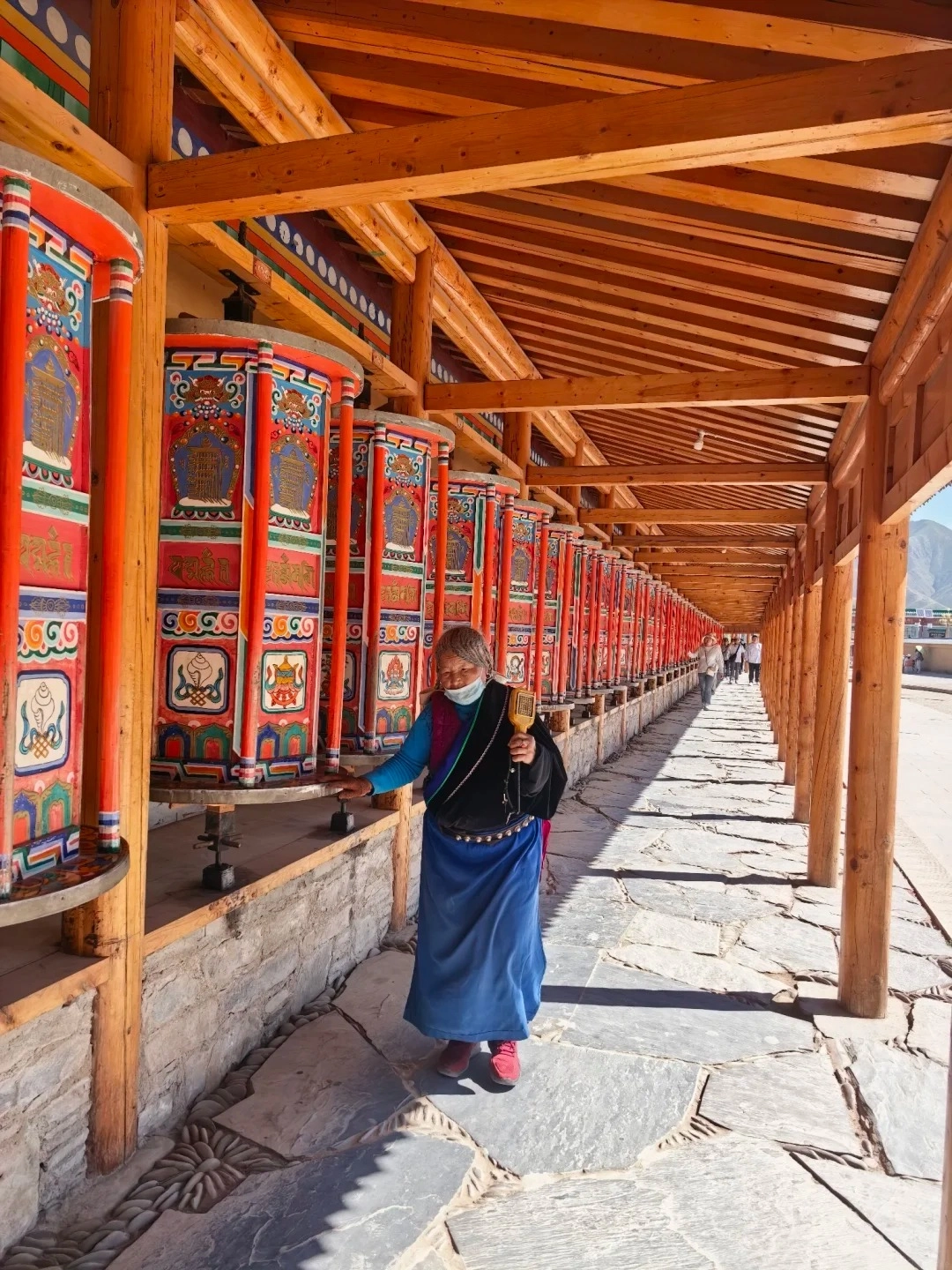
Inside the sacred walls of Labrang Monastery, an elder gracefully spins a prayer wheel, a common practice for pilgrims seeking spiritual merit in Xiahe, Gansu.
Day 2: The Rugged Ganjia Grasslands & Bajiao Ancient City
Wake up early and hire a local taxi for a half-day trip to the Ganjia Grasslands (approx. 34km away). A standard return taxi will cost around ¥180, while an English-speaking guide and driver arranged through local cafes will run about ¥450.
Why avoid Sangke? Many outdated guides recommend the Sangke Grasslands. Today, Sangke is a circus of fake yurts, noisy ATVs, and commercialized horse rides catering to domestic tour groups. Ganjia offers the sweeping, pristine landscapes you came for.
The bumpy road to Ganjia crosses the Naren-Ka pass before opening up to massive green valleys dotted with grazing yaks. Your first stop should be the Trakkar Gompa (¥30 entry), a monastery of 90 monks backed by a stunning, vertical wall of jagged limestone.
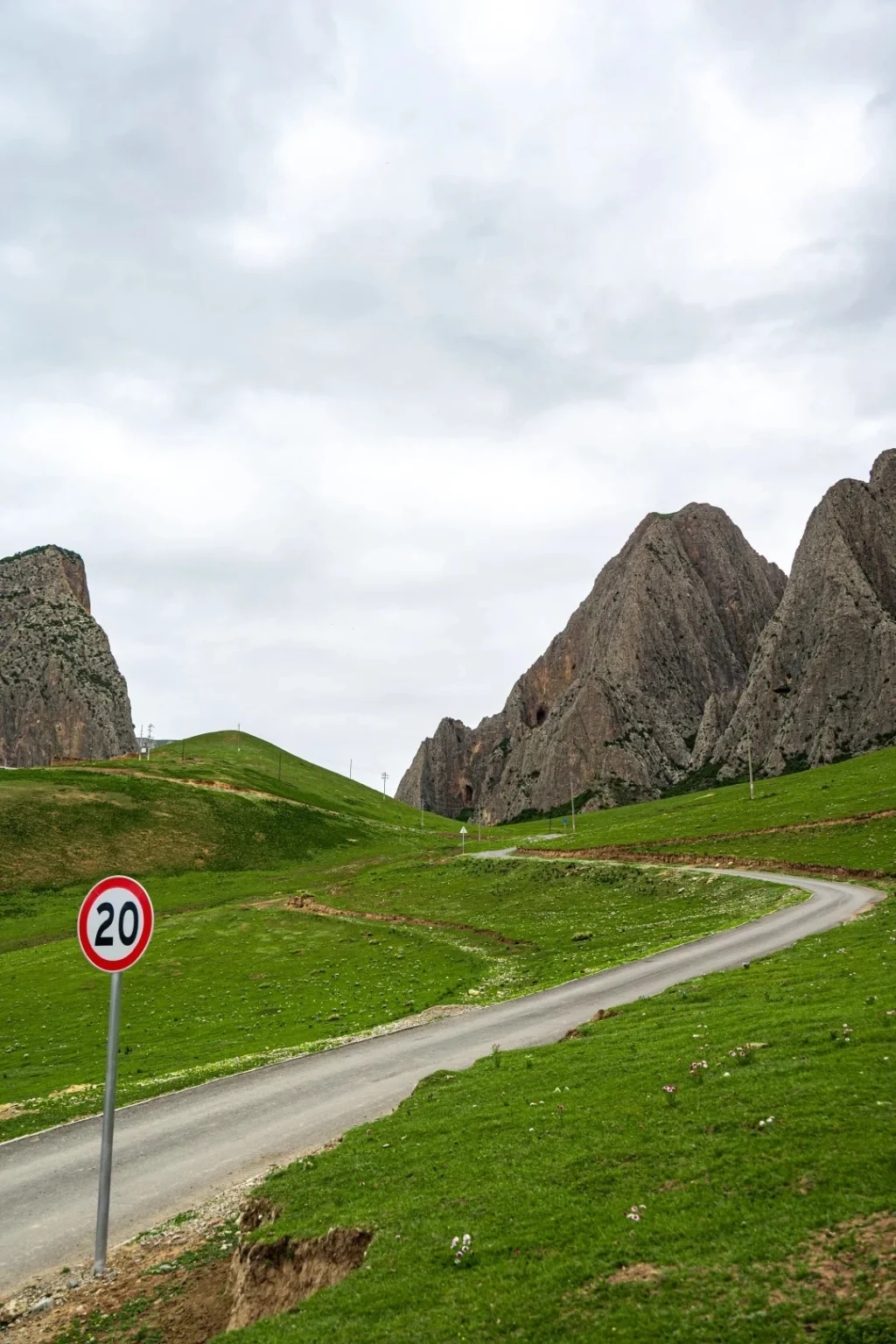
A reminder to slow down and soak in the breathtaking beauty of Gansu’s Ganjia Grasslands, a gateway to a Tibetan wonderland.
Next, drive to the 2,000-year-old Han dynasty village of Bajiao. Unlike typical square Chinese walled cities, Bajiao features a remarkable 12-sided ancient wall that still shelters a living community of semi-nomadic Tibetans.
Safety Warning for Nekhang Cave: Nearby is the Nekhang cave complex. While the front section is safe to view the sacred lama handprint, do not venture deep into the unlit cavern. A makeshift barrier is in place for a reason; a foreign traveler tragically fell to his death here in 2006 due to hidden vertical drops.
Day 3: Morning Chants and Tibetan Art
Wake up before dawn and head to the main courtyard of Labrang Monastery. Around 6:00 AM, you can witness maroon-clad monks traipsing into the Grand Sutra Hall for morning chants. The deep, guttural throat singing vibrating through the freezing morning air is unforgettable.
At 10:30 AM, join the official monastery tour (¥40 at the ticket office). An English-speaking monk will guide you through the Institute of Medicine and the golden-roofed Serkung, explaining the intricacies of Gelugpa Buddhism.
Before catching your afternoon bus out of Xiahe, visit Snowland Art. This local studio trains disadvantaged Tibetan youth in traditional thangka painting. It’s the most ethical place in town to purchase authentic souvenirs, with all proceeds supporting the students.
Where to Eat and Sleep in Xiahe
Food in Xiahe is a hearty mix of Tibetan staples and Hui Muslim noodle dishes. Norden Cafe is a traveler favorite, offering excellent coffee, clean western toilets, and massive windows overlooking the monastery. For dinner, try traditional yak meat momos (dumplings) at the Snowy Mountain Cafe.
For accommodation, the Overseas Tibetan Hotel offers reliable, heated rooms (crucial for freezing plateau nights). If you have a larger budget and want to sleep on the grasslands, book a luxury yak-fiber tent at the Norden Camp (open May to October), which features composting toilets and farm-to-table Tibetan meals.