
Shanghai Xiaolongbao Guide: Best Soup Dumplings & How to Eat Them

Steaming bamboo baskets, the sharp scent of black vinegar, and the imminent danger of scalding your palate. If you are traveling to China in 2026, mastering the art of the soup dumpling is a culinary rite of passage. This complete Shanghai Xiaolongbao guide will help you navigate the city’s labyrinth of street vendors and renowned dining rooms.

We will skip the generic travel fluff and dive straight into where to eat, how to pay using local apps, and the exact technique to enjoy these delicate parcels without looking like a rookie.

TL;DR: Trip Essentials

  • The Golden Rule: Never eat a Xiaolongbao in one bite. Bite the top, sip the broth, add vinegar, then eat the rest.
  • Payment in 2026: Cash is almost obsolete. You must download and bind a foreign credit card to Alipay or WeChat Pay before arriving.
  • Connectivity: A reliable eSIM is mandatory to bypass the Great Firewall and translate menus in real-time.
  • Average Cost: Expect to pay around 15-25 RMB (approx. $2-$3.50 USD) for a basket of 6-8 local dumplings, or 80+ RMB at premium spots.

A steaming bamboo basket filled with six freshly made Shanghai Xiaolongbao soup dumplings

Summarize with :

What is a Xiaolongbao?

Xiaolongbao is a traditional Chinese steamed bun originating from the Jiangnan region, famously known as a “soup dumpling.” It features a paper-thin, unleavened dough wrapper encasing a seasoned pork filling and a rich, savory broth created by melting a gelatinized meat aspic during the steaming process.
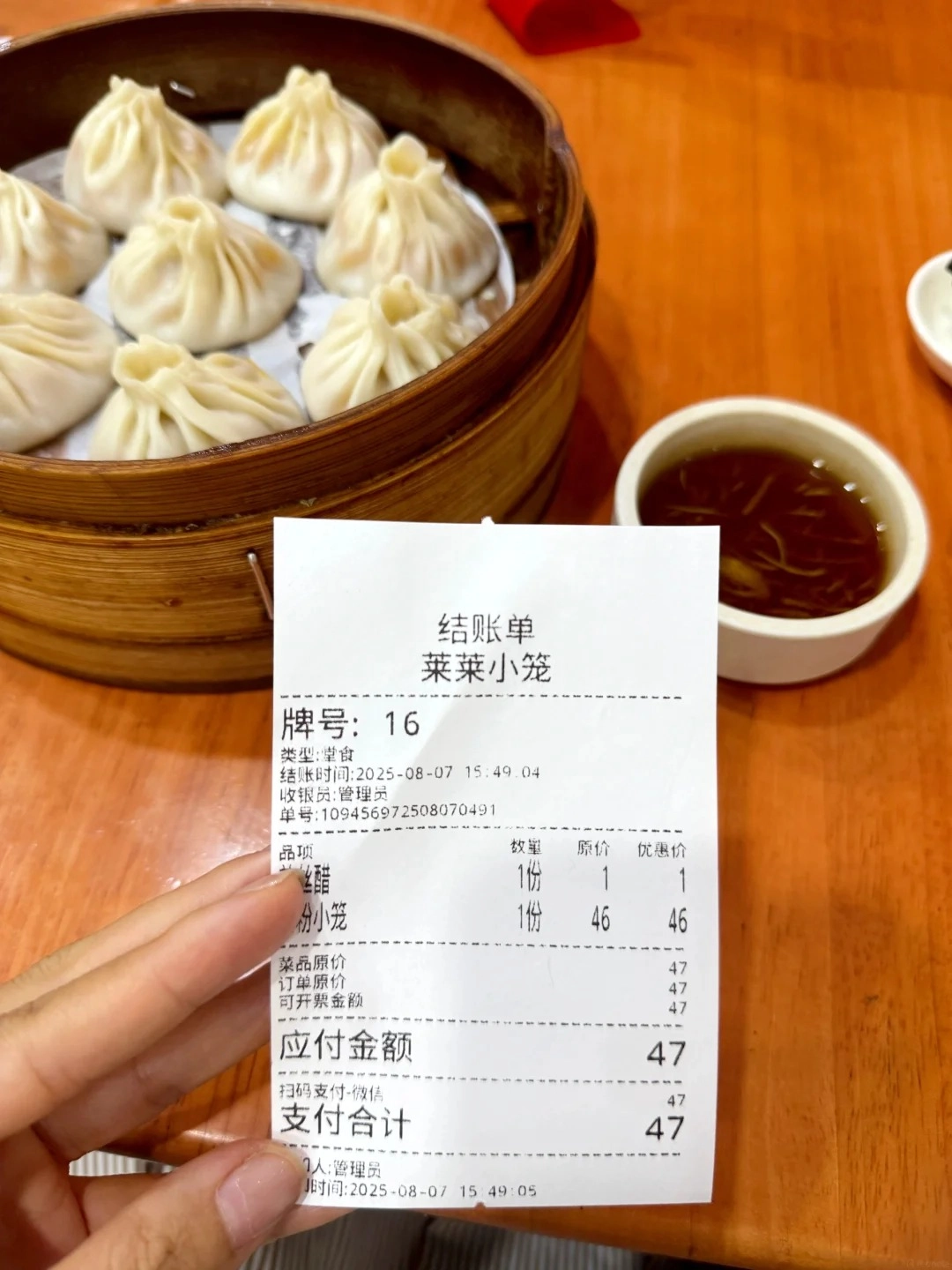
A receipt for xiaolongbao is held by a hand in front of a bamboo steamer basket filled with seven soup dumplings. A small bowl of dipping sauce is to the right.

The receipt shows that the order was for 1 serving of dumplings at 46 yuan, plus a small appetizer for 1 yuan, totaling 47 yuan (less than 7 USD). This is a delicious taste of Shanghai!

How to Eat Soup Dumplings (Without Burning Your Tongue)

Eating soup dumplings requires patience. If you pop a freshly steamed dumpling directly into your mouth, the 200-degree broth will instantly blister your palate. I learned this the hard way during my first morning in the humid, bustling French Concession.

  1. Lift Carefully: Use your chopsticks to gently grip the top knot (the pleats) of the dumpling. Dip the bottom lightly in Zhenjiang black vinegar and fresh ginger strands.
  2. The Spoon Transfer: Place the dumpling securely into your soup spoon. Do not try to eat it suspended in the air, or the delicate skin will tear.
  3. Bite and Sip: Nibble a tiny hole near the top or side of the wrapper. Blow gently, let the steam escape, and slurp the savory broth directly from the dumpling.
  4. The Final Bite: Once the soup is safely consumed, eat the remaining wrapper and meatball in one satisfying bite.

Insider’s Picks: Best Xiaolongbao in Shanghai

Jia Jia Tang Bao (The Local Standard)

Located near People’s Square, Jia Jia Tang Bao remains the gold standard for pure, unadulterated Shanghai-style dumplings. The line often wraps around the block by 8:00 AM. Expect a chaotic, elbow-to-elbow dining experience filled with the scent of steaming dough and loud chatter.

Insider Tip: Order the Crab Roe and Pork dumplings (蟹粉鲜肉小笼). They frequently sell out by noon, so arrive early. A basket costs around 35 RMB. You will need to order at the front register before finding a seat.

Lin Long Fang (The Neighborhood Gem)

If you want to avoid the massive tourist crowds, head to Lin Long Fang in the Hongkou District. The wrappers here are astonishingly thin, almost translucent, yet they rarely break when lifted. The broth is lighter and less sweet than the Wuxi-style dumplings found elsewhere.

At just 15 RMB a basket, this is where actual Shanghai residents eat before work. The aunties running the shop are brusque but incredibly efficient—have your translation app ready and know what you want when you reach the counter.

Is Nanxiang Mantou Dian Worth It?

Located right next to the Jiuqu Bridge in Yu Garden, Nanxiang Mantou Dian is in every guidebook. My honest advice? Skip the massive takeout line on the ground floor.

The ground-floor dumplings are often mass-produced and overly doughy to keep up with tourist demand. If you must eat here for the historical novelty, go upstairs to the dining room. You will pay a premium (around 60 RMB), but the quality is vastly superior, and you escape the suffocating summer humidity of the outdoor queue.
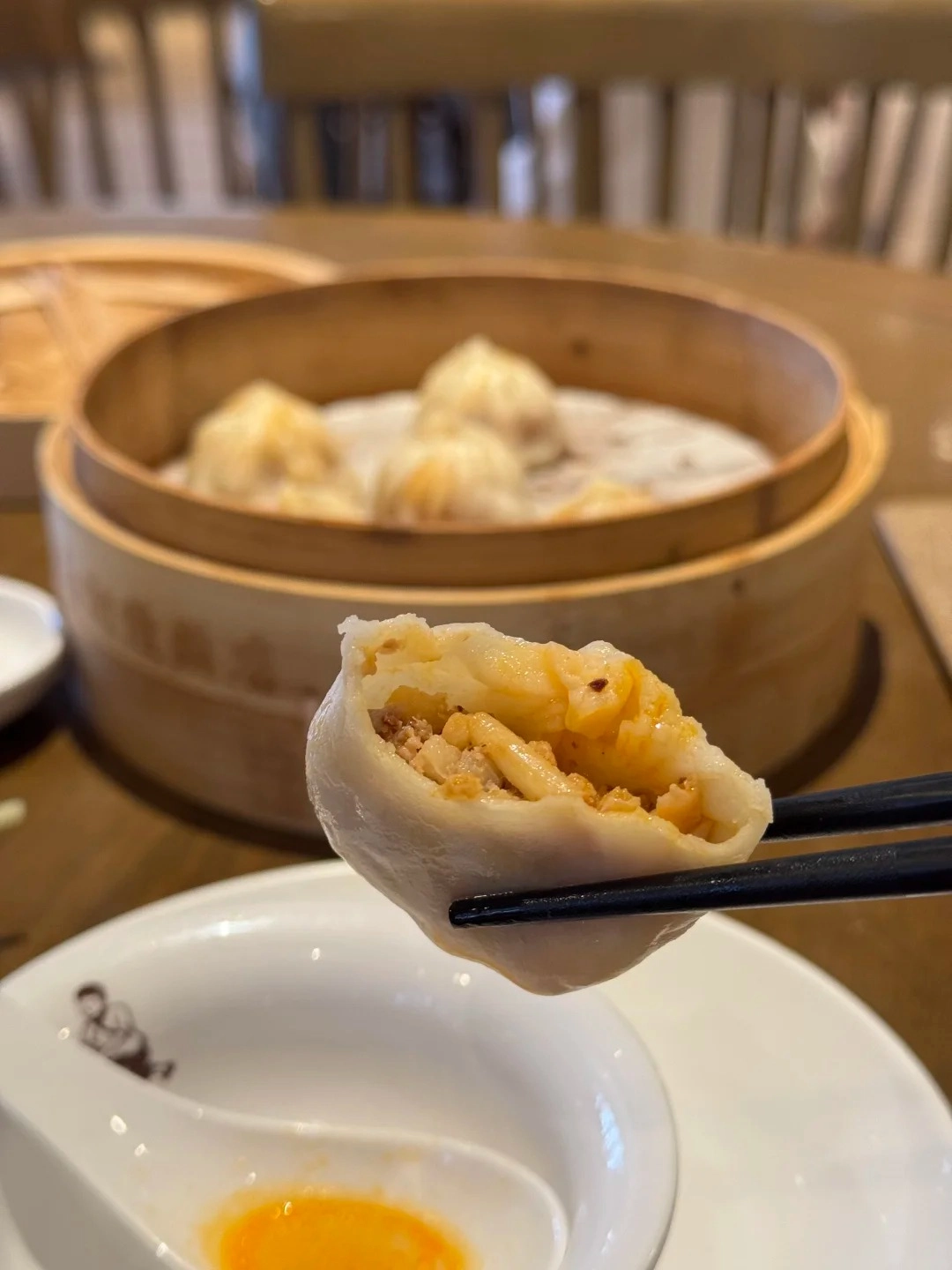
A close-up of a soupy xiaolongbao being held by black chopsticks over a white dish. The dumpling has a bite taken out of it, revealing its filling of minced meat and broth. In the blurred background, several more xiaolongbao are visible in a bamboo steamer.

Mastering the art of eating xiaolongbao is key to enjoying the burst of savory soup inside. This guide will show you the best way to savor every bite!

Navigating Logistics: Apps, Connectivity, and Payments

Staying Connected in China

You cannot navigate Shanghai’s winding alleys or translate menus without a reliable internet connection. Since Western apps like Google Maps and WhatsApp are blocked, you need a reliable workaround.

I highly recommend setting up an eSIM before you land.

💡 Editor’s Pick: We recommend Nomad eSIM for China because it reliably bypasses the Great Firewall with stable speeds.

This ensures you have immediate, uncensored data the moment you step off the plane at Pudong International Airport to hail a ride or map your route to the dumpling shop.

How to Pay for Street Food in 2026

Do not expect mom-and-pop dumpling shops to carry change for a 100 RMB note. China is a fully cashless society. As of 2026, foreign tourists can easily link a standard Visa or Mastercard to the Alipay or WeChat apps.

According to the official Alipay platform, transactions under 200 RMB are generally exempt from international transaction fees. Simply scan the vendor’s QR code taped to the table, type in the RMB amount, and show the server your green success screen.


Frequently Asked Questions About China Travel

Do I need cash for street food in China in 2026?

No, cash is largely obsolete in China. You should download Alipay or WeChat Pay and link your international credit card before you arrive to pay for street food and transit seamlessly.

To bypass the Great Firewall and access essential apps, you should purchase an eSIM before your arrival. This provides reliable, uncensored data the moment you land, allowing you to use maps and translation tools.

Use your chopsticks to lift the dumpling by the top knot into a spoon. Bite a small hole in the side, carefully sip the hot broth, add vinegar and ginger, and then eat the remaining dumpling.

It can be fast-paced, but it is manageable if you prepare your digital logistics in advance. Having a reliable translation app and your payment methods set up before you land will make your first trip much smoother.

Conclusion

Finding the perfect soup dumpling is one of the most rewarding culinary adventures you can have in China. Whether you are elbowing your way into Jia Jia Tang Bao or savoring the delicate crab roe at Lin Long Fang, remember to sip carefully and embrace the fast-paced local dining culture.

Ready to explore more of the city’s culinary scene? Book a local walking food tour in the French Concession, and don’t forget to read our complete guide to navigating the Shanghai Metro to help you digest all those dumplings!

Similar posts to this one

An elevated view looking down onto a wide, paved street running alongside a tall, ancient stone wall. Several yellow taxis and other vehicles are driving on the street, which is lined with pedestrians. A set of wide stairs leads up to the top of the wall where more people are walking. Beyond the wall, a large lake is visible with numerous small boats on it, and a city skyline in the distance under a hazy, pale sky.

Nanjing Street Food and Old City Walls: 2-Day Urban Exploration Guide

Many travelers speed right past China's former southern capital on the bullet train between Shanghai and Beijing. That is a [...]

A large table laden with dishes for hot pot dining. In the center is a steaming copper pot with a decorative yellow and blue base. Around it are platters of thinly sliced raw meats, including lamb and beef, arranged in circular patterns. Several skewers of small meat pieces and a bowl of dipping sauce are also visible. Various vegetables, including napa cabbage and purple cabbage, are placed in bowls. Bottles of drinks and stacks of tofu are on the table. In the background, traditional Chinese architecture with red lanterns and green vines can be seen, with people dining at tables.

Beijing Copper Pot Hot Pot: A Guide to Authentic Mutton Shabu-Shabu

When the biting winter winds sweep down from Siberia, locals know there is only one true way to thaw out: [...]

A wide shot of a traditional Chinese teahouse interior with high wooden beamed ceilings, hanging woven bamboo light fixtures, and numerous tables and chairs made of bamboo. People are seated at several tables, some dining and some drinking tea. Red banners with Chinese characters hang vertically from wooden pillars. A large mural depicting a landscape scene with birds is visible on the back wall.

Don't Tap the Table! A Foreigner's Guide to Chinese Teahouse Etiquette

Imagine sitting in a bamboo chair, the humid summer air thick with the scent of jasmine, while the rhythmic clinking [...]

Get the China Arrival Survival Kit

Planning a trip here has a steep learning curve. Join our newsletter and receive our free “Day One Checklist” covering everything from setting up Alipay and WeChat to bypassing the internet firewall.