


Getting to Zigong: High-Speed Trains and Logistics
As of 2026, China’s infrastructure makes reaching southern Sichuan incredibly easy, but you must have your digital logistics sorted before you arrive. Cash is rarely accepted, and foreign apps like Google Maps will not work without a workaround.
What is the 144-hour visa-free transit?
The 144-hour visa-free transit is an official Chinese immigration policy allowing eligible passport holders from 54 countries to enter specific regions, including Sichuan province, without a prior visa for up to six days, provided they hold a confirmed onward ticket to a third country.
Note: Always verify your specific itinerary eligibility via the official China National Immigration Administration website before booking flights.
Staying Connected: Do I need an eSIM?
Yes. To use essential Chinese apps like Alipay, WeChat, and Baidu Maps, you need mobile data that bypasses the Great Firewall. Relying on hotel Wi-Fi means losing access to translations and ride-hailing the moment you step outside.
💡 Editor’s Pick: We recommend Nomad eSIM for China because it reliably bypasses the Great Firewall with stable speeds.
How to Buy Train Tickets from Chengdu
According to the official 12306 China Railway policy, foreign travelers can book high-speed rail tickets using their passports. Trains depart from Chengdu East Station to Zigong Station several times a day.
Insider Tip: Book your tickets at least a week in advance during peak seasons. When you arrive at the station, you do not need a paper ticket; simply scan your physical passport at the automated turnstiles to board.
Day 1: Dinosaurs and Dazzling Lights
Start your first day by diving into Zigong’s prehistoric past, followed by its most famous modern export: illuminated silk lanterns.
The Zigong Dinosaur Museum
Built directly atop the Dashanpu excavation site, the Zigong Dinosaur Museum is arguably one of the best paleontological museums in the world. Unlike pristine, sterile western museums, this site smells faintly of damp earth and old dust, offering a visceral look at the Early and Middle Jurassic periods.
You can look down into the actual fossil pits where a mass flood swept hundreds of dinosaurs together. The star of the show is the Huayangosaurus taibaii, the most primitive stegosaur ever discovered.
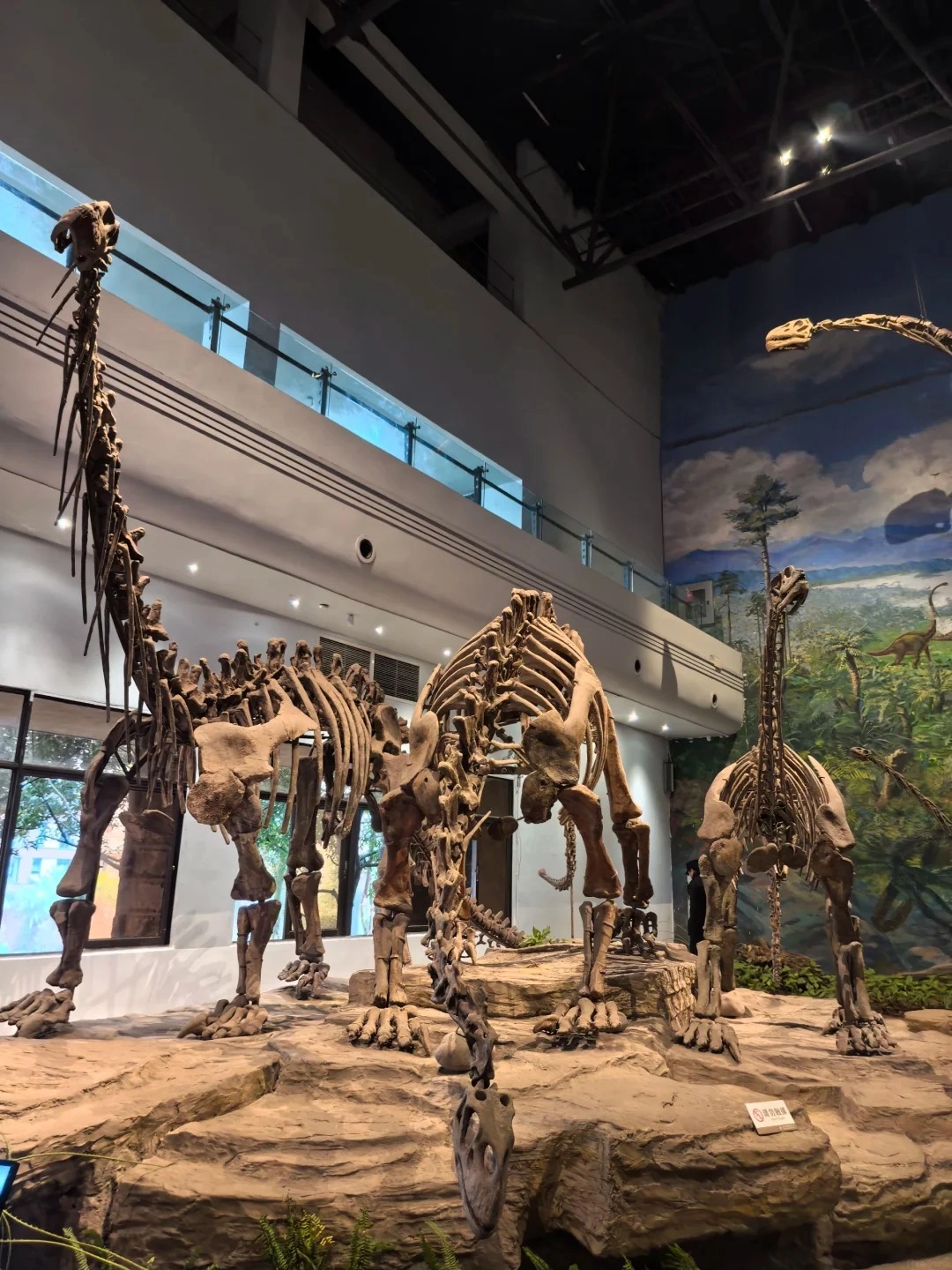
Step back in time at the Zigong Dinosaur Museum, where towering Apatosaurus skeletons like these offer a glimpse into Sichuan’s prehistoric past. It’s a must-see alongside the city’s famous salt industry and lantern festivals!
Entry is ¥40 for adults. What to Know Before You Go: Skip the ¥80 ticket that includes the 3D movie. The film is dated, poorly dubbed, and packed with screaming school children. Stick to the base ticket and spend your time marveling at the rare fossilized skin specimens instead.
The Zigong Lantern Festival
If you visit between late January and May, the Zigong Lantern Festival at Lantern Park (Caideng Gongyuan) is mandatory. Over 85% of China’s modern lanterns are crafted by Zigong artisans. The park transforms into a neon dreamscape of floating palaces, glowing mythical beasts, and sprawling Milky Way installations.
Be prepared for intense crowds. You will be shoulder-to-shoulder with domestic tourists, smelling the rich scent of spicy grilled skewers and hearing the constant hum of awe. Bring a bottle of Nongfu Spring water (usually ¥2 at local stalls) as drinks inside the park are heavily marked up.
Day 2: The Salt Capital’s Gritty History
Before refrigeration, salt was more valuable than gold. Zigong’s wealth was built entirely on this mineral, and the remnants of this booming 19th-century industry are fascinating to explore.
Shenhai Salt Well
Take a DiDi (roughly ¥15 from the city center) to the Shenhai Salt Well. Built in 1835, this was the world’s first well to exceed 1,000 meters in depth. It remains a working salt mine today, utilizing traditional percussion drilling techniques.
For a ¥22 entry fee, you can watch the massive, creaking 20-meter wooden derrick in action. The air here is thick with the smell of brine and boiling cauldrons as workers still evaporate the salt using natural gas extracted from the very same well.
Wangye Temple and Riverside Teahouses
After exploring the ornate 1736 Salt Industry History Museum, take a 10-minute stroll down to the murky green waters of the Fuxi River. Your destination is Wangye Temple, a century-old guild hall built by boatmen to ensure safe passage for salt shipments.
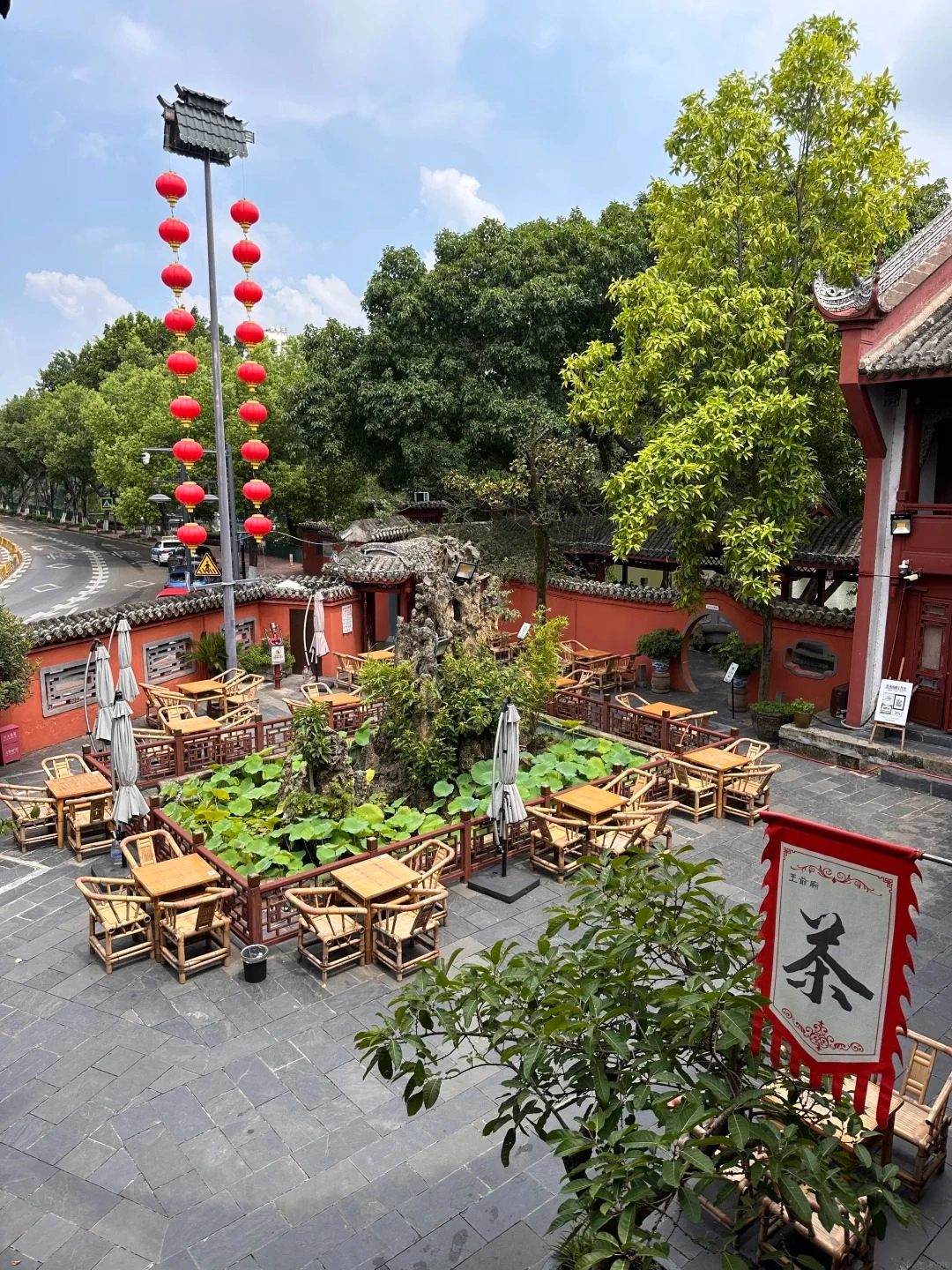
Take a moment to relax and enjoy some traditional tea at Wangye Temple, a perfect way to experience the local culture after exploring Zigong’s unique attractions.
Today, it houses Zigong’s most atmospheric teahouse. Pay ¥15 for a cup of jasmine tea. Sit in a bamboo chair, listen to the clinking of porcelain lids, and watch the river flow by. It is the perfect place to rest your legs and soak in the slow pace of southern Sichuan life.
Is it Worth It? A Brutally Honest Assessment
Zigong is not polished. You will encounter squat toilets, a lack of English signage, and thick, humid weather if you visit in the summer. If you require luxury resorts and English-speaking guides at every turn, this city might frustrate you.
However, if you crave unfiltered Chinese culture, Zigong delivers. The food here—specifically the fiery, flavor-packed Salt-trade cuisine (Yānbāng cài)—is exceptional. Head to a local spot like 168 Family Restaurant and order the shuǐzhǔ niúròu (beef blanched in fiery oil). It will numb your lips and ruin you for westernized Chinese food forever.