


Understanding Xinjiang Travel Permits & Visas in 2026
What is the 144-hour visa-free transit?
The 144-hour visa-free transit allows eligible passport holders to explore specific Chinese regions for up to six days without a standard tourist visa. However, Xinjiang is currently excluded from this policy. You must apply for a standard tourist visa to visit.
To secure your standard “L” Tourist Visa, apply through the official Chinese Visa Application Service Center. Once you arrive in Kashgar, the real hurdle is the Tashkurgan Border Permit. If you are a foreign passport holder, your driver must register you at the Kashgar Administrative Service Center. Do not attempt to bypass the Gez Checkpoint without this paperwork; heavily armed guards will turn you around immediately.
Digital Survival: Connectivity and Payments
Xinjiang’s internet is rigorously monitored, and relying on public hotel Wi-Fi is a rookie mistake. To use Google Maps, WhatsApp, and crucial translation apps on the road, you need a reliable eSIM that routes your data outside the Great Firewall.
💡 Editor’s Pick: We recommend Nomad eSIM for China because it reliably bypasses the Great Firewall with stable speeds.
For payments, the physical RMB note is essentially extinct. A bottle of water at a highway rest stop costs 3 RMB, and the vendor will expect you to scan a QR code. Download Alipay and bind your Visa or Mastercard before your flight. Verify your identity in the app to avoid sudden account freezes at rural checkpoints.
Route Logistics: Getting from Urumqi to Kashgar
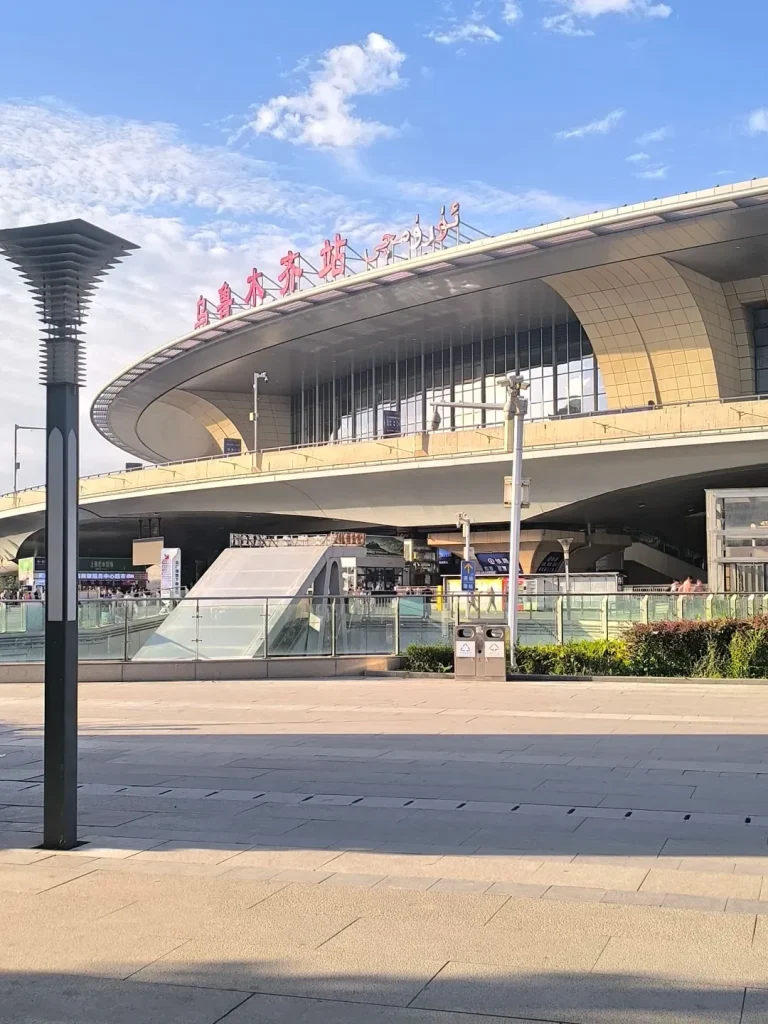
Urumqi is the gateway, but Kashgar is the soul of the region. The distance between them is vast—over 1,400 kilometers. Flying is the fastest option (about two hours), but taking the train offers an unmatched visual transition from the Tianshan mountains to the Taklamakan Desert.
According to the official 12306 China Railway policy, foreign travelers can now seamlessly book e-tickets using their passport numbers. Book a soft sleeper on the overnight train (approx. 400-500 RMB). The rhythmic clacking of the tracks and the shared thermoses of green tea with local Uyghur families make the 14-hour journey worthwhile.
The Pamir Highway: Kashgar to Karakul Lake
The drive from Kashgar to Karakul Lake via the Karakoram Highway takes about four hours. You have two realistic options: negotiating a shared taxi or hiring a private car.
Shared taxis congregate near the Kashgar International Auto Station. Expect to pay around 150 to 200 RMB per seat. Be prepared for a cramped ride filled with the smell of strong local tobacco and the chaotic beauty of Uyghur pop music blasting from the stereo.
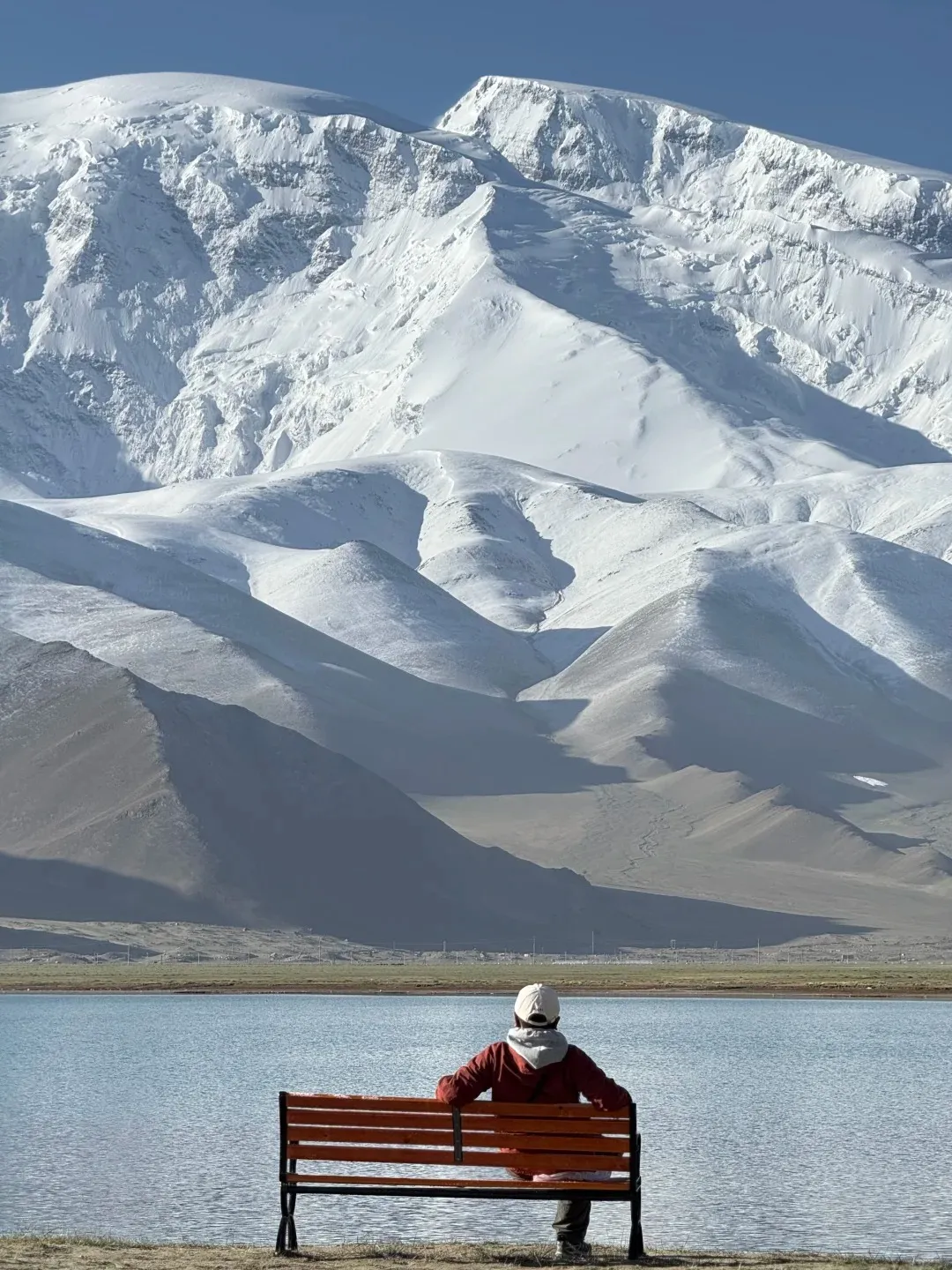
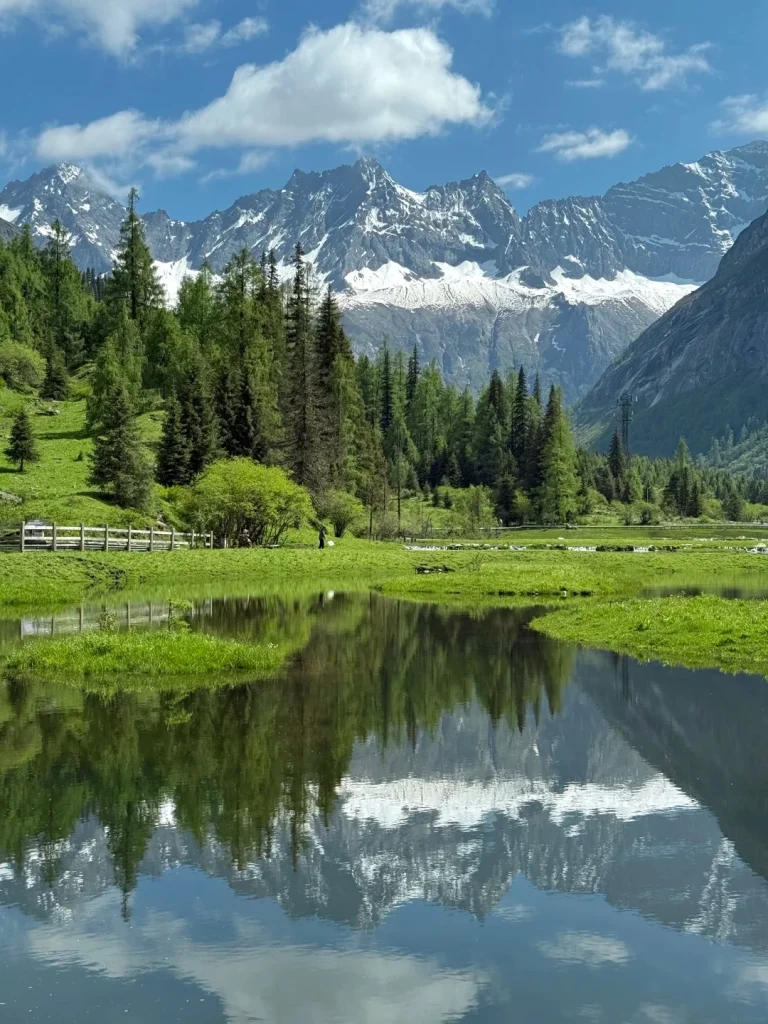
Take a moment to soak in the incredible panorama of Karakul Lake and the majestic Muztagh Ata mountain – an unforgettable highlight along the Pamir Highway during your Xinjiang road trip.
If you prefer to stop for photos at the stunning White Sand Lake (Baisha Lake), hire a private driver through your Kashgar hotel. A private SUV typically costs 800-1,000 RMB for the day. Negotiate the itinerary clearly, as drivers are strict about returning before the mountain roads ice over at dusk.
Insider Tip: What to Know Before You Go
Many generic itineraries push a visit to Urumqi’s Heavenly Lake (Tianchi). Skip it. It is heavily commercialized, packed with megaphone-wielding tour guides, and charges exorbitant mandatory shuttle fees. Save your mountain awe for Karakul Lake, where the silence is broken only by grazing yaks and the wind off Muztagh Ata.
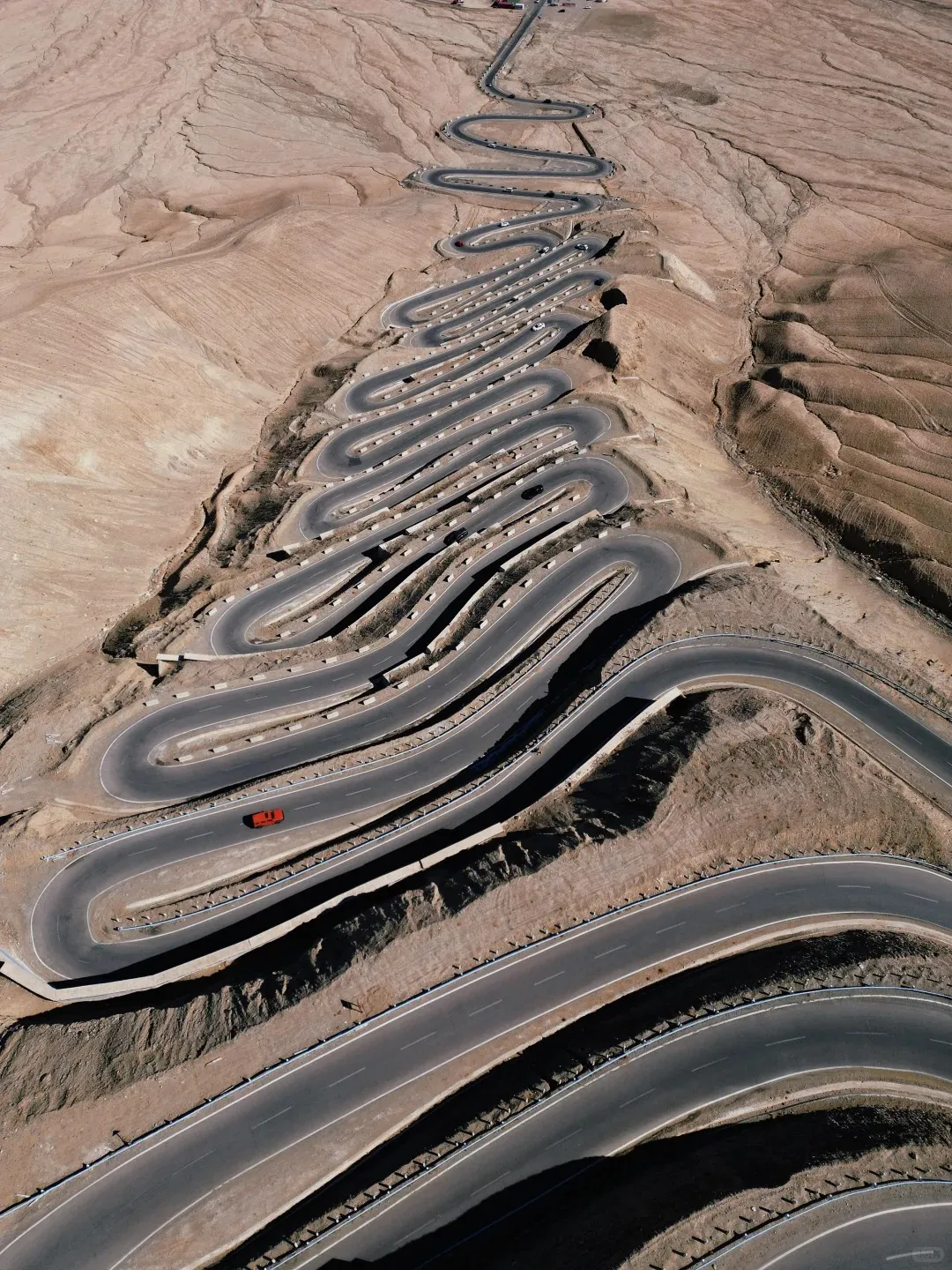
Prepare for an exhilarating drive through Xinjiang’s dramatic landscapes! Sections of the Pamir Highway, like these incredible switchbacks, are a testament to engineering prowess and offer some of the most memorable stretches of any road trip, connecting Urumqi to Karakul Lake.
Another crucial reality: security checkpoints are relentless. You will be asked to exit your vehicle, scan your face, and present your passport multiple times. Keep your passport in an accessible jacket pocket, not buried in your backpack. Patience is mandatory; arguing with border police over a 20-minute delay is a guaranteed way to ruin your trip.
Packing for High-Altitude Volatility
The weather on the Pamir plateau is violently unpredictable. You might leave Kashgar in 35°C (95°F) heat and arrive at Karakul Lake in a freezing sleet storm. Layering is your only defense against the elements.
- Windproof outer shell: Essential for the biting winds off the glacial lakes.
- Thermal base layers: Pack merino wool for moisture-wicking warmth.
- Squat toilet essentials: Always carry your own tissue paper and hand sanitizer; highway rest stops are notoriously bare-bones and pungent.
- High-calorie snacks: Stock up on local nang flatbread and dried apricots at the Kashgar bazaar before heading into the mountains.