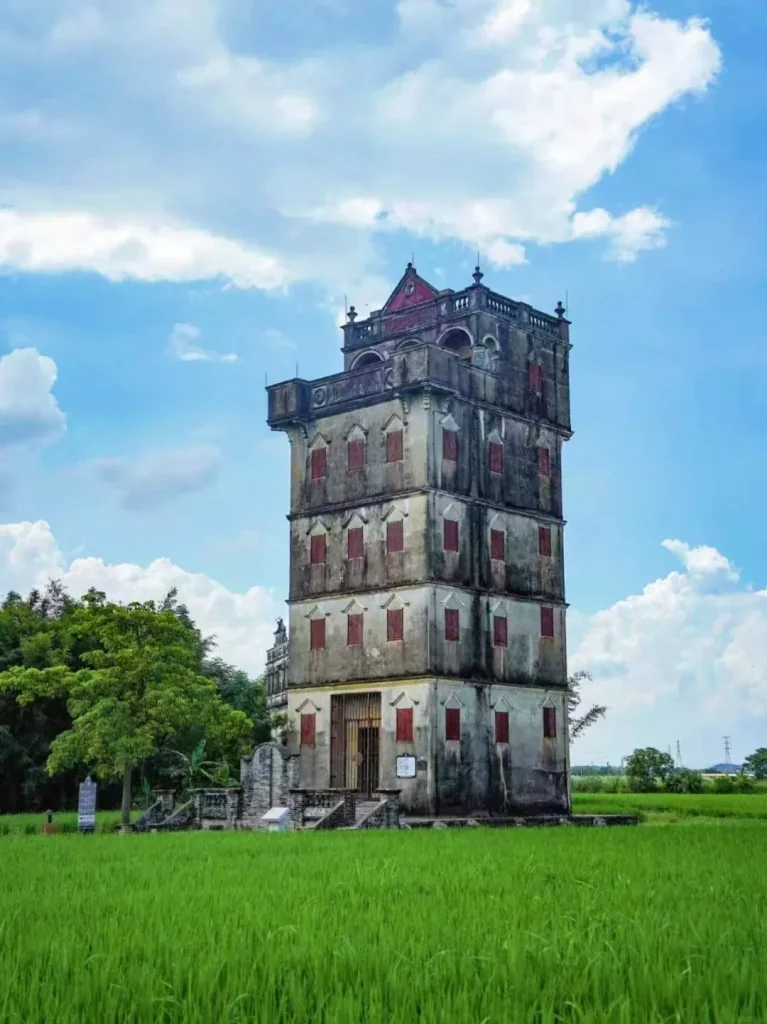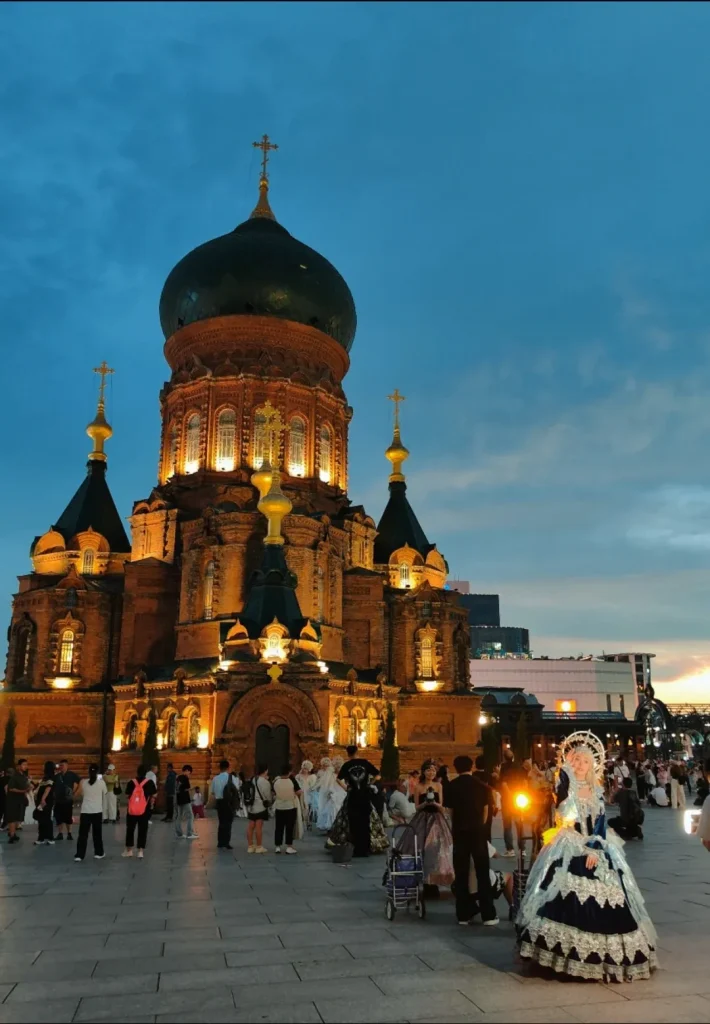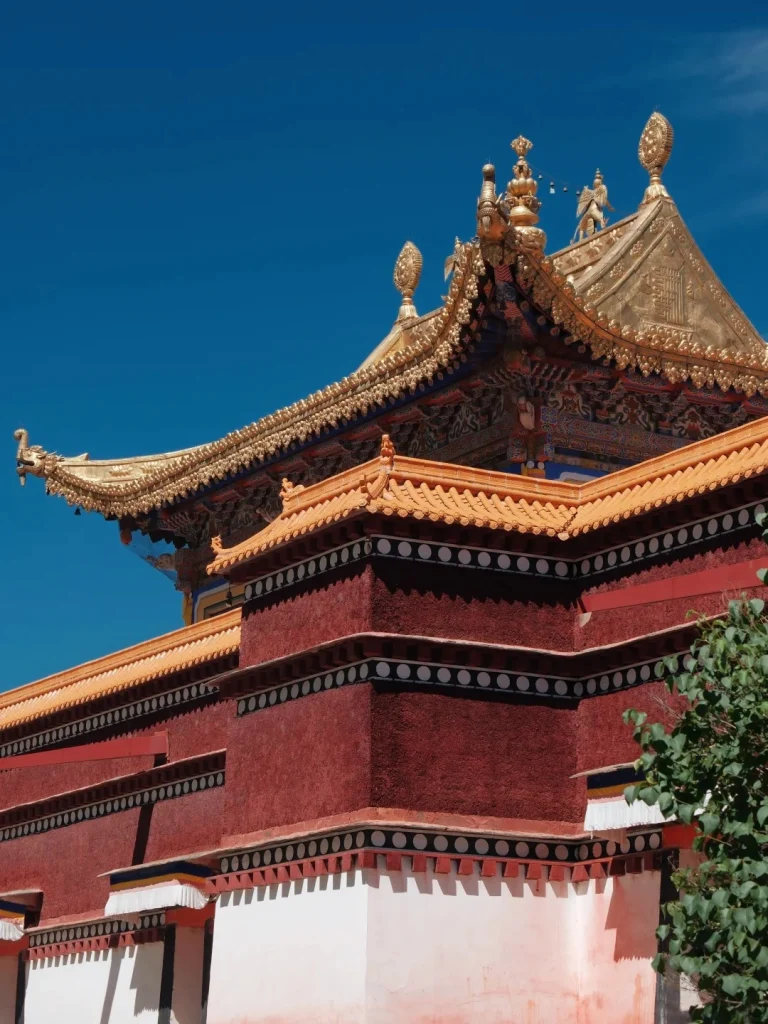



What is the 144-Hour Visa-Free Transit?
The 144-hour visa-free transit is an official Chinese immigration policy allowing eligible passport holders to explore specific regions, including Chongqing and Shanghai, for up to six days without a pre-approved visa, provided they hold confirmed onward flight tickets to a third country.
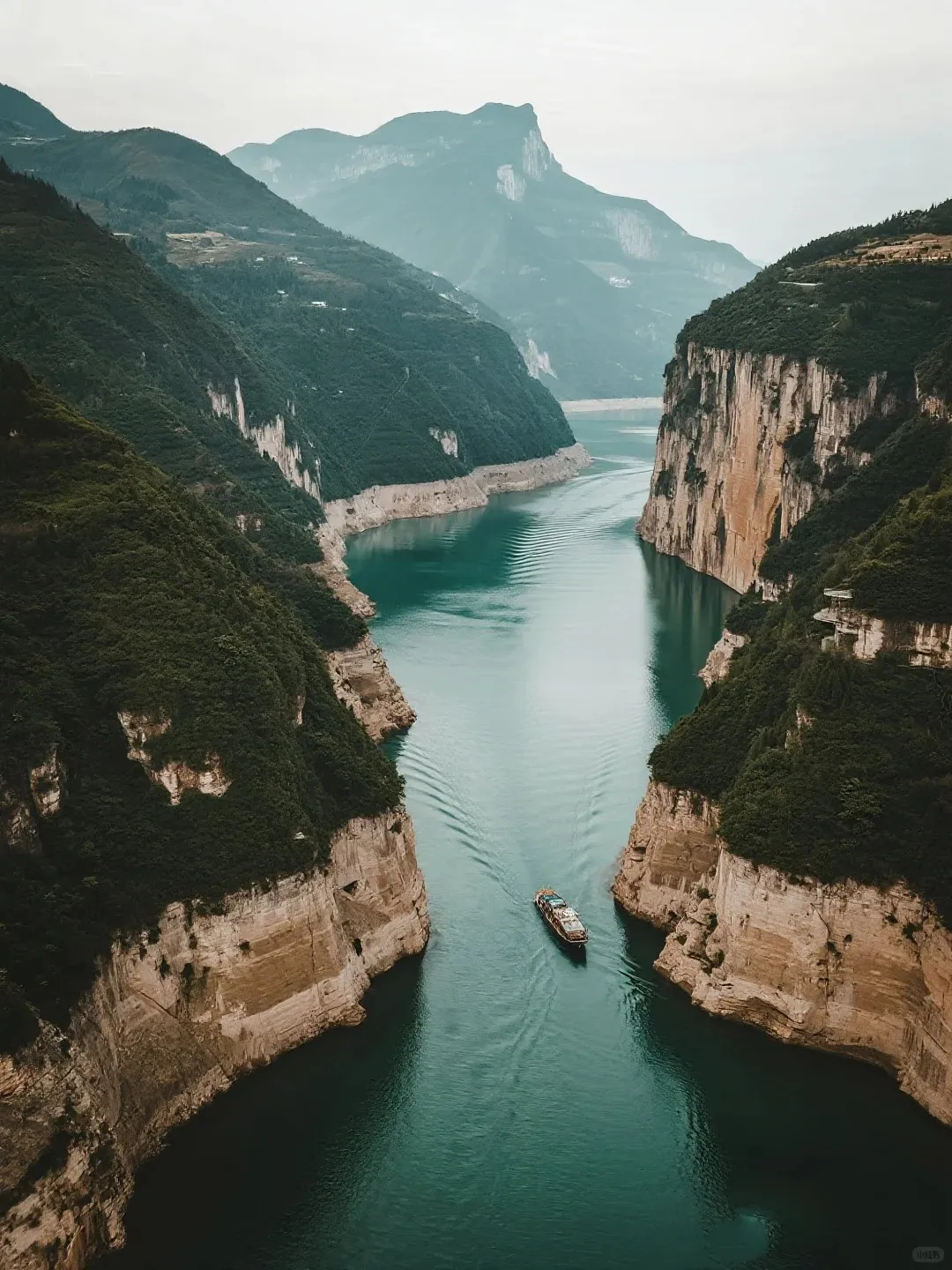
The breathtaking majesty of the Yangtze’s legendary gorges, like this view of a cruise ship navigating Qutang Gorge, is best experienced from the water. Our comprehensive guide simplifies choosing the ideal vessel and itinerary for your unforgettable journey.
Upstream vs. Downstream: Decoding the Routes
The most classic Yangtze journey runs between the megacity of Chongqing and the dam-city of Yichang. You have two choices: sail downstream (4 days, 3 nights) or upstream (5 days, 4 nights). Both routes cover the exact same scenic spots, including the iconic Qutang and Wu Gorges.
What to Know Before You Go: Always book the downstream route if your itinerary allows. You will board at the Chaotianmen dock in Chongqing just as the city lights up. The air smells heavily of spicy mala hotpot from nearby street vendors, setting an unforgettable scene as you pull away from the dock.
Upstream journeys fight the current, making for a slower trip. While some retirees prefer the extra day of relaxation, the downstream pace feels much more dynamic for the average traveler.
Navigating the Ports and Booking Train Tickets
Getting to your departure port requires navigating China’s massive high-speed rail network. Do not rely on third-party scalpers. According to the official 12306 China Railway platform, you can now book bullet train tickets seamlessly using your foreign passport up to 15 days in advance.
Arriving at Chongqing’s Chaotianmen dock can be a sweaty, chaotic experience. The humidity is intense, and the steep concrete stairs down to the water are unforgiving. Hire a local “bang-bang” porter (men carrying bamboo poles) for about 20-30 RMB to carry your heavy luggage down the steps. It is worth every penny.
Connectivity & Payments: Staying Online in the Gorges
As your ship carves through the sheer limestone cliffs of the Three Gorges, you will quickly realize that the onboard Wi-Fi is practically non-existent. To keep Alipay functioning, translate menus, and share photos, you need an eSIM that bypasses local network restrictions.
💡 Editor’s Pick: We recommend Nomad eSIM for China because it reliably bypasses the Great Firewall with stable speeds.
Cash is no longer king in China, but a Yangtze cruise is the one place you should carry it. A bottle of Nongfu Spring water costs about 3 RMB at a dockside stall, but ships will charge you 15 to 20 RMB once you set sail. Having crisp RMB notes is also helpful for tipping the local guides on smaller shore excursions.
Selecting the Right Ship and Cabin in 2026
The Yangtze fleet has upgraded significantly over the last few years. Ships like the Century Glory and Victoria Jenna offer five-star floating hotel experiences. However, not all cabins are created equal.
Insider Tip: Never book a cabin on the first or second passenger deck. The persistent diesel hum and deep vibration from the engine room will ruin your sleep. Pay the slight premium to upgrade to deck three or higher, and always ensure your room has a private balcony.
When it comes to dining, most standard cruise packages include buffet meals. They are plentiful but cater heavily to domestic tastes. If you crave quieter dining and better coffee, upgrade to the VIP dining room upon check-in—usually an extra $50-$70 USD for the entire trip.
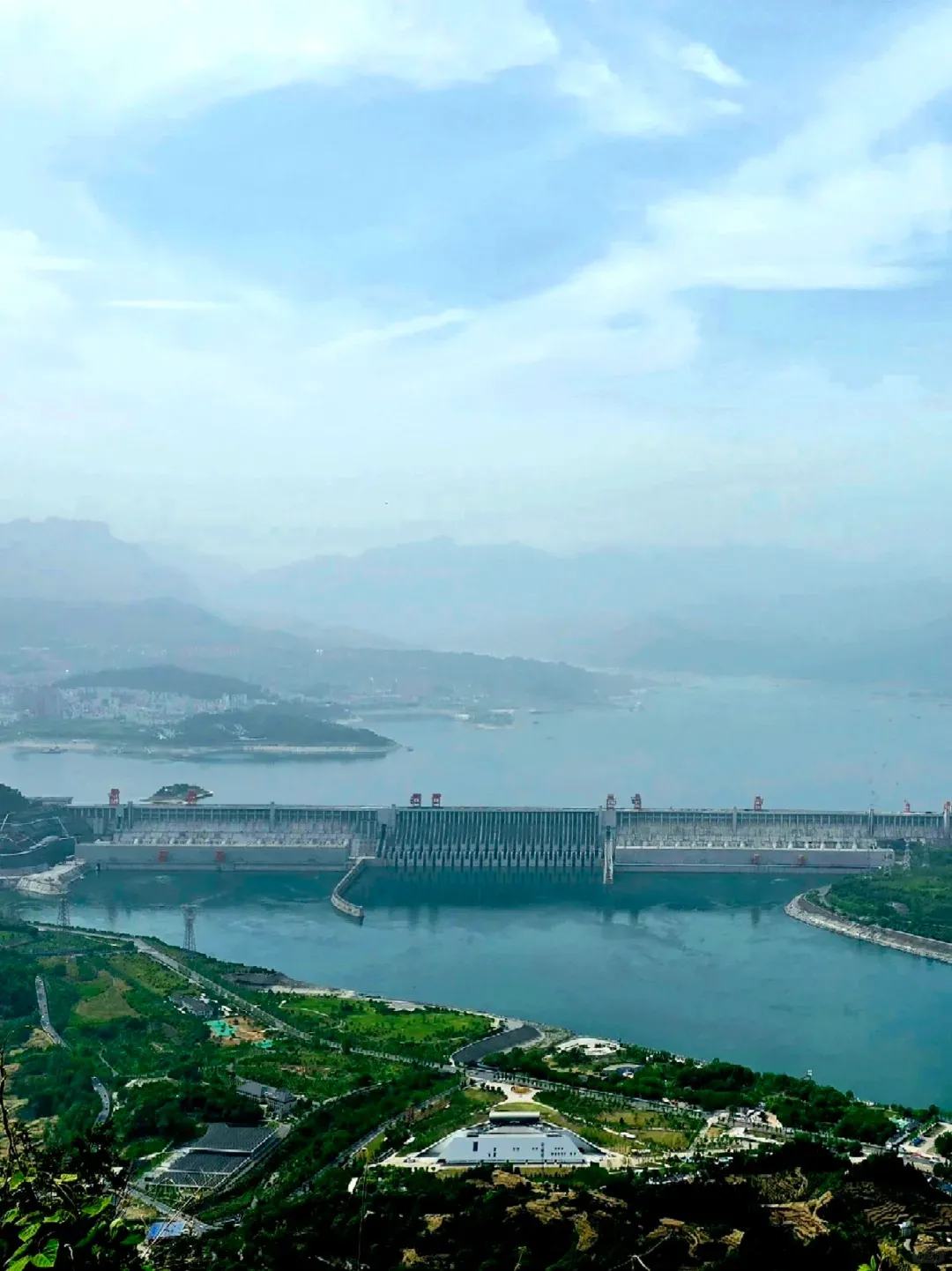
A defining feature of any Yangtze River cruise, the Three Gorges Dam is the largest hydroelectric power station in the world. Its immense scale, best appreciated from elevated viewpoints like this, offers a profound perspective on human engineering during your journey.
Real Talk: Excursions You Should Skip
Every day, your ship will dock for shore excursions. Some are included, while others are optional add-ons pushed heavily by the cruise director. The included trip to the Three Gorges Dam is mandatory for the sheer scale of the engineering, but brace yourself for massive crowds and the deafening buzz of summer cicadas.
Is the Ship Lift Worth It? The optional “Ship Lift” tour costs an extra 290 RMB and is entirely overrated. You spend most of your time standing in a sweltering, crowded elevator box waiting for the water to rise. Skip it, stay on the ship’s sun deck, and enjoy the rare moment of peace while 90% of the passengers are gone.
Conversely, do not miss the Shennong Stream small-boat excursion. Transferring to a traditional wooden sampan takes you away from the main river’s muddy waters into crystal-clear, narrow tributaries where the sheer scale of the gorges truly surrounds you.