



What is the legal status of LGBTQ+ rights in China?
Homosexuality has been completely legal in China since 1997 and was officially declassified as a mental illness in 2001. However, same-sex marriage remains unrecognized, and 2026 broadcasting regulations heavily restrict queer representation in mainstream media. The overarching official stance is “no approval, no disapproval, no promotion.”
Safety, Street Smarts, and Cultural Attitudes
China is arguably one of the safest countries in the world for travelers. You can walk down a dimly lit alley in Beijing at 2:00 AM to buy a 15 RMB (about $2 USD) jianbing (street crepe) without looking over your shoulder. The heavy presence of CCTV and strict public security laws mean street harassment or hate crimes are virtually nonexistent.
However, social conservatism dictates public behavior. Public displays of affection are highly uncommon for both straight and queer couples. While you will frequently see same-sex friends linking arms or holding hands—a standard platonic gesture in Chinese culture—romantic kissing or overt PDA will draw intense, lingering stares.
What to Know Before You Go: If you are traveling to rural areas or smaller tier-three cities, locals may stare at you simply because you are a foreigner. Do not mistake this general curiosity for homophobia. A polite smile and a nod are usually all it takes to break the ice.
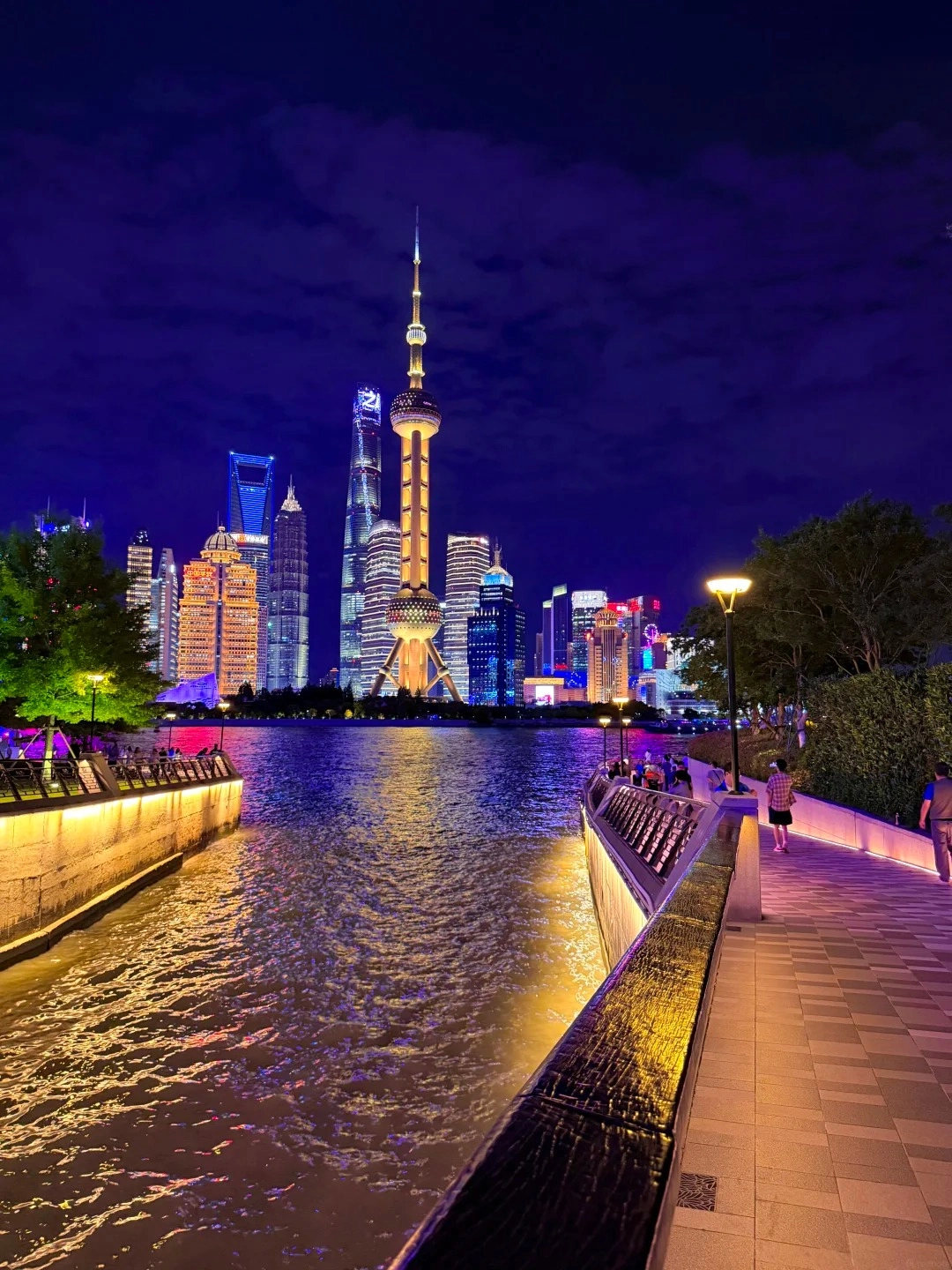
Shanghai’s Lujiazui skyline, a dazzling spectacle of modern architecture, offers a vibrant backdrop for evening strolls along the Huangpu River. While the city’s LGBTQ+ scene is not as openly visible as in some Western cities, exploring its dynamic nightlife and cultural areas can still be an enriching experience for travelers.
The Queer Scene: Where to Go in 2026
Shanghai: The Sophisticated Hub
Shanghai remains the most cosmopolitan city in China, with a resilient queer community. Most of the action is centered around the tree-lined streets of the former French Concession (FFC). You won’t find massive neon signs advertising gay bars; instead, venues operate as chic cafes by day and lively, inclusive lounges by night.
Is it Worth It? Skip the heavily promoted, overpriced mega-clubs on the Bund. You will pay upwards of 130 RMB for a watered-down cocktail, and the crowd is mostly transient tourists. Instead, navigate the smaller, intimate speakeasies around Julu Road and Fumin Road, where the actual local LGBTQ+ community gathers.
Chengdu: China’s Unofficial Gay Capital
Chengdu is famous for giant pandas, numbing Sichuan spice, and a famously laid-back, inclusive culture. Often dubbed “Gaydu” by locals, this city is incredibly welcoming. The Yulin neighborhood is packed with independent boutiques, craft beer bars, and a heavily queer-leaning demographic.
Logistics: Connectivity, Apps, and Payments
You cannot survive in modern China without a smartphone. Because of the Great Firewall, western apps like Google Maps, WhatsApp, Instagram, and Grindr are entirely blocked on local Wi-Fi networks. To stay connected and access your usual apps, you must purchase a travel eSIM before you land.
💡 Editor’s Pick: We recommend Nomad eSIM for China because it reliably bypasses the Great Firewall with stable speeds.
For dating and networking, local apps dominate. Blued is the most popular app for gay men, while LesPark and The L are the go-to platforms for queer women. Just remember that digital privacy in China is different; assume your data on local apps is not entirely private.
Cash is nearly obsolete. You must download Alipay or WeChat Pay and link your foreign Visa or Mastercard before arriving. You will use these apps to scan QR codes for everything from a high-speed train ticket to a 3 RMB bottle of Nongfu Spring water at a FamilyMart.
What is the 144-hour visa-free transit?
The 144-hour visa-free transit policy allows citizens from 54 eligible countries to explore specific Chinese regions (like Shanghai, Beijing, or Chengdu) for up to six days without a pre-approved visa. According to the official China National Immigration Administration, you must hold a valid passport and a confirmed onward ticket to a third country.
Booking Hotels as a Same-Sex Couple
Booking accommodation is surprisingly straightforward. Hotels in China do not police your relationship status. When you check in, the front desk is solely focused on scanning your passport and visa to register you with the local Public Security Bureau (PSB)—a mandatory legal requirement for all foreigners.
If you book a single king bed, no one will bat an eye or ask uncomfortable questions. For the most seamless experience, stick to international brands like Marriott, W Hotels, or Intercontinental, which have global diversity training. If booking boutique stays, use Trip.com, as it filters for hotels that are legally licensed to accept foreign guests.

Experiencing the serene ritual of a traditional Chinese tea ceremony is a must-do when exploring the rich cultural landscape of cities like Chengdu. It’s in these moments of shared tradition and quiet reflection that one can truly connect with the heart of China, and find welcoming spaces regardless of identity.