



What is the 144-Hour Visa-Free Transit?
The 144-hour visa-free transit is an official Chinese immigration policy allowing citizens from 54 eligible countries to explore specific regions of China for up to six days without a pre-approved visa, provided they hold valid travel documents and a confirmed onward flight ticket to a third country.
The End of ‘Foreigner-Only’ Hotels: What Changed?
For years, backpackers and independent travelers faced a frustrating reality: arriving at a budget hotel only to be told, “We cannot accept foreigners.” This wasn’t xenophobia; it was a software issue. Local guesthouses lacked the specific Public Security Bureau (PSB) system required to scan international passports.
As of 2026, the government has streamlined this process to boost inbound tourism. According to joint directives from the Ministry of Public Security and the Ministry of Commerce, hospitality venues must accommodate international travelers. Hotels are now equipped with updated apps that allow them to easily photograph and register foreign passports.

This opulent hotel reception exemplifies the modern hospitality landscape in China. As you plan your 2026 trip, understanding evolving ‘foreigner-friendly’ policies will ensure your stay, from check-in to check-out, is effortless and welcoming for international guests.
Choosing the Right App: Trip.com vs. Western Platforms
When securing accommodations, delete your assumptions about global booking giants. While platforms like Booking.com and Agoda work perfectly for international luxury chains (like Marriott or Hilton) in Tier-1 cities, their inventory in smaller Chinese cities is abysmal.
Trip.com (the international version of China’s Ctrip) is your best friend. It offers the largest inventory of domestic hotels, competitive pricing, and 24/7 English customer service. More importantly, listings on Trip.com accurately reflect which properties are accustomed to handling international guests.
What to Know Before You Go: Map Your Address
Never book a traditional “hutong” courtyard blindly on a Western app. I once dragged my suitcase over uneven cobblestones for an hour in Beijing’s stifling summer heat, only to realize the “boutique hotel” didn’t exist on local maps. Always cross-reference the Chinese address on Baidu Maps or Amap (Gaode) before booking.
Staying Connected: Navigating the Great Firewall
To use local map apps, hail a DiDi, and translate conversations with hotel staff, you need reliable mobile data from the moment you land. Because hotel Wi-Fi will block Google, WhatsApp, and Instagram, I highly recommend installing an eSIM before you depart.
💡 Editor’s Pick: We recommend Nomad eSIM for China because it reliably bypasses the Great Firewall with stable speeds.
Relying on public networks is a rookie mistake. A solid eSIM bypasses the firewall seamlessly, ensuring you can pull up your booking confirmation emails without staring at a loading screen in the lobby.
The Check-In Reality: Passport Registration Explained
When you arrive at the front desk, expect the receptionist to ask for your physical passport. Digital copies or driver’s licenses will not work. This is a strict legal requirement, not a hotel preference.
You will hear the distinct mechanical whir of the passport scanner, and you’ll likely be offered a paper cup of hot water or floral jasmine tea while you wait. The process usually takes under ten minutes.
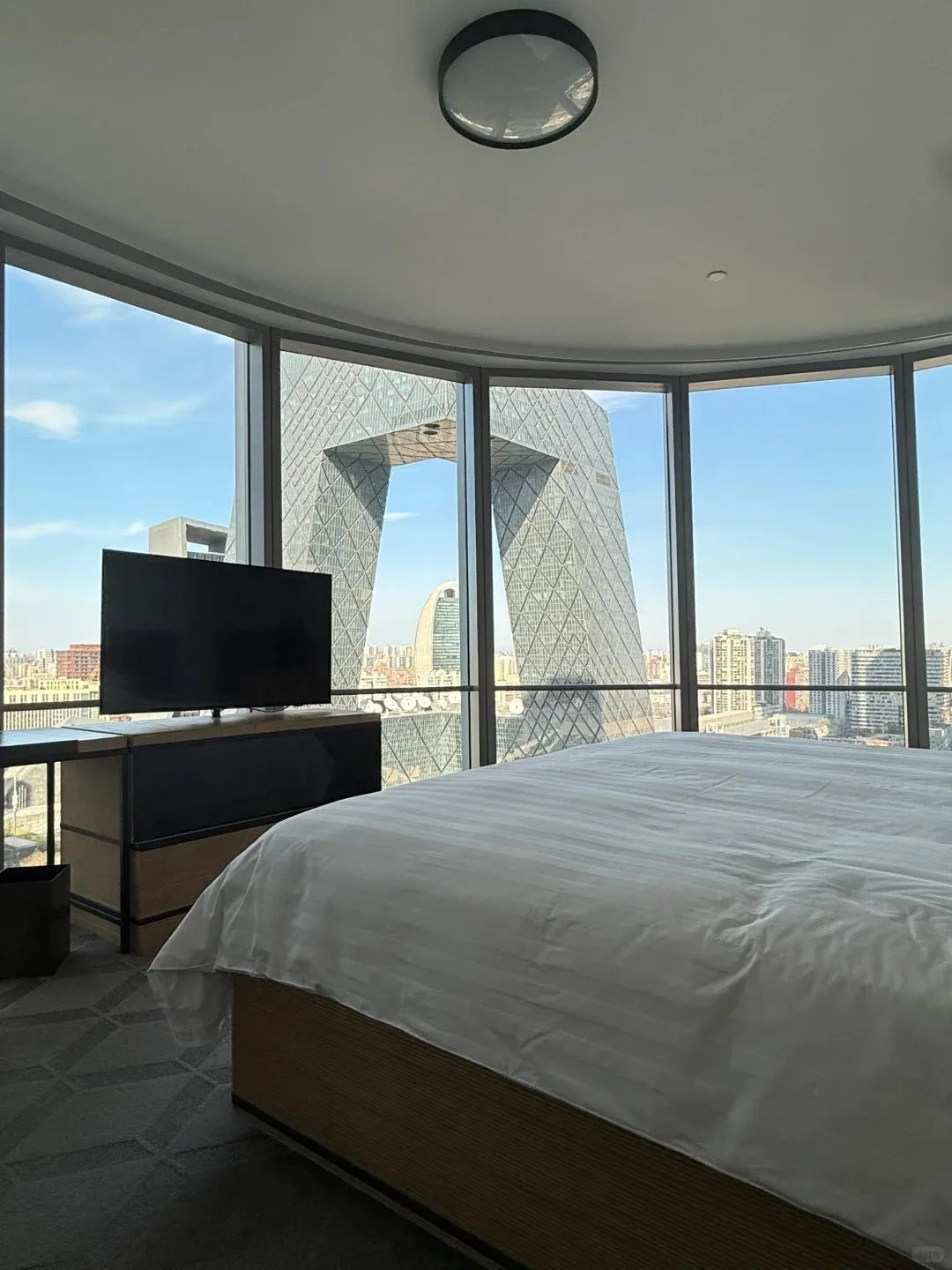
Wake up to breathtaking views like Beijing’s iconic CCTV Headquarters. As you plan your 2026 trip to China, knowing which hotels are ‘foreigner-friendly’ will ensure a stay as seamless as this stunning vista.
The staff will print a Temporary Residence Registration Form. Keep this slip! If you lose your passport or need to apply for a visa extension at the Exit-Entry Administration, this piece of paper is mandatory.
Payment Logistics: Cash, Credit Cards, and Mobile Pay
Forget swiping your Chase Sapphire or Amex card. Outside of 5-star international chains, point-of-sale machines only accept local UnionPay cards. If you step outside to grab a bottle of Nongfu Spring water from a convenience store, expect to pay exactly 2 to 3 RMB—and expect to pay it with your phone.
You must set up Alipay or WeChat Pay and bind your foreign credit card before your trip. When checking into a hotel, you will be asked for a room deposit (usually 300 to 500 RMB). Mobile pay makes this instant and painless, and the refund hits your account the second you check out.
Insider Tip: Skip the Western Chains
Many foreigners default to Western hotel brands for peace of mind, but they severely overpay for a sterile experience. Instead, look for premium domestic chains like Atour or Crystal Orange. They offer smart-rooms, robot delivery to your door, and exceptional service at half the price of a standard international business hotel.