


The Reality of Dining in China with Dietary Restrictions
Walking into a local noodle shop in Chengdu, you are immediately hit with the sharp, pungent aroma of garlic, sizzling chilies, and the chaotic din of a crowded dining room. It is a sensory thrill, but for allergy sufferers, it is also a minefield. Cross-contamination is the biggest risk you will face.
In many traditional Chinese kitchens, chefs use the same woks and utensils for multiple dishes, simply rinsing them with a ladle of hot water between orders. If you have an anaphylactic allergy to shellfish or peanuts, a simple verbal warning to a busy waiter is never enough.
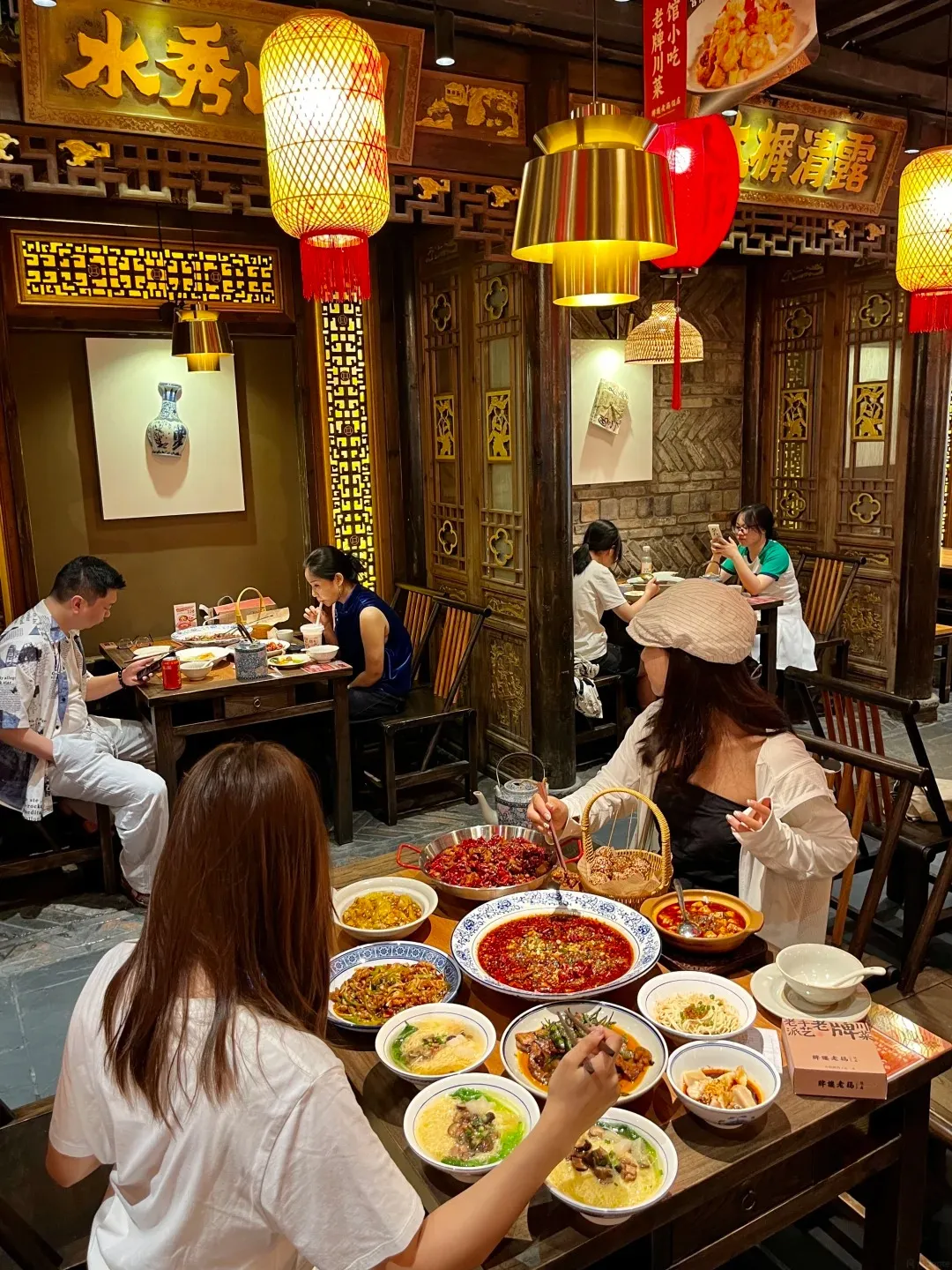
The vibrant flavors of Sichuan cuisine, like these family-style dishes, are a highlight of dining in China. While delicious, a spread like this can pose unique challenges when managing severe food allergies – making clear communication and preparation essential for a safe meal.
Insider Tip: Skip the Famous Snack Streets
Many guidebooks recommend visiting famous night markets, like Beijing’s Wangfujing Snack Street or Xi’an’s Muslim Quarter. Our advice? Skip them entirely if you have severe allergies. These crowded areas are highly overrated tourist traps where vendors use shared fryers and identical utensils for everything from squid skewers to tofu.
Digital Logistics: Apps, Menus, and Staying Connected
In 2026, China is a virtually cashless, highly digitized society. You will rarely be handed a paper menu. Instead, you will sit down and scan a QR code taped to the corner of your table using WeChat or Alipay.
To safely navigate these digital menus, you must have a reliable internet connection to run live screen-translation apps like Baidu Translate or Google Translate (which requires a VPN). Securing a reliable eSIM before you land is the most critical step for your safety.
💡 Editor’s Pick: We recommend Nomad eSIM for China because it reliably bypasses the Great Firewall with stable speeds.
Once connected, you can screenshot the digital menu, translate the ingredient lists, and order directly from your phone. This removes the risk of a waiter misunderstanding your dietary restrictions due to a heavy regional accent.
What is the 144-hour Visa-Free Transit?
The 144-hour visa-free transit is an official Chinese immigration policy allowing citizens from 54 eligible countries to explore specific regions, including Beijing and Shanghai, for up to six days without a pre-approved visa. Travelers must hold confirmed, non-stop onward flight tickets to a third country or region.
If you are utilizing this short-term transit visa, your time is limited. Do not waste precious hours searching for safe food. Pre-book hotels with international restaurants and map out high-end supermarkets before you arrive.
High-Risk Ingredients and Hidden Dangers
Chinese cuisine is incredibly diverse, but certain foundational ingredients pose major risks for travelers with food allergies. Knowing where these allergens hide is your best defense.
Peanuts and Tree Nuts
While premium restaurants have largely shifted to soybean or sunflower oil due to the rising cost of peanut oil (huāshēng yóu), peanuts are still a massive threat. They are frequently crushed and hidden inside baked goods, sprinkled over cold noodle dishes, or blended into dipping sauces for hot pot.
Gluten and Soy
If you have Celiac disease, China is particularly challenging. Soy sauce (jiàngyóu) contains wheat and is used in almost every stir-fry, soup base, and marinade. Furthermore, if you visit a Buddhist vegetarian restaurant hoping for a safe meal, beware: the “faux meats” are almost entirely constructed from pure gluten (seitan).
Shellfish and Seafood
You might order a simple plate of stir-fried morning glory or a bowl of pork congee (zhou) and find yourself having an allergic reaction. Why? Dried shrimp and shrimp paste are frequently used as hidden umami flavor enhancers in non-seafood dishes.
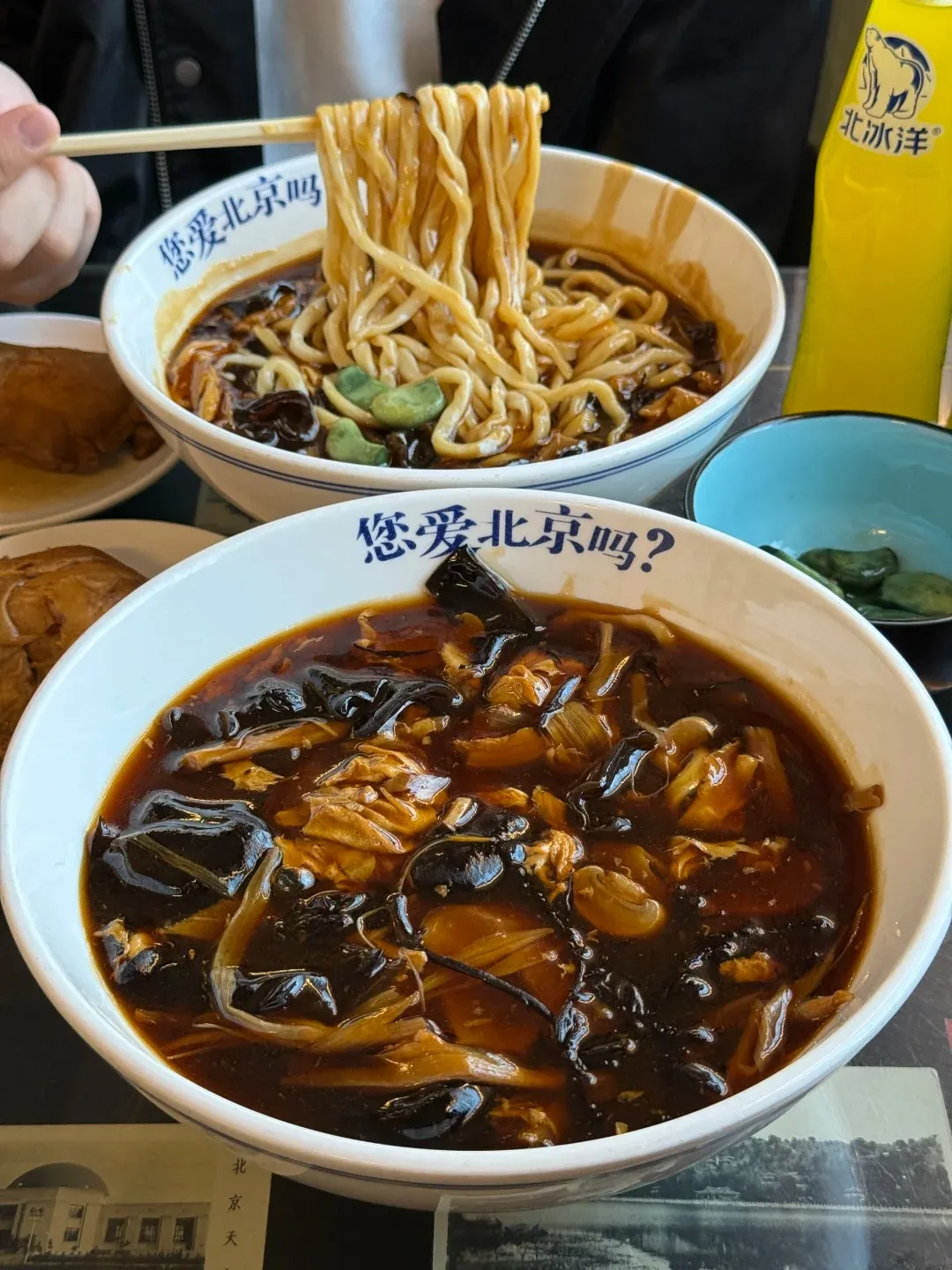
“您爱北京吗?” (Do you love Beijing?) These bowls holding Beijing-style Zha Jiang Mian invite you to savor local flavors, often paired with a classic Bei Bing Yang soda. For travelers with food allergies, enjoying such authentic dishes in China is completely possible with the right preparation and communication.
Safe Ordering: Key Phrases and Dining Strategies
Never rely on English to communicate a life-threatening allergy. You must carry a customized, printed allergy card. Hand it directly to the server and politely ask them to show it to the chef.
- “I am severely allergic to…” — 我对…严重过敏 (Wǒ duì… yánzhòng guòmǐn)
- “If I eat this, I will have to go to the hospital.” — 如果我吃这个,我必须去医院 (Rúguǒ wǒ chī zhège, wǒ bìxū qù yīyuàn)
- “Please do not use peanut oil.” — 请不要用花生油 (Qǐng búyào yòng huāshēng yóu)
Where to Find Safe Meals
If you are experiencing menu fatigue or feel unsafe, head to an international luxury hotel chain like a Marriott, Hilton, or Shangri-La. The English-speaking culinary staff are trained in Western food safety standards and understand the life-threatening nature of cross-contamination.
For travel days, remember that according to the official 12306 China Railway policy, passengers are fully permitted to bring their own pre-packaged food and drinks onto high-speed trains. Stock up on safe, imported snacks at an Olé Supermarket or City Shop before a long journey.