
Guangzhou's Hidden Alleys: A Walking Guide to Liwan and Dongshan

Most travelers associate Guangzhou with the towering Canton Tower or the sprawling Canton Fair. But beneath the futuristic skyline of this 2026 megacity lies a much older, deeply atmospheric world. If you want to understand the true soul of Cantonese culture, you need a proper Guangzhou historic neighborhoods guide. This walking route takes you away from the polished business districts and plunges you into the labyrinthine alleys of Liwan and Dongshan. Here, you will find century-old Xiguan mansions, colonial-era red brick villas, and the unmistakable scent of roasted goose and aged Pu’er tea lingering in the humid southern air.

Quick Summary: Key Takeaways for Your Trip

  • Best time to walk: Start before 9:00 AM to beat the intense midday humidity and the heavy afternoon domestic tourist crowds.
  • Essential apps: You must have Alipay or WeChat Pay bound to an international credit card; cash is rarely accepted by small alley vendors.
  • Liwan vs. Dongshan: Liwan offers traditional Cantonese arcade architecture and street food, while Dongshan features 1920s Western-style red-brick villas and trendy cafes.
  • Visa requirements: Guangzhou is eligible for the 144-hour Transit Without Visa (TWOV) policy for 54 nationalities in 2026, making it an easy layover stop.

Summarize with :

What is the 144-Hour Transit Visa for Guangzhou?

The 144-hour Transit Without Visa (TWOV) policy allows citizens of 54 eligible countries to explore Guangdong province for up to six days without a pre-approved visa, provided they have a confirmed onward ticket to a third country or region within 144 hours.

According to the official China National Immigration Administration, you must apply for the temporary entry permit upon arrival at Baiyun International Airport. To navigate the city effectively once you clear customs, reliable internet is your first priority. You will need a VPN or a specialized eSIM to access Google Maps and WhatsApp.

💡 Editor’s Pick: We recommend Nomad eSIM for China because it reliably bypasses the Great Firewall with stable speeds.

Exploring Liwan: The Heart of Old Xiguan Culture

Liwan District was formerly known as Xiguan, a wealthy merchant enclave located just outside the ancient city walls. Today, it is the best place to witness traditional Qilou (arcade) architecture, cleverly designed to shield pedestrians from Guangzhou’s sudden torrential downpours and blistering sun.

Enning Road and Yongqing Fang

Start your walk at Enning Road. The sensory overload hits you immediately: the clatter of mahjong tiles from open windows, the rhythmic pounding of copper smiths crafting woks, and the dense, sweet smell of ginger milk curd. The revitalized Yongqing Fang alleyway sits right off Enning Road.

While Yongqing Fang is beautifully restored, it gets incredibly congested by 2:00 PM. Insider Tip: Visit the Bruce Lee Ancestral Home here right when it opens at 9:00 AM to avoid the sea of selfie sticks. A bottle of chilled mineral water from a local corner store will cost you exactly 3 RMB—keep one handy, as the subtropical heat is unforgiving.
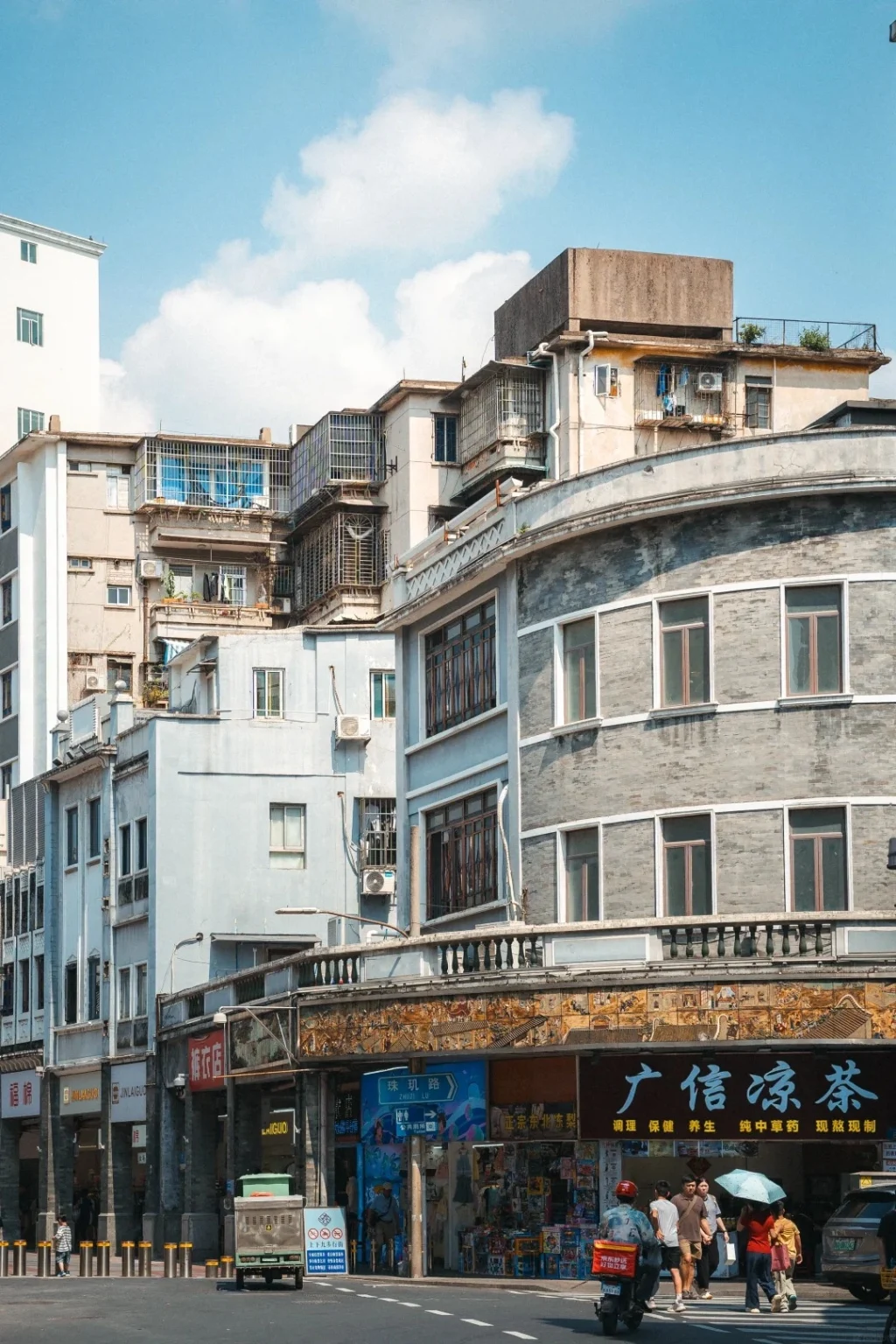
A multi-story street scene in Guangzhou, China, featuring traditional Qilou arcade buildings with their characteristic covered walkways and ornate facades. Several pedestrians are visible on the sidewalk, along with a street cart and a scooter. The buildings showcase a mix of architectural styles, with some featuring grey brickwork and balconies, while others are painted in lighter colors. The sky above is blue with scattered white clouds.

Wander through Guangzhou’s historic Liwan and Dongshan districts and discover the unique charm of Qilou architecture, where covered walkways offer a glimpse into the city’s past.

Is Shangxiajiu Pedestrian Street Worth It?

Many older guidebooks heavily promote Shangxiajiu Pedestrian Street. Honestly? Skip it in 2026. It has largely devolved into a loud, commercialized strip of generic fast-fashion brands blasting music from cheap speakers. Instead, redirect your walking route toward Lychee Bay (Lizhiwan).

Lychee Bay offers a much more authentic glimpse into local life. You will find elderly residents singing Cantonese opera by the water. Stop at a local vendor for a bowl of traditional Sampan Congee (Tingzai Zhou), which should cost around 15 RMB.

Dongshankou: Guangzhou’s 1920s Time Capsule

If Liwan represents traditional Chinese merchant wealth, Dongshan represents Guangzhou’s early 20th-century political and military elite. A local saying goes, “Wealthy in Xiguan, powerful in Dongshan.” Hop on Metro Line 1 to Dongshankou Station (Exit E) and you will immediately notice the architectural shift.

The Red Brick Villas of Xinhepu

The Xinhepu historical area is a quiet maze of tree-lined streets and over 400 Western-style garden villas built by overseas Chinese in the 1920s and 30s. The most famous is Kui Yuan, a 1922 mansion that now houses a chic art gallery and cafe. The juxtaposition of weathered red bricks and lush, overgrown banyan trees makes this area a photographer’s dream.

Navigation here can be delightfully confusing. The alleys wind unpredictably, and GPS signals often bounce off the dense tree canopy. Embrace getting lost. You will stumble upon independent lifestyle boutiques, hidden tea rooms, and locals walking their dogs in the quiet afternoon shade.
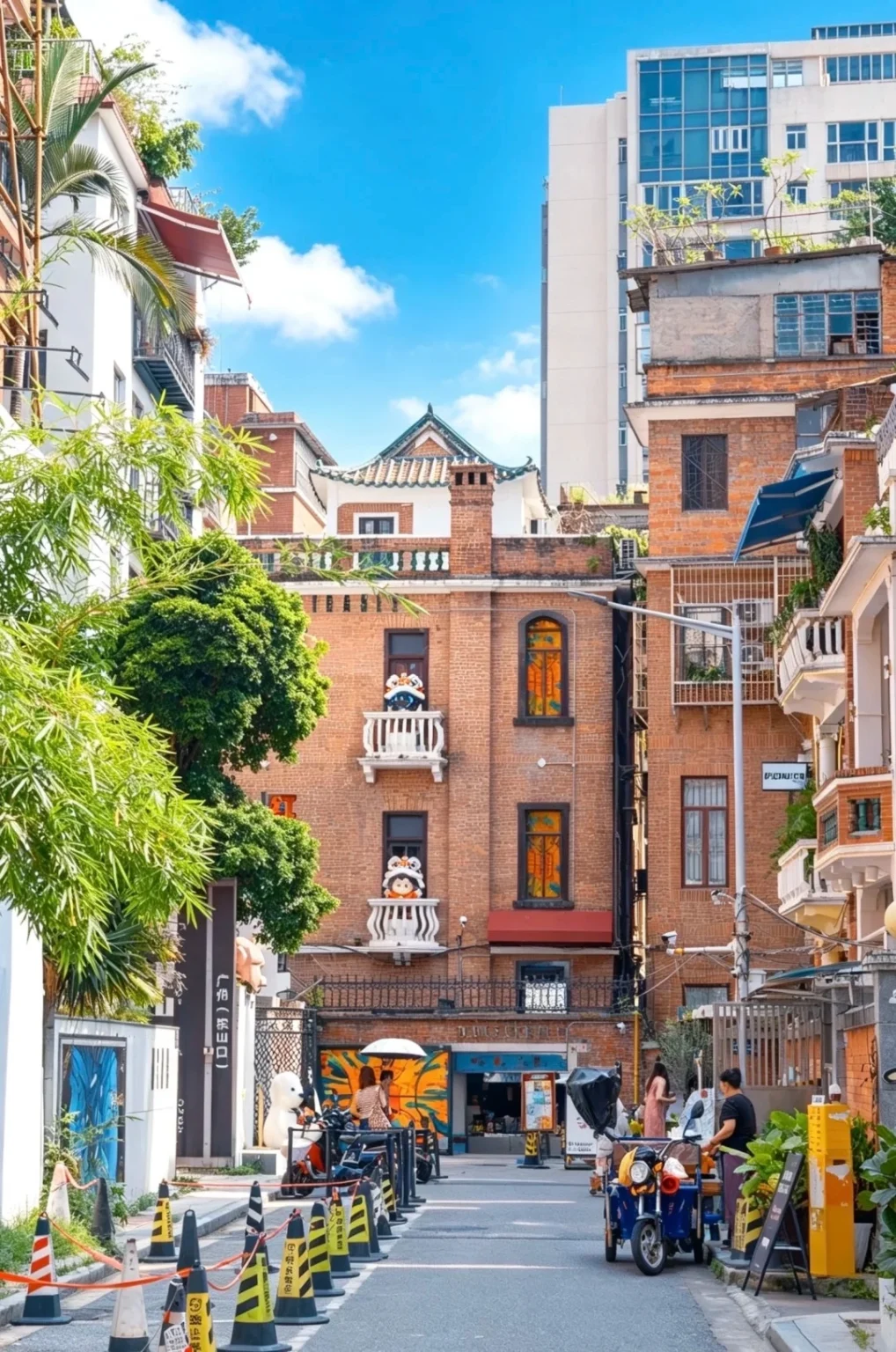
A narrow street in Guangzhou lined with red brick buildings and green trees under a blue sky with white clouds. Balconies on the buildings feature decorative figures. A blue scooter and people are visible on the street, with traffic cones and signage.

Wander through the charming streets of Dongshankou, Guangzhou, where historic red brick architecture meets vibrant street life. This area is a photographer’s dream, offering a glimpse into the city’s past.

How to Navigate and Pay in Guangzhou

China is a virtually cashless society in 2026. Before you arrive, download Alipay and WeChat, and bind your international Visa or Mastercard. You will use these apps to scan QR codes for everything from a 2 RMB steamed bun on the street to your DiDi (the local ride-hailing equivalent) rides.

Using the Guangzhou Metro and Buying Tickets

The Guangzhou Metro is world-class, heavily air-conditioned, and features full English signage. You do not need to buy physical tokens; simply generate a transit QR code within your Alipay app to swipe through the turnstiles. Fares range from 2 to 7 RMB depending on distance.

If you plan to visit the nearby Chen Clan Ancestral Hall (an absolute masterpiece of Lingnan architecture), tickets are 10 RMB. According to current official museum policies, you must present your physical passport at the ticket window to enter, so do not leave it in your hotel safe.
Common Questions About Traveling to China

Do I need a visa for a short trip to Guangzhou in 2026?

Citizens of 54 eligible countries can utilize the 144-hour Transit Without Visa (TWOV) policy. This allows for a six-day stay in Guangdong province, provided you have a confirmed onward ticket to a third country.

China is a virtually cashless society. You should download Alipay or WeChat Pay and link your international credit card before arrival, as most vendors, including small street stalls, exclusively use QR code payments.

The Guangzhou Metro is the most efficient way to travel; it is air-conditioned, features English signage, and allows you to pay using a transit QR code generated within your Alipay app.

Yes, to access apps like Google Maps, WhatsApp, and other Western social media platforms, you will need a reliable VPN or a specialized travel eSIM that bypasses local internet restrictions.

Conclusion

Exploring Guangzhou beyond its modern skyscrapers reveals a city deeply connected to its Lingnan heritage. Whether you are dodging sudden rain showers under the arcades of Liwan or sipping artisanal coffee in a century-old Dongshan villa, these historic neighborhoods offer a raw, sensory-rich travel experience. Ready to dive deeper into southern China? Check out our complete guide to booking high-speed trains to continue your journey from Guangzhou to Yangshuo.

Similar posts to this one

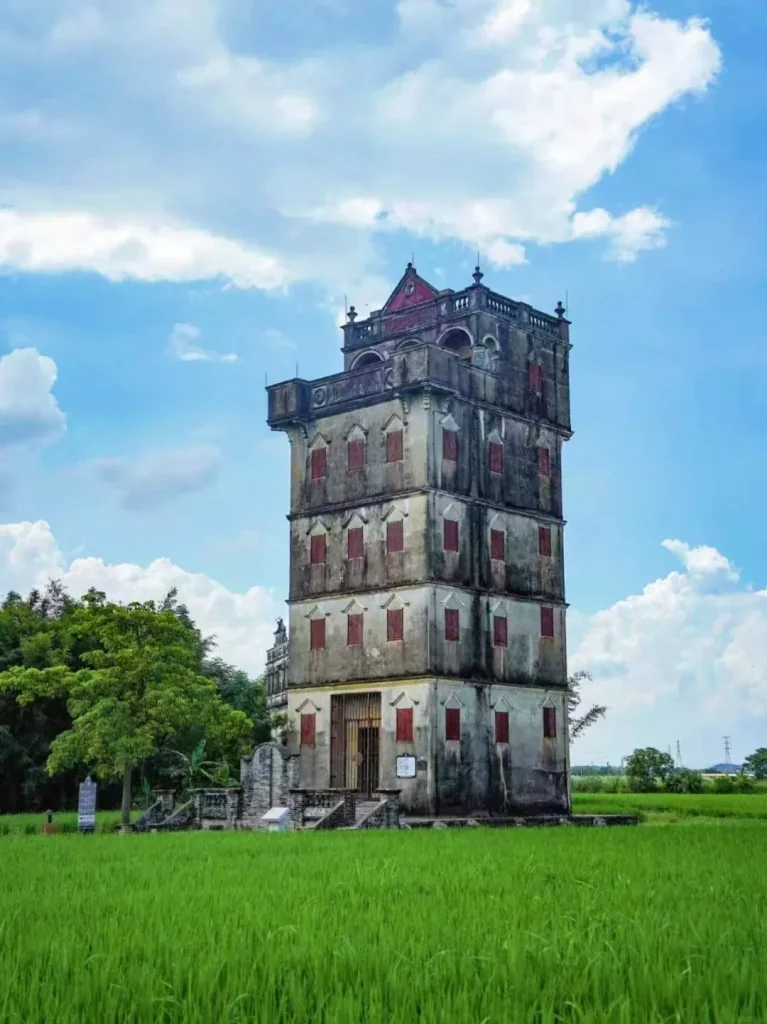
A tall, multi-story, weathered concrete watchtower with numerous small, red-shuttered windows stands in a bright green rice paddy field under a blue sky with white clouds. The tower has a distinct architectural style with balconies and a decorative roof. Trees and other less prominent structures are visible in the background.

Guangdong's Watchtowers: A Practical Guide to the Kaiping Diaolou

Stepping into the lush, subtropical countryside of Guangdong Province feels like entering a different era, especially when the skyline is [...]

The golden roof and upper facade of a traditional Tibetan monastery with red walls and white trim, under a clear blue sky.

Gansu's Hidden Tibet: A 3-Day Guide to Xiahe and the Ganjia Grasslands

Most travelers seeking authentic Tibetan culture immediately look to Lhasa, battling strict permit requirements, mandatory tour guides, and massive crowds. [...]

A vibrant market stall in Lhasa displays a large yellow banner with Chinese characters and a dragon illustration, hanging above racks of silver jewelry, felt bags, wooden beaded necklaces, and woven items. In the foreground, several brass singing bowls are visible.

Authentic Tibetan Souvenirs: What to Buy in Lhasa and How to Spot Fakes

Walking the 3,650-meter-high Barkhor Circuit in Lhasa is a sensory overload. Between the rhythmic chanting of pilgrims, the heavy scent [...]

Get the China Arrival Survival Kit

Planning a trip here has a steep learning curve. Join our newsletter and receive our free “Day One Checklist” covering everything from setting up Alipay and WeChat to bypassing the internet firewall.