


How to Book Train Tickets and Stay Connected
According to the official 12306 rail policy, foreign travelers can now verify their passports directly within the English version of the 12306 app. You no longer need to stand in the manual ticket window line for hours like in previous years.
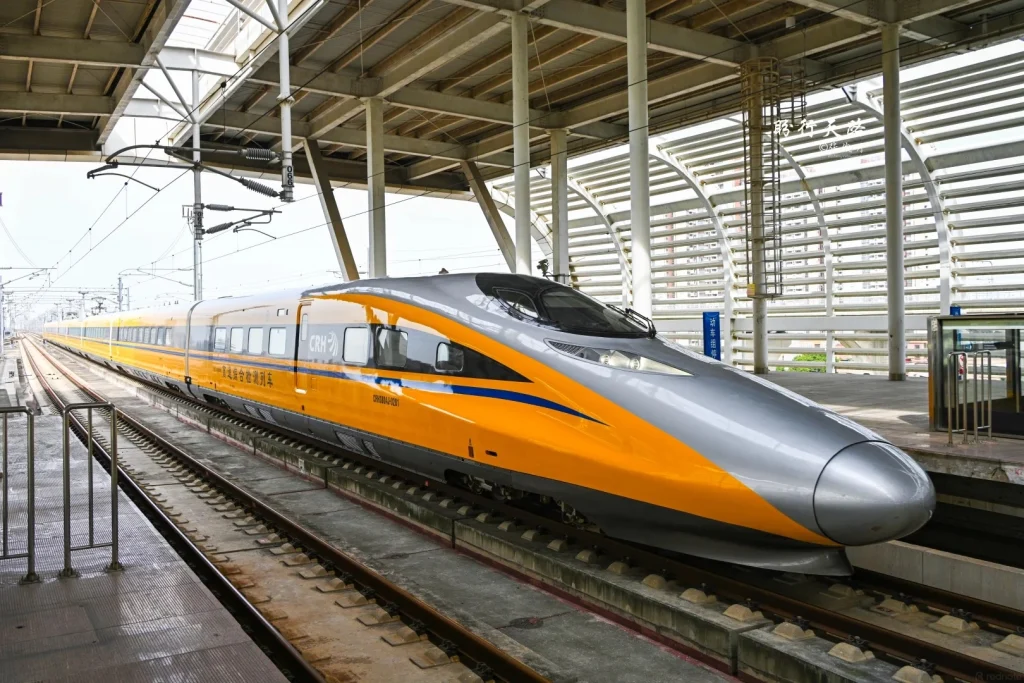
Simply link your foreign Visa or Mastercard to Alipay, and use it to pay for your train tickets directly in the 12306 app. Your passport acts as your physical ticket—just swipe it at the electronic turnstiles to board.
To ensure your translation and map apps work at the station, you will need reliable internet. Public Wi-Fi in China requires a local phone number, making an eSIM essential for international visitors.
💡 Editor’s Pick: We recommend Nomad eSIM for China because it reliably bypasses the Great Firewall with stable speeds.
What is the 144-Hour Visa-Free Transit?
The 144-hour visa-free transit is an official Chinese immigration policy allowing passport holders from 54 qualifying countries to enter specific regions of China without a visa for up to six days, provided they hold a confirmed onward ticket to a third country or region.
Crucial travel warning: Keep in mind that Guizhou province is not currently covered by the 144-hour transit policy. You will need a standard L-category tourist visa to explore Guiyang, Congjiang, and the surrounding ethnic villages.
Scenic Routes: Where to Stop on the Guiyang-Guangzhou Line
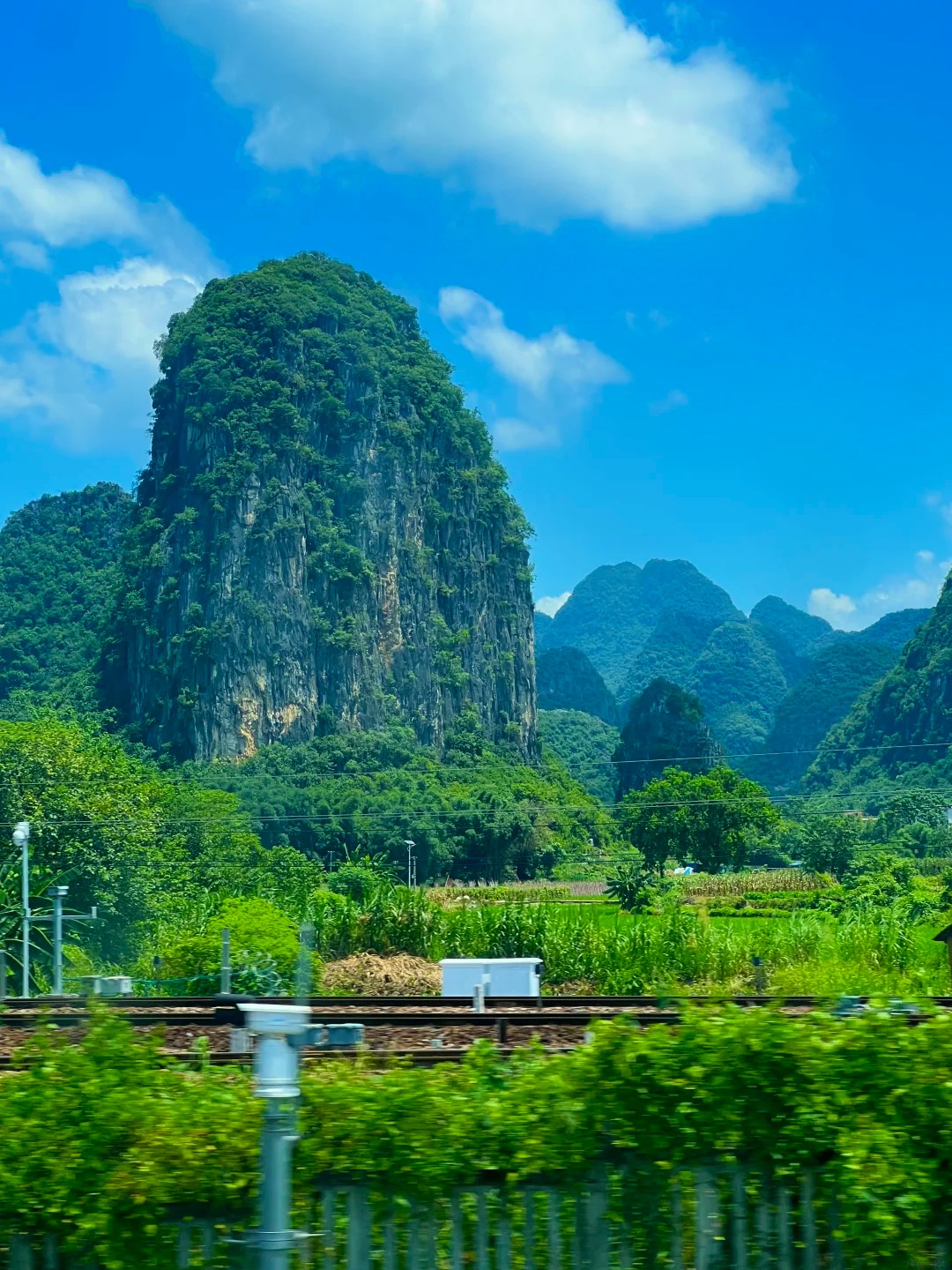
Traversing Guizhou by high-speed rail offers breathtaking views of its iconic karst landscapes, seamlessly blending modern infrastructure with ancient geological formations. This route not only showcases the region’s natural beauty but also opens up access to its remote villages.
Congjiang Station: The Dong Culture Hub
Congjiang is arguably the most valuable stop for travelers. Exiting the modern station, you are immediately hit by the humid mountain air and the faint, earthy smell of woodsmoke from nearby valleys.
From here, a 15-minute shared minivan ride takes you directly to Zhaoxing Dong Village. Do not fall for the aggressive private taxi touts yelling at the station exit. Walk 50 meters to the official bus rank on the right to pay the standard 10 RMB fare.
Sanjiang Nan Station: Wind and Rain Bridges
Just across the provincial border, Sanjiang Nan is your gateway to the Chengyang Eight Villages. The massive wooden drum towers and wind-and-rain bridges here are architectural marvels, built entirely without nails.
The high-speed train has cut the stomach-churning bus ride from Guilin to Sanjiang from three hours down to a smooth 40 minutes.
Insider Tip: Skip the Commercial Crowds
Xijiang Thousand Households Miao Village looks incredible in drone footage, but the reality on the ground is overwhelming. The main streets are packed shoulder-to-shoulder with tourists renting costumes, set to the backdrop of loud karaoke bars.
Instead, take a local bus from Congjiang to the Jiabang Terraced Fields. It is a nauseating two-hour drive along winding cliffside roads, but the misty, quiet views of traditional wooden stilt houses are absolutely worth the motion sickness.
Honest Realities: What to Expect on the Ground

High-speed rail makes reaching remote gems like Zhaoxing Dong Village easier than ever. Explore traditional Dong architecture cascading down to the river, surrounded by the verdant beauty of Guizhou’s mountains.
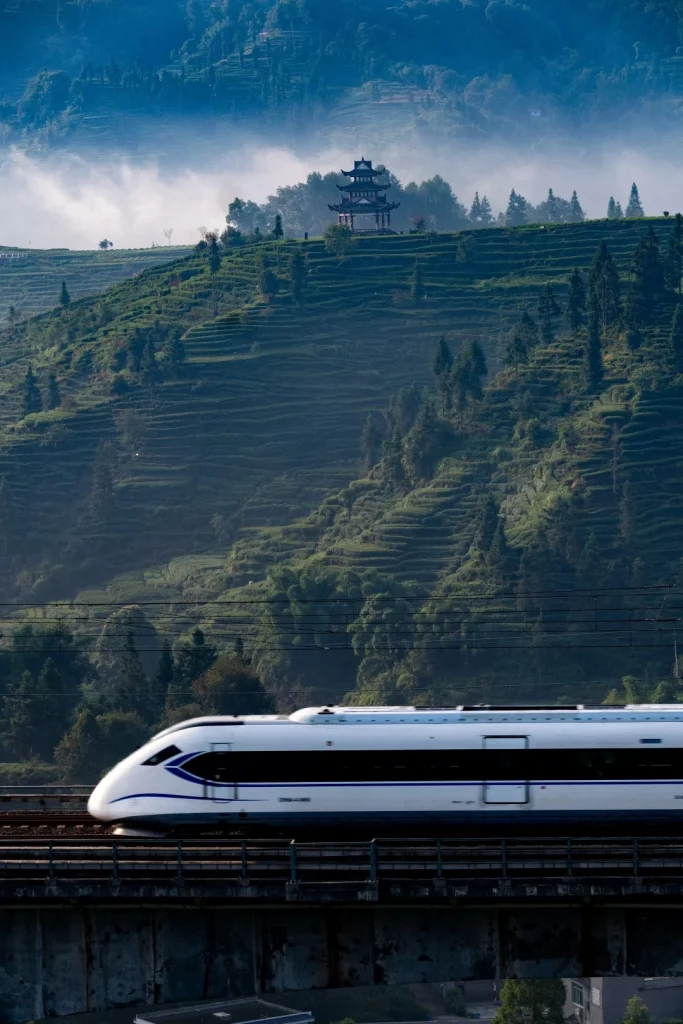
While the trains are pristine and glide silently at 250 km/h, the rural infrastructure is a stark contrast. Expect squat toilets with no toilet paper at rural bus stations. Always carry your own tissues and hand sanitizer.
A bottle of cold mineral water at a village mom-and-pop shop will cost you exactly 2 RMB (about $0.30 USD). However, you will need Alipay or WeChat Pay to buy it, as physical cash is rarely kept in the register anymore.
High-speed rail stations in China operate more like airports. You must pass through security checks with your luggage before entering the waiting hall. Do not overpack. You will be dragging your suitcase over uneven flagstone streets in the ancient towns, making a travel backpack vastly superior.