


Logistics: Navigating the High-Speed Rail in 2026
Before you can dive into bowls of red chili oil, you have to master the transit system. China’s rail network is incredibly modern, but it can be overwhelming for first-timers. The Guiyang North Railway Station is a colossal, multi-level labyrinth where the humid air smells faintly of steamed bao and floor wax.
How to Buy Train Tickets
According to the official China Railway 12306 policy, foreign travelers can now seamlessly verify their passports directly within the English version of the 12306 app. Once verified and booked, your passport is your ticket. You simply scan the photo page at the automated gates. Do not buy from third-party scalpers; they inflate prices and complicate refunds.
What is the 144-hour visa-free transit?
The 144-hour visa-free transit is a Chinese immigration policy allowing passport holders from 54 eligible countries to stay in designated regions for up to six days without a prior visa, provided they hold a valid passport and an onward ticket to a third country or region.
To navigate these stations, read translated menus, and pay for your meals via Alipay, you need a stable internet connection that bypasses the Great Firewall. Relying on public station Wi-Fi is a rookie mistake, as it requires a Chinese phone number to log in.
💡 Editor’s Pick: We recommend Nomad eSIM for China because it reliably bypasses the Great Firewall with stable speeds.
Guiyang: Street Food and Night Markets
Your journey begins in Guiyang, the provincial capital. The city is a dense forest of skyscrapers surrounded by karst mountains. Drop your bags and head straight to a local noodle shop for Changwang Noodles (肠旺面). The name translates to pork intestines and coagulated pig blood.
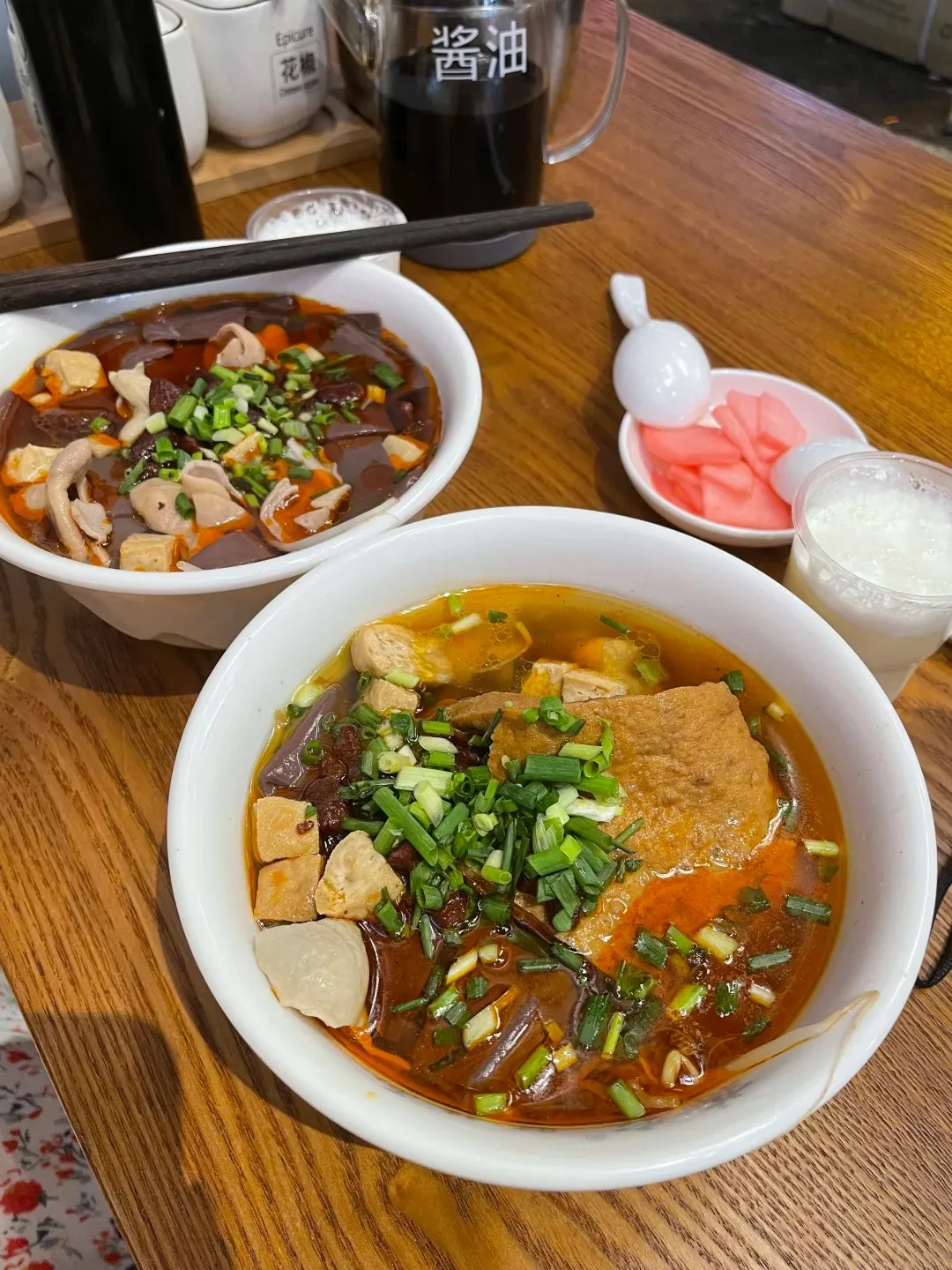
Embarking on a culinary journey through Guizhou isn’t complete without savoring their signature spicy and sour noodle dishes. These bowls are a perfect example of the vibrant flavors that fuel our high-speed rail adventure!
While the ingredients might sound intimidating, the execution is brilliant. The blood cubes are tender like tofu, the handmade noodles are chewy, and the broth is a vibrant, aromatic red. I paid just 15 RMB for a massive bowl in a steaming alleyway off Shaanxi Road, washing it down with a standard 2 RMB bottle of Nongfu Spring water.
What to Know Before You Go: Night Market Crowds
Guiyang’s night markets are legendary, but they are intensely crowded. You will be shoulder-to-shoulder with locals amid the smoke of charcoal grills. Look for Siwawa (丝娃娃), or “silk babies.” These are delicate, vegetarian spring rolls where you stuff a thin flour wrapper with shredded radishes, kelp, and cucumber, then drown it in a tangy, spicy dipping sauce.
Kaili: The Birthplace of Guizhou Sour Soup Fish
A quick 40-minute high-speed train ride east brings you to Kaili South Station, the gateway to the Qiandongnan Miao and Dong Autonomous Prefecture. This is the undisputed capital of Kaili Sour Soup Fish (凯里酸汤鱼).
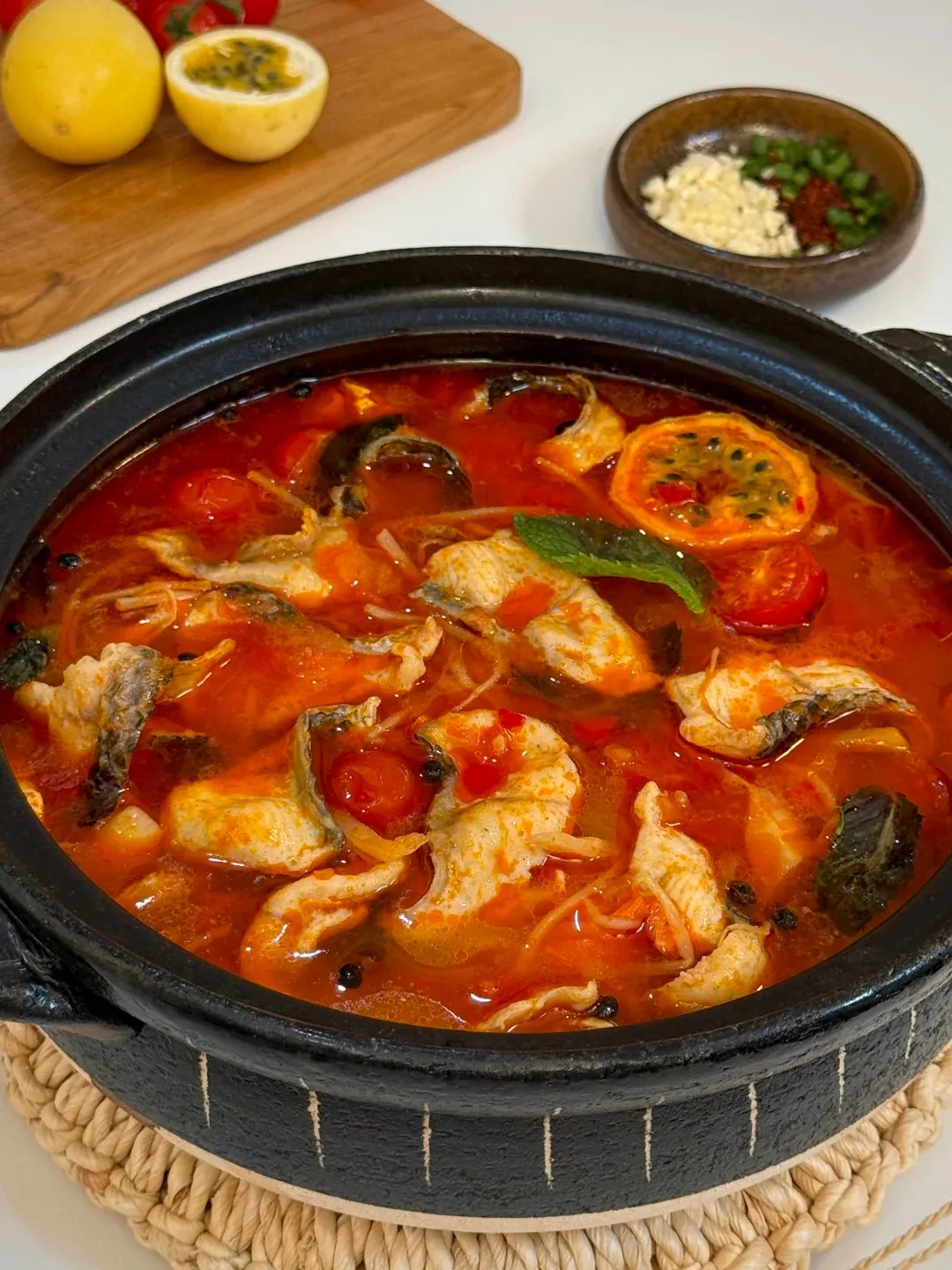
Embark on a culinary journey along Guizhou’s high-speed rail with this fiery Kaili sour soup fish, a signature dish that perfectly captures the region’s bold and invigorating flavors.
The magic of this dish lies in the broth, fermented from rice soup and local tomatoes. It arrives at your table bubbling in a massive iron pot, bright orange and releasing a deeply savory, acidic aroma. Traditionally, each diner gets a small bowl of seasoned tofu mixed with crushed peanuts and green leeks to cool the palate between spicy bites.
Insider Tip: Skip the Station Restaurants
A common mistake travelers make is dining at the massive, flashy “cultural” restaurants immediately outside Kaili South Station. These are hyper-commercialized tourist traps where the broth is watered down. Instead, take a 15-minute Didi (ride-share) into the older neighborhoods of Kaili city. Look for hole-in-the-wall spots where the floors are slightly sticky and the tables are packed with locals drinking cheap baijiu.
Anshun: Beyond the Famous Waterfall
Traveling west from Guiyang takes you to Anshun West Station in about 30 minutes. Most tourists flock here exclusively for the Huangguoshu Waterfall—the largest in Asia. While the waterfall is spectacular, it is often overrun with tour groups wielding umbrellas and megaphones.
The real secret of Anshun is its snack street culture. After escaping the waterfall crowds, retreat to Anshun’s city center. The local cuisine here features heavy use of Houttuynia (折耳根), a rhizome with a distinct, slightly fishy, and metallic flavor. It is an acquired taste, but locals love it mixed into cold salads or stuffed into baked tofu pockets.
If Houttuynia is too adventurous, stick to the local beef noodles. The broth is simmered with traditional Chinese herbs, providing a rich, earthy flavor that perfectly balances the sharp sting of Guizhou chili powder.
Ready for Your Guizhou Food Adventure?
Traveling through Guizhou via the high-speed rail network offers a rare blend of hyper-modern convenience and deeply traditional, unapologetically bold flavors. By utilizing the 12306 app, securing a reliable eSIM, and being willing to step away from the major tourist traps, you can experience one of China’s most underrated culinary regions.