
- Best preserved authentic Lilongs: Jing’an Villa (West Nanjing Rd) and Cité Bourgogne (Former French Concession).
- Overrated tourist trap to avoid: Tianzifang is heavily commercialized; visit residential lanes for a genuine experience instead.
- Navigation tools: Google Maps is inaccurate in China; use Apple Maps or Baidu Maps, and ensure you have Alipay set up for payments.
- Connectivity requirement: You will need a reliable eSIM to bypass the Great Firewall and access Western apps while navigating the winding alleys.


What Exactly is a Shanghai Lilong?
A Lilong is a traditional Shanghainese community of lane houses, blending English row-house layouts with Chinese courtyard designs. Built primarily between the 1840s and 1940s, these enclosed neighborhoods feature iconic stone-gated entrances known as Shikumen, fostering a highly communal, tight-knit lifestyle shielded from the surrounding city.
Where to Find Authentic Lilong Neighborhoods in 2026
Finding a living, breathing Lilong requires stepping away from the heavily manicured tourist zones. Here are the most authentic spots to respectfully observe local life.
Jing’an Villa (1025 West Nanjing Road)
Nestled behind the commercial frenzy of West Nanjing Road, Jing’an Villa is the largest and best-preserved “new-type” Lilong in Shanghai. Built in 1932, the red-brick architecture remains delightfully original. As you walk through, you’ll hear the distinct click-clack of Mahjong tiles and smell home-cooked garlic and soy wafting from open windows.
Cité Bourgogne or Bugao Li (South Shaanxi Road)
Located in the heart of the Former French Concession, this 1930s compound is a prime example of the cultural melting pot of old Shanghai. The iconic traditional Chinese archway at the entrance gives way to classic French-influenced brickwork. It is a quiet, residential enclave where you will see grandparents sunning themselves next to parked bicycles.
Insider Advice: Why You Should Skip Tianzifang
Many guidebooks still push Tianzifang as the ultimate Shikumen experience, but in 2026, it is an overcrowded, commercialized maze of overpriced souvenirs and aggressive touts. The claustrophobic alleys are often shoulder-to-shoulder with tour groups. If you want to see real Shanghai, skip Tianzifang and walk the quiet residential lanes of Siming Cun or Meilan Fang instead.
Essential Logistics: Navigating and Paying in Shanghai
Exploring these labyrinthine alleys requires the right digital tools. China is virtually a cashless society in 2026. Before you arrive, you must download and link a foreign credit card to Alipay or WeChat Pay. Even the smallest neighborhood convenience store selling a 2 RMB bottle of Nongfu Spring water will expect a QR code scan.
Furthermore, navigating the winding, unmarked lanes of a Lilong is impossible without a solid data connection and the right map app. Because of the Great Firewall, you will need a reliable eSIM to access Western apps and use translation tools on the go.
💡 Editor’s Pick: We recommend Nomad eSIM for China because it reliably bypasses the Great Firewall with stable speeds.
Navigation Warning: Do not rely on Google Maps. Due to GPS offset regulations in China, Google Maps will show your location blocks away from where you actually are. Use Apple Maps (which switches to AutoNavi data in China) or download Baidu Maps for pinpoint accuracy when hunting down hidden Shikumen gates.
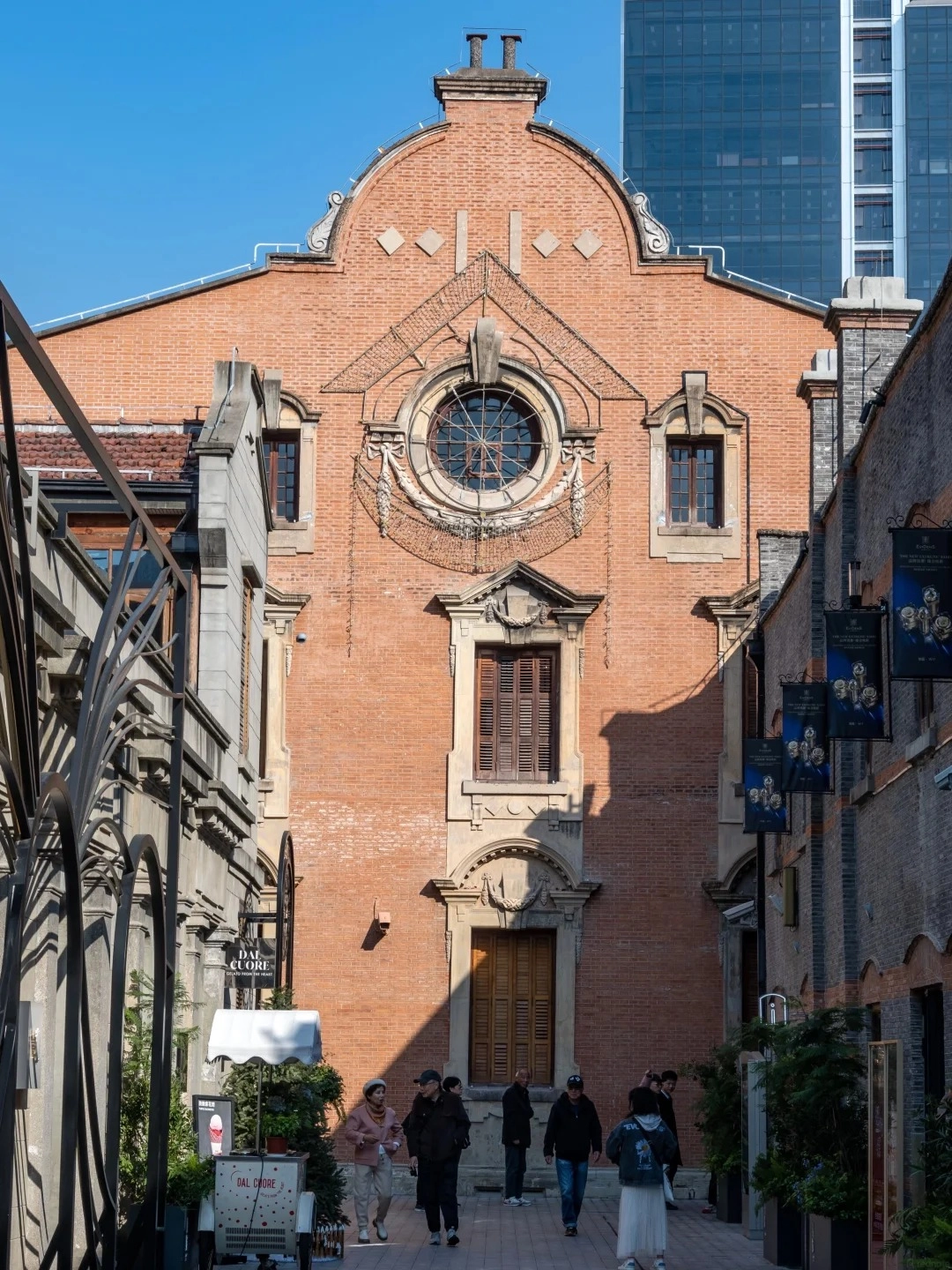
Discover the charm of Shanghai’s historic architecture, where intricate details like the grand circular window on this red-brick building tell tales of the city’s past. Explore these hidden gems and learn about their significance.
What is the 144-Hour Transit Visa?
The 144-hour transit visa exemption is a Chinese immigration policy allowing citizens from 54 eligible countries to explore Shanghai and the surrounding Jiangsu and Zhejiang provinces visa-free for up to six days, provided they hold confirmed onward flight tickets to a third country or region.
According to the official China National Immigration Administration, this exemption is perfect for travelers wanting a short, intensive layover to explore Shanghai’s historic neighborhoods before flying elsewhere in Asia. Ensure your flight itinerary strictly follows the A-to-B-to-C routing rules.