
Shanghai Pudong (PVG) Airport Guide: Maglev, Transit & Hotels

Stepping off a 14-hour flight into the sprawling, glass-domed expanse of Shanghai Pudong International Airport (PVG) can feel overwhelming. The faint scent of polished marble and jet fuel hits you before you even reach the immigration queues. Whether you are rushing to catch the world’s fastest train or navigating a complex layover, having a reliable Pudong Airport transit guide is essential for 2026 travel. Let’s bypass the confusion and get you straight to the Bund.

Quick Summary: Key Takeaways for Your Trip

  • Maglev Train: The fastest transit to the city takes just 8 minutes to Longyang Road; show your boarding pass for a 20% discount on the 50 RMB fare.
  • 144-Hour Visa: Eligible travelers can transit visa-free for up to 6 days, but you must have a confirmed onward ticket to a third country before boarding your flight to PVG.
  • Connectivity: Download Alipay and WeChat before landing, and activate an eSIM to bypass the Great Firewall upon arrival.
  • Terminal Transfer: Terminals 1 and 2 are connected by a 10-minute indoor walkway; walking is often faster than waiting for the free yellow shuttle bus.

Summarize with :

What is the 144-Hour Visa-Free Transit?

The 144-hour visa-free transit is a Chinese immigration policy allowing citizens from 54 eligible countries to stay in the Shanghai, Jiangsu, and Zhejiang region for up to six days without a pre-approved visa, provided they hold a confirmed, direct onward flight ticket to a third country.

According to the official China National Immigration Administration (NIA), this transit clock starts at 00:00 the day following your arrival. Insider Tip: Do not just join the regular immigration line. Look for the specific blue signs indicating “144-Hour Visa-Free Transit” at PVG.

The queue here can take anywhere from 30 minutes to two hours depending on whether you land behind a massive A380. Always use the restroom before lining up, as facilities are scarce once you are in the immigration hall.

Connectivity and Payments: Setting Up Before Customs

Do not rely on the airport’s free Wi-Fi. While PVG offers a “Shanghai Airport Free WiFi” network, it requires a text message verification code that international carriers often struggle to receive inside the terminal. You need a reliable data connection the moment you land.

For seamless navigation, translating signs, and booking rides, we highly recommend setting up an eSIM before you depart.

💡 Editor’s Pick: We recommend Nomad eSIM for China because it reliably bypasses the Great Firewall with stable speeds.

Once connected, ensure your Alipay or WeChat Pay apps are linked to your foreign credit card. Cash is virtually obsolete in 2026, and even the airport vending machines selling 3 RMB bottles of Nongfu Spring water expect a quick QR code scan.

How to Get from PVG to Downtown Shanghai
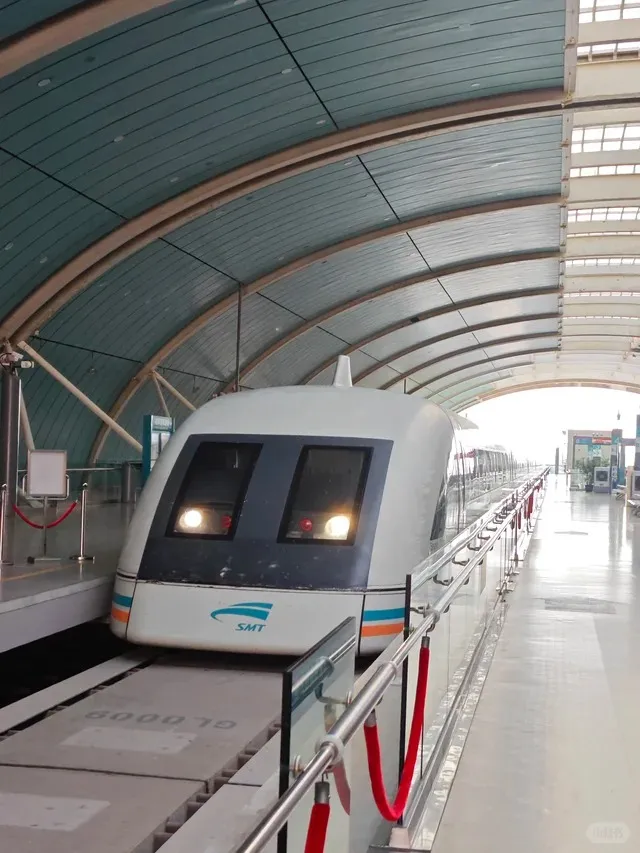
A sleek white Shanghai Maglev train with blue and orange stripes along its side, stopped at a station platform. The train has two large dark windows at the front, with headlights illuminated. The station has a modern, arched ceiling with green panels and exposed beams. A metal railing with red velvet ropes separates the platform from the train track.

Experience the future of travel by hopping on the Shanghai Maglev, the world’s first commercial magnetic levitation line, conveniently connecting Pudong International Airport (PVG) to the city.

The Shanghai Maglev: Fast but Geographically Limited

The Shanghai Maglev Train is an engineering marvel, floating on a magnetic field and hitting commercial speeds of 431 km/h (268 mph). The 30-kilometer journey to Longyang Road Station takes exactly 8 minutes.

You will feel a distinct, futuristic hum and a slight vibration as the digital speedometer in the cabin ticks past 400 km/h. Is it worth it? Yes, purely for the novelty. A single ticket is 50 RMB, but present your same-day flight itinerary at the ticket counter for a discounted 40 RMB fare.

However, note that Longyang Road is located in Pudong, not downtown. You will still need to transfer to Metro Line 2 or 7, or catch a Didi (ride-hailing car) to reach the Bund or the French Concession.

Metro Line 2: The Budget, High-Patience Route

If you are traveling light, Metro Line 2 (Green Line) connects directly from PVG to major hubs like People’s Square and East Nanjing Road. The ticket costs a mere 7 RMB.

However, this is a grueling 68-minute ride on hard plastic seats. During the 5:30 PM rush hour, expect intense crowds and zero space for bulky suitcases. If you have heavy luggage, skip the metro.

Taxis and Didi Ride-Hailing

Following the official signs to the taxi rank is crucial to avoid aggressive illegal touts in the arrivals hall. A standard taxi to downtown Shanghai takes about 45-60 minutes and costs roughly 150 to 200 RMB.

Note that there is a 30% late-night surcharge after 11:00 PM. If using Didi via your Alipay app, head to the designated ride-hailing pickup zones in the parking garages, which are clearly marked with green signs.

Navigating Terminals 1 and 2

Pudong operates out of two main terminals (T1 and T2). They are separated by a central transportation corridor. While there is a free yellow shuttle bus that departs every 10 minutes, waiting for it is a rookie mistake.

The terminals are only 500 meters apart. If you have rolling luggage, walking through the connecting indoor corridor takes less than 10 minutes. The pathway is flat, well-lit, and equipped with moving walkways.

Grab a free luggage cart right by baggage claim to make the trek effortless. For senior or disabled passengers, free pushcart services are available at the airport information counters.

Where to Stay: PVG Airport Hotels
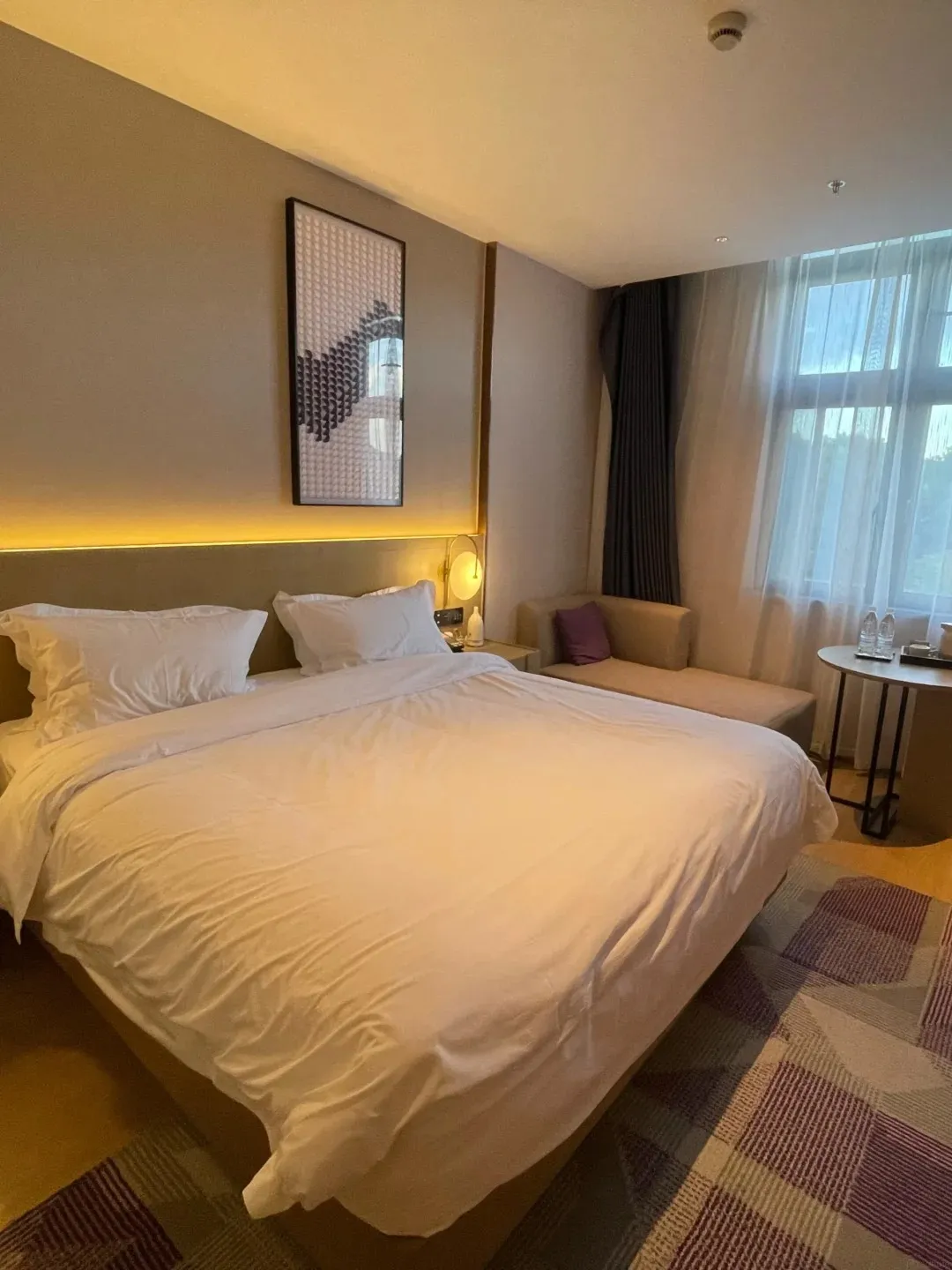
A hotel bedroom with a large, neatly made bed covered in white linens and pillows. A modern artwork hangs on the taupe wall above the headboard, which is illuminated by a strip of warm yellow light. To the right, a window with sheer white curtains reveals daylight, and a small seating area with a chaise lounge and a round table with chairs is visible.

Rest comfortably before your next flight with convenient hotel options near Shanghai Pudong International Airport (PVG), perfect for those utilizing the Maglev train or extensive transit network.

If you have an early morning flight or a brutal 12-hour layover, staying near the airport is a lifesaver. Unlike Hongqiao (SHA), Pudong is far from the city center, making a quick trip downtown for a short layover highly impractical.

The most convenient option is the Da Zhong Airport Hotel, located directly inside the airport complex between T1 and T2. You do not even need to step outside into the humid Shanghai air to reach the lobby.

Expect to pay around 400 to 600 RMB per night. The rooms are slightly dated but offer unrivaled convenience and excellent soundproofing against the roar of departing jets.

For more luxurious amenities, the Ramada Plaza Shanghai Pudong Airport is a 5-minute free shuttle ride away. It features superior dining options and a proper fitness center, ideal for stretching out post-flight.


Final Thoughts for a Seamless Transit

Common Questions About Navigating Shanghai Pudong Airport

Do I need a visa for a short layover in Shanghai?

If you are from one of the 54 eligible countries, you can utilize the 144-hour visa-free transit policy. You must have a confirmed onward flight ticket to a third country to qualify for this stay.

The Maglev is significantly faster and a unique experience, reaching speeds of 431 km/h, but it only goes to Longyang Road. If you are on a strict budget and traveling light, Metro Line 2 offers a direct, cheaper route to the city center.

While cash is technically legal tender, it is rarely used in 2026. You should set up Alipay or WeChat Pay linked to your international credit card before you land to ensure smooth transactions.

The terminals are connected by a 10-minute indoor walking corridor. It is generally faster to walk with your luggage than to wait for the free shuttle bus, especially if you have standard rolling bags.

Navigating PVG does not have to be a stressful start to your China adventure. By securing your digital payments early, utilizing the visa-free transit policy, and choosing the right transport method, you will transition from the arrivals hall to the city center with ease. Ready to explore the city? Read our ultimate guide to the best street food in Shanghai to start planning your meals.

Similar posts to this one

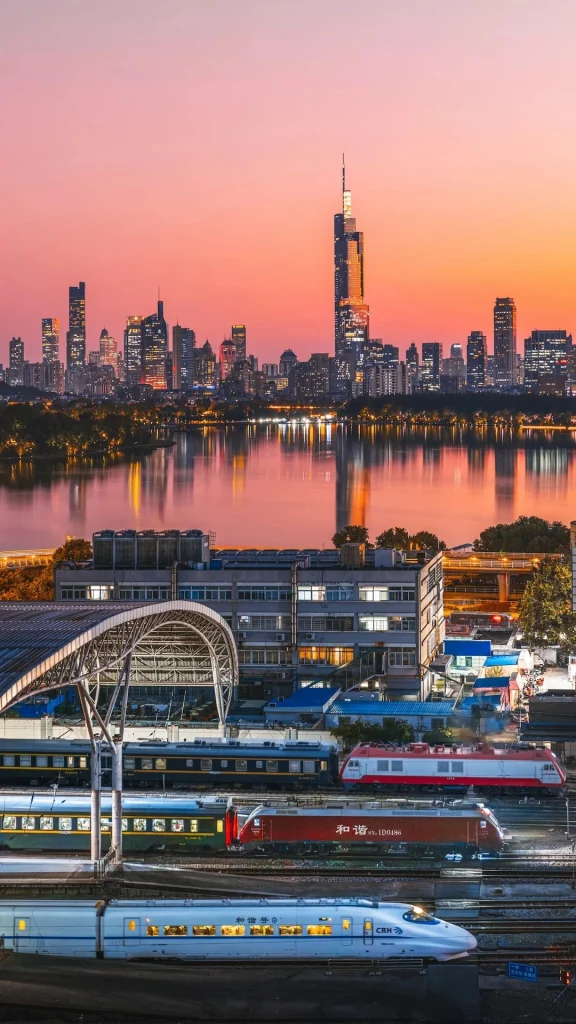
A modern white high-speed train with illuminated windows sits on train tracks in the foreground. Behind it, several other trains are visible at a station with a covered platform. In the mid-ground, a multi-story building with large windows and rooftop air conditioning units is prominent. Beyond the building, a wide river reflects the warm colors of a sunset sky. In the background, a city skyline with numerous skyscrapers, including a very tall, slender one, is silhouetted against the pink and orange sunset.

12306 Seat Selection Guide: How to Get the Window or Aisle Every Time

Getting stuck in a middle seat on a five-hour bullet train from Beijing to Shanghai is a rookie mistake that [...]

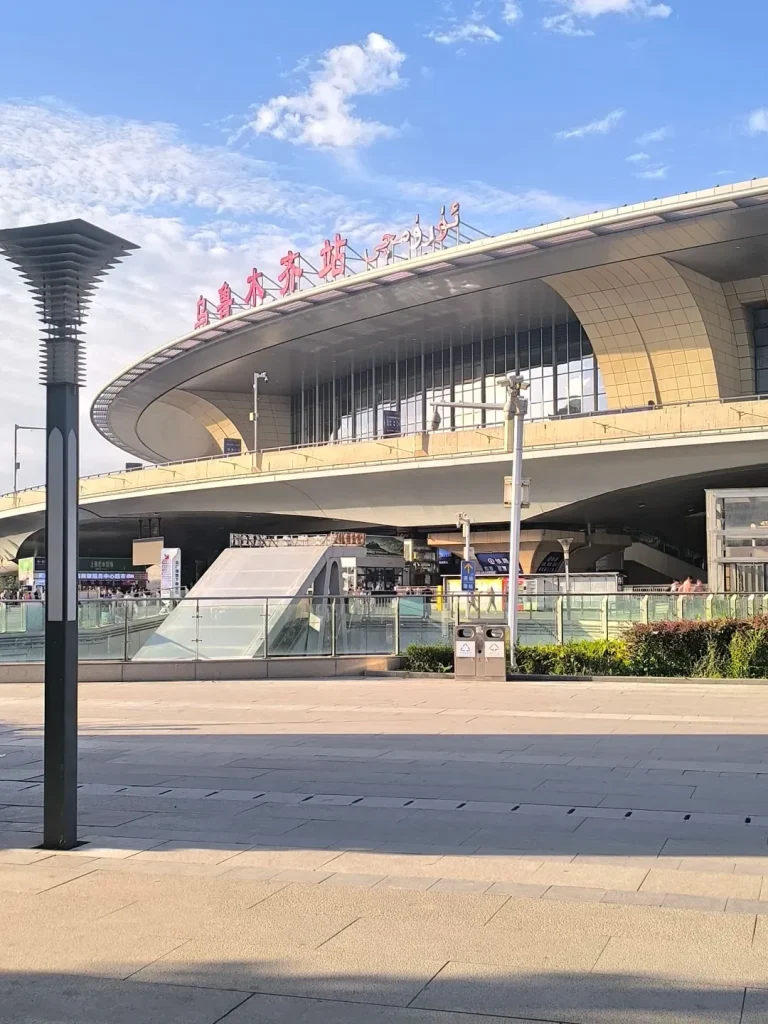
A modern train station building with a curved, beige, tiled roof and large glass windows. Red Chinese characters are visible on the roof's overhang. In the foreground, a tall, dark gray lamppost stands on a paved plaza. The sky above is blue with scattered white clouds.

Xinjiang High-Speed Rail Guide: Urumqi to Turpan Day Trip Logistics

Navigating Xinjiang's vast distances can feel overwhelming, but the one-hour Urumqi to Turpan high-speed train completely transforms how you can [...]

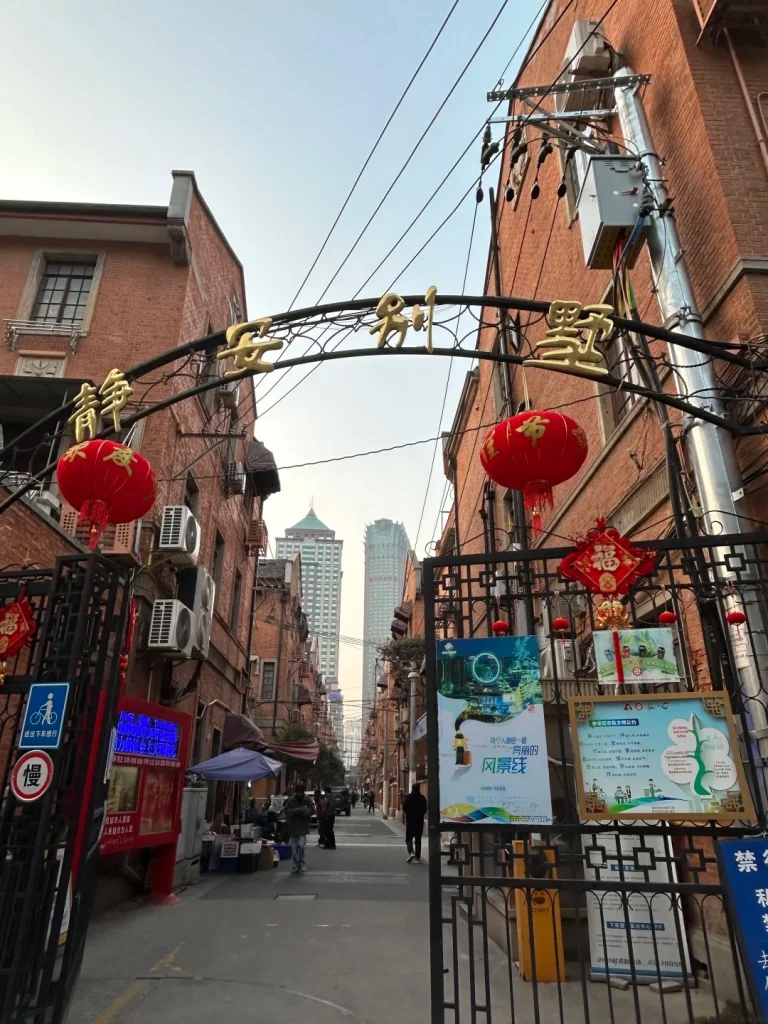
An ornate metal archway with gold Chinese characters spans the entrance to a narrow alleyway lined with red-brick buildings. Red lanterns hang from the archway and the buildings. A tall modern skyscraper is visible in the distance.

Exploring Old Shanghai: A Guide to the City's Remaining Lilongs

Stepping off the bustling commercial arteries of modern Shanghai and into a traditional lane house neighborhood feels like walking through [...]

Get the China Arrival Survival Kit

Planning a trip here has a steep learning curve. Join our newsletter and receive our free “Day One Checklist” covering everything from setting up Alipay and WeChat to bypassing the internet firewall.