
Shanghai's Cultural Canvas: Exploring Art & Heritage Beyond the Skyline

Most visitors to Shanghai crane their necks at the Lujiazui skyscrapers or shuffle along the crowded Bund. But to truly understand this megacity in 2026, you need to look closer to the ground. This comprehensive Shanghai culture guide bypasses the standard tourist traps to reveal the city’s thriving contemporary art districts, hidden heritage lanes, and authentic local experiences. Whether you’re navigating the sprawling West Bund or dodging scooters in the Former French Concession, experiencing the real Shanghai requires knowing exactly where to look—and what to skip.

Quick Summary: Key Takeaways for Your Trip

  • Visa-free entry: Citizens from 54 countries can explore Shanghai without a traditional visa using the 144-hour transit policy.
  • Digital payments are mandatory: Cash is rarely accepted in 2026; you must set up Alipay or WeChat Pay linked to a foreign credit card before arriving.
  • Top art districts: Skip the crowded Nanjing Road and head to the West Bund Art Corridor or the M50 Creative District for world-class contemporary art.
  • Navigation: Use the Metro (via Alipay QR code) and Didi (ride-hailing) for transport; Apple Maps works well, but Baidu Maps is the local standard.

Summarize with :

What is the 144-Hour Transit Visa?

The 144-hour visa-free transit policy allows travelers from 54 eligible countries to enter Shanghai without a pre-approved visa for up to six days. According to the official China National Immigration Administration, you must hold a valid passport and a confirmed onward ticket to a third country or region to qualify.

Digital Survival: Connectivity and Payments in 2026

Navigating Shanghai’s cultural sites requires a smartphone connected to the local network. The Great Firewall blocks Google, Instagram, and WhatsApp, making a reliable VPN or an international eSIM absolutely essential for your trip.

💡 Editor’s Pick: We recommend Nomad eSIM for China because it reliably bypasses the Great Firewall with stable speeds.

Once connected, download Alipay and WeChat. In 2026, even a 3 RMB (about $0.40 USD) bottle of Nongfu Spring water from a street vendor requires a QR code scan. Link your Visa or Mastercard to Alipay before your flight lands. You will use this app for everything from ordering Didi rides (the local Uber) to scanning into the Metro system.

Contemporary Art: M50 vs. The West Bund
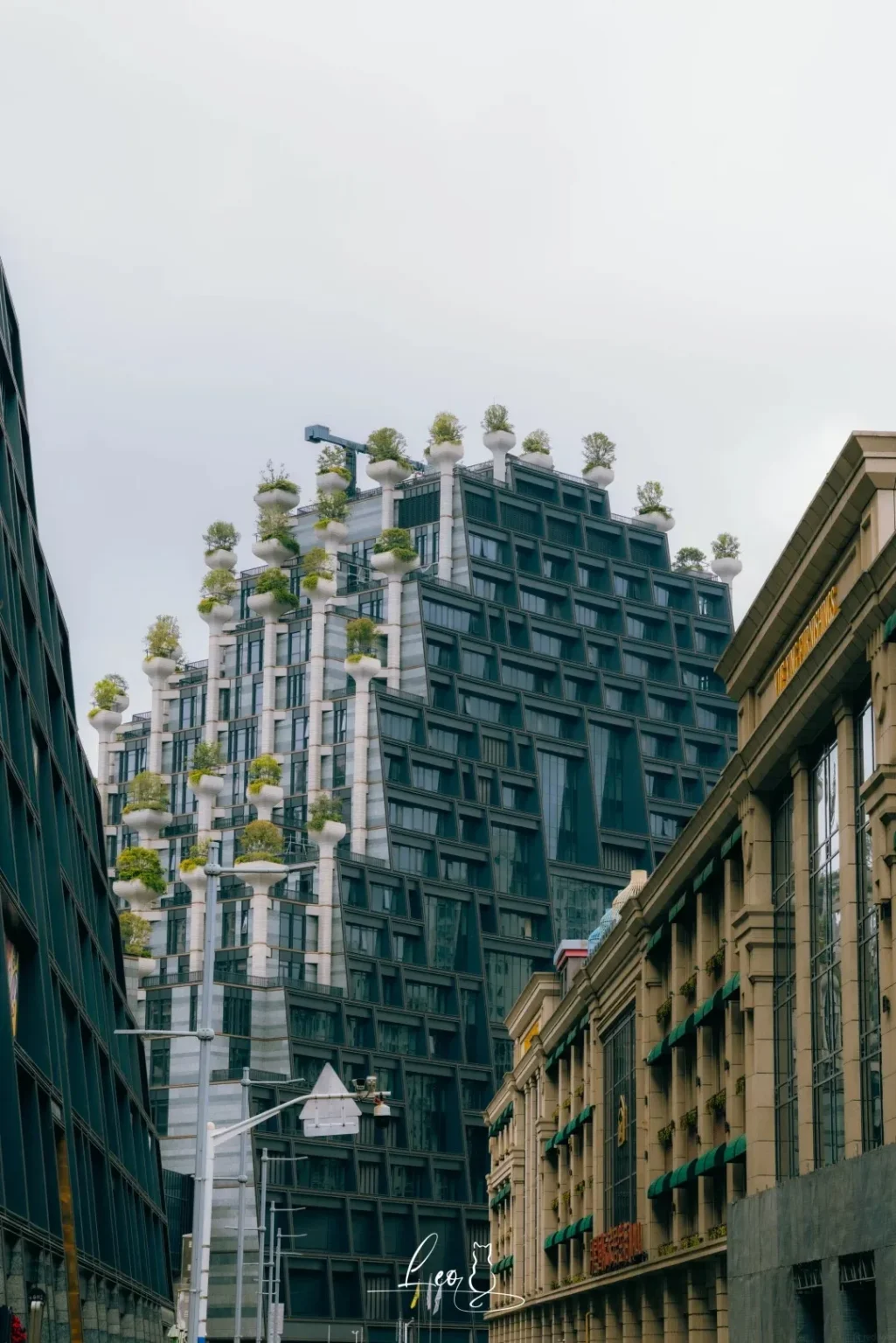
A unique modern skyscraper with a stepped facade is adorned with numerous white cylindrical planters, each holding a lush green tree. The building is surrounded by other urban structures, including a dark, multi-story building on the left and a classical-style building with columns and green awnings on the right. The sky above is overcast.

Beyond the iconic skyline, Shanghai reveals itself through pockets of green innovation. This architectural marvel, dotted with living trees, offers a glimpse into the city’s evolving blend of urban development and natural integration, echoing the artistic spirit highlighted in Shanghai’s cultural canvas.

Shanghai’s art scene is split between gritty industrial conversions and sleek, billion-dollar museum corridors. Knowing which one fits your vibe will save you hours of transit time.

M50 Creative District: The Grungy Pioneer

Tucked into a bend of the Suzhou Creek, M50 (50 Moganshan Road) is a former textile mill turned gallery hub. While some critics argue it has become overly commercialized, it remains the best place to see emerging Chinese artists. Strolling through the maze of concrete buildings, you’ll smell oil paint and stale coffee, dodging independent designers hauling canvases.

Insider Tip: Skip the overpriced cafes near the entrance. Instead, seek out island6, an interactive gallery combining traditional Chinese paper-cutting with futuristic LED light displays. Most galleries here are free and open Tuesday through Sunday, 10 AM to 6 PM.

West Bund Art Corridor: The Global Heavyweight

If M50 is Brooklyn, the West Bund is Chelsea. Stretching along the Huangpu River, this area features massive converted aviation fuel tanks (Tank Shanghai) and the striking Long Museum. The scale here is exhausting; wear comfortable shoes, as the walk between the Yuz Museum and the West Bund Museum is longer than it looks on your map.

Heritage Beyond the Skyline: Finding the Real Old Shanghai
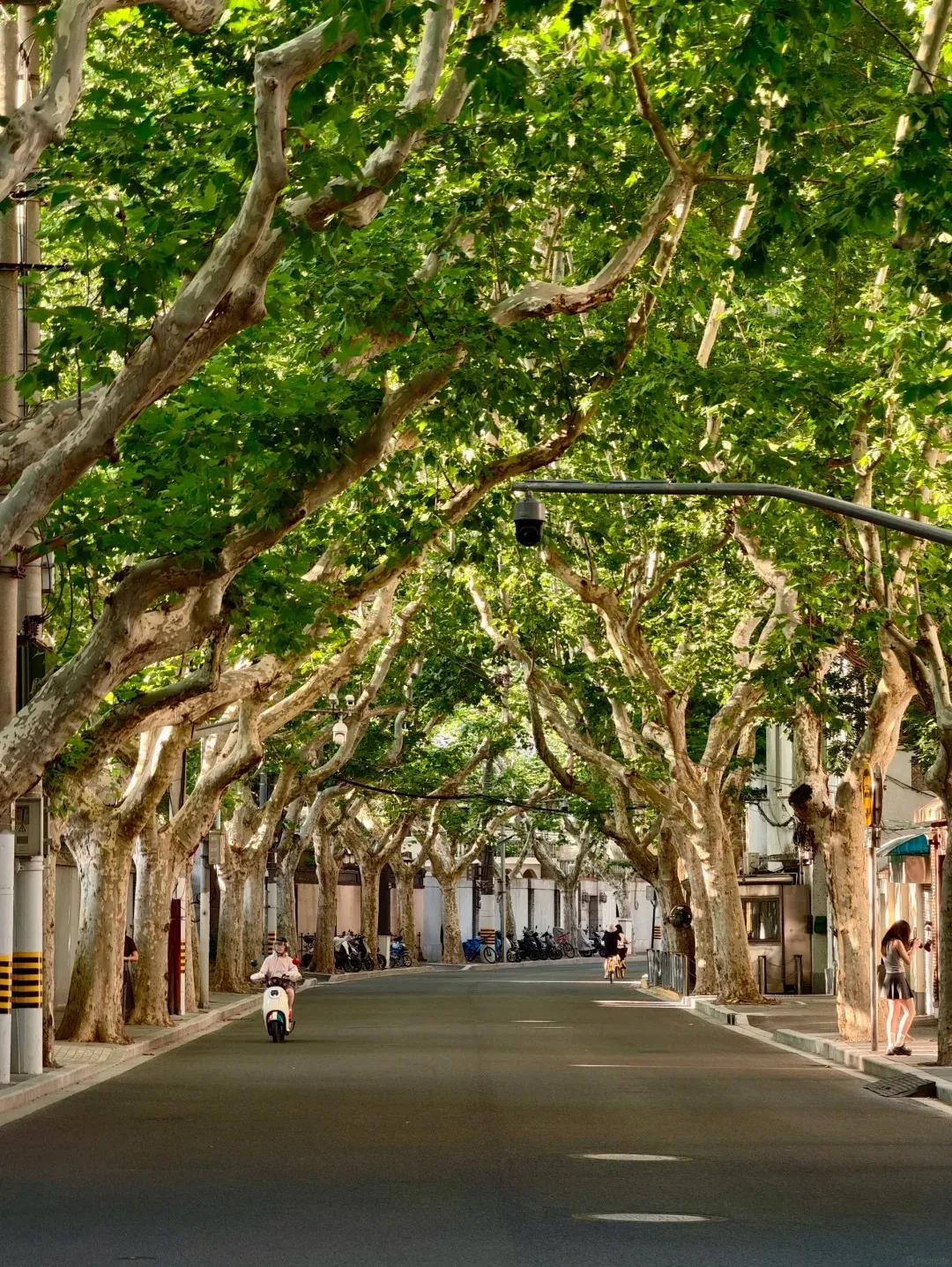
A wide, paved street lined with mature sycamore trees that form a lush green canopy overhead. The trees have distinctive mottled bark and thick branches. On either side of the street are buildings, some with traditional European-style architecture and others with Shikumen elements. People are visible on the street; one person rides a scooter, another rides a bicycle in the distance, and a woman stands on the sidewalk. Sunlight filters through the leaves, creating dappled light on the road.

Step away from the skyscrapers and discover the serene beauty of Shanghai’s historic districts. This tree-lined avenue in the Former French Concession, with its majestic sycamores and charming architecture, offers a glimpse into the city’s rich cultural tapestry, inviting exploration beyond the iconic skyline.

It is tempting to visit Yuyuan Garden to see “historic” Shanghai. Is it worth it? Honestly, no. In 2026, Yuyuan is a crowded, commercialized trap where you will battle thousands of tour groups just to buy an overpriced magnet. Instead, dive into the city’s authentic neighborhoods.

The Former French Concession (FFC)

The FFC is a living museum of 1920s Art Deco and traditional Shikumen (stone-gate) lane houses. Walk down Fuxing Road beneath the canopy of London plane trees. The sensory experience here is pure Shanghai: the hum of electric scooters, the scent of frying scallions from a morning jianbing cart, and the sight of laundry hanging perilously from wrought-iron balconies.

Jing’an Temple: A Contrast of Eras

Located on West Nanjing Road, Jing’an Temple perfectly encapsulates Shanghai’s contradictions. It is a 1,000-year-old Buddhist temple rebuilt in gleaming gold and Burmese teak, completely engulfed by luxury shopping malls. The 50 RMB entry fee is steep, but the scent of burning incense cutting through the exhaust of passing sports cars makes it a mesmerizing stop.

Booking Cultural Experiences and Travel

If your cultural exploration takes you beyond Shanghai to neighboring Suzhou or Hangzhou, you will need to navigate the high-speed rail network. Do not use third-party scalper sites. According to the official 12306 railway platform, foreign tourists can now easily register with a passport and book e-tickets directly in English.

For evening entertainment, skip the overpriced Huangpu River dinner cruises. Instead, book tickets for the ERA2 – Spirit of Shanghai acrobatics show at Shanghai Circus World. The sheer physical artistry perfectly blends traditional Chinese acrobatics with modern multimedia, easily accessible via Metro Line 1.
Frequently Asked Questions About China Travel

Do I need a visa to visit China in 2026?

Travelers from 54 eligible countries can utilize the 144-hour visa-free transit policy to visit Shanghai and surrounding regions without a traditional visa. You must hold a valid passport and a confirmed onward ticket to a third country to qualify.

While cash is technically legal tender, it is rarely accepted in major cities like Shanghai. You should set up Alipay or WeChat Pay linked to your international credit card before arrival for all daily transactions.

Because the Great Firewall blocks many international sites and apps, a reliable VPN or an international eSIM is essential for your trip. These tools ensure you can access your email, social media, and navigation apps while traveling.

Foreign tourists should use the official 12306 railway platform to book e-tickets directly in English. Avoid third-party scalper sites to ensure you get authentic tickets at standard prices.

Conclusion

Shanghai is a city that refuses to stand still. While its towering skyline projects a vision of the future, the city’s true cultural heartbeat is found in the quiet lane houses of the FFC, the bold canvases of the West Bund, and the digital-first rhythm of its daily life. By stepping away from the standard tourist checklists and embracing the city’s complex layers, you uncover a destination rich in both heritage and innovation. Ready to explore more of China? Check out our complete guide to navigating the high-speed rail network to plan your next stop.

Similar posts to this one

A wide shot of the Wukang Mansion, a prominent Art Deco building in Shanghai, under a clear blue sky. The building has a distinctive curved facade, constructed of red brick with numerous windows and balconies. The lower floors feature arched entrances and gray stone detailing. Several people are visible walking on the street in front of the building.

Beyond the Bund: A Practical Guide to Shanghai's Art Deco Architecture

Shanghai isn't just a cyberpunk skyline of glass and steel. Beneath the towering shadows of Lujiazui lies the largest collection [...]

A display of traditional Chinese cheongsam dresses and jackets on mannequins and shelves. The garments feature various patterns like blue and white plaid, blue stripes, and subtle checkered fabrics. Some have mandarin collars and frog fastenings. A tote bag with a cat pattern hangs on the left, and a quilted fabric bag is also visible.

Beyond the Silk Road: A Practical Guide to Custom Cheongsam in Suzhou

For centuries, the misty canal city of Suzhou has been the undisputed capital of Chinese silk. If you are traveling [...]

A woman wearing a black beret and jacket walks away from the camera through a narrow alleyway lined with numerous colorful oil paintings displayed on easels and walls. A black camera hangs from her hand. The paintings vary in size and style, featuring portraits, abstract designs, and detailed scenes. Some paintings are on wooden stands in the foreground, while others are hung higher up on the building's facade. The alley floor is concrete with painted graffiti and a manhole cover. An air conditioning unit is visible on the building to the left.

Art on a Budget: A Practical Guide to Shenzhen's Dafen Oil Painting Village

Stepping into the labyrinth of alleys in Shenzhen's Longgang District, the thick, earthy scent of linseed oil and turpentine immediately [...]

Get the China Arrival Survival Kit

Planning a trip here has a steep learning curve. Join our newsletter and receive our free “Day One Checklist” covering everything from setting up Alipay and WeChat to bypassing the internet firewall.