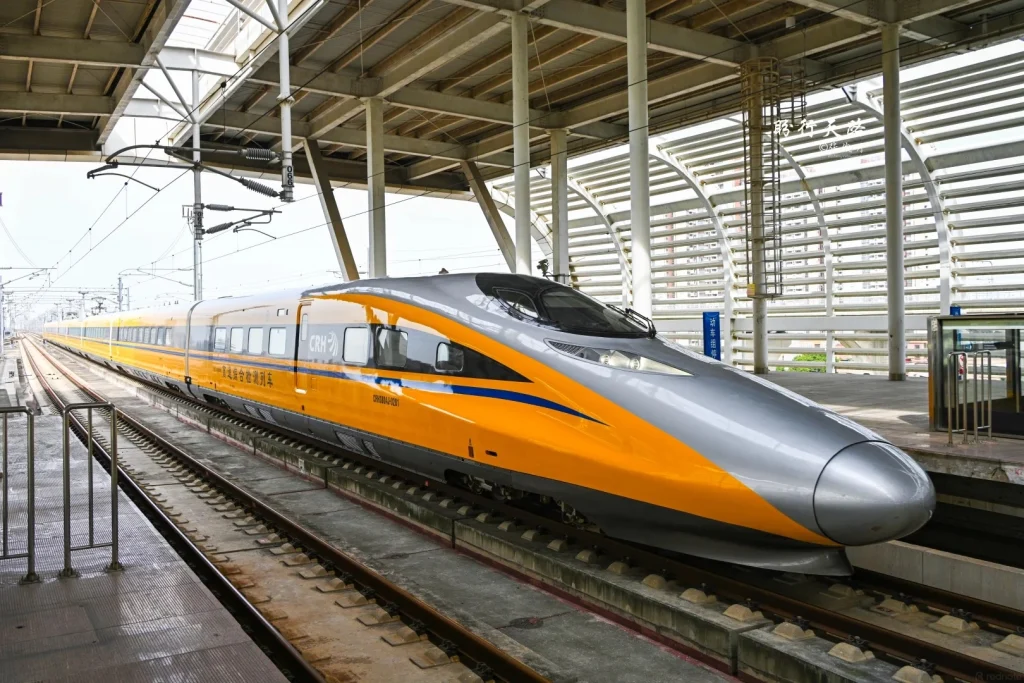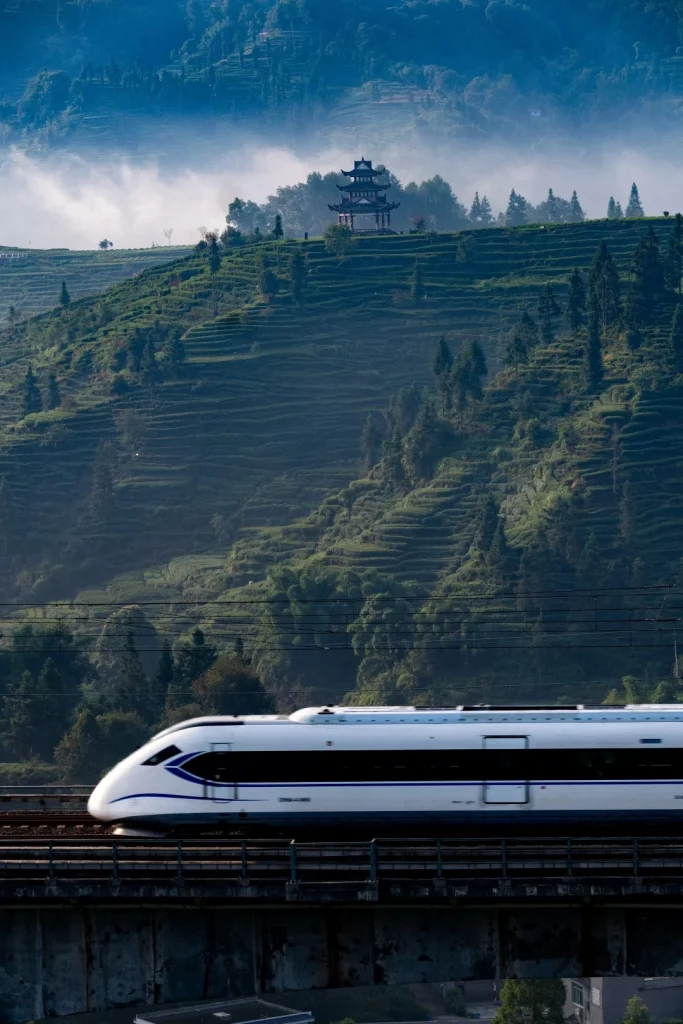



What is the 144-Hour Visa-Free Transit?
The 144-hour visa-free transit is an official Chinese immigration policy allowing eligible passport holders from 54 countries to enter Guangdong province without a prior visa for up to six days. You must possess a confirmed onward ticket to a third country or region, such as Hong Kong or Macau.
Essential Logistics: How to Navigate the Shenzhen Metro
Digital Payments: WeChat, Alipay, and Connectivity
In 2026, physical cash is practically obsolete in Shenzhen. The most efficient way to ride the metro is by using the Shenzhen Metro mini-program embedded within the Alipay or WeChat apps. Simply generate a QR code and scan it at the turnstiles.
To use these apps seamlessly, you need a stable, uncensored internet connection the moment you land. Because Western apps and Google Maps are blocked by the Great Firewall, a reliable travel eSIM is an absolute necessity for navigation.
💡 Editor’s Pick: We recommend Nomad eSIM for China because it reliably bypasses the Great Firewall with stable speeds.
Once connected, you can link a foreign Visa or Mastercard to Alipay. The app will automatically calculate your fare based on distance, so you never have to worry about buying the wrong ticket.
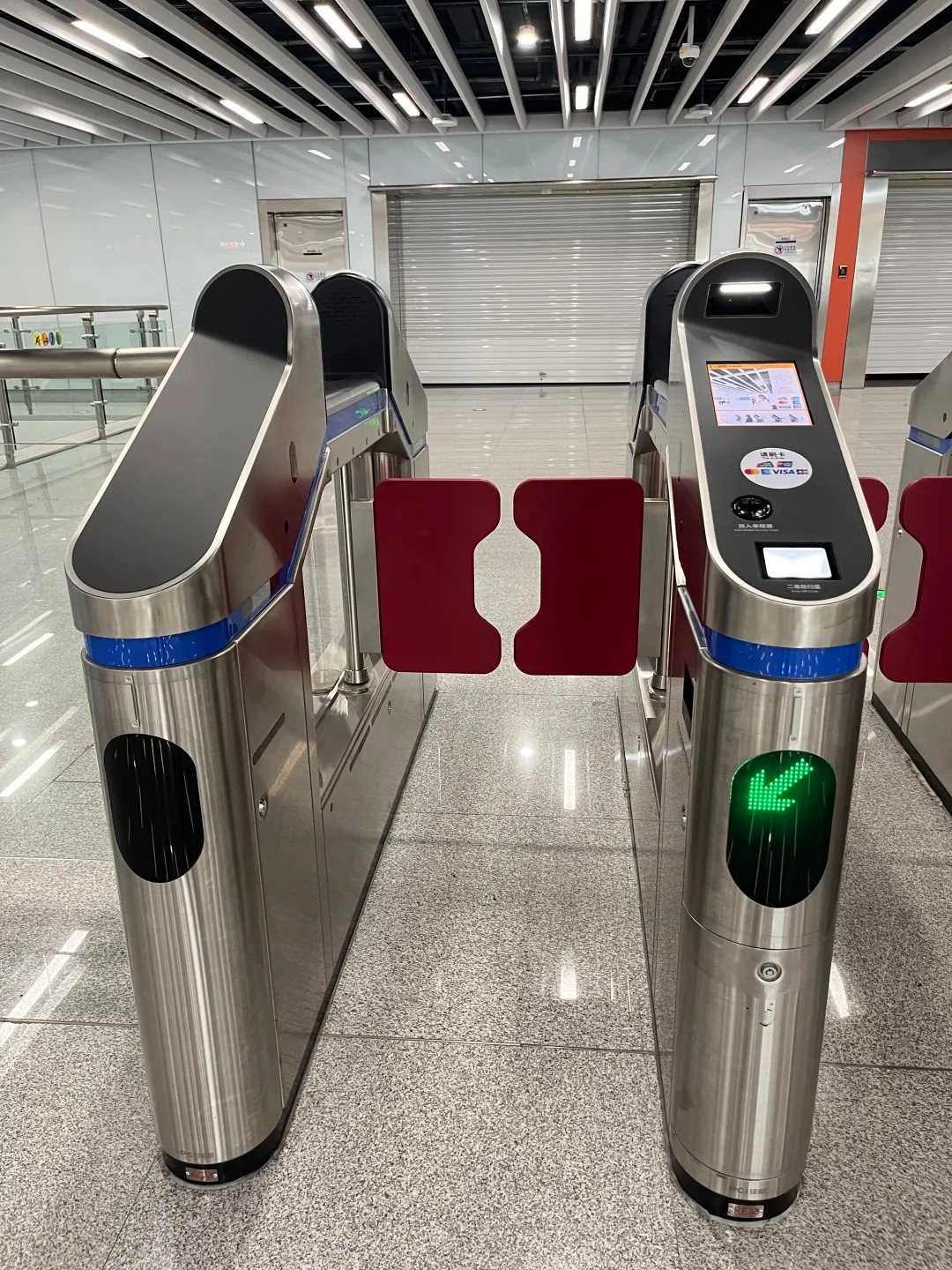
Navigating the Shenzhen Metro is a breeze with multiple payment options, including QR code scanning and contactless cards, ensuring a smooth journey to the city’s vibrant tech hubs and serene parks.
Buying Tickets and the Shenzhen Tong Card
If you prefer not to rely on your smartphone, head to the automated vending machines at any station. According to the official Shenzhen Metro fare policy, rides start at 2 RMB for the first 4 kilometers, adding 1 RMB for every subsequent 4 to 8 kilometers.
For longer stays, purchase a physical Shenzhen Tong smart card from the ticketing office. It offers a slight discount on fares and works on all city buses. Be prepared: station attendants rarely speak English, so having a translation app ready is highly recommended.
Reaching Shenzhen’s Top Tech Hubs and Skyscrapers
Ping An Finance Centre (Line 1 or 3)
To see the city from the clouds, take Line 1 or 3 to Shopping Park Station (Exit D). You will emerge into the blasting air conditioning of the Futian Central Business District. A five-minute walk brings you to the Ping An Finance Centre, the fourth-tallest building in China.
Tickets to the 116th-floor Free Sky observation deck cost roughly 200 RMB. What to Know Before You Go: Arrive before 10:00 AM to beat the domestic tour groups. On a clear day, you can see all the way across the bay to Hong Kong’s New Territories.
Huaqiangbei Electronics Market (Line 2 or 7)
Take Line 2 or 7 to Huaqiang North Station to experience the world’s largest electronics market. The sensory overload here is intense. The air smells sharply of ozone, soldering iron smoke, and street-side stinky tofu.
This is where hardware hackers and tech entrepreneurs source components. Even if you aren’t building a drone from scratch, exploring the endless, neon-lit stalls of LED lights, mechanical keyboards, and smart gadgets is a fascinating look into Shenzhen’s industrial heart.
Discovering Creative Parks and Hidden Gems
OCT-Loft Creative Culture Park (Line 1)
Shenzhen isn’t just concrete and glass. Take Line 1 to Qiaocheng East Station (Exit A) for a completely different vibe. OCT-Loft is a complex of repurposed communist-era factories that now house contemporary art galleries, indie bookstores, and specialty coffee shops.
The contrast here is striking. While a bottle of water costs 3 RMB at a local corner store, expect to pay 35 RMB for a meticulously crafted pour-over coffee at Gee Coffee Roasters. The lush, banyan-shaded alleyways provide a much-needed break from the city’s infamous 90% summer humidity.
Dafen Oil Painting Village (Line 3)
Ride Line 3 to Dafen Station (Exit A1) to visit a neighborhood once responsible for producing 60% of the world’s replica oil paintings. While AI has recently disrupted their business model, Dafen remains a visually stunning labyrinth of canvases and paint-splattered alleyways.
Insider Tip: Skip buying the mass-produced Van Gogh replicas. Instead, commission a local artist to paint a custom portrait from a photograph. A high-quality 50x60cm custom piece usually costs around 1200 RMB and takes a few days to complete.

Immerse yourself in the artistic heart of Shenzhen. While this studio showcases a vibrant interpretation of Starry Night, Dafen Oil Painting Village is renowned for its skilled artists who can replicate masterpieces and create original works, making it a unique destination to explore the city’s creative spirit.
Cross-Border Transfers: Hong Kong to Shenzhen
Luohu and Futian Checkpoints
The Shenzhen Metro integrates flawlessly with the Hong Kong border. If you are taking the MTR East Rail Line from Hong Kong, you will cross into Shenzhen at either the Luohu (Line 1) or Futian (Line 4) checkpoints.
Futian is generally faster and preferred by business travelers. Luohu drops you directly into the chaotic Luohu Commercial City, a massive five-story mall famous for tailor-made clothing. If you want a bespoke suit made in 48 hours, this is the place, but be prepared for aggressive haggling.
High-Speed Rail Connections
If you are traveling deeper into China, take Line 4 or 5 to Shenzhen North Railway Station. From here, high-speed bullet trains connect to Guangzhou, Changsha, and beyond. Always book these tickets in advance via the official 12306 railway platform to guarantee a seat.
Real Experiences and Insider Tips for 2026
Surviving the Commuter Crush
Shenzhen’s population exceeds 12 million, and you will feel it during rush hour. Between 8:00 AM and 9:00 AM, stations like Chegongmiao become a sea of humanity. The older Line 1 stations have a distinct smell of damp air conditioning and wet umbrellas during the summer monsoon season.
Is it Worth It? The Overrated Attractions
Many older guidebooks recommend taking Line 1 to Window of the World to see miniature replicas of global landmarks. Skip it. In 2026, this 1990s-era theme park feels incredibly dated and overpriced. Spend your time at the Shenzhen Bay Park (Line 9) instead for spectacular, free sunset views of the modern skyline.
Navigating Without Google
Do not rely on Google Maps to find the correct metro exits. The GPS offset in China will lead you astray. Use Apple Maps (which partners with local data providers in China) or download the Baidu Maps app to ensure you emerge from the sprawling underground stations on the correct side of the street.