


Logistics: Getting to Yanji and Staying Connected
What is the 144-Hour Visa-Free Transit?
The 144-hour visa-free transit policy allows citizens from 54 eligible countries to explore specific Chinese regions, including Liaoning and Jilin provinces, for up to six days without a prior visa. You must hold a valid passport and a confirmed onward ticket to a third country.
Navigating China in 2026 requires digital preparation. Cash is practically obsolete in Yanji. You must download Alipay and bind your foreign credit card before arriving. This app is essential for buying street food, renting bikes, and hailing taxis.
For navigation and translation, standard western apps will fail without a VPN. I highly recommend installing an eSIM before your flight touches down to ensure seamless, unrestricted internet access.
💡 Editor’s Pick: We recommend Nomad eSIM for China because it reliably bypasses the Great Firewall with stable speeds.
To reach Yanji, most travelers take the high-speed rail from Changchun or Shenyang. According to the official China Railway 12306 policy, foreign travelers can now seamlessly book e-tickets using their passport number directly on the English version of the 12306 app.
3-Day Yanji and Tumen Itinerary
Day 1: Yanji West Market and Coffee Culture
Start your morning at the Yanji West Market (Xishichang). The sensory overload hits immediately: the salty tang of dried pollack, the pungent spice of massive kimchi stalls, and the cacophony of bilingual Mandarin and Korean bartering.
This is the heartbeat of the city. You will see locals purchasing premium rice—Yanbian farmers are famous for skillfully mixing aromatic and regular rice varieties to achieve the perfect texture. Expect to pay around ¥45 for a beautiful set of traditional Korean brass bowls.
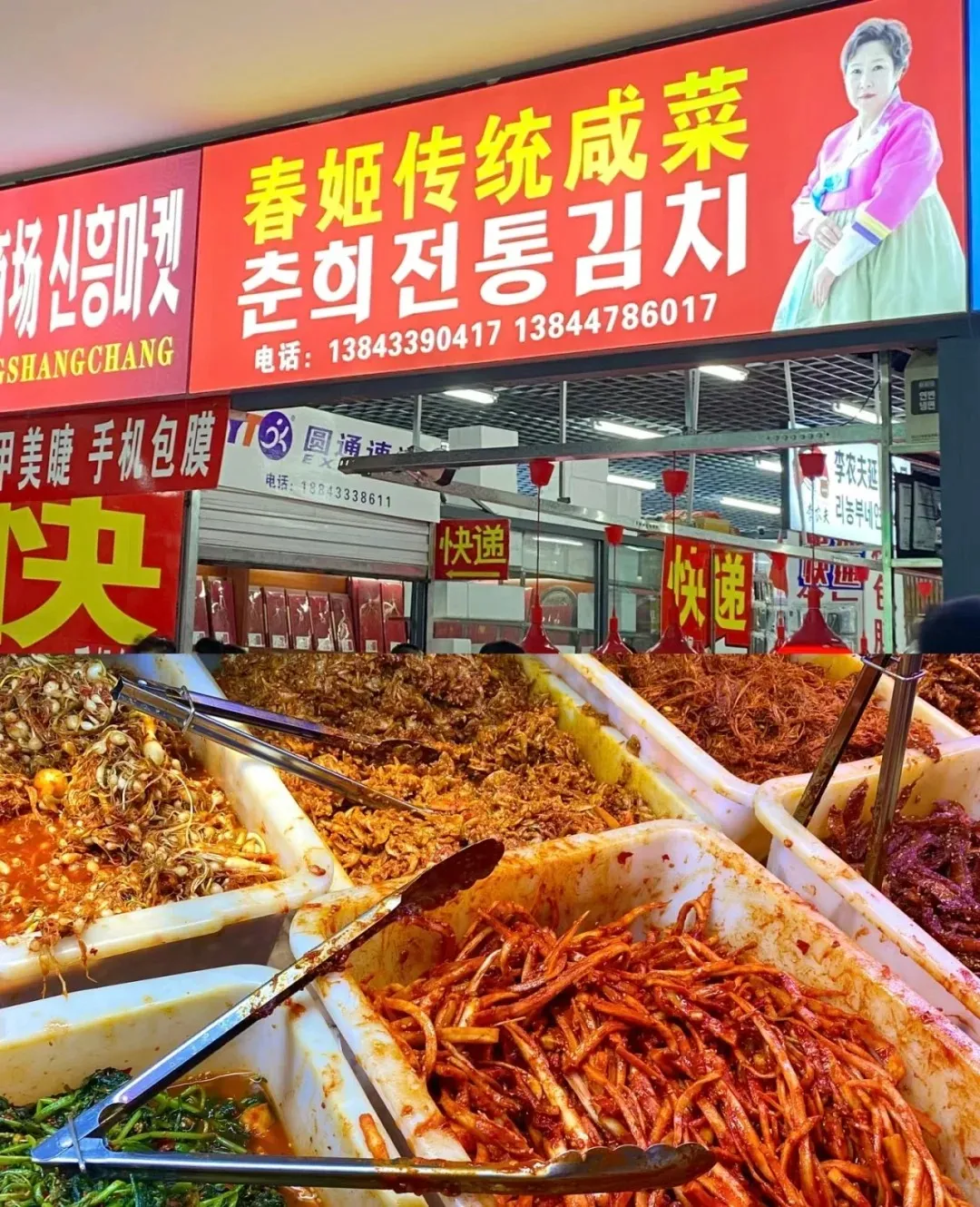
Vibrant displays of traditional Korean kimchi and pickled vegetables, a staple of Korean cuisine, fill the stalls at Yanji West Market. Reflecting the city’s unique blend of cultures, these offerings are a cornerstone of the Yanbian Autonomous Prefecture’s distinctive culinary identity, showcasing a true ‘Taste of Korea in China.’
For lunch, head to San Qian Li Cold Noodles on Xinhua Street. For just ¥22, you get a massive stainless-steel bowl of chewy bean thread noodles in an addictively sweet, ice-cold beef broth. It is a local staple that perfectly cuts through the summer heat.
Spend your afternoon cafe-hopping along Aidan Road. Yanji boasts a booming, trendy coffee culture. Grab a ¥25 Americano at a Korean-run cafe and people-watch as the city transitions into a neon-lit hub.
Day 2: The North Korean Border at Tumen
Take the 15-minute high-speed train from Yanji to Tumen. This quiet border city sits directly on the Tumen River, acting as a physical divide between China and North Korea’s Namyang city.
Walking along the riverside promenade, the contrast is stark. On the Chinese side, you have bustling vendors and paved roads; across the narrow river, you will see quiet North Korean farming villages and barren hillsides.
Insider Tip: Skip the aggressive vendors renting out binoculars for ¥50 on the promenade. The river is narrow enough that you can easily observe the North Korean watchtowers and daily village life with the naked eye or a standard camera zoom lens.
If you have extra time, hire a local driver to take you further down the river to Hunchun, the fascinating tri-point border where China, Russia, and North Korea meet. Here, street signs add Russian to the mix, and the cultural shift is palpable.
Day 3: Mao’er Mountain and Yanbian Nightlife
Burn off yesterday’s heavy meals with a morning hike up Mao’er Mountain. It takes about 90 minutes to complete the boardwalk loop to the peak. The air is crisp, and the panoramic views of Yanji city below are stunning.
What to Know Before You Go: Avoid Mao’er Mountain on weekend afternoons. It becomes incredibly crowded with local families. Go before 9:00 AM for a peaceful walk, and look out for locals renting hammocks in the pine woods for ¥40 a day.
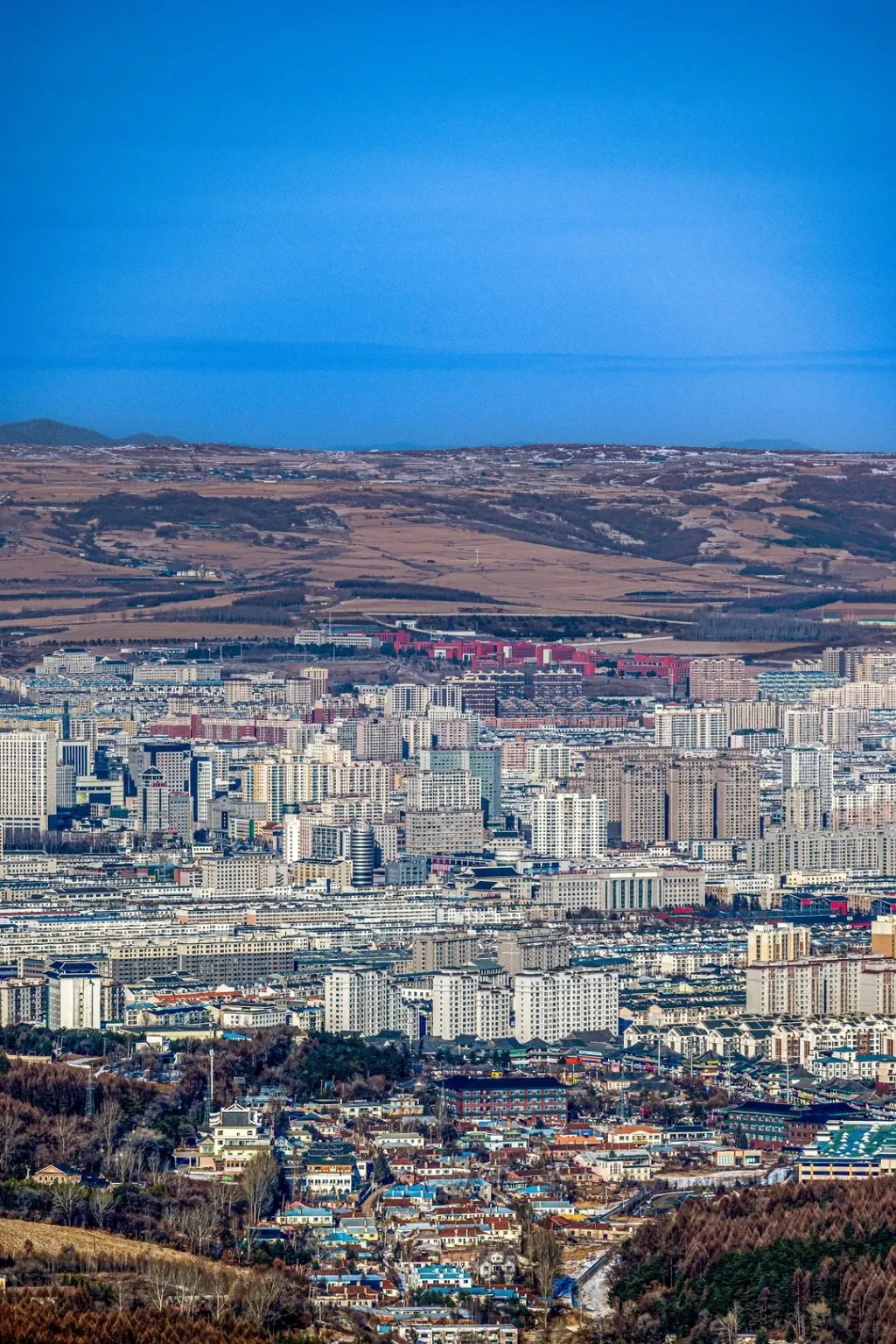
The sprawling cityscape of Yanji, the bustling capital of the Yanbian Korean Autonomous Prefecture, as seen from the scenic Mao’er Mountain. This panoramic view underscores the vibrant heart of China’s unique Korean border region.
For your final dinner, indulge in Yanbian-style Korean BBQ. Because many locals work in South Korea and return home, the culinary trends here are highly authentic. Enjoy thick cuts of pork belly and bubbling jiangtang (soybean paste stew) for around ¥80 per person.
After dinner, walk along the brightly lit bridges spanning the Burhatong River. The neon reflections on the water and the vibrant youth culture make it clear why Yanji is often dubbed the “Third Korea.”