


Planning a trip to the Tibetan Autonomous Region (TAR) often involves a mountain of red tape, mandatory tour guides, and expensive permits. But there is a better, cheaper, and completely unrestricted alternative right next door. Welcome to the Garze Tibetan Autonomous Prefecture.
If you want to experience golden-roofed monasteries, nomadic grasslands, and towering Himalayan peaks without the bureaucratic headache, this is your destination. This guide covers the Kangding, Tagong and Tibetan Sichuan: Easy Starter Route for First‑Timers, perfectly optimized for a 4 to 5-day adventure out of Chengdu.
How to Get There: Logistics and Connectivity
Getting into the mountains of western Sichuan has never been easier. While travelers used to endure a grueling 8-hour bus ride, the 2026 completion of the Chengdu–Kangding high-speed railway has revolutionized this route.
According to the official 12306 rail policy, foreign travelers can now book tickets up to 15 days in advance using their passport details on the official 12306 English website. Tickets cost roughly ¥150 ($21 USD) for a second-class seat.
Once you leave Chengdu, you will lose access to standard Wi-Fi, and the Great Firewall will block your standard apps. You need a reliable eSIM to use translation apps and digital maps on the road.
💡 Editor’s Pick: We recommend Nomad eSIM for China because it reliably bypasses the Great Firewall with stable speeds.
What is the 144-Hour Visa-Free Transit?
The 144-hour visa-free transit is a Chinese immigration policy allowing passport holders from 54 eligible countries to stay in specific regions, including Chengdu and the wider Sichuan province, for up to six days without a pre-approved visa, provided they have proof of onward international travel.
Day 1: Acclimatizing in Kangding
Kangding is a bustling, steep river valley town where Han Chinese and Tibetan cultures collide. Stepping off the train, you will immediately feel the drop in temperature and notice the thick, earthy aroma of yak butter tea drifting from local cafes.
Because Kangding sits at 2,600 meters, you must spend your first night here to avoid altitude sickness. Take it slow. A brisk walk up the stairs of the old town will leave you surprisingly breathless.
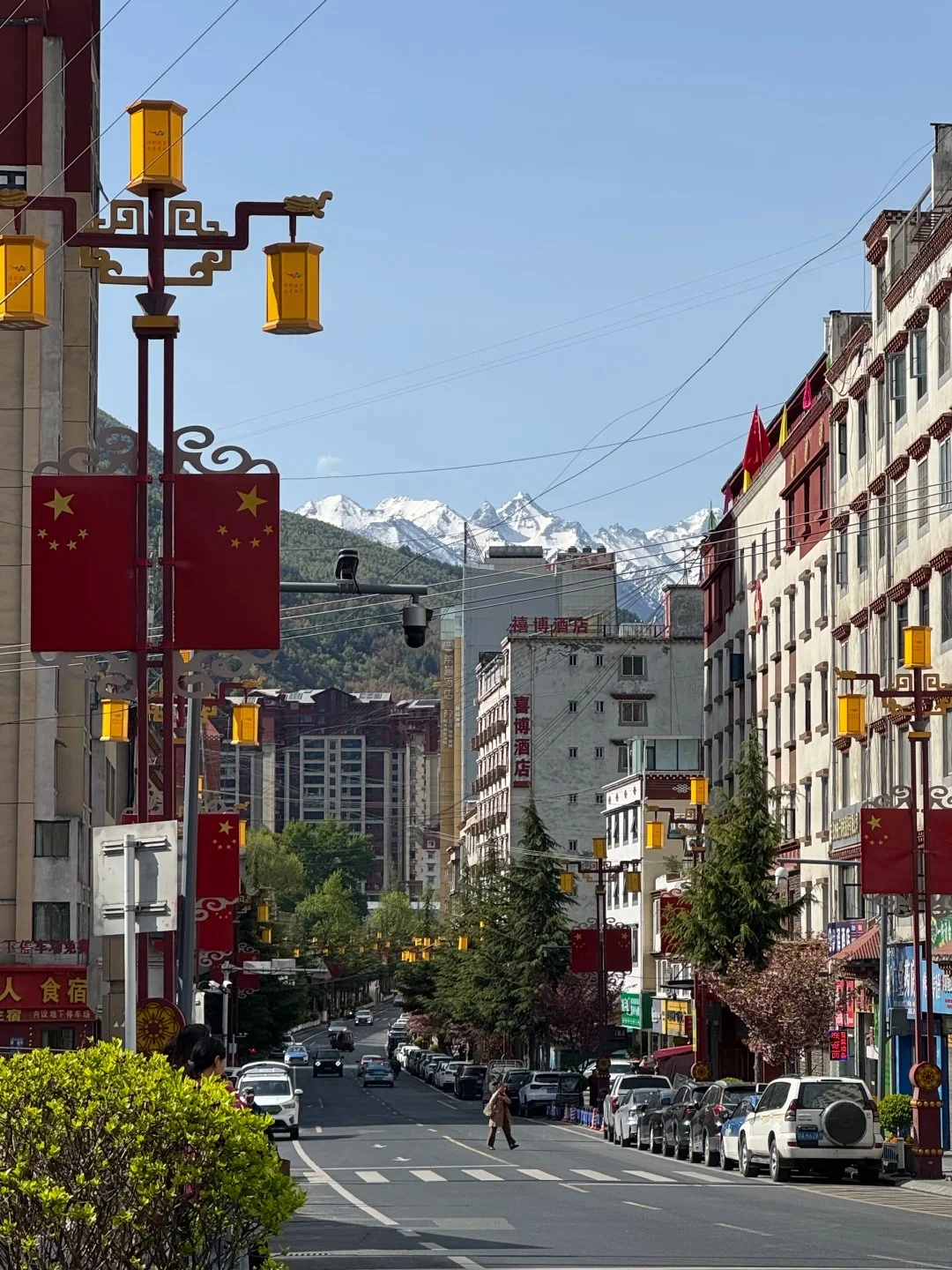
The vibrant streetscape of Kangding, a gateway to Tibetan Sichuan, showcases a blend of Chinese and Tibetan cultural influences, with snow-capped peaks in the distance serving as a majestic backdrop.
What to Do in Kangding
Start with a slow walk to Nanwu Monastery. It is highly active, and you will likely hear the low, resonant chanting of monks echoing through the courtyards. In the evening, take Bus 3 (¥2) to the Erdaoqiao Hot Springs just 3km north of town.
A private soak in these mineral-rich waters costs about ¥30 to ¥50 and is the perfect way to wash off the travel fatigue. For dinner, skip the generic hotel food and find a local spot serving steaming bowls of spicy Sichuan mapo tofu alongside Tibetan yak meat momos.
Day 2: The Sci-Fi Landscapes of Bamei
Hire a shared taxi (known locally as pinche) from Kangding toward Tagong. You will find drivers loitering outside the main bus station. A seat costs roughly ¥50 to ¥80. Tell the driver you want to stop at the Bamei Moshi Geopark along the way.
Entry to the park is ¥60. This 4.7-square-kilometer geological wonder looks like a moonscape. The jagged, spiky mylonite rocks turn a glistening, stark black when it rains, contrasting violently with the vibrant green summer grass.
Day 3: The High Altitude Grasslands of Tagong
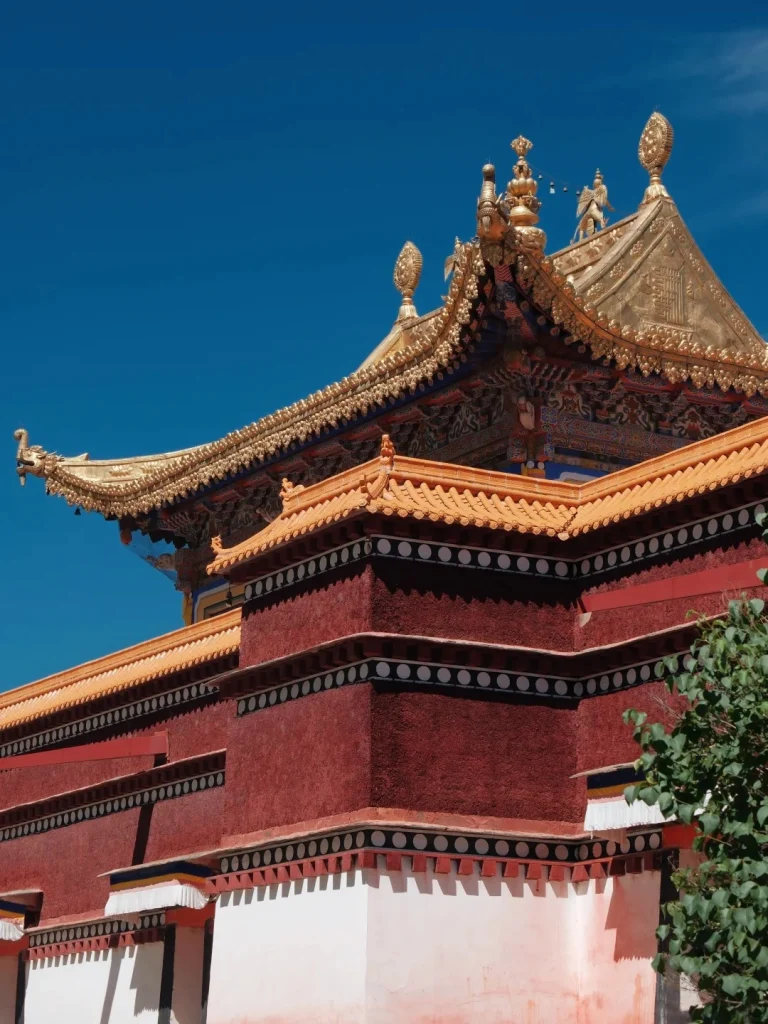
Arriving in Tagong (3,700m), you will feel the biting wind of the Tibetan plateau. This small town centers entirely around the Lhagang Monastery (¥20 entry). Inside, you can view a revered replica of the Buddha statue brought by Princess Wencheng in 640 CE.
Insider Tip: Skip the Golden Stupa Entrance Fee
Tourists are often funneled toward paying an entry fee to walk right up to the Muya Golden Stupa. Skip it. The stupa looks underwhelming up close. Instead, walk 800 meters southeast to the designated parking lot viewpoint (¥20).
From this elevated ridge, you get a breathtaking panoramic view of the golden roofs gleaming against the towering, snow-capped Yala Mountains. It is the best photo opportunity in the region.
Spend your afternoon doing a grassland horse trek. Local Tibetan nomads rent out horses for roughly ¥200 per day. Be prepared: Tibetan saddles are notoriously hard wooden frames covered in basic carpets, so a half-day ride is usually plenty for a beginner.
Day 4: The Ancient Watchtowers of Danba
Catch another shared van down to Danba (1,893m). The drop in altitude will make you feel like you have superhuman lungs. Danba is famous for its Gyalrong Tibetan villages, which cling to the sides of dramatic, plunging river gorges.
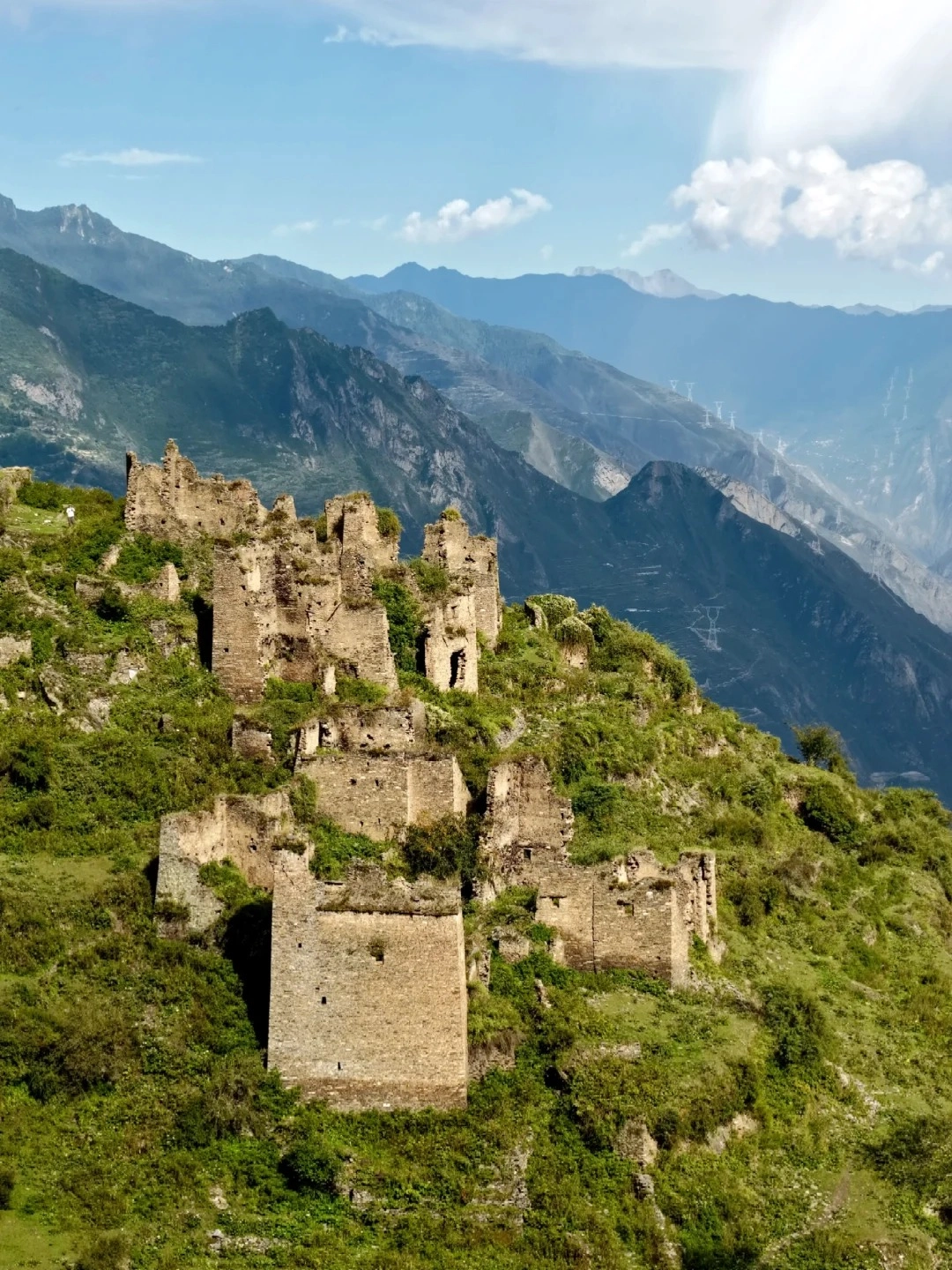
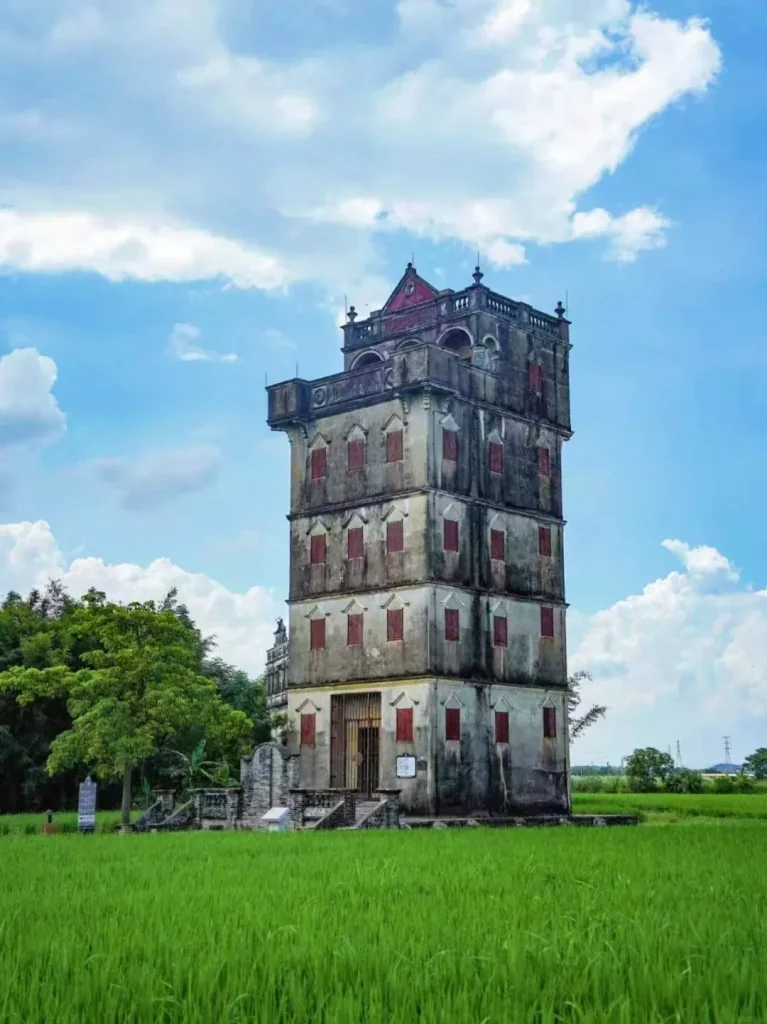
These ancient watchtowers are a defining feature of Jiaju Zangzhai, a stunning Tibetan village often visited as part of the Kangding and Tagong loop in Sichuan, perfect for first-time visitors to the region.
Head straight to Jiaju Zangzhai (¥50 entry). This village is dotted with 60-meter-high stone watchtowers built over 700 years ago to pass smoke signals and repel marauders.
Book a room in a local boutique homestay here. Expect to pay around ¥300 to ¥500 ($42–$70 USD) for a beautifully renovated room with walk-in showers and home-cooked meals included. Sitting on a flat rooftop at sunset, eating fresh vegetables grown in the terraces below, is an unforgettable experience.
Essential Etiquette and What to Avoid
When traveling through Tibetan Sichuan, respect for local religious customs is non-negotiable. Always walk clockwise (a kora) around temples, stupas, and prayer wheels.
You will see colorful mani stones carved with Buddhist mantras stacked along rivers and roads. Never touch, move, or take these stones as souvenirs. They are placed there as physical prayers by pilgrims.
What to skip: You will notice shops renting out flashy Tibetan costumes for tourists to wear during photoshoots. It is highly superficial and borders on treating a living, deeply spiritual culture as a theme park. Skip the costume rental and spend your money buying authentic yak butter or supporting local teahouses instead.