
Is Xiamen Worth Visiting? Gulangyu Island, Fujian Tulou & Coastal Eats Guide

Xiamen (Amoy) often flies under the radar compared to Beijing or Shanghai, but for savvy travelers in 2026, it represents the perfect blend of Southern Chinese heritage, colonial history, and subtropical island vibes. Situated in Fujian province across the strait from Taiwan, this port city offers a sensory shift from the frenetic energy of the north. If you are wondering is Xiamen worth visiting, the answer depends on your patience for ferry logistics and your appetite for some of China’s most unique seafood.

Quick Summary: Key Takeaways for Your Trip

  • The Verdict: Yes, Xiamen is worth visiting for 2–3 days, specifically for its unique mix of European architecture and Hokkien culture.
  • Visa Policy: Xiamen is a key entry point for the 144-hour visa-free transit policy, making it an easy stopover without a full visa.
  • Crucial Logistics: Foreigners cannot use the local ferry terminal to reach Gulangyu during the day; you must use the International Cruise Terminal (Dongdu).
  • Best Day Trip: The UNESCO Fujian Tulou (earthen roundhouses) are a must-do, located about 2.5 hours away by train/car.
  • Connectivity: Google Maps and standard social media do not work without a VPN or a compliant eSIM.

Summarize with :

What is the 144-Hour Visa-Free Transit?

The 144-hour visa-free transit is a policy allowing travelers from 54 countries (including the US, UK, EU, Canada, and Australia) to enter designated Chinese ports, including Xiamen Gaoqi International Airport, for up to six days without applying for a visa in advance. To qualify, you must hold a valid passport and a connecting ticket to a third country or region (e.g., USA -> Xiamen -> Hong Kong) departing within 144 hours.

Gulangyu Island: The Crown Jewel (and How to Survive It)

Gulangyu is a pedestrian-only island famous for its colonial consulates, piano museums, and banyan-shaded alleys. It is a UNESCO World Heritage site and arguably the main reason travelers flock to Xiamen. However, the experience can vary wildly depending on how you navigate the crowds.
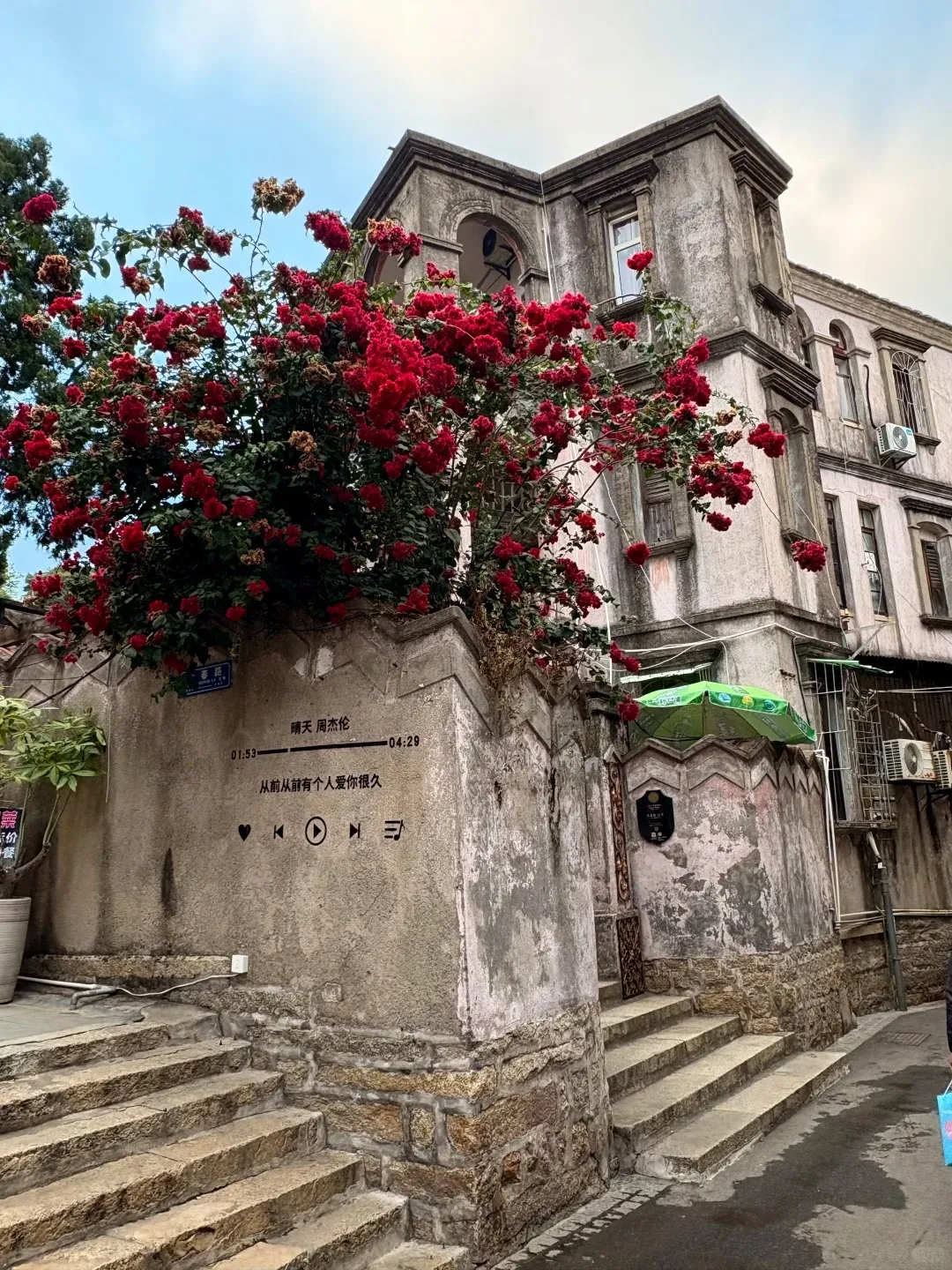
A weathered, grey colonial-style building on Gulangyu Island featuring a prominent tower, arched balcony, and multiple windows. A large bush of bright red flowers covers the lower front. Stone steps ascend from the street on both sides. On the adjacent concrete wall, black painted text includes Chinese characters, timestamps '01:53 - 04:29', and music player symbols like a heart and play button.

Beyond its historic colonial architecture, Gulangyu Island offers charming surprises. This building, vibrant with red flowers, uniquely features lyrics from Jay Chou’s iconic song ‘Qingtian’ painted on its wall, blending timeless beauty with modern cultural touches. Discover more unique spots that make Xiamen and its surroundings truly worth visiting!

Insider Tip: The Ferry Logistics Trap

The most common mistake international travelers make is showing up at the wrong ferry terminal. As of 2026, the rules remain strict:

  • Locals: Use the Lundu Ferry Terminal (downtown).
  • Tourists (You): Must use the International Cruise Terminal (Dongdu) during the day (7:10 AM – 5:30 PM).
  • Nighttime: After 5:50 PM, tourists can use the convenient Lundu Terminal (Terminal 2).

Experience Note: Tickets sell out days in advance during holidays. You should book via the official WeChat mini-program (search “Xiamen Ferry Company”) or ask your hotel concierge to book it for you 3-5 days prior. A standard round-trip ticket costs roughly 35 RMB.

Is Gulangyu Worth the Hype?

If you visit between 10:00 AM and 3:00 PM, you will be fighting shoulder-to-shoulder crowds following flag-waving tour guides. The magic of Gulangyu happens early in the morning or late at night.

Recommendation: Book a night at a heritage hotel on the island (like the Lin Family Mansion). Once the day-trippers leave on the last ferries, the island falls silent, and you can hear the sound of pianos drifting from open windows—a sensory experience that justifies the trip.

Fujian Tulou: The Architecture of Community

Located in the mountainous interior northwest of Xiamen, the Fujian Tulou are massive, donut-shaped earthen fortresses that house entire clans. They are unlike any other architecture on earth.

Nanjing vs. Yongding Clusters

Most travelers have to choose between two main areas:

  • Nanjing Tulou (Tianluokeng): Famous for the “Four Dishes and a Soup” cluster. It is closer to Xiamen (approx. 2.5 hours) but more commercialized.
  • Yongding Tulou (Hongkeng/Gaobei): Home to the “King of Tulou,” the massive Chengqilou. It feels slightly more authentic but requires a longer drive.

Logistics: You can take a high-speed train from Xiamen North Station to Nanjing Station (approx. 40 mins), then hire a local driver. However, for a stress-free experience, a private driver from Xiamen (approx. 600–800 RMB for the day) allows you to stop at tea plantations along the way.
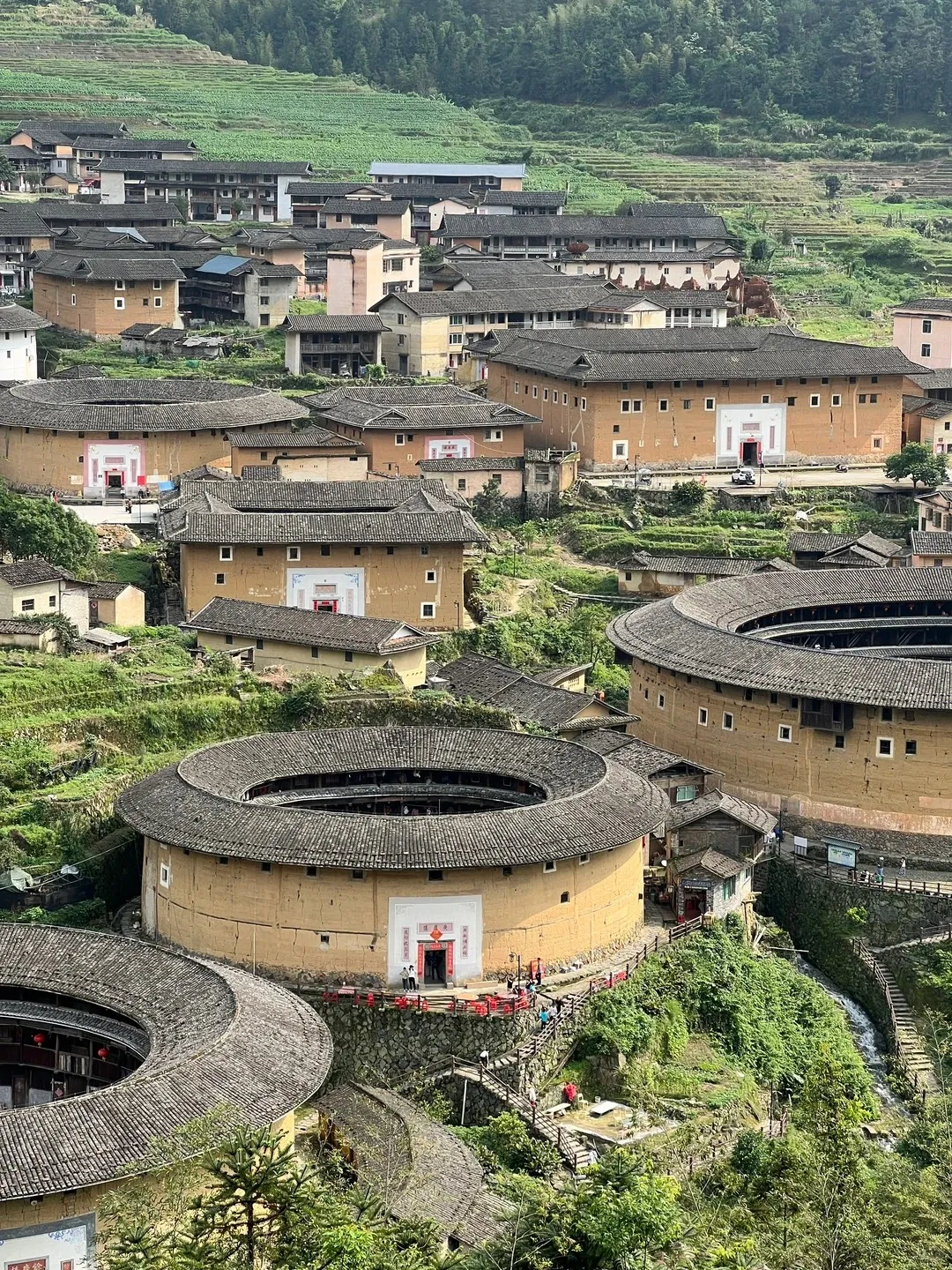
High-angle aerial view of a Fujian Tulou cluster, showcasing several large, round and square earthen buildings with dark tiled roofs. The distinctive light brown structures are nestled amidst lush green terraced hillsides and smaller traditional houses, with winding pathways connecting them.

Discover the unique architectural marvels of the Fujian Tulou, UNESCO World Heritage sites that offer a fascinating glimpse into traditional communal living. A visit to these impressive earthen castles is a memorable highlight of any trip to the Xiamen region.

Xiamen’s Coastal Eats: A Challenge for the Brave

Fujian cuisine (Min Cuisine) is renowned for its emphasis on umami and seafood. Xiamen offers street food that ranges from comforting to confronting.

Must-Try Dishes

  • Sandworm Jelly (Tusundong): This is the ultimate test. These are gelatinous worms harvested from the mudflats, boiled, and served in their own natural collagen jelly. It tastes cool and refreshing, served with cilantro, garlic, and chili. Texture: Like firm Jell-O.
  • Satay Noodles (Shacha Mian): A rich, peanut-based broth spiked with shacha sauce (dried shrimp and spices). You choose your toppings—tofu puffs and squid are standard.
  • Oyster Omelet: Unlike the crispy version in Taiwan, the Xiamen version uses sweet potato starch to create a gooey, chewy texture.

Where to Eat: Skip Zengcuo’an

Insider Tip: Avoid the “Zengcuo’an” food village. It is a tourist trap serving overpriced, generic snacks. Instead, head to the 8th Seafood Market (Kaihe Lu). This is a wet market where locals actually shop. It smells of brine and fresh fish. You can buy seafood downstairs and have restaurants upstairs cook it for a small fee (“jiagong”).

Practical Logistics for 2026

Staying Connected

Navigating Xiamen without data is nearly impossible, as you will need Alipay for payments and Amap (Gaode Ditu) for navigation. The Great Firewall blocks Google, WhatsApp, and Instagram. We strongly recommend setting up an eSIM before you land to bypass these blocks automatically.

💡 Editor’s Pick: We recommend Nomad eSIM for China because it reliably bypasses the Great Firewall with stable speeds. Use code JORICAQLKF at checkout to get $5 USD off your first data plan.

Where to Stay

  • Siming District (Near Zhongshan Road): Best for first-timers. Walkable to the ferry terminal and the 8th Market.
  • Shapowei/Xiamen University Area: Hip, artistic vibe with coffee shops and bars. Great for younger travelers.
  • Gulangyu Island: Only if you pack light (no cars/taxis means dragging luggage) and want a romantic, quiet evening.

Best Time to Visit

Avoid the “Golden Weeks” (Chinese New Year in Jan/Feb and National Day in early October). The best weather is October to November and March to May. Summers are brutally hot and humid, and typhoon season (August/September) can cancel ferries to Gulangyu on short notice.

Xiamen Travel: Your Questions Answered

Do I need a visa to visit Xiamen, China?

Not necessarily. Xiamen is a designated port for the 144-hour visa-free transit policy. Travelers from 54 countries (including the US, UK, and EU) can stay up to six days without a visa if they have a connecting ticket to a third country.

Tourists must use the International Cruise Terminal (Dongdu) during the day, not the local ferry terminal. It is highly recommended to book tickets 3-5 days in advance via the official WeChat mini-program or your hotel concierge, as they sell out quickly.

The best time to visit is from October to November or March to May when the weather is pleasant. Avoid the summer months due to high humidity and typhoon risks, and skip Chinese New Year or National Day ‘Golden Weeks’ to avoid massive crowds.

Xiamen is generally safe and accessible, but English proficiency varies. Navigation apps like Google Maps do not work well; you will need to download Alipay for payments, Amap for maps, and set up an eSIM or VPN before arriving to stay connected.

Conclusion

Is Xiamen worth visiting? Absolutely. It offers a distinct cultural flavor that you won’t find in the north or the west of China. While the ferry logistics to Gulangyu require planning, the reward is a stroll through living history. If you have 3 days, spend one night on the island, one day exploring the Tulou, and your final day eating your way through the 8th Seafood Market. It is an accessible, safe, and visually stunning addition to any China itinerary.

Similar posts to this one

A wide shot of a lavish spread of Chinese dishes on a table in a traditional restaurant with intricate wooden carvings, painted eaves, and a tiled roof visible outside, overlooking lush green trees. A hot pot is central to the table, surrounded by various platters of meat, vegetables, fruits, and prepared foods, including sliced mango and colorful rice desserts. A dark pendant lamp hangs in the foreground.

Eating Safely in China with Severe Food Allergies: A Practical Guide

Traveling to the Middle Kingdom offers incredible culinary adventures, but managing food allergies travel China style requires meticulous preparation. Navigating [...]

A large white dining table at a bustling Chinese dim sum restaurant is covered with a wide variety of dishes. Bamboo steamers hold different types of steamed dumplings, while plates display golden-brown fried sesame-coated pastries, sugar-dusted fried dough, taro puffs, and small bowls contain chicken feet and colorful jelly. A black tea thermos, a small white teapot, and a bowl of soy sauce are also on the table. In the foreground, a person's hand uses chopsticks to pick a dumpling from a steamer basket. Other diners are seated at tables in the background with a television screen mounted on the wall.

Guangzhou Dim Sum Guide: Etiquette, Ordering & Top Teahouses

The clatter of porcelain, the thick steam rolling off bamboo baskets, and the rapid-fire Cantonese echoing across a crowded banquet [...]

A vibrant overhead shot of a large, black Yin-Yang hot pot with bubbling red chili oil and clear broths, surrounded by numerous plates of raw ingredients on a wooden table. These include thinly sliced beef, fish fillets, tripe, meatballs, lotus root, potatoes, dark tofu or blood curd, seasoned chicken feet, two bowls of dipping sauce, and two plates of fried rice.

A Guide to the Best Hot Pot Restaurants in Chengdu for First-Time Visitors

Arriving in Sichuan's capital without eating hot pot is like visiting Paris and skipping the Eiffel Tower. The moment you [...]

Get the China Arrival Survival Kit

Planning a trip here has a steep learning curve. Join our newsletter and receive our free “Day One Checklist” covering everything from setting up Alipay and WeChat to bypassing the internet firewall.