


What is the 144-Hour Visa-Free Transit Policy?
The 144-hour visa-free transit policy allows citizens of 54 eligible countries to enter specific Chinese regions without a visa for up to six days. You must hold a confirmed onward ticket to a third country (not your departure country) departing within the 144-hour window.
Logistics: Digital Payments, Trains, and Connectivity
China operates on a cashless, app-based system. Before arriving in Wuyishan, you must download and verify Alipay or WeChat Pay and link them to your international credit card. Cash is rarely accepted, even for a bottle of water on the mountain trails.
To reach Wuyishan, book your high-speed train tickets exclusively through the official 12306 railway platform. Aim for Wuyishan North (Wuyishanbei) or Nanping stations, both of which are a 30-minute Didi (ride-hailing) drive from the main SGE Sangu Resort area.
Because Western apps like Google Maps and WhatsApp are blocked by the Great Firewall, you will need a reliable travel eSIM to stay connected and navigate the park.
💡 Editor’s Pick: We recommend Nomad eSIM for China because it reliably bypasses the Great Firewall with stable speeds.
What to Know Before You Go: Do not rely on Apple Maps here. Download the Amap (Gaode Ditu) app. Even if you don’t read Chinese, the visual GPS tracking is far more accurate for finding trailheads and shuttle bus stops within the park.
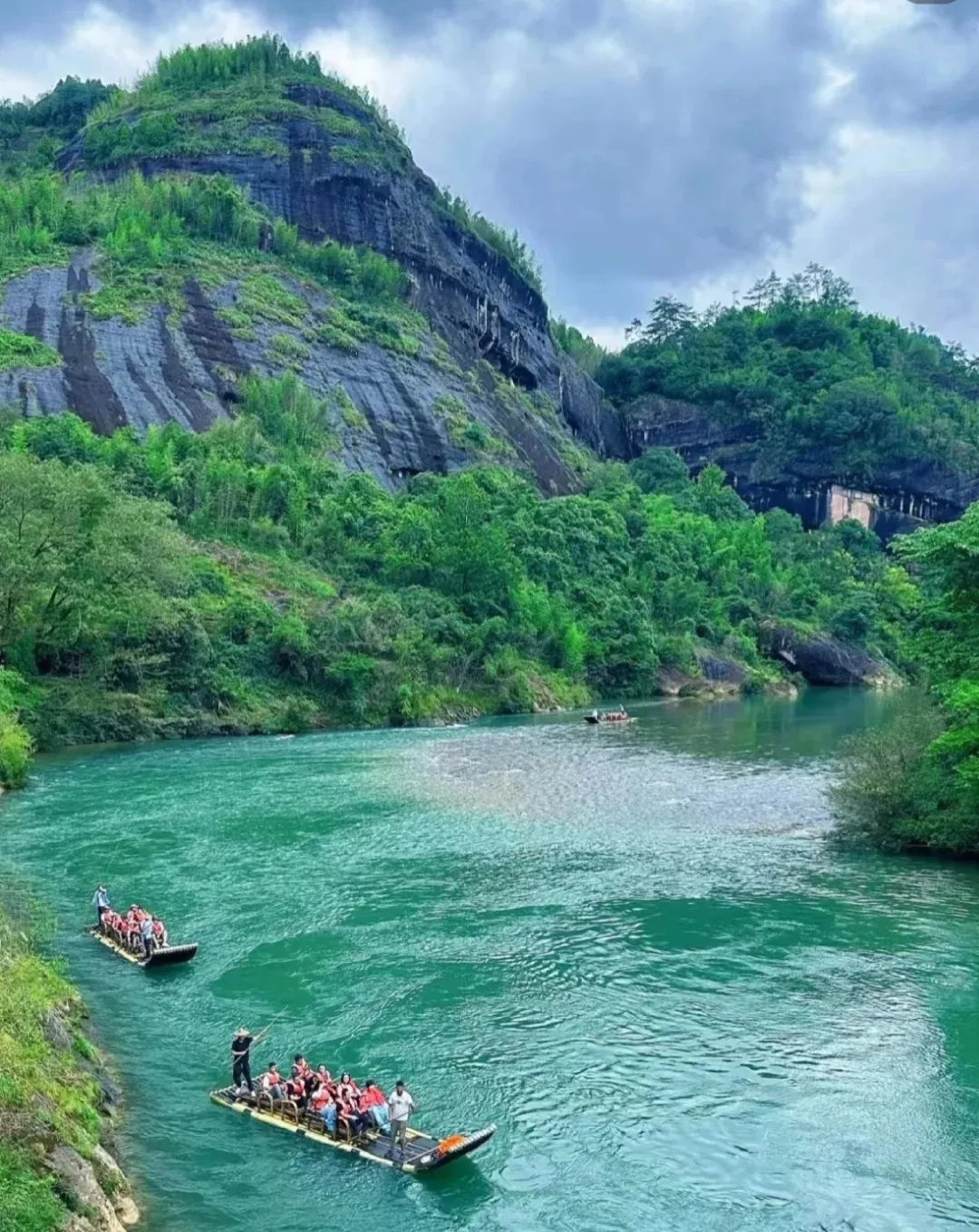
Floating down the emerald Nine-Bend Creek by traditional bamboo raft is a quintessential Wuyi Mountains experience, offering stunning views of the dramatic peaks and a refreshing break from exploring the region’s famous tea plantations and ancient temples.
Conquering Tianyou Peak (Sky-Swimming Peak)
Tianyou Peak is the crown jewel of Wuyishan, offering a sweeping, panoramic view of the winding Nine-Bend Creek below. The hike is short but punishing, consisting of 848 steep, uneven stone steps carved directly into the red sandstone cliff face.
Insider Tip: Skip this hike between 9:00 AM and 2:00 PM. The narrow staircases become a massive bottleneck of domestic tour groups, complete with guides shouting through crackling megaphones. Start your ascent at 6:30 AM to experience the sea of clouds in absolute silence.
Bring your own water from the town. While vendors operate near the summit, a basic bottle of water that costs 2 RMB in the valley will set you back 15 RMB at the top, and the humidity will make you sweat through your clothes within the first 200 steps.
The Da Hong Pao Tea Trail
Wuyishan is the birthplace of Da Hong Pao (Big Red Robe), one of the most expensive and revered oolong teas in the world. The hike through the Da Hong Pao scenic area is a relatively flat, paved walk through a deep gorge lined with lush tea bushes.
As you walk, the air is thick with the earthy, roasted scent of tea leaves baking in local workshops. The trail culminates at the original Da Hong Pao mother bushes, which are over 350 years old and perched precariously on a rocky ledge.
Is it Worth It? While the mother bushes themselves are slightly underwhelming (you cannot get close to them), the walk through the valley is incredibly serene. Stop at the small tea house near the bushes to sip a freshly brewed gaiwan of rock tea for 30 RMB.
The Overrated Water Curtain Cave
Many itineraries push the Water Curtain Cave (Shuilian Dong) as a must-see attraction. According to local lore, it is the largest cavern in the Wuyi Mountains, featuring a spectacular waterfall cascading over the cave opening.
Honest Assessment: Unless you are visiting immediately after heavy summer monsoons, skip it. During the peak autumn travel season, the “curtain” is often reduced to a disappointing, muddy trickle, and the hike there is long and largely unshaded.
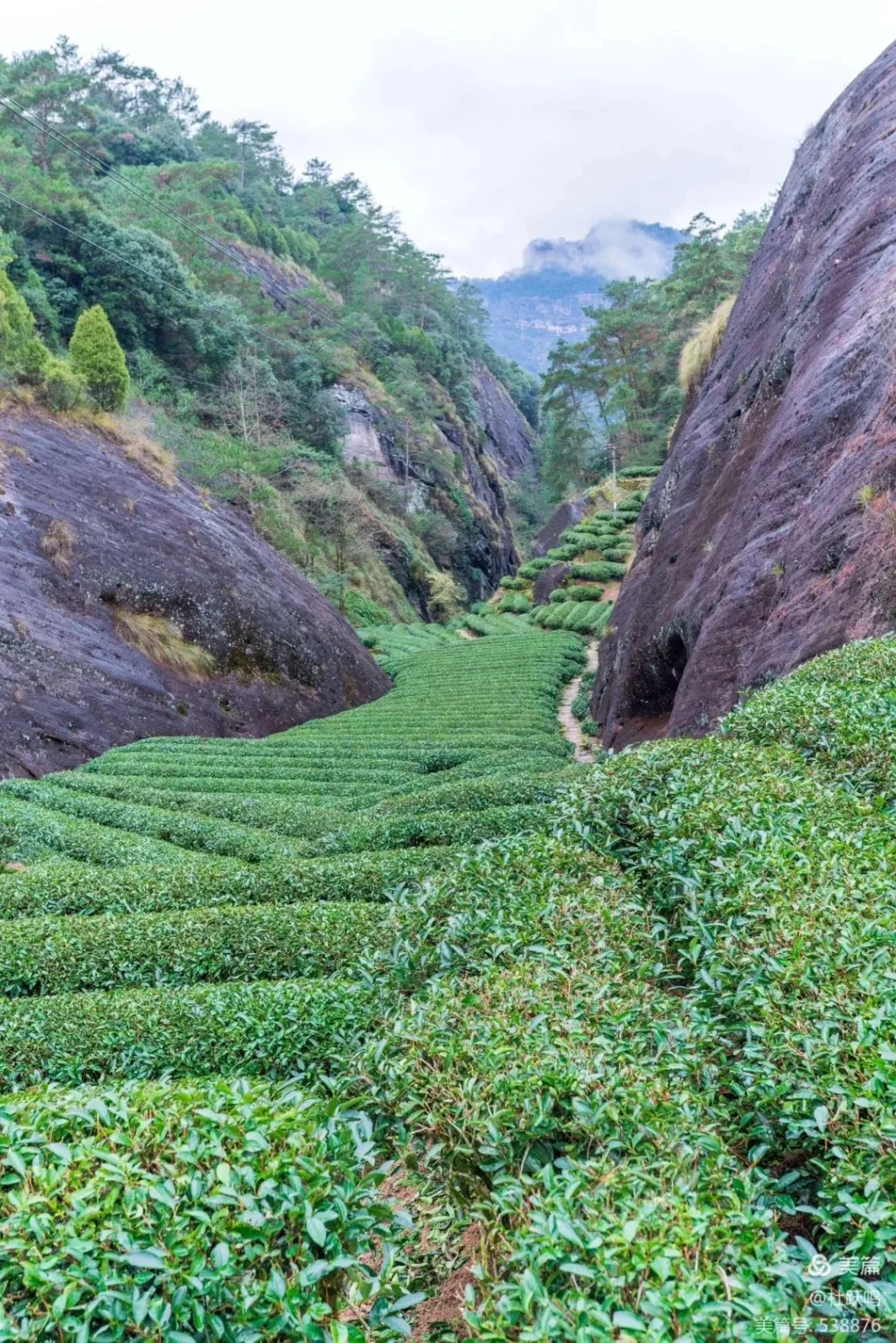
Beyond just a beverage, Da Hong Pao tea is a celebrated icon of the Wuyi Mountains’ culture and unique terroir. Hiking through these dramatic valleys offers a chance to witness firsthand where these legendary tea bushes are meticulously cultivated amidst the stunning rock formations.
Drifting Down Nine-Bend Creek
The bamboo raft ride down Nine-Bend Creek (Jiuqu Xi) is the quintessential Wuyishan experience. For 90 minutes, two boatmen navigate a traditional raft through a dramatic gorge, passing 3,000-year-old hanging coffins wedged into cliff crevices.
Tickets cost 130 RMB and sell out days in advance. You must link your passport to the reservation via your hotel or the official WeChat mini-program. Your ticket assigns you a strict departure time at the Xingcun village pier—do not be late.
The Tipping Reality: Officially, tipping is banned. Unofficially, if your raft group collectively hands the boatmen a 20 RMB “tea money” tip per person at the start, they will row slower, allow you to stand for photos, and share hilarious local legends. Without it, you get a fast, silent ride.
Current Ticket Prices and Park Logistics (2026)
According to the official Wuyishan Scenic Area administration, the park operates on a bundled ticketing system. You cannot buy tickets for individual mountains. A 3-Day Pass costs 250 RMB and includes unlimited rides on the internal shuttle buses.
The park is massive, and walking between major zones is impossible. The shuttle buses are efficient, but you must scan your passport at the biometric gates every time you board. Ensure your passport is in your daypack at all times, as digital photos of your ID are not accepted.