
The Connoisseur's Guide to Buying Luxury Textiles and Pearls in China

Stepping into a Chinese fabric or jewelry market is an assault on the senses—a dizzying maze of vibrant colors, the distinct scent of raw textiles, and the relentless hum of negotiations. For many travelers in 2026, buying silk and pearls in China is a bucket-list experience, offering the chance to acquire world-class luxury goods at a fraction of Western prices. But separating heirloom-quality treasures from clever tourist traps requires insider knowledge, a sharp eye, and a healthy dose of patience.

Quick Summary: Key Takeaways for Your Trip

  • Silk Testing: Genuine silk absorbs moisture, drapes heavily, and sounds like crunching snow when rubbed together.
  • Pearl Authenticity: Real pearls feel slightly gritty when rubbed against your teeth; fake pearls glide smoothly.
  • Tailoring Timelines: Custom garments at Shanghai’s South Bund Fabric Market require at least 3-5 days and one fitting.
  • Payment & Apps: Cash is nearly obsolete in 2026; you must download and link a foreign card to Alipay or WeChat Pay before arriving.

Summarize with :

What is the 144-hour visa-free transit?

The 144-hour visa-free transit is an official Chinese immigration policy allowing eligible passport holders from 54 countries to explore specific regions, including Shanghai and Beijing, for up to six days without a pre-approved visa, provided they hold confirmed onward flight tickets to a third country.

To navigate these sprawling markets, you need seamless internet access. Because the Great Firewall blocks Google, WhatsApp, and Western credit card processors, a reliable eSIM is your most critical travel tool.

💡 Editor’s Pick: We recommend Nomad eSIM for China because it reliably bypasses the Great Firewall with stable speeds.

Before you land, set up your connectivity and download Alipay. According to the official National Immigration Administration, travel rules are strictly enforced, but once you are in the country, mobile payments are universally accepted—even for a 3 RMB (about $0.40 USD) bottle of Nongfu Spring water at a tiny market stall.

Navigating the South Bund Soft Spinning Material Market in Shanghai

Located at 399 Lujiabang Road, the South Bund Fabric Market is a three-story labyrinth of textiles. As you walk in, the air is thick with the smell of mothballs, hot pressing irons, and machine oil. The aisles are notoriously narrow, often clogged with both tourists and local fashion designers haggling over swatches.
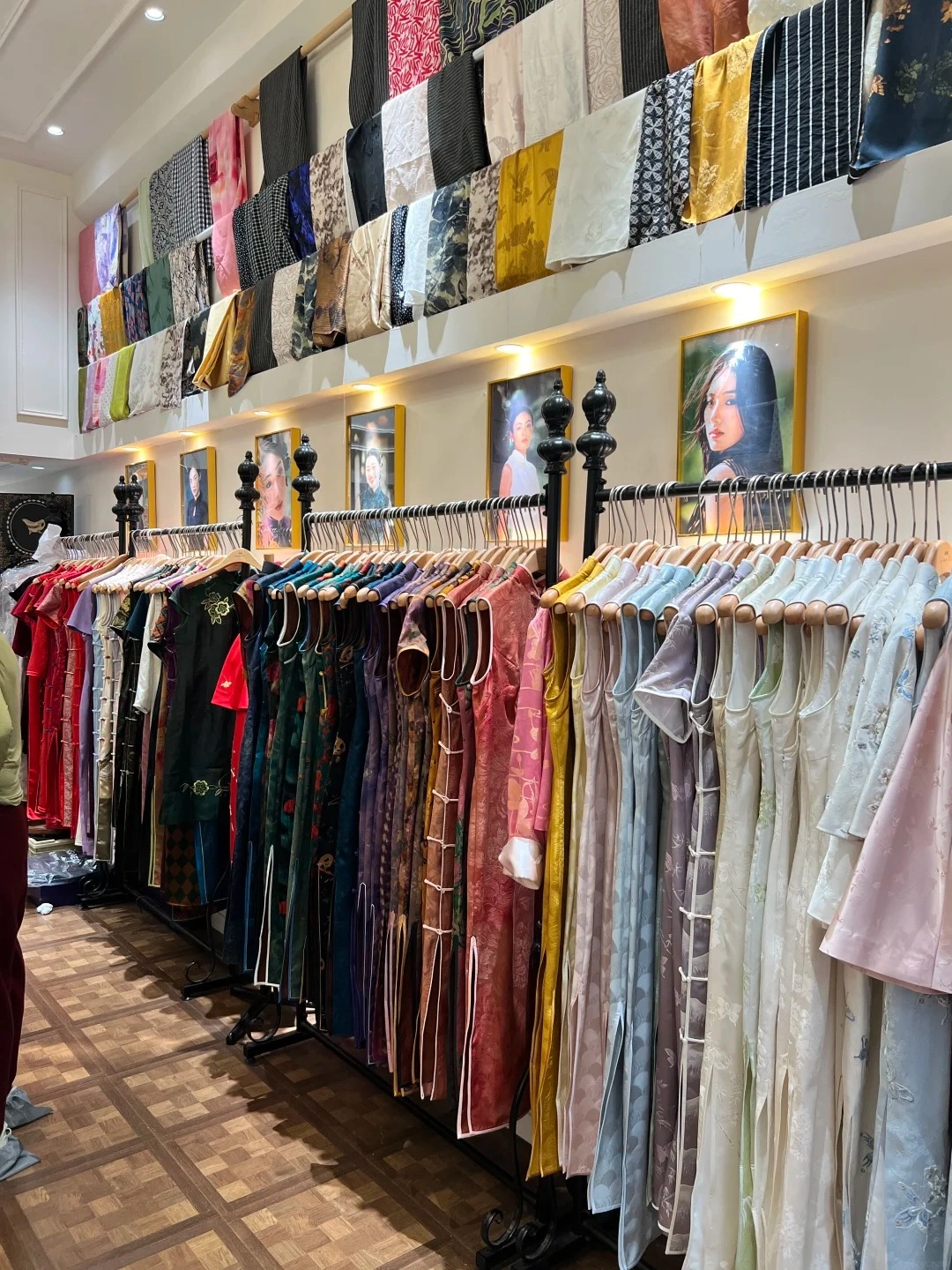
A boutique display of traditional Chinese qipaos (cheongsams) in various colors and patterns, hanging on racks in front of framed portraits of women. Above the qipaos, folded luxury textiles like silk and patterned fabrics are displayed on shelves.

Beyond the bustling fabric markets, discover curated boutiques offering exquisite silk qipaos, each a testament to intricate craftsmanship and timeless elegance, perfect for the discerning collector.

Insider Tip: Skip the ground floor. The vendors near the entrance are aggressive and charge premium “tourist tax” prices. Head to the second and third floors where the true craftsmen operate. Look for stalls specializing in just one thing—like exclusively cashmere coats or only pure silk shirts.

When commissioning a traditional qipao or a bespoke wool suit, come prepared with reference photos. A custom silk dress typically costs between 800 and 1,500 RMB, depending on the lining and embroidery. Always inspect the fabric yourself: handwoven silk will have microscopic variations in the weave, while perfect uniformity usually indicates a synthetic blend.

Where to Find Authentic Pearls in Beijing and Shanghai

China produces the vast majority of the world’s freshwater pearls, making it a paradise for jewelry lovers. In Beijing, the Hongqiao Pearl Market is the undisputed heavyweight. In Shanghai, connoisseurs prefer the First Asia Jewelry Plaza on Fuyou Road or the Hongqiao International Pearl City.

Walking into Hongqiao, the fluorescent lights reflecting off millions of pearls can be blinding. The third floor is dedicated to affordable freshwater pearls, while the fourth and fifth floors house premium saltwater varieties like Akoya and South Sea pearls. Do not let the aggressive sales tactics rush your decision.
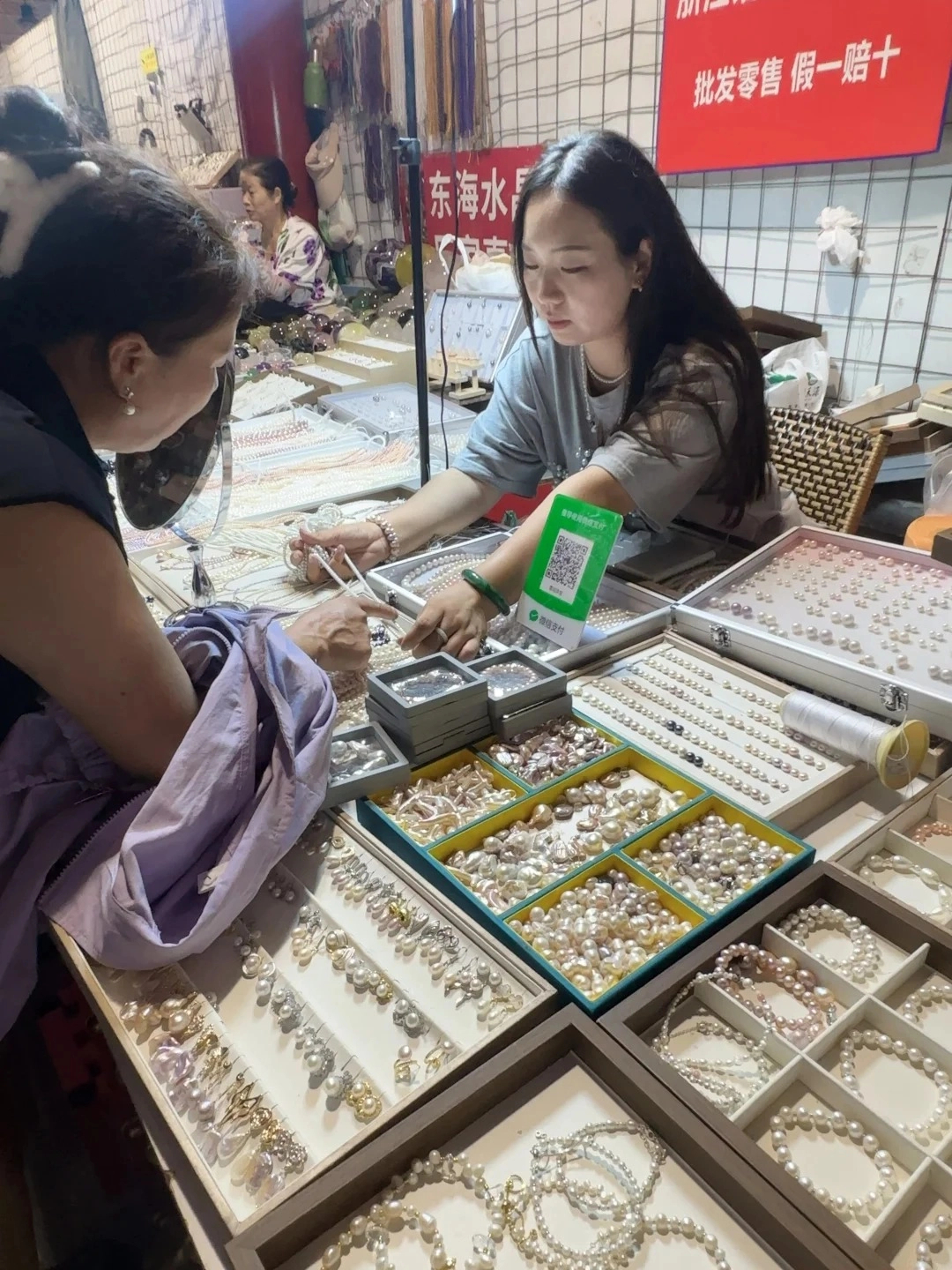
Two women are examining pearl jewelry at a market stall. The woman on the left, wearing a dark top and a light purple shawl, is looking at a display of pearl earrings and necklaces. The woman on the right, wearing a light grey t-shirt, is showing pearl necklaces to the customer and has a QR code for payment on her stall. The stall is filled with various trays of pearls, including necklaces, bracelets, and loose pearls in different colors and shapes.

Navigating the vibrant Beijing pearl market requires a discerning eye, much like selecting fine textiles. Here, a vendor showcases the exquisite beauty of freshwater and saltwater pearls, a treasure trove for any connoisseur.

What to Know Before You Go: Always perform the “tooth test.” Gently rub the pearl against the edge of your front tooth. A genuine pearl feels gritty, like fine sandpaper, due to the natural nacre layers. If it slips like glass or plastic, it is a factory-made fake.

Additionally, real pearls are cool to the touch when you first pick them up and will have microscopic blemishes. Flawless, perfectly spherical pearls sold for 200 RMB are undoubtedly imitation. Expect to pay anywhere from 500 RMB for a decent freshwater strand to over 10,000 RMB for high-luster saltwater sets.

How to Master Bargaining and International Shipping

In China’s wholesale markets, bargaining is not rude; it is an expected cultural dance. Vendors will routinely quote a starting price that is 500% to 1000% higher than the actual value. If a vendor asks for 2,000 RMB for a silk robe, counter with 200 RMB, and expect to settle around 400 RMB.

The most effective negotiation tactic is the “walk away.” If you reach a stalemate, politely say thank you and slowly walk toward the next stall. Nine times out of ten, the vendor will chase you down with a calculator displaying a much more reasonable number.

If you go overboard and buy more textiles than your suitcase can hold, international shipping is highly efficient in 2026. Most major market buildings have a China Post or DHL desk on the ground floor. Shipping a 5kg box of clothes via China Post’s EMS service takes about 7-10 days to reach North America and costs roughly 300-400 RMB.


Common Questions About Traveling to China

What is the 144-hour visa-free transit policy?

This policy allows travelers from 54 eligible countries to enter specific Chinese regions, such as Beijing or Shanghai, for up to six days without a visa. You must hold a confirmed onward flight ticket to a third country to qualify.

Cash is rarely used in China today. You should download Alipay or WeChat Pay and link your foreign bank card before you arrive, as almost every vendor, from large malls to small market stalls, operates exclusively via mobile payments.

Perform the ‘tooth test’ by gently rubbing the pearl against your front tooth. A genuine pearl will feel gritty like fine sandpaper, whereas fake, plastic-based pearls will glide smoothly against your tooth.

Yes, bargaining is a standard cultural practice in wholesale markets. Vendors often start with prices 500% to 1000% higher than the final value, so be prepared to negotiate firmly and don’t be afraid to walk away to secure a better price.

Conclusion: Bringing Your Chinese Treasures Home

Sourcing luxury textiles and fine jewelry in China is a thrilling adventure that rewards the prepared traveler. By understanding how to identify genuine materials, navigating the chaotic multi-story markets with confidence, and mastering the art of the haggle, you can bring home bespoke pieces that will last a lifetime. Ensure your digital payments are set up, keep your bargaining friendly but firm, and enjoy the hunt. Ready to plan your shopping itinerary? Read our complete 2026 guide to navigating China’s high-speed rail network to connect your Shanghai and Beijing shopping sprees.

Similar posts to this one

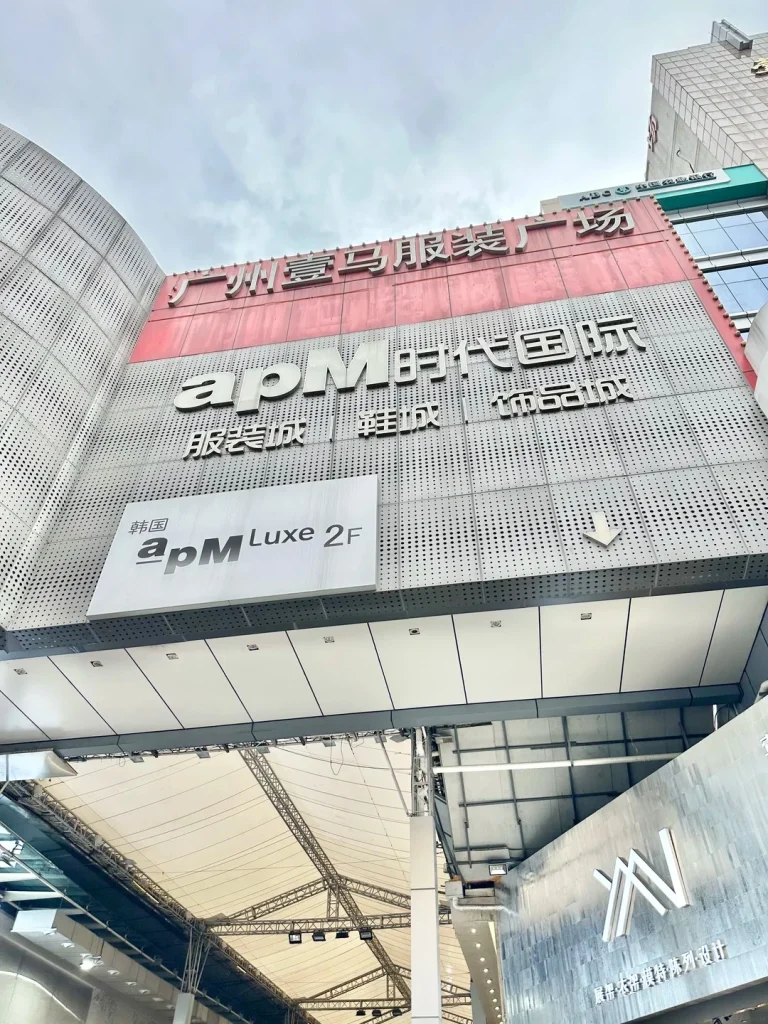
A low-angle view of a modern building facade with large signage. The top sign reads 'Guangzhou Baima Clothing City' in Chinese characters. Below it, larger white lettering says 'apm International' followed by Chinese characters for clothing, shoes, and accessories. A smaller sign on the left reads 'Korea apm Luxe 2F' with an arrow pointing right. The building has a perforated metal exterior. Below the signs is a white awning structure with exposed metal framework.

Guangzhou Wholesale Markets: A Buyer's Guide for Tourists

Stepping into a Guangzhou wholesale market is an absolute sensory overload. You are immediately hit with the sharp scent of [...]

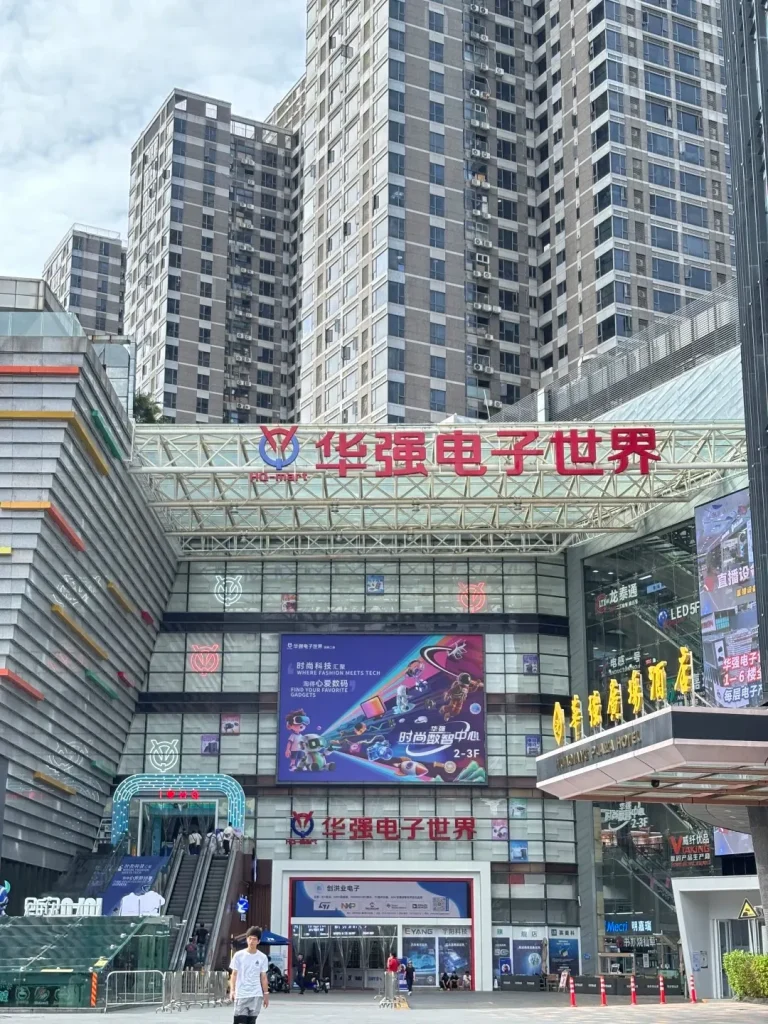
Exterior view of the Huaqiang Electronic World (HQ-Mart) building in Shenzhen, a multi-story modern complex featuring red Chinese characters, a large LED screen advertising gadgets and tech fashion, escalators leading to upper floors, and pedestrians near the entrance, with several tall residential buildings visible behind it.

Inside Huaqiangbei: A Traveler’s Guide to Shenzhen’s Massive Electronics Markets

Welcome to the hardware capital of the world. If you are looking for the ultimate Huaqiangbei electronics market guide, you [...]

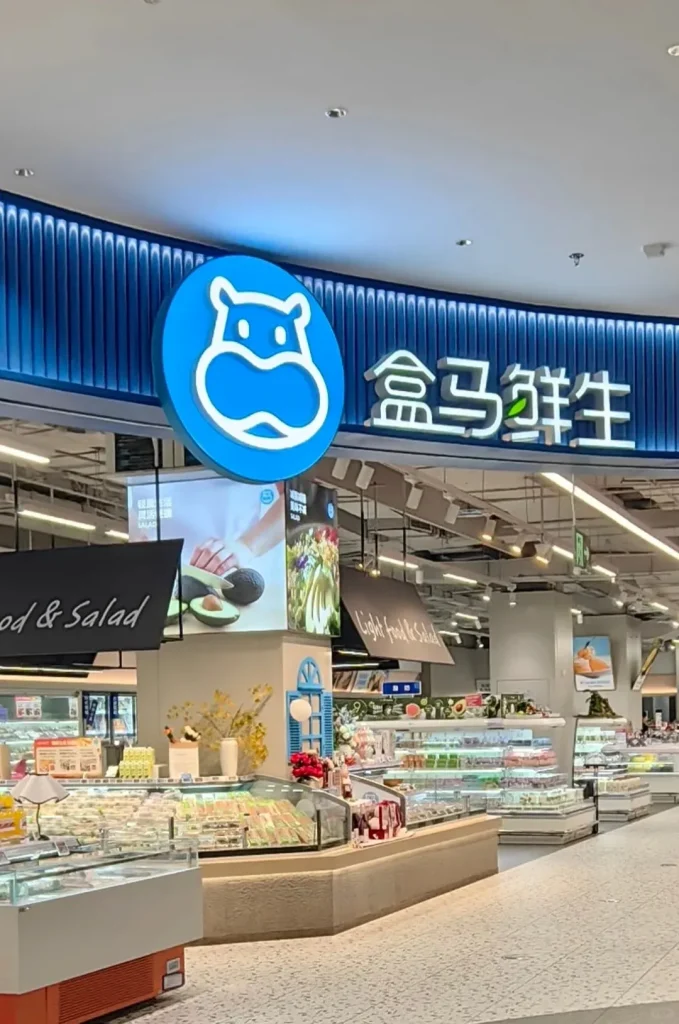
Interior view of a modern Hema Freshippo supermarket. A prominent blue sign features a white hippo logo and the Chinese characters '盒马鲜生' (Hema Xiansheng). Below the sign, multiple glass display cases are filled with various packaged fresh foods, salads, and desserts. Signs overhead read 'Food & Salad' and 'Light Food & Salad'.

The Hema (Freshippo) Experience: A Tourist's Guide to China's Futuristic Supermarket

Welcome to the bleeding edge of retail in 2026. If you are traveling to China, visiting a traditional wet market [...]

Get the China Arrival Survival Kit

Planning a trip here has a steep learning curve. Join our newsletter and receive our free “Day One Checklist” covering everything from setting up Alipay and WeChat to bypassing the internet firewall.