



What is the 144-Hour Visa-Free Transit?
The 144-hour visa-free transit policy allows citizens from 54 eligible countries to explore specific Chinese regions for up to six days without a pre-approved visa. You must possess a valid passport and a confirmed onward ticket to a third country departing within the 144-hour window.
Setting Up Your Digital Wallets: The Logistics
China is a completely cashless society. The shrill beep of a QR code scanner is the soundtrack of the country, from luxury Shanghai boutiques to rural mountain tea houses. To participate, you must set up Alipay and WeChat Pay (Weixin Pay).
First, download both apps from the Apple App Store or Google Play. Register using your home country’s mobile number. Do not wait until you arrive in China to do this, as you will need to receive an SMS verification code, which can be notoriously difficult to get once you are roaming on a foreign network.
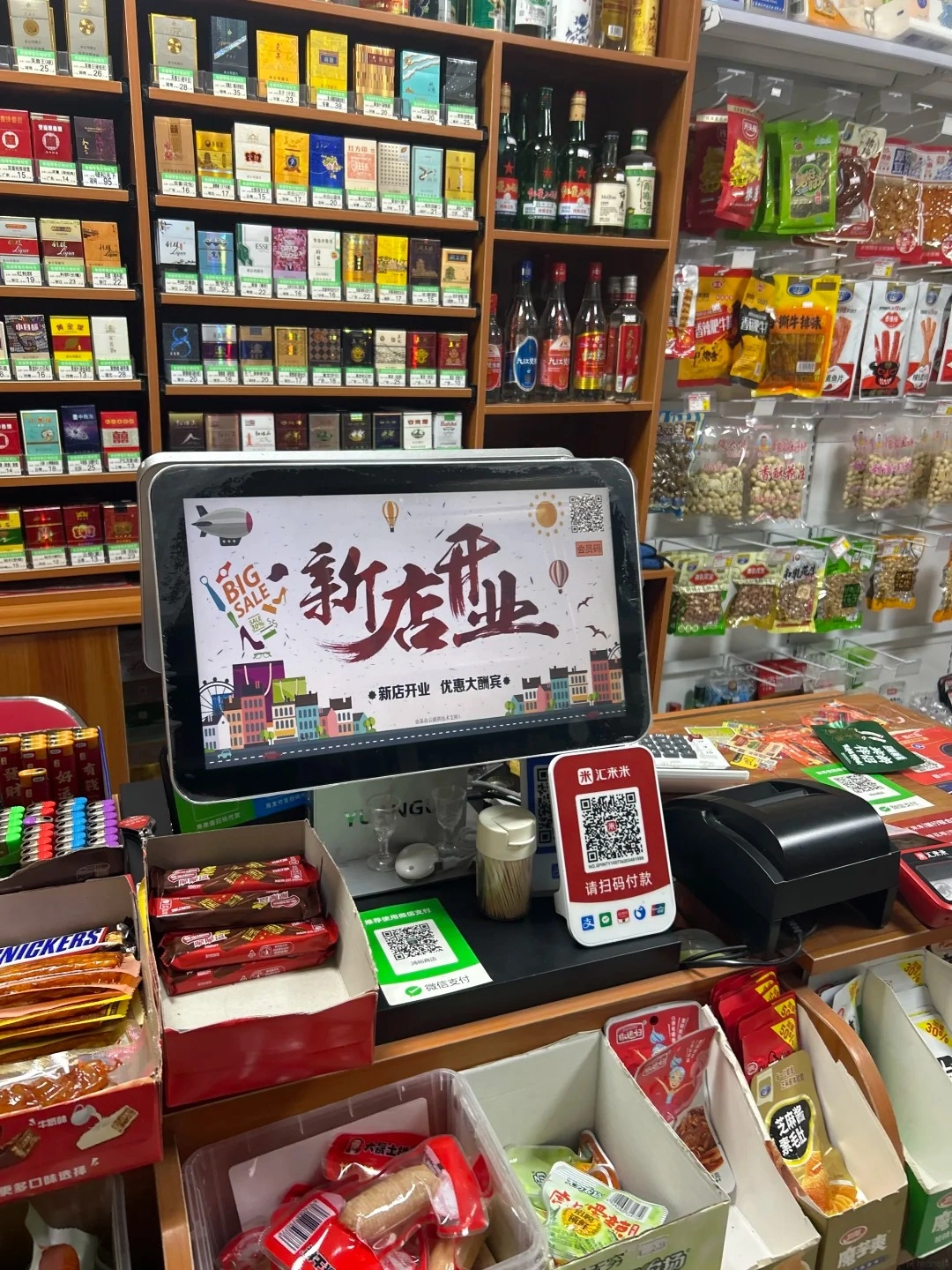
Navigating China’s digital payment landscape is easier than ever. As this image from a modern convenience store shows, integrated Alipay and WeChat Pay QR codes are readily available, streamlining transactions for locals and tourists alike.
How to Link International Bank Cards
Within Alipay, navigate to “Account” and select “Bank Cards.” For WeChat, go to “Me,” then “Services,” and tap “Wallet.” Both platforms now seamlessly accept foreign-issued Visa, Mastercard, Discover, Diners Club, and JCB cards.
You will be prompted to complete identity verification by uploading a photo of your passport. This process is fully compliant with China’s anti-money laundering laws and usually approves within an hour. Once verified, your annual spending limit jumps from a restrictive $2,000 to a generous $50,000 USD.
Insider Tip: Skip the TourCard
Many outdated guides recommend using the “TourCard” mini-app to create a prepaid virtual Chinese bank account. This is highly overrated in 2026. TourCard charges a 5% top-up fee and restricts you to 10,000 RMB for 180 days. Directly linking your travel credit card (ideally one with zero foreign transaction fees) is infinitely smoother and cheaper.
Internet Access: The Backbone of Mobile Payments
Your digital wallet is completely useless if you cannot connect to the internet to generate a payment code. Because of China’s strict internet regulations, standard roaming often fails, and local Wi-Fi requires a Chinese phone number to log in.
You must have a reliable data connection. We highly recommend installing a travel eSIM before you land.
💡 Editor’s Pick: We recommend Nomad eSIM for China because it reliably bypasses the Great Firewall with stable speeds.
With a proper eSIM, you will step off the plane with instant 5G access, allowing you to immediately hail a ride, message your hotel, and pay for your first meal without fumbling for a physical SIM card or fighting with unstable airport Wi-Fi.
Real Experiences: Navigating Transport and Daily Life
Once your apps are loaded and connected, you unlock the true convenience of the Chinese digital ecosystem. These apps are not just for paying; they are “super apps” that house mini-programs for every conceivable service.
How to Buy Train Tickets
Navigating China’s sprawling high-speed rail network is a breeze if you use the right tools. According to the official 12306 railway platform, foreign passports can now be verified online instantly. You can book tickets directly through the 12306 app and pay using your linked Alipay account.
When you arrive at the chaotic, cavernous train stations, you do not need a paper ticket. You simply swipe your physical passport at the automated turnstiles. The system reads your passport chip, matches it to your Alipay-funded booking, and the gates swing open.
Hailing Rides with DiDi
Do not try to flag down a taxi on the street. Instead, open Alipay and search for the DiDi mini-program (China’s Uber equivalent). The interface is fully available in English and includes a brilliant real-time translation chat feature.
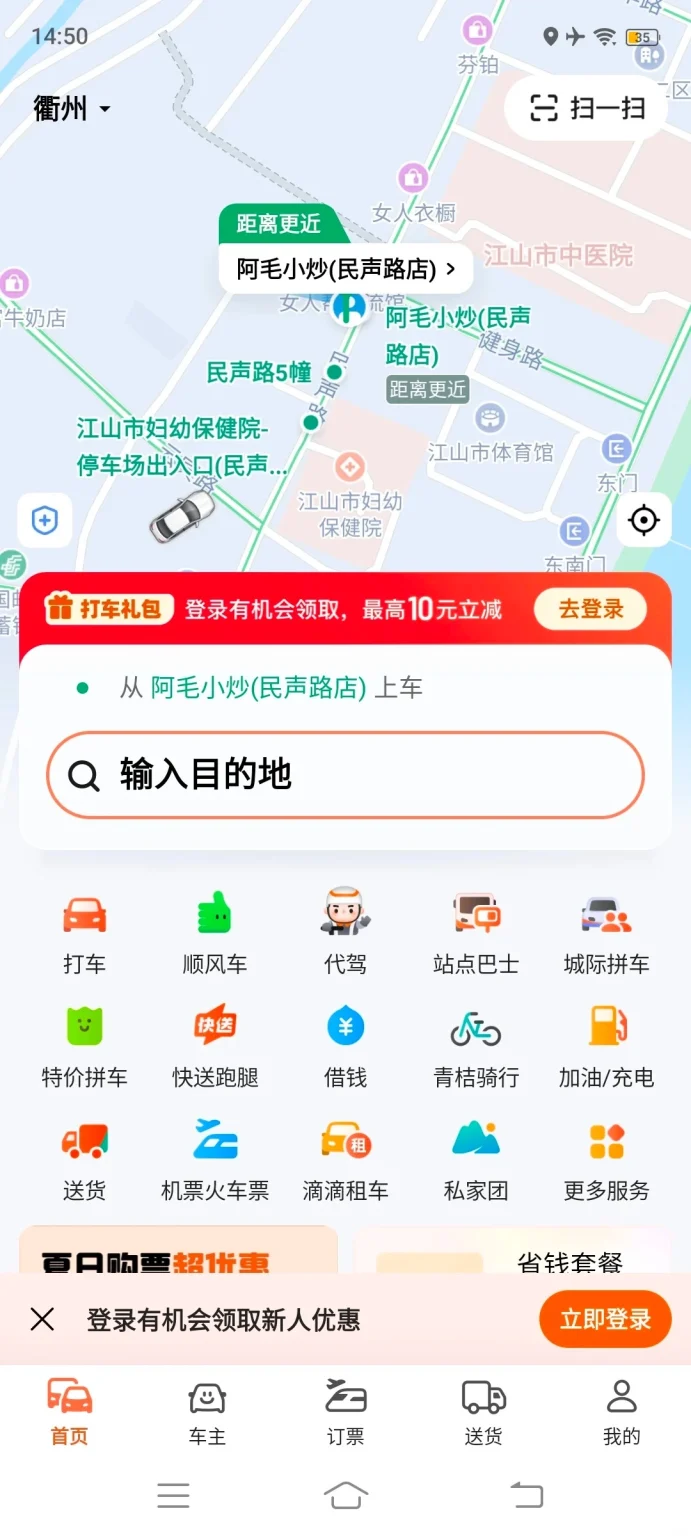
Navigating China in 2026 will likely involve integrating popular ride-hailing services like DiDi directly within your preferred super-app, such as Alipay. This screenshot demonstrates how to search for a destination and access various transportation options, a crucial skill for tourists.
You type your destination in English, the driver sees it in Mandarin, and the fare is automatically deducted from your linked Visa card when you exit the vehicle. You will never have to haggle over a meter or worry about having exact change.
Troubleshooting Common Payment Hiccups
Even with perfect preparation, you might encounter a few edge cases. Here is what you need to know to keep your trip stress-free:
- The 200 RMB Threshold: Payments under 200 RMB have the 3% transaction fee waived. If you are buying an expensive souvenir (e.g., 500 RMB), ask the merchant if they can split the transaction into three smaller scans. Many are happy to oblige.
- Card Declines: Sometimes your home bank will flag a sudden string of WeChat transactions as fraud. Always carry a backup physical credit card, and notify your bank of your travel dates before leaving.
- Cash is Still Legal: If your phone dies, do not panic. By law, merchants must accept cash (RMB). Keep about 300 RMB in small bills (10s and 20s) tucked in your bag for emergencies.