
- Dial 120 for an ambulance and 110 for police, but be aware that English-speaking dispatchers are generally only guaranteed in tier-one cities like Shanghai and Beijing.
- Public hospitals require upfront payment before treatment (often 200-500 RMB for emergencies), so always ensure your Alipay or WeChat Pay is fully funded.
- International clinics offer English-speaking staff and direct insurance billing, but consultations can cost upwards of 1,500 RMB compared to 50 RMB at public facilities.
- Download Baidu Translate and Alipay before arrival; Alipay features a built-in translation tool and access to local health mini-programs.


What is the 144-Hour Visa-Free Transit Policy?
The 144-hour visa-free transit policy allows citizens from 54 eligible countries to stay in specific Chinese regions for up to six days without a prior visa, provided they have a confirmed onward ticket to a third country. This is strictly enforced by the National Immigration Administration.
If a medical emergency forces you to overstay this transit window, you must have your hospital or local Public Security Bureau (PSB) file an extension immediately. Failing to report a medical overstay can result in severe fines and future travel bans.
Dialing for Help: The Essential Emergency Numbers
Unlike the universal 911 or 112, China splits its emergency dispatch into specific departments. Dial 120 for medical emergencies, 110 for police, and 119 for fire. These numbers are toll-free and can be dialed from any local or international mobile phone without a Chinese SIM card.
What to Know Before You Go
In major hubs like Beijing and Shanghai, dialing 120 will usually route you to an English-speaking operator. However, if you are in a rural area like Yangshuo or deep in Yunnan province, expect only Mandarin. Always keep a printed card with your hotel’s address in Chinese characters to read to the dispatcher or show to a local who can help translate.
Do not wait for an ambulance for non-life-threatening issues. Chinese ambulances are not always equipped with sophisticated paramedic technology, and urban traffic can cause severe delays. For a broken bone or a deep cut, hailing a Didi (the local ride-share app) to the nearest hospital is often much faster.
Staying Connected When It Matters Most
During an emergency, losing internet access is dangerous. China’s Great Firewall blocks Western apps like Google Maps, Gmail, and WhatsApp. Relying on hotel Wi-Fi will not help if you are stranded on the street. You need a reliable connection to use translation apps, hail a ride, or contact your travel insurance provider.
💡 Editor’s Pick: We recommend Nomad eSIM for China because it reliably bypasses the Great Firewall with stable speeds.
We highly recommend setting up an eSIM before you land. It provides instant, firewall-bypassing data so you can access crucial tools like Baidu Translate or the 110 police app the second you need them, without fumbling for a local SIM card at the airport.
Navigating Public Hospitals vs. International Clinics
If you need medical attention, you have two main choices. Top-tier public hospitals (like Peking Union Medical College Hospital) are highly efficient but chaotic. You will experience overwhelming crowds, the sharp smell of strong disinfectants, and a confusing ticketing system where you must pay a deposit before seeing a doctor.
According to official health guidelines, public emergency care is heavily subsidized. A basic ER visit might only cost you 200 to 500 RMB ($28-$70 USD). However, public hospitals rarely accept foreign health insurance directly. You must pay via Alipay, WeChat Pay, or cash, and keep every stamped receipt (fapiao) for reimbursement back home.
Is an International Clinic Worth It?
Yes, if you have comprehensive travel insurance and want to avoid the language barrier. Facilities like Shanghai United Family Hospital offer English-speaking doctors, private rooms, and direct billing to international insurers. The catch? A simple consultation can easily exceed 1,500 RMB ($210 USD).
Pharmacies and Over-the-Counter Medications
Chinese pharmacies (marked by a green cross) are everywhere, but finding Western brand names like Advil or Imodium is nearly impossible. Instead, you will find local equivalents stocked alongside Traditional Chinese Medicine (TCM) remedies.
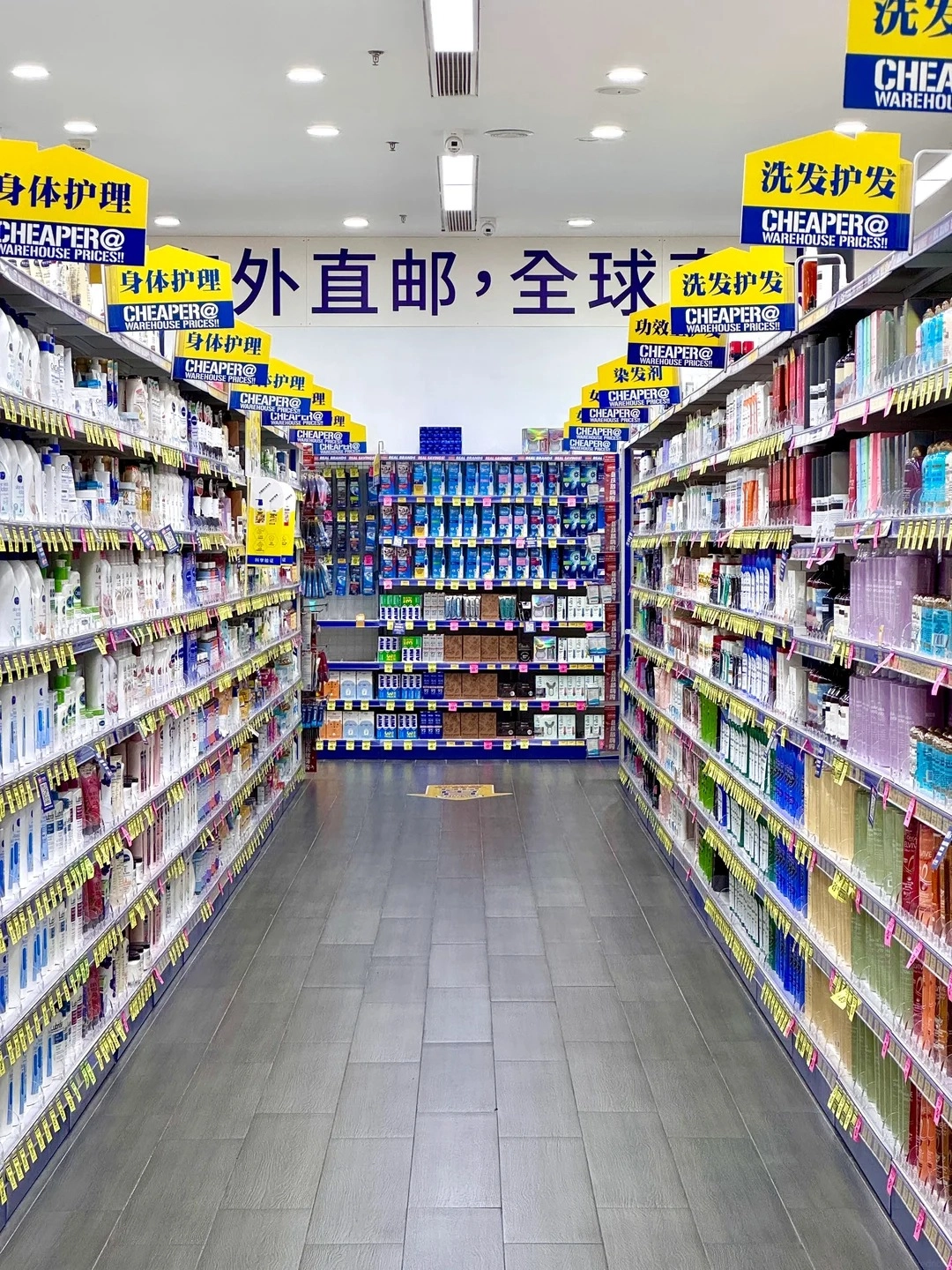
While exploring China, it’s good to know where to find everyday essentials. Stores like this offer a wide range of health and beauty products at competitive prices, ensuring you can stay stocked up even while traveling.
Insider Tip
Do not rely on pointing and gesturing at a pharmacy. Use the Pleco app or Baidu Translate to show the pharmacist the chemical name of the drug, not the brand name (e.g., translate “Ibuprofen” instead of “Motrin”). For severe food poisoning or allergies, ask for Loratadine (Kairuitan) for allergic reactions, or Smecta for stomach issues.
Safety and Scams: Protecting Your Wallet and Health
China is incredibly safe regarding violent crime; you can walk through most cities at midnight without a second thought. However, petty scams still exist. A common mistake to avoid is taking an unlicensed “black taxi” outside train stations or hospitals. Always use the Didi app or official taxi queues to ensure your ride is tracked and metered.
Another critical safety note: Do not drink the tap water. Even in luxury five-star hotels in 2026, tap water is not potable. A 500ml bottle of Nongfu Spring water costs just 2 RMB (about $0.30 USD) at any convenience store. Brushing your teeth is fine, but drinking bottled or boiled water is mandatory to avoid severe gastrointestinal distress.