


Visa Regulations for Transit Travelers
What is the 144-hour visa-free transit? According to the China National Immigration Administration 2026 guidelines, the 144-hour visa-free transit allows eligible passport holders to enter specific Chinese regions without a visa for up to six days, provided they hold a confirmed onward ticket to a third country or region.
While Zhangjiajie itself does not issue this visa on arrival, travelers entering through the Changsha transit port can travel freely within Hunan Province. This makes weekend hiking trips highly accessible, provided you travel light.
Arriving in Zhangjiajie: Airport and Railway Station Storage
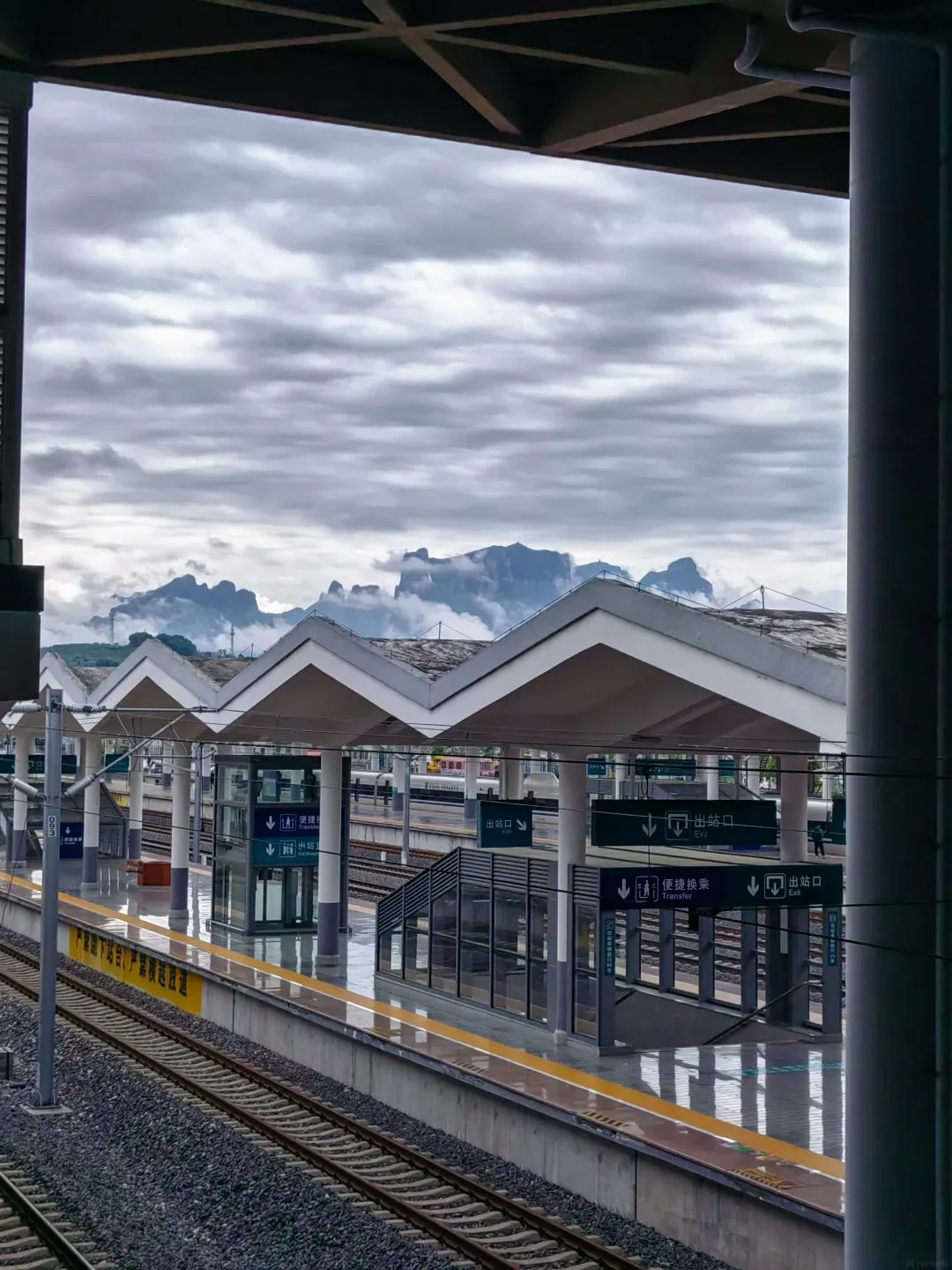
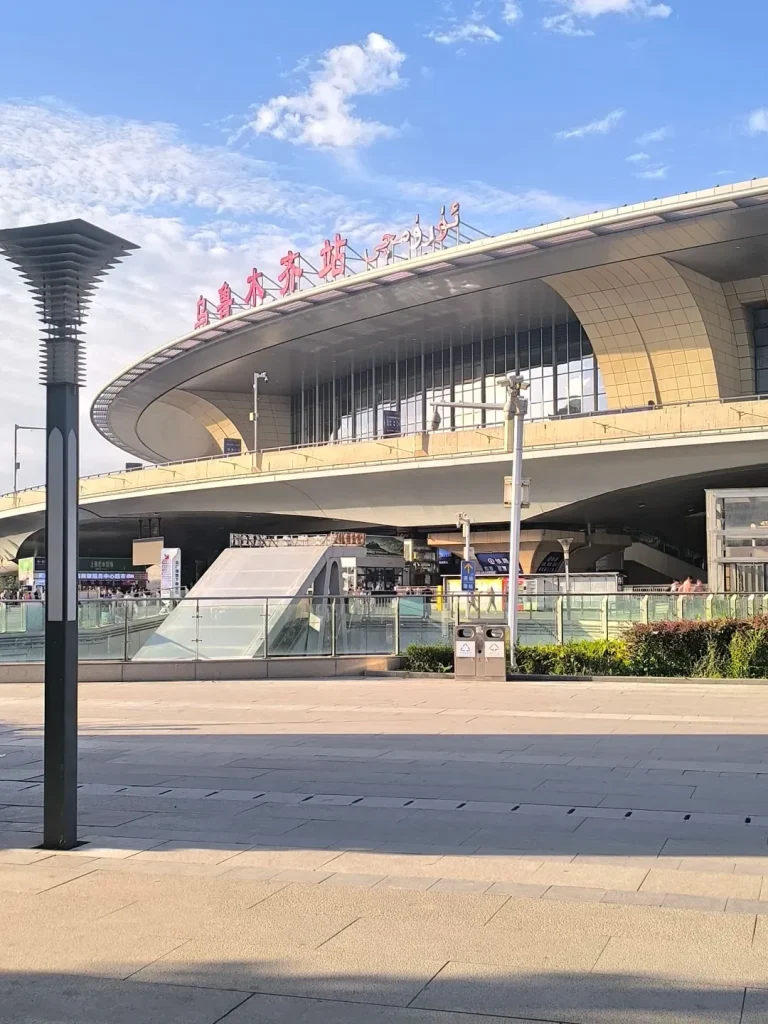
Arriving at Zhangjiajie West High-Speed Railway Station is your first step in exploring the natural wonders. Learn how to manage your luggage efficiently so you can focus on the breathtaking hikes ahead.
Most travelers in 2026 arrive via the Zhangjiajie West High-Speed Railway Station. According to the official 12306 rail policy, carry-on luggage cannot exceed 20kg per adult, and dimensions must not exceed 130cm in total length, width, and height.
If you arrive early and want to head straight to Tianmen Mountain (located in the city), use the left-luggage office on the ground floor of the station. For about 20-30 RMB per day, attendants will tag and store your bags securely.
Alternatively, if you fly into Zhangjiajie Hehua International Airport (DYG), the baggage storage counter is located right outside the domestic arrivals hall. Keep your claim ticket safe, as you will need it to retrieve your items before heading to your hotel.
Digital Logistics: Lockers, Apps, and Connectivity
China operates on a cashless, digital-first infrastructure. Almost all self-service luggage lockers in Zhangjiajie require you to scan a QR code using Alipay or WeChat. You cannot use cash or international credit cards directly at these kiosks.
To successfully unlock a storage bay, you need a reliable internet connection that bypasses the Great Firewall. Relying on public Wi-Fi at the park gates is a massive mistake, as the networks are often overloaded by thousands of tourists.
💡 Editor’s Pick: We recommend Nomad eSIM for China because it reliably bypasses the Great Firewall with stable speeds.
Once connected, simply open the scanner in your payment app, scan the locker’s screen, and authorize the 10-20 RMB deposit. The locker door will pop open automatically.
Park Gate Services: Stashing Bags Before You Hike
Zhangjiajie National Forest Park is massive, spanning nearly 48 square kilometers. The two main entrances are the Wulingyuan Gate (East) and the Forest Park Gate (South). Both feature dedicated tourist service centers with luggage storage.
Stepping out of your taxi at the Wulingyuan gate, you will immediately notice the thick, misty humidity and the pungent aroma of spicy Hunan stinky tofu from street vendors. Before navigating the elbow-to-elbow crowds at the ticket turnstiles, head to the visitor center on the right.
Store anything you don’t need for the day. Once inside the park, a simple bottle of water jumps from 2 RMB in the city to 10 RMB at the mountaintop McDonald’s. You will want your daypack filled with water and snacks, not unnecessary clothing or electronics.
Insider Tip: The Wulingyuan Luggage Transfer Service
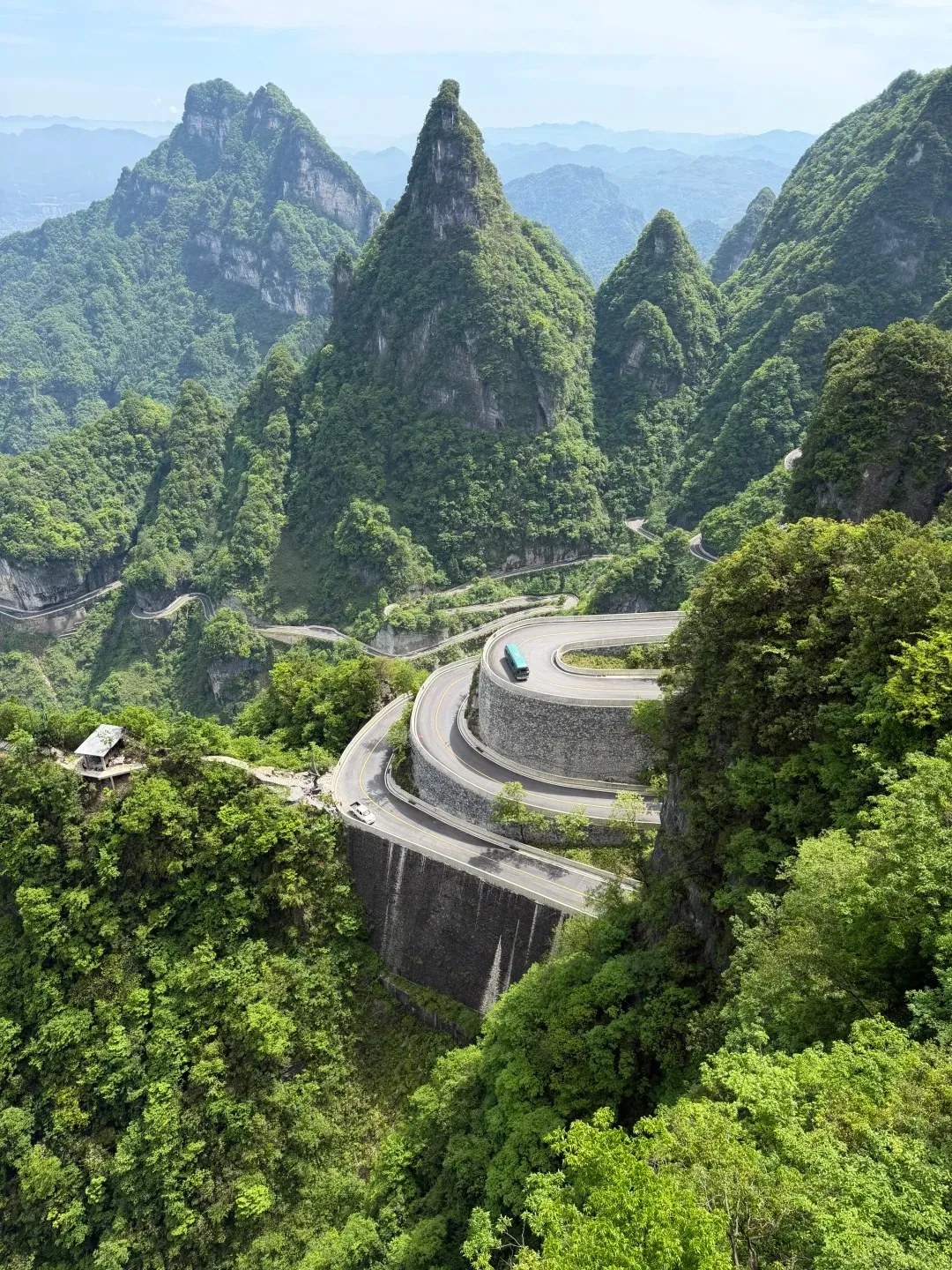
Navigating Zhangjiajie’s breathtaking, yet challenging, mountain terrain requires smart luggage logistics. This iconic winding road illustrates the kind of routes your bags might travel to reach your destination, making services like luggage transfer essential for hikers.
One of the best-kept secrets for independent travelers is the local luggage transfer service. If you are checking out of a hotel in Zhangjiajie City and moving to a boutique inn in Wulingyuan Town, you do not need to carry your bags on the public bus.
Ask your hotel receptionist to arrange an express bag transfer. For a flat fee of 20 to 40 RMB per suitcase, local logistics companies will pick up your luggage by 9:00 AM and deliver it directly to your next hotel’s lobby by 4:00 PM.
This allows you to spend your entire transfer day hiking the Golden Whip Stream or exploring the Zhangjiajie Grand Canyon Glass Bridge completely unburdened. Always photograph your bags and the delivery receipt before handing them over.
What to Know Before You Go: The Mountain Top Mistake
Many tourists book guesthouses at the very top of the mountain, thinking it will save time. This is a massive logistical nightmare. Large suitcases are strictly prohibited on the Bailong Elevator and the internal park shuttle buses.
If you book accommodation in areas like Dingxiangrong Village on the mountain, you must carry your bags up narrow, steep cable cars and walk on uneven stone paths. The crowds here are relentless, and dragging wheels over ancient paving stones will quickly break your luggage.
Instead, base yourself in Wulingyuan Town at the foot of the mountains. The town offers better food, modern amenities, and easy access to the park gates every morning, allowing you to hike with just a lightweight daypack.