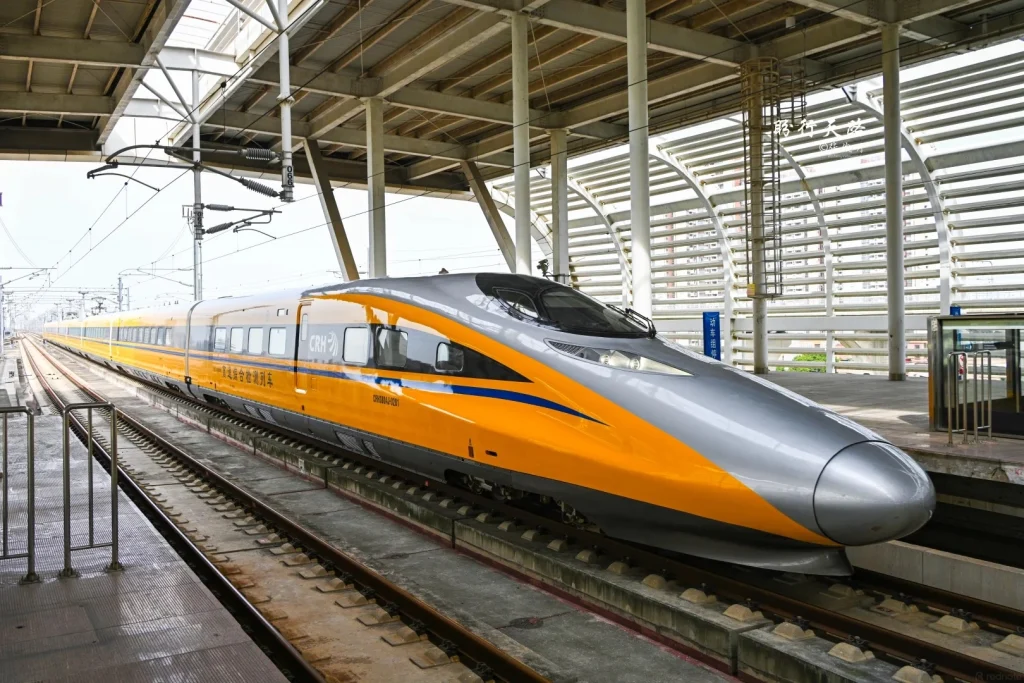



What is a Maglev Train?
A maglev (magnetic levitation) train is a high-speed transit system that uses powerful electromagnets to hover above the tracks, eliminating friction. This technology allows trains to achieve unprecedented speeds and a remarkably smooth, quiet ride compared to traditional steel-wheeled rail networks.
The Shanghai Maglev: Is it Worth the Premium?
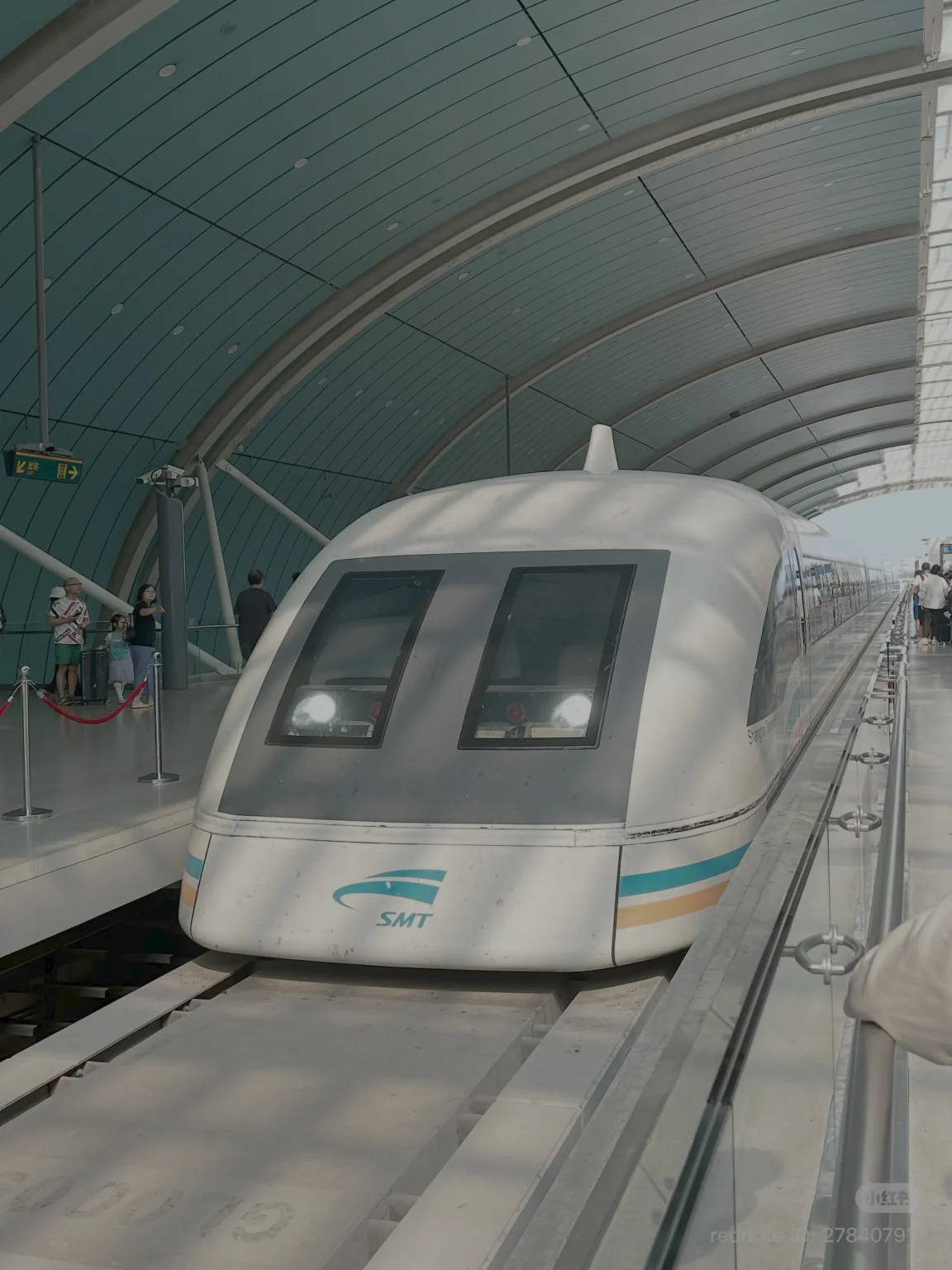
The Shanghai Maglev train, one of the fastest commercial trains in the world, glides into the station. Experiencing this marvel of engineering is a highlight of navigating China’s high-speed transit!
Operating since 2004, the Shanghai Maglev remains the fastest commercial electric train in the world. As you pull out of Pudong International Airport (PVG), the cabin fills with a distinct, low-frequency electromagnetic hum. Within three minutes, the digital speedometer at the end of the slightly dated, early-2000s cabin blurs past 300 km/h, eventually peaking at 431 km/h. The cars on the parallel highway look like they are standing completely still.
Ticket Prices and Official Discounts
According to the official Shanghai Metro policy, a standard single-trip ticket costs 50 RMB (about $7 USD). However, you can instantly secure a 20% discount. Simply present your same-day boarding pass or electronic flight itinerary at the manual ticket window to drop the fare to 40 RMB.
An Honest Insider Perspective on the Route
Here is a harsh truth many tourists discover too late: the Shanghai Maglev does not go to the city center. It terminates at Longyang Road Station in Pudong. From there, you must drag your luggage through a crowded transfer tunnel to board Metro Line 2 or Line 7 to reach downtown areas like the Bund or People’s Square.
If you have heavy bags, the sheer exhaustion of navigating the crowded Metro interchange—smelling faintly of sweet steamed buns and the ozone of the underground—might make a direct DiDi (ride-hailing taxi) a better choice than the maglev.
The Changsha Maglev Express: Slower but Highly Practical
While Shanghai gets the glory, the Changsha Maglev Express in Hunan province represents the future of domestic transit. Connecting Changsha South Railway Station to Huanghua International Airport, this domestically built line operates at a more modest 140 km/h. It lacks the face-melting speed of Shanghai but makes up for it in pure convenience.
The 18-kilometer journey takes about 19 minutes and costs just 20 RMB. Unlike the hectic Longyang Road transfer in Shanghai, the Changsha Maglev integrates seamlessly into the high-speed rail hub. You can step off a bullet train from Guangzhou and be at the airport terminal in under half an hour.
Logistics: How to Buy Tickets and Navigate
In 2026, physical cash is practically obsolete in Chinese transit hubs. To avoid the frustration of queuing behind commuters, set up your mobile payment apps before you land. Both Alipay and WeChat Pay allow you to bind international credit cards. You can generate a city-specific Transit QR Code within these apps to scan directly at the maglev turnstiles.
To ensure these apps work flawlessly at the turnstile, you need a reliable internet connection the moment you land. Public airport Wi-Fi requires a Chinese phone number to receive a text message code, which leaves many foreign travelers stranded offline. We highly recommend downloading an eSIM before your flight so you have instant data upon arrival.
💡 Editor’s Pick: We recommend Nomad eSIM for China because it reliably bypasses the Great Firewall with stable speeds.
Surviving the Security Checks
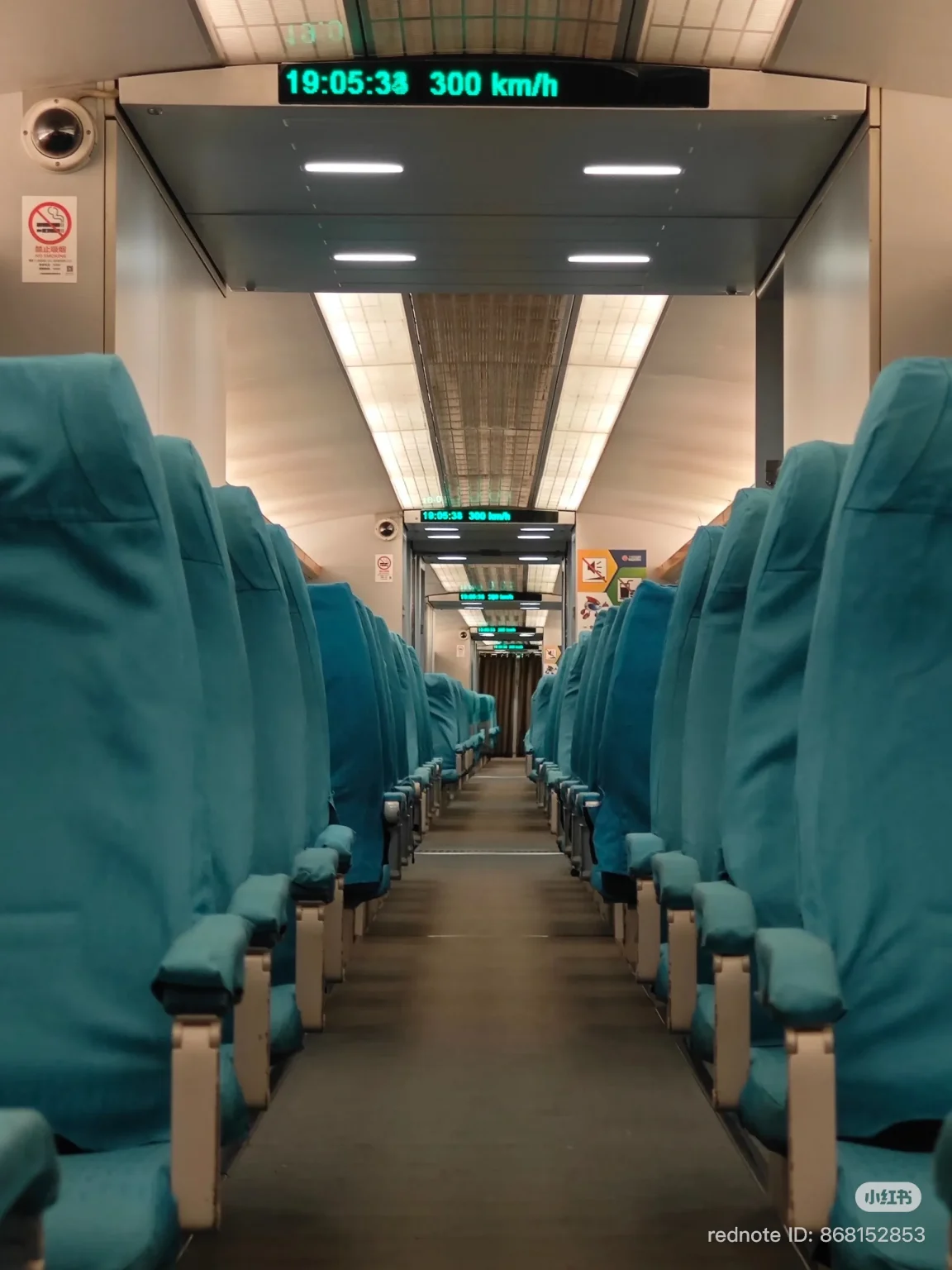
Experience the thrill of China’s high-speed rail! This maglev train reaching 300 km/h offers a glimpse into efficient and modern travel, making long distances feel like mere moments.
Every maglev and subway station in China enforces mandatory airport-style security. You must place all bags, purses, and even small water bottles through an X-ray scanner. Be prepared for the rush at the end of the conveyor belt; commuters move incredibly fast to grab their belongings.
If you are carrying a standard 3 RMB bottle of Nongfu Spring water, the security guard will likely ask you to take a sip to prove it is not a prohibited flammable liquid. Also, remember that aerosol cans over 120ml (like dry shampoo or deodorant) are strictly prohibited and will be confiscated at the scanner.