


What is the Hanging Oven vs. Closed Oven Method?
The hanging oven method (guàlú) roasts ducks over an open fruitwood fire, resulting in ultra-crispy skin and a subtle smoky flavor. Conversely, the closed oven method (mènlú) cooks ducks using the residual heat of sealed brick walls, creating exceptionally juicy, tender meat with a softer skin texture.
Most modern restaurants, including the world-famous Quanjude, utilize the hanging oven method. The ducks are suspended over burning date or pear wood, which renders out the fat and leaves that iconic, glass-like skin. If you prefer a richer, more succulent bite without the heavy smoke profile, you will want to seek out Bianyifang, the oldest roast duck brand in Beijing, which still exclusively uses the closed oven technique.
The Heavyweights: Are the Famous Restaurants Worth It?
When planning your itinerary, you will inevitably encounter the big names. But as any local will tell you, fame does not always equal the best experience for your money.
Siji Minfu: The View and the Wait
Siji Minfu is arguably the most recommended restaurant by locals and expats alike. Their Forbidden City branch offers an unparalleled sensory experience: watching the golden hour light hit the palace moat while you dip crispy duck skin into white sugar. The meat is flawless, and the price (around 200 RMB) is highly reasonable.
What to Know Before You Go: The wait times here are brutal. If you do not have a Chinese phone number to join the digital queue on the Dianping app, you must arrive at 10:30 AM or 4:30 PM to secure a physical ticket. Otherwise, expect to stand outside in the smog for up to three hours.
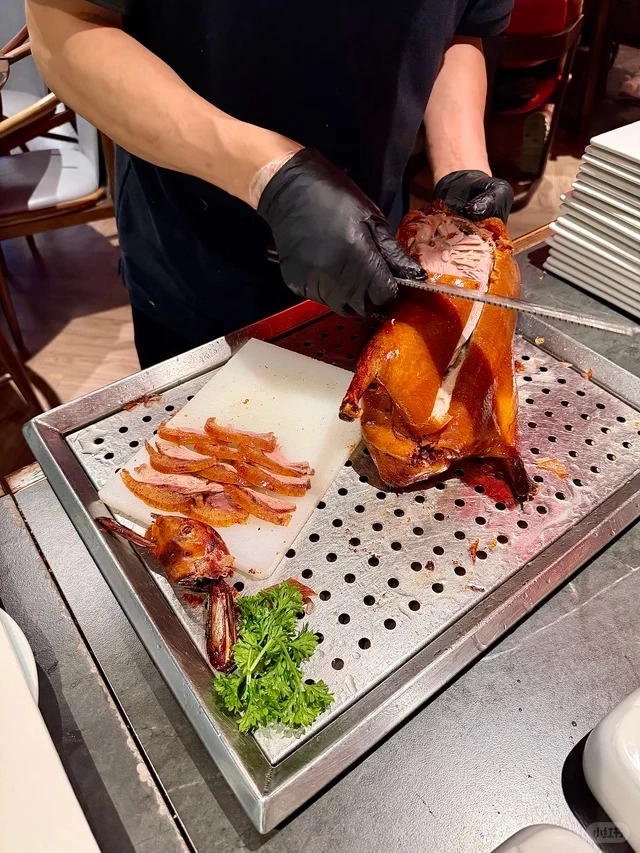
Witnessing the art of tableside Peking duck carving is an essential part of the Beijing dining experience. This meticulous process ensures each bite is a perfect balance of crispy skin and tender meat, just as we explore in our guide to the city’s finest roast duck establishments.
Dadong and Duck de Chine: The Luxury Tier
If you are traveling on a corporate budget or celebrating a milestone, Dadong and Duck de Chine offer Michelin-level refinement. Dadong is famous for its “SuperLean” duck, bred specifically to have a lower fat content and paired with Kaluga caviar.
While the presentation is spectacular, budget-conscious travelers should know that you are paying a premium for the ambiance and western-style service. A meal here easily exceeds 450 RMB per person. If you want the gritty, authentic Beijing atmosphere, skip these and head to the hutongs.
Hidden Neighborhood Gems: Where the Locals Actually Eat
Venture away from Wangfujing and Sanlitun, and you will find incredible ducks roasting in unassuming alleyways. These spots offer a far more authentic glimpse into daily Beijing life.
Juqi: Culture on a Plate
Located in various spots around the city, Juqi leans heavily into traditional Beijing culture. The atmosphere is loud, vibrant, and packed with local families. Before serving, the chef uses a sweet paste to write the Chinese character “Fu” (Good Fortune) directly on the duck.
Insider Tip: Do not just order the duck here. Try their traditional Beijing snacks, like the fried meatballs or the mashed potato shaped like a cute little rabbit. It is a fantastic, budget-friendly option at around 150 RMB per duck.
Jingzun Peking Duck: The Expat Secret
Tucked away near the Chunxiu Road area, Jingzun is an unsung hero. The presentation might be a bit unruly compared to Dadong, but the flavor is spectacular. At just 138 RMB for a whole bird, it is one of the best bargains in the city. The outdoor patio seating during a crisp Beijing autumn evening is unmatched.
Practical Logistics: Booking, Apps, and Connectivity
Traveling in China in 2026 is entirely smartphone-dependent. You cannot simply flag down a waiter and hand them a credit card. Every menu is a QR code taped to the table, and every payment is processed through Alipay or WeChat Pay.
To navigate this ecosystem, you must have a reliable internet connection that bypasses the Great Firewall. Relying on spotty hotel Wi-Fi will leave you stranded when trying to order your dinner. I highly recommend downloading a travel eSIM before your flight lands.
💡 Editor’s Pick: We recommend Nomad eSIM for China because it reliably bypasses the Great Firewall with stable speeds.
Once you are connected, make sure you have the Alipay app downloaded and linked to your foreign Visa or Mastercard. The app now has a built-in translation feature, which is a lifesaver when trying to decipher the difference between “duck bone soup” and “spicy duck heads” on a digital menu.
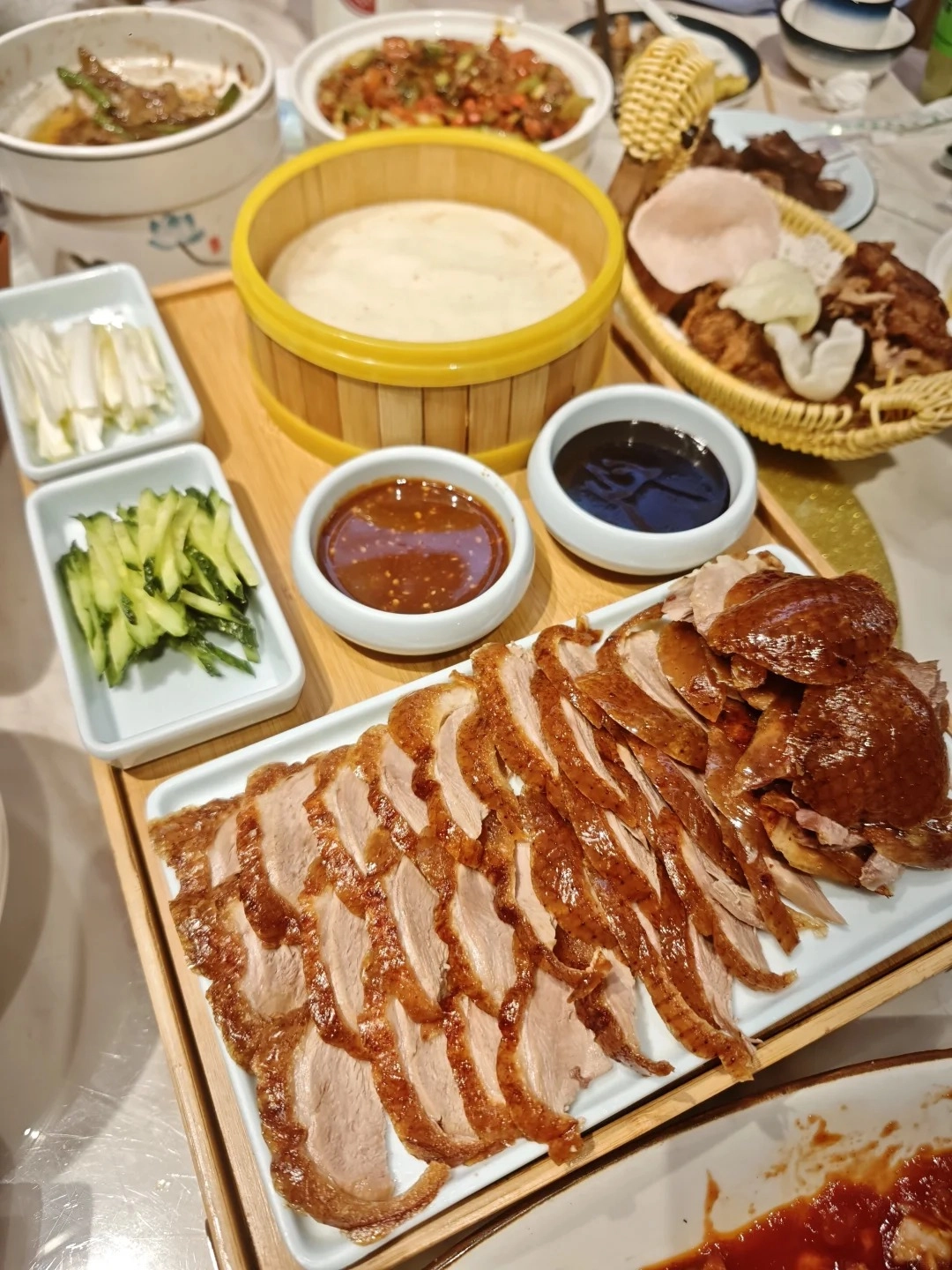
The quintessential Beijing roast duck experience! Perfectly roasted duck with crispy skin is served with delicate pancakes, fresh cucumber and scallion slivers, and rich dipping sauces, ready to be assembled into delicious wraps. This iconic dish is a must-try for any traveler exploring the culinary landscape of Beijing.
How to Eat Peking Duck Like a Beijinger
There is a specific choreography to eating Peking duck, and doing it wrong is a quick way to look like a tourist. When the chef finishes carving, you will usually be presented with three distinct plates.
The Skin: The first plate contains only the crispiest pieces of skin from the duck’s breast. Do not put this in a pancake. Instead, lightly dip it into the provided dish of granulated white sugar. It will melt on your tongue like savory cotton candy.
The Assembly: For the meat, take a single, paper-thin pancake. Use a piece of duck to paint a thin layer of sweet bean sauce (tianmianjiang) onto the pancake. Add a few strips of cucumber and scallion, place the duck inside, and fold it into a neat, bottom-closed pocket. Do not overstuff it, or it will tear and ruin the bite.
The Finale: When you finish the meat, the waiter will ask what you want to do with the duck skeleton. Always choose to have it boiled into a milky white duck bone soup (yā tāng). It is the perfect, comforting end to a heavy meal.