


Navigating to Xizhou: Transport and Logistics
Getting to Xizhou is incredibly simple if you have your digital infrastructure set up before arriving in China. The village is a straightforward half-hour drive from the bustling gates of Dali Old Town.
You will want to use the Didi ride-hailing mini-program embedded within your Alipay or WeChat app to book a car. To ensure these apps work seamlessly without dropping connection in rural Yunnan, a reliable eSIM is mandatory.
💡 Editor’s Pick: We recommend Nomad eSIM for China because it reliably bypasses the Great Firewall with stable speeds.
What is the 144-hour visa-free transit?
The 144-hour visa-free transit policy allows travelers from 54 eligible countries to enter specific Chinese regions without a prior visa for up to six days, provided they hold a confirmed onward ticket to a third country. Note that Yunnan province has specific port restrictions for this policy in 2026.
Always verify your specific entry port requirements via the official National Immigration Administration website before booking your flights to ensure you comply with current provincial borders.
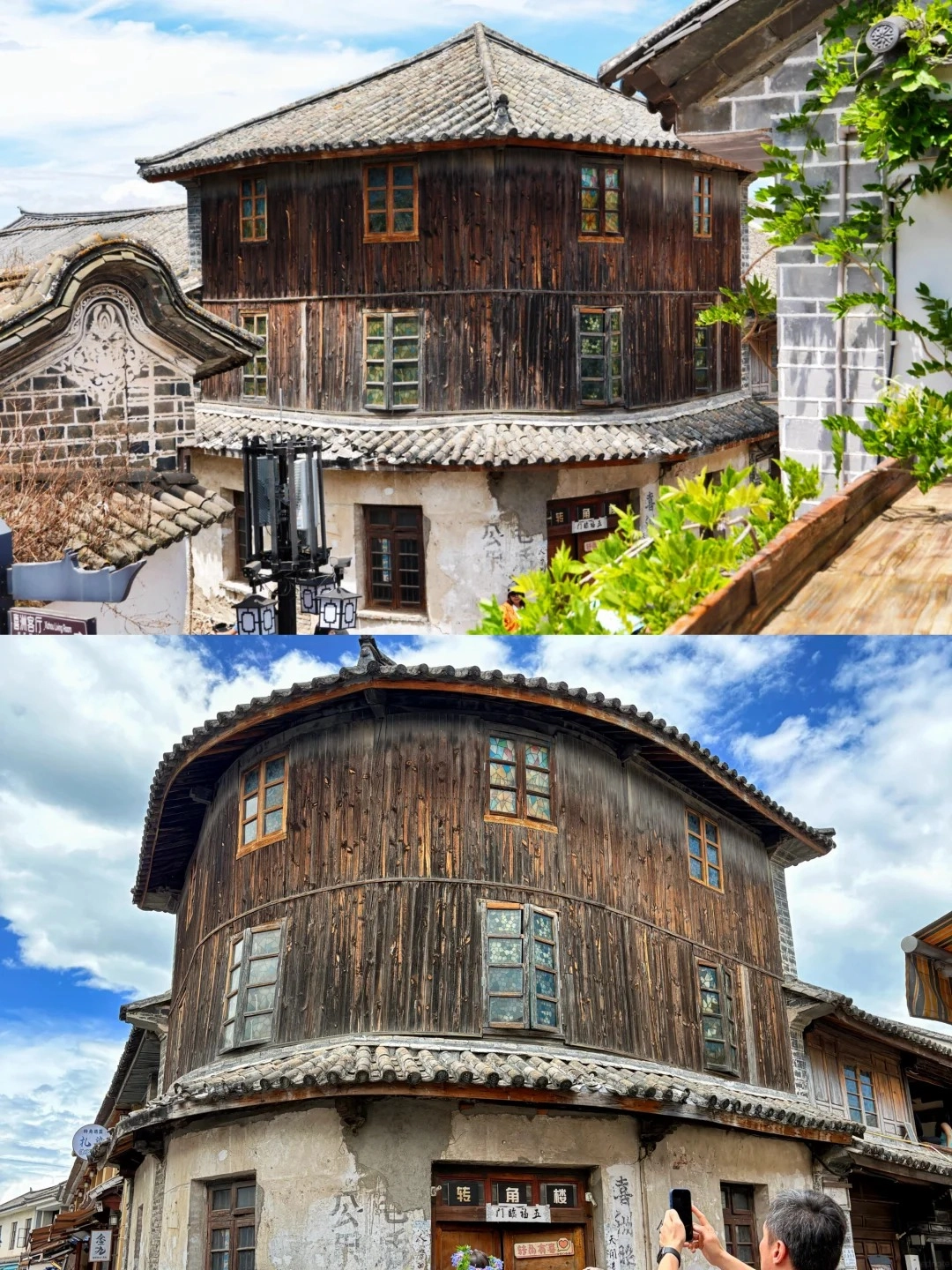
Explore the timeless beauty of Xizhou’s Bai architecture, where centuries-old wooden structures and serene courtyards offer a glimpse into Dali’s rich heritage.
Architectural Marvels: Exploring Bai Heritage
Xizhou boasts the highest concentration of preserved Bai ethnic residential architecture in China. These structures are famous for their symmetrical layouts, flying eaves, and beautifully painted facades.
The crown jewel is the Yan Family Compound. Built in the early 1900s by a wealthy merchant who traded along the ancient Tea Horse Road, it features multiple interconnected courtyards that showcase the peak of local craftsmanship.
As you step over the high wooden thresholds, the scent of aged pine and faint incense hits you immediately. The blindingly white walls, explicitly designed to reflect the intense high-altitude sunlight into the courtyards, contrast beautifully with the dark, ornate wood carvings.
You can also wander into the public courtyards of the Linden Centre, a meticulously restored heritage boutique hotel. Even if you are not a registered guest, the staff generally allows respectful visitors to admire the restored stonework in the outer courtyard.
Culinary Delights: The Famous Xizhou Baba
You absolutely cannot visit this village without trying Xizhou Baba (often called Posu Baba locally). This local flatbread is a cornerstone of regional street food culture.
The dough is laminated with oil or lard and baked in a unique two-tiered charcoal oven, rendering it incredibly crispy on the outside and pillowy on the inside. You can choose between a sweet version (filled with local rose petal jam) or a savory version (stuffed with minced pork and local scallions).
What to Know Before You Go: Skip the Pre-Packaged Snacks
Many stalls near the main tourist square sell cold, plastic-wrapped babas to rushed visitors. Do not buy these. Walk deeper into the village alleys to find local vendors pulling them fresh and bubbling from the hot coals.
A fresh, piping-hot savory baba will cost you around 10 to 15 RMB. Pair it with a cold bottle of local mineral water, which runs a standard 2 RMB at any corner shop, for the ultimate cheap and satisfying lunch.
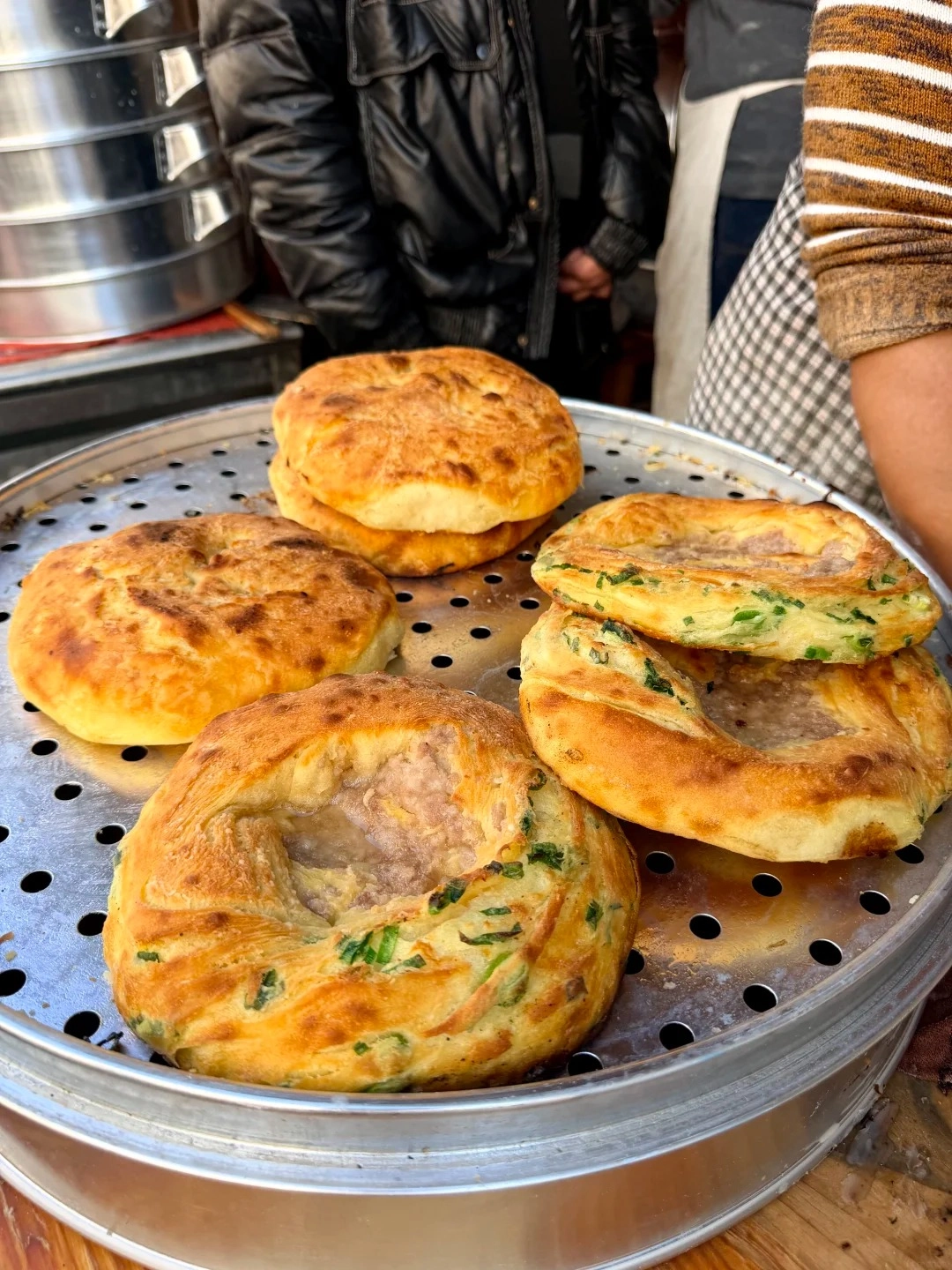
Taste the authentic flavors of Xizhou with these freshly baked Xizhou Baba. These delicious flatbreads are a must-try culinary delight when exploring the ancient courtyards and streets of Dali’s best-preserved village.
The Rice Paddies and Beyond: Is It Worth It?
Just outside the village center lie expansive, verdant rice paddies that have become highly popularized on Chinese social media. The contrast of the green fields against the traditional Bai architecture is stunning.
In recent years, a Rice Paddy Sightseeing Train was introduced for tourists (costing roughly 35 RMB). While the train is a massive hit with domestic families, the tracks can feel slightly disruptive to the natural agrarian charm.
The absolute best way to experience the fields is simply walking the paved perimeter paths for free. Be prepared for intense midday crowds during the July and August summer holidays, where the narrow cobblestone streets become a bottleneck of rental bicycles and tour flags.