


What is the 144-Hour Visa-Free Transit?
The 144-hour visa-free transit is an official Chinese immigration policy allowing eligible passport holders from 54 countries to explore Hangzhou and the wider Zhejiang-Shanghai-Jiangsu region for up to six days without a pre-approved visa, provided they hold valid onward flight tickets to a third country.
Navigating Xixi: Arrivals, Tickets, and Connectivity
Reaching the park is incredibly straightforward thanks to Hangzhou’s expanded metro system. According to the official Hangzhou Metro network, taking Line 3 to South Xixi Wetland Station drops you right near the main boat terminals. Alternatively, the Dongyue station provides access to the futuristic Wetlands Museum.
Before you arrive, ensure your smartphone is ready for China’s digital-first economy. Cash is rarely accepted at ticket windows here. You will need to scan a QR code using Alipay or WeChat to purchase your 80 RMB entrance ticket and boat passes.
Because these apps require a stable internet connection—and foreign roaming can be spotty—I highly recommend installing an eSIM before landing.
💡 Editor’s Pick: We recommend Nomad eSIM for China because it reliably bypasses the Great Firewall with stable speeds.
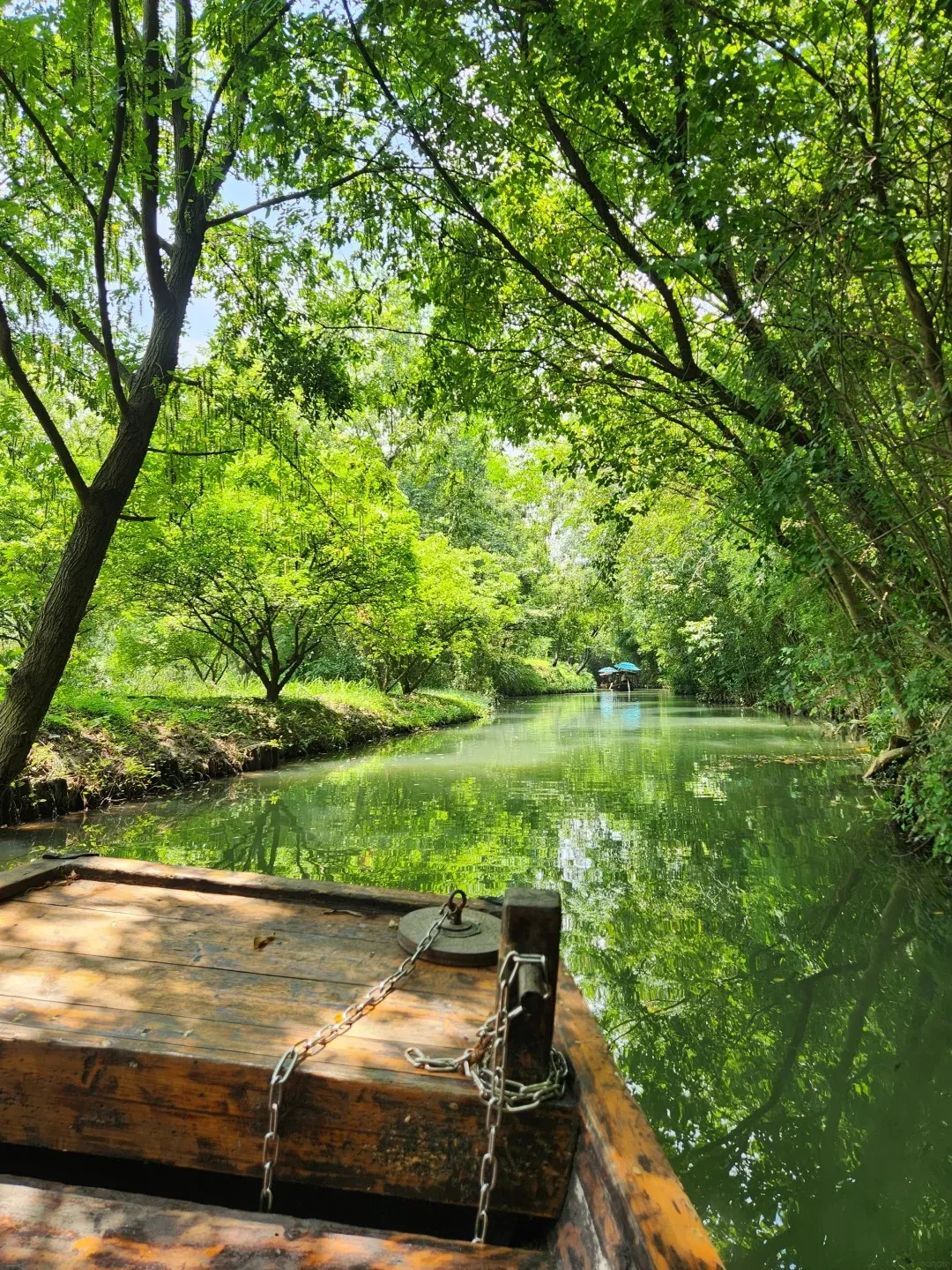
Escape the crowds of West Lake and discover the serene beauty of Hangzhou’s Xixi National Wetland Park. Glide through tranquil canals like this one, a hidden gem offering a peaceful perspective on the region’s natural charm.
Insider Tip: What to Know Before You Go
Here is a crucial piece of advice that many first-timers miss: skip the free Central Zone. Because it costs nothing to enter, the central area is packed with noisy tour groups, overpriced souvenir stalls, and aggressive vendors.
Instead, pay the 80 RMB to enter the protected Eastern or Western zones. The moment you cross into the ticketed area, the crowds vanish. The air feels noticeably thicker and cooler, carrying the earthy scent of mud, camphor trees, and wild reeds.
Be prepared for the humidity. In summer, the subtropical climate means you will be sweating through your shirt within an hour. Bring mosquito repellent and buy a 3 RMB bottle of Nongfu Spring water at a convenience store before entering the park, as prices double once you are inside the scenic area.
Choosing Your Route: Motorboat vs. Traditional Gondola
With 70% of Xixi covered in water, exploring by boat isn’t just an option; it’s a necessity. You have two primary choices, and they offer vastly different experiences.
The Overrated Option: Outer River Motorboats
The standard ticket often bundles a ride on the larger motorboats that cruise the outer waterways. While efficient, these boats are loud, smell faintly of diesel, and rush past the scenery too quickly. You are confined behind glass windows, making photography difficult.
The Authentic Choice: Inner River Sculling Boats
For a truly immersive experience, hire a traditional wooden gondola (sculling boat) at Zhoujia Wharf. Navigated by a local boatman using a single long oar, these smaller vessels glide silently through narrow, shaded channels where motorboats cannot fit.
The gentle splashing of the oar and the calls of wild kingfishers create a meditative atmosphere. Have your boatman drop you off at Qiuxue Hut (Autumn Snow Hut), an isolated island accessible only by water, offering panoramic views of the wetlands.
Seasonal Highlights for Nature Lovers
Xixi transforms dramatically with the seasons, meaning your experience depends entirely on when you visit.
- Spring (March to April): Head to the Xixi Plum Blossom Villa. The air is intensely fragrant with blooming plum blossoms, and the weather is mild enough for long walks along the stone bridges. Watch your step, as the mossy stones can be quite slippery.
- Autumn (September to November): This is arguably the best time to visit. The park hosts the annual Huoshi (Persimmon) Festival. The trees are heavy with bright orange fruit, and the massive fields of tufted reeds turn stark white, resembling a layer of autumn snow.
- Winter (December to February): While cold and damp, winter offers stark, hauntingly beautiful photography opportunities. The tourist crowds are virtually non-existent, giving you the entire wetland to yourself.
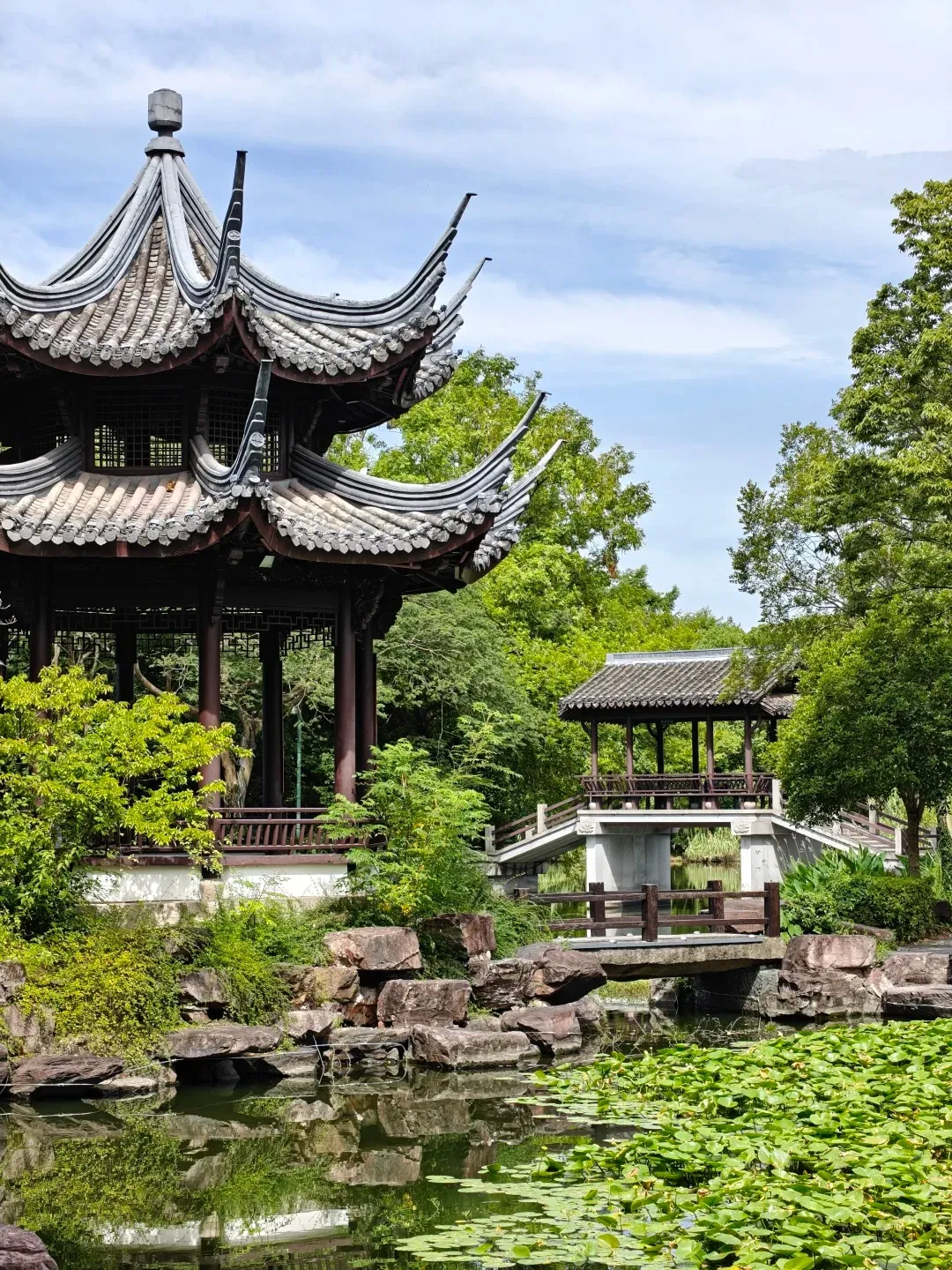
While autumn offers its own beauty, Hangzhou’s National Wetland Park reveals vibrant greenery and architectural splendor in the warmer months. Explore the serene landscapes and traditional structures that make Xixi a must-visit destination.
Historical Villages and Cultural Stops
While nature is the main draw, the park is dotted with remnants of the fishing and silk-farming communities that thrived here during the Ming and Qing dynasties.
Stop at the Yanshui Fish Shop (Yanshui Yuzhuang). Historically a resting place for local fishermen, it now features double-story garden-style buildings. It’s an excellent spot to try authentic Hangzhou wetland cuisine, such as freshwater shrimp and braised fish, though expect a premium markup for the location.
For history buffs, the Xixi Water Pavilion served as a library and meeting place for ancient scholars. The wooden architecture and tranquil reading rooms provide a stark contrast to the hyper-modern Alibaba headquarters located just a few kilometers outside the park gates.