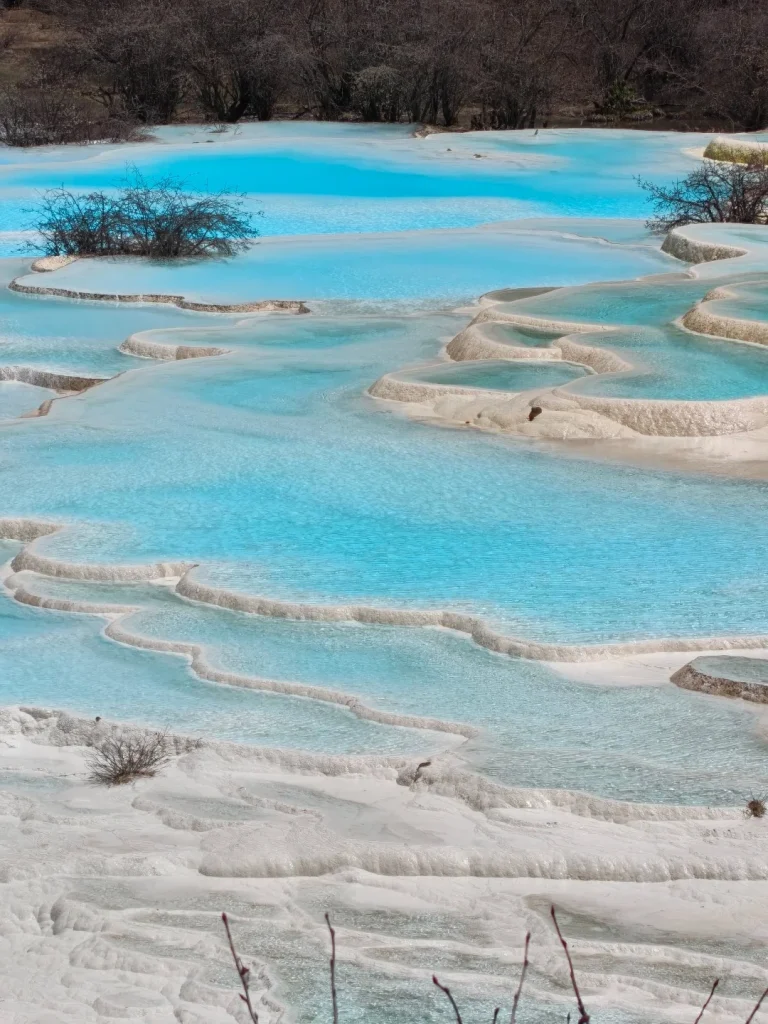



What is the 144-Hour Visa-Free Transit Policy?
The 144-hour visa-free transit policy allows eligible travelers from 54 countries to enter the Shandong region, including Qingdao, without a pre-approved visa for up to six days. You must hold a valid passport and a confirmed onward ticket to a third country outside of mainland China.
How to Navigate Transport to Laoshan from Qingdao
Getting to the mountain used to require a lengthy, confusing bus ride, but infrastructure updates have streamlined the process. According to the official Qingdao Metro schedule, Metro Line 4 now runs directly to the Dahedong (大河东) station, which serves as the primary southern gateway to the park.
The metro cars are heavily air-conditioned—a stark contrast to the humid coastal air waiting for you at the exit. The journey from the Old Town takes about 45 minutes. Alternatively, if you are targeting the northern canyon trails, take Metro Line 11 to the Beijiushui (北九水) station.
No matter which route you take, you will need a reliable mobile connection to scan entry QR codes and pull up digital maps. Relying on public Wi-Fi in the park is a guaranteed way to get stranded.
💡 Editor’s Pick: We recommend Nomad eSIM for China because it reliably bypasses the Great Firewall with stable speeds.
Decoding the 2026 Laoshan Ticket System
Private cars are strictly banned inside the park boundaries. When you arrive at the Dahedong tourist center, you must purchase an admission ticket and a shuttle bus pass. You can buy these via the official WeChat mini-program, but foreign passports usually require manual verification at the physical ticket window.
Insider Tip: Do not buy the “all-inclusive” three-day pass (¥180) unless you are actually staying overnight in the area. The two-day joint ticket (¥130) is more than enough for 99% of international visitors.
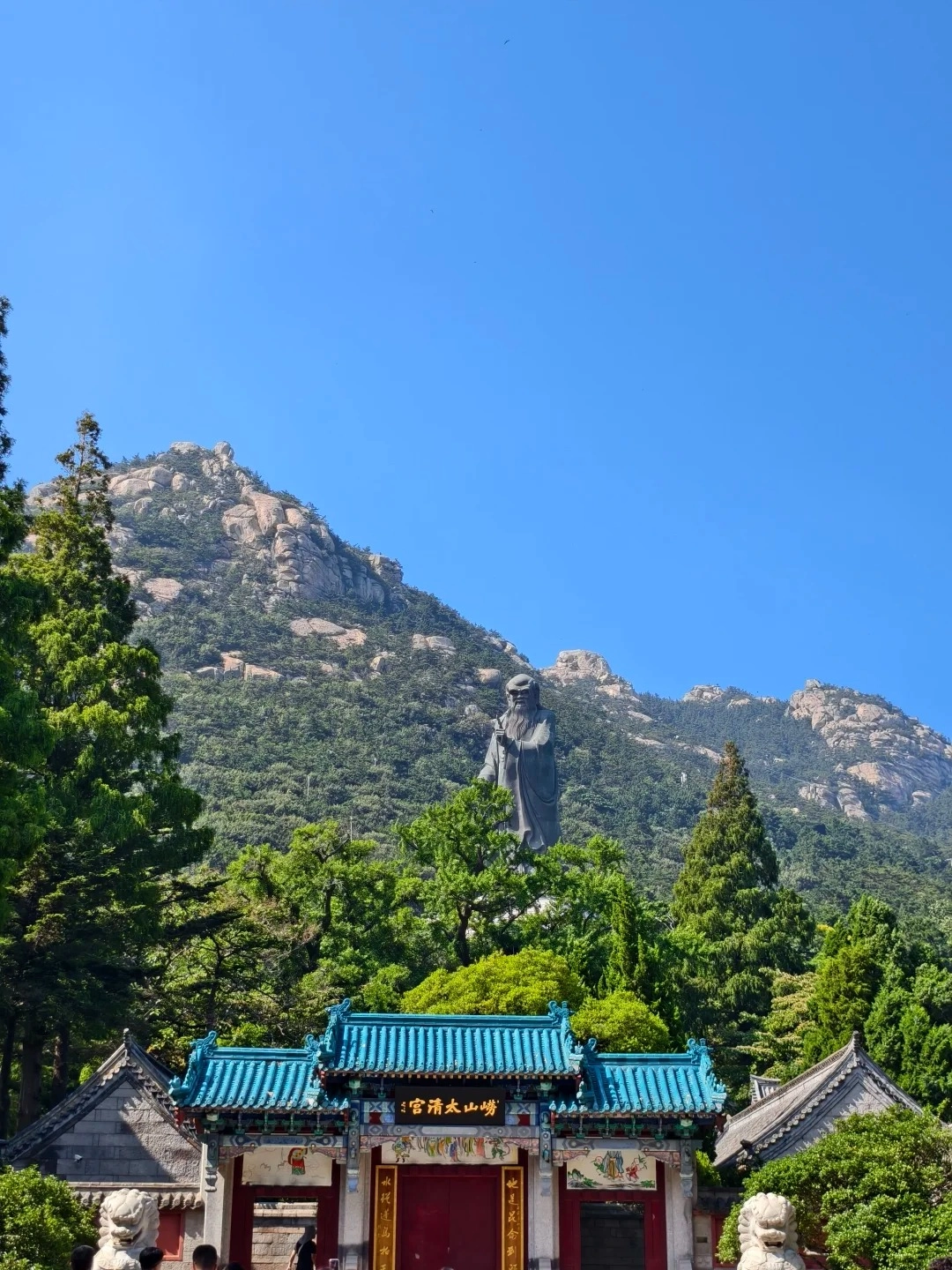
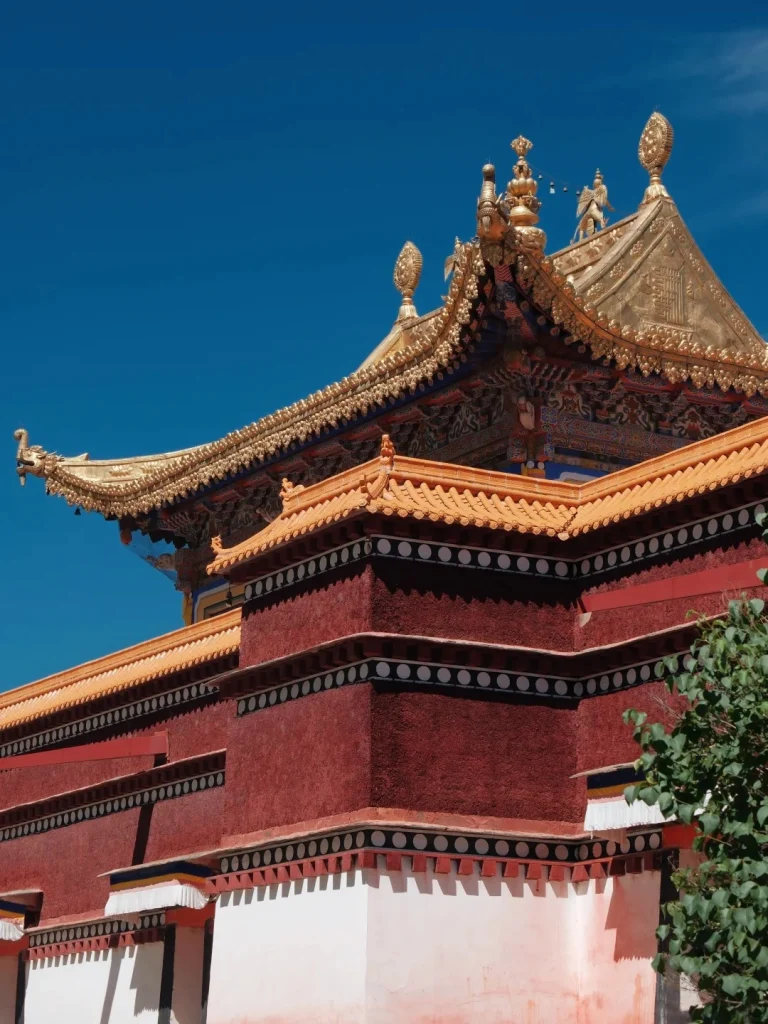
Explore the spiritual heart of Laoshan Mountain at Taiqing Palace, where the grandeur of Taoist temples meets the awe-inspiring presence of ancient philosophers.
Choosing Your Trail: The Best Laoshan Mountain Hiking Routes
Laoshan is not a single peak, but a massive park divided into distinct scenic zones. You cannot hike them all in one day. Here is how to choose your path based on real on-the-ground conditions.
1. Dahedong to Jufeng Peak (The High Climb)
Jufeng (巨峰) is the highest peak at 1,132 meters. The shuttle bus drops you at the base, where you face a choice: a grueling three-hour stair climb or a 15-minute cable car ride (¥40 one way). If you choose to walk, prepare for a lung-busting ascent up steep, uneven granite stairs.
The air here smells strongly of ancient pine and the salty Yellow Sea breeze. Once you reach the upper cable car station, a circular paved trail wraps around the summit. Honest assessment: Take the cable car up and save your knees for the loop trail at the top, which takes about two hours and offers the best panoramic views of the ocean.
2. Taiqing Palace (The Taoist Heart)
Nestled on the southern slopes where the mountain meets the sea, Taiqing Palace (太清宫) is the largest and oldest temple complex in Laoshan, dating back to the 10th century. You will see Taoist monks in traditional blue and white robes sweeping the courtyards.
The highlight here is the Spring of the Immortals (神水泉), where fresh mountain water bubbles up. What to avoid: Skip the overpriced, bright red “blessing ribbons” aggressively pushed by hawkers near the temple exit. Instead, spend your time admiring the ancient elm trees and the subtle stone inscriptions.
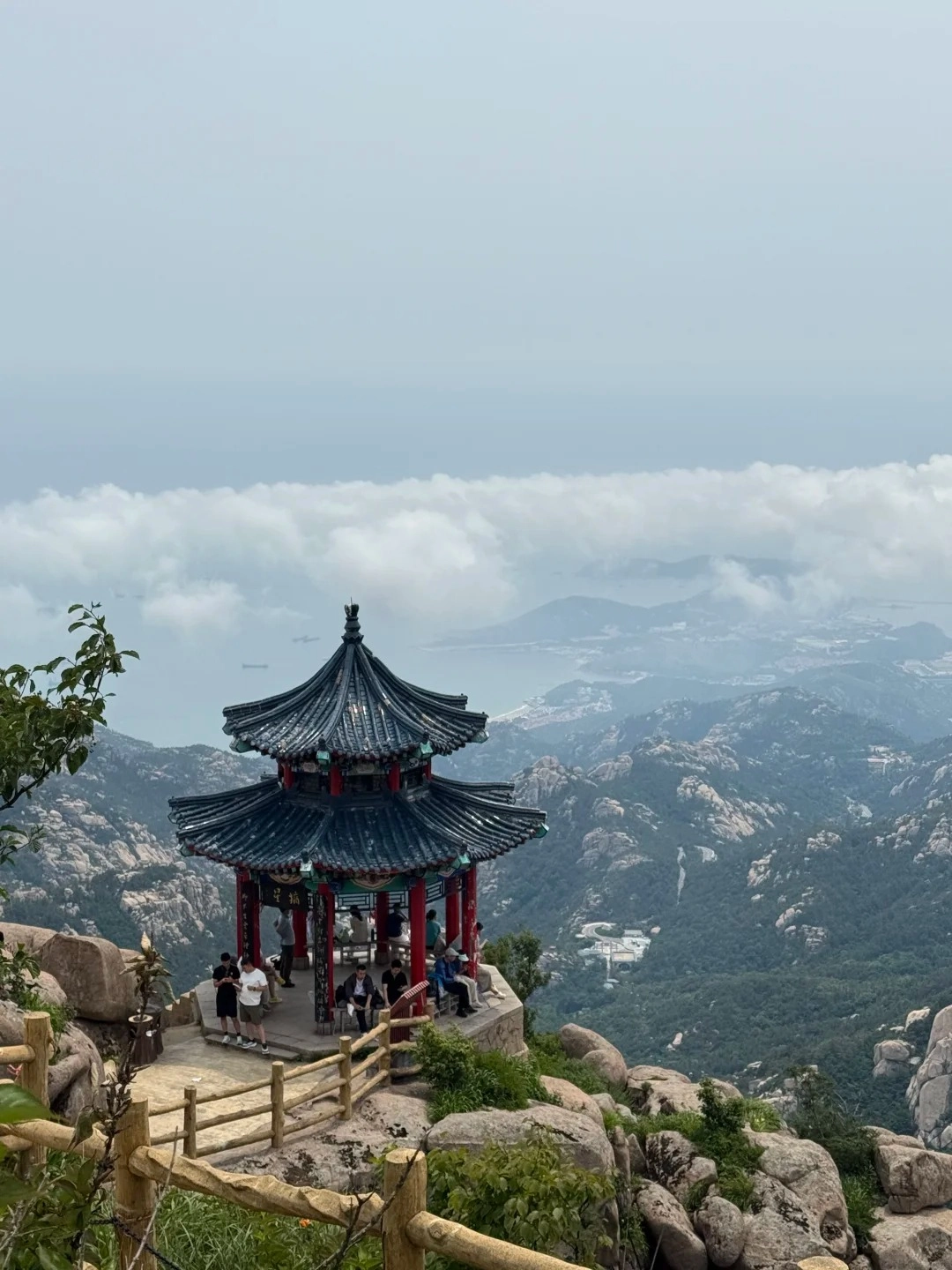
Perched atop Laoshan Mountain, this ornate pavilion offers breathtaking panoramic views of the Yellow Sea, a perfect spot to reflect after exploring its Taoist temples and scenic hiking trails.
3. Yangkou Scenic Area (The Rugged Scramble)
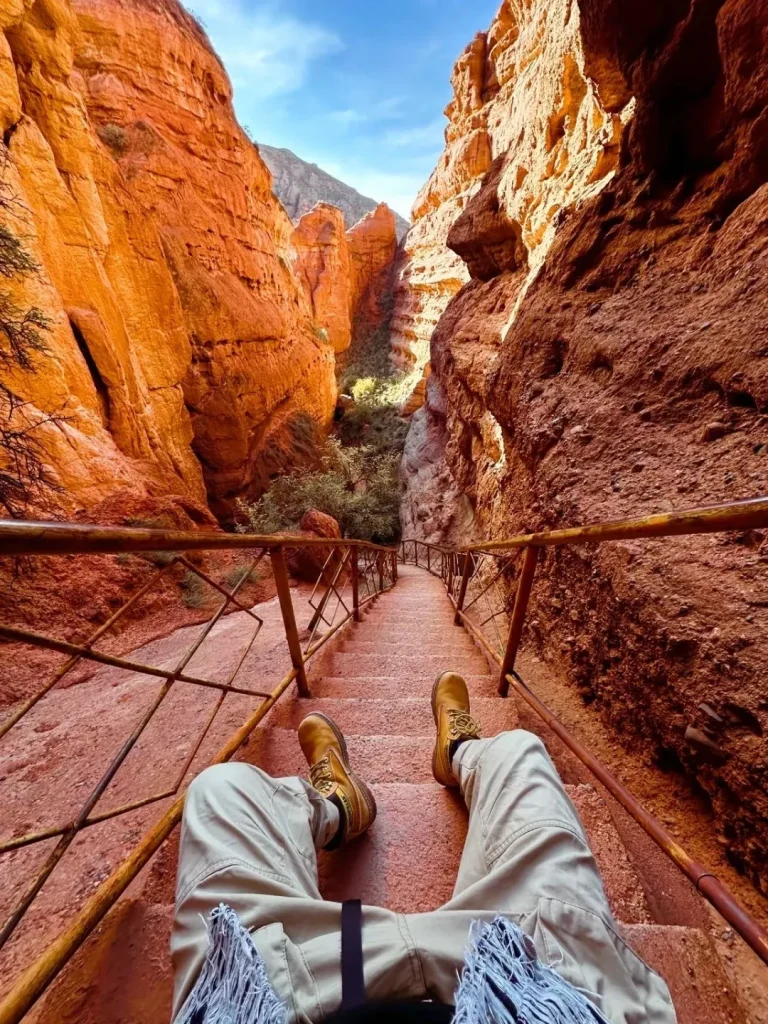
Located on the far eastern side of the park, Yangkou (仰口) is a favorite for adventure seekers. The three-hour ascent requires you to navigate the Looking for Heaven Cave (觅天洞). This is not a standard cave, but a claustrophobic, pitch-black scramble through boulders stacked between two cliffs.
You will need your phone flashlight, and you will likely bump your head. It is incredibly fun but absolutely not recommended for anyone with claustrophobia or mobility issues. The reward at the top is the Lion Peak, offering a stunning, unobstructed view of a crescent-shaped beach below.
What to Know Before You Go: Mountain Survival Tips
Mountain weather in Qingdao turns on a dime. You can start your hike in blinding sunshine and end it in a thick, chilly coastal fog. Always pack a lightweight rain shell, even in August.
Hydration costs: Bring your own water from the city. A standard bottle of Nongfu Spring water costs ¥2 at a FamilyMart in downtown Qingdao, but the price spikes to ¥15 at the snack stalls near the Jufeng summit. The vendors haul these bottles up on foot, so the markup is justified, but it will quickly eat into your budget.
Finally, stick to the paved paths. While you might see red ribbons tied to branches indicating off-piste trails, these are often used by local foragers and can lead to dangerous, unmaintained drops. The official trails offer more than enough rugged beauty for a day trip.