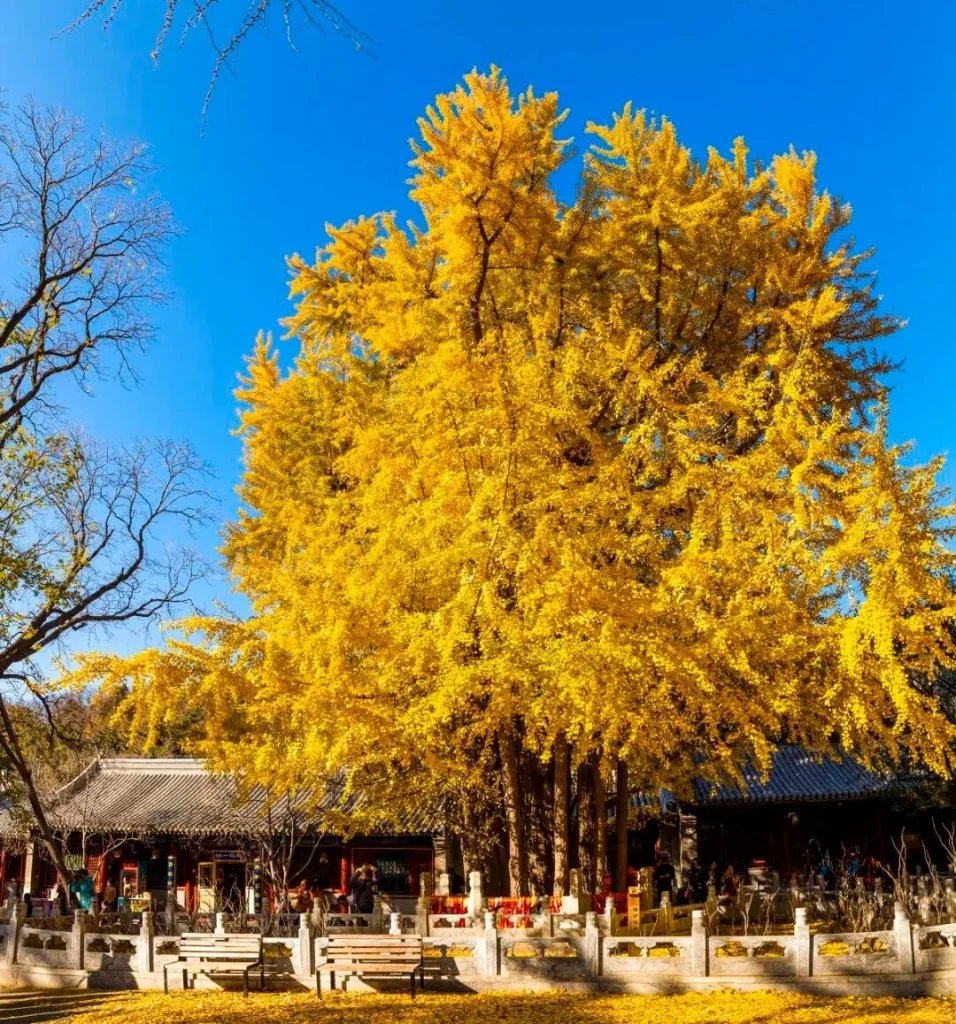



Essential Logistics for a Seamless 2026 Trip
How to Buy Train Tickets to Jiuzhaigou
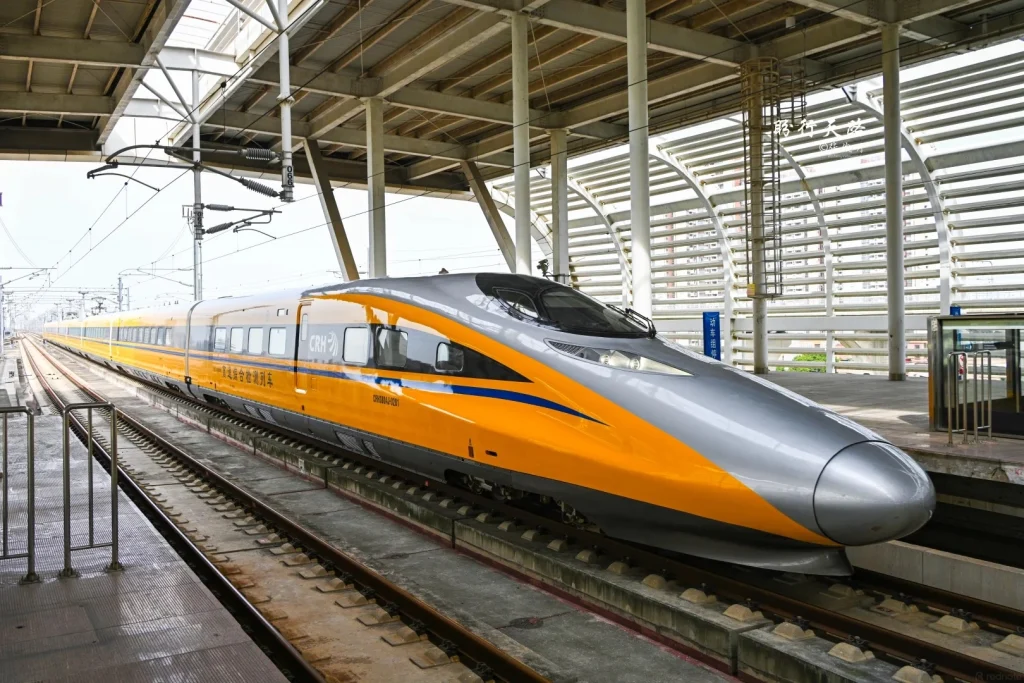
According to the official China Railway 12306 policy, foreign travelers can book high-speed rail tickets up to 15 days in advance using their passport. You will depart from Chengdu East Railway Station and arrive at Huanglongjiuzhai Station.
Do not wait until the day of travel. These routes are heavily trafficked by domestic tour groups. Once you arrive, official shuttle buses run directly from the station to both Huanglong (about 40 minutes) and Jiuzhaigou (about 2 hours).
What is the 144-Hour Visa-Free Transit?
The 144-hour visa-free transit is a Chinese immigration policy allowing eligible foreign nationals to enter specific regions, including Chengdu and the wider Sichuan province, for up to 6 days without a prior visa, provided they hold a confirmed onward ticket to a third country.
Staying Connected in the Mountains
China’s Great Firewall blocks Google, WhatsApp, and Instagram. Furthermore, public Wi-Fi in the national parks requires a Chinese phone number to receive a verification SMS. To navigate Alipay, translate menus, and use maps seamlessly, you need a reliable data connection.
💡 Editor’s Pick: We recommend Nomad eSIM for China because it reliably bypasses the Great Firewall with stable speeds.
Setting up your digital wallet (Alipay/WeChat Pay) before arriving is critical. Even a roasted yak meat skewer from a roadside vendor requires a QR code scan; physical cash is rarely accepted in the park areas.
The Perfect 4–5 Day Jiuzhaigou & Huanglong Itinerary
Day 1: Chengdu to Huanglong’s Travertine Pools
Take the earliest possible bullet train from Chengdu. Upon arriving at Huanglongjiuzhai Station, take the direct shuttle to the Huanglong National Scenic Reserve. To save your lungs in the thin, crisp air, buy the cable car ticket up and the shuttle buggy to the Five-Color Pond.
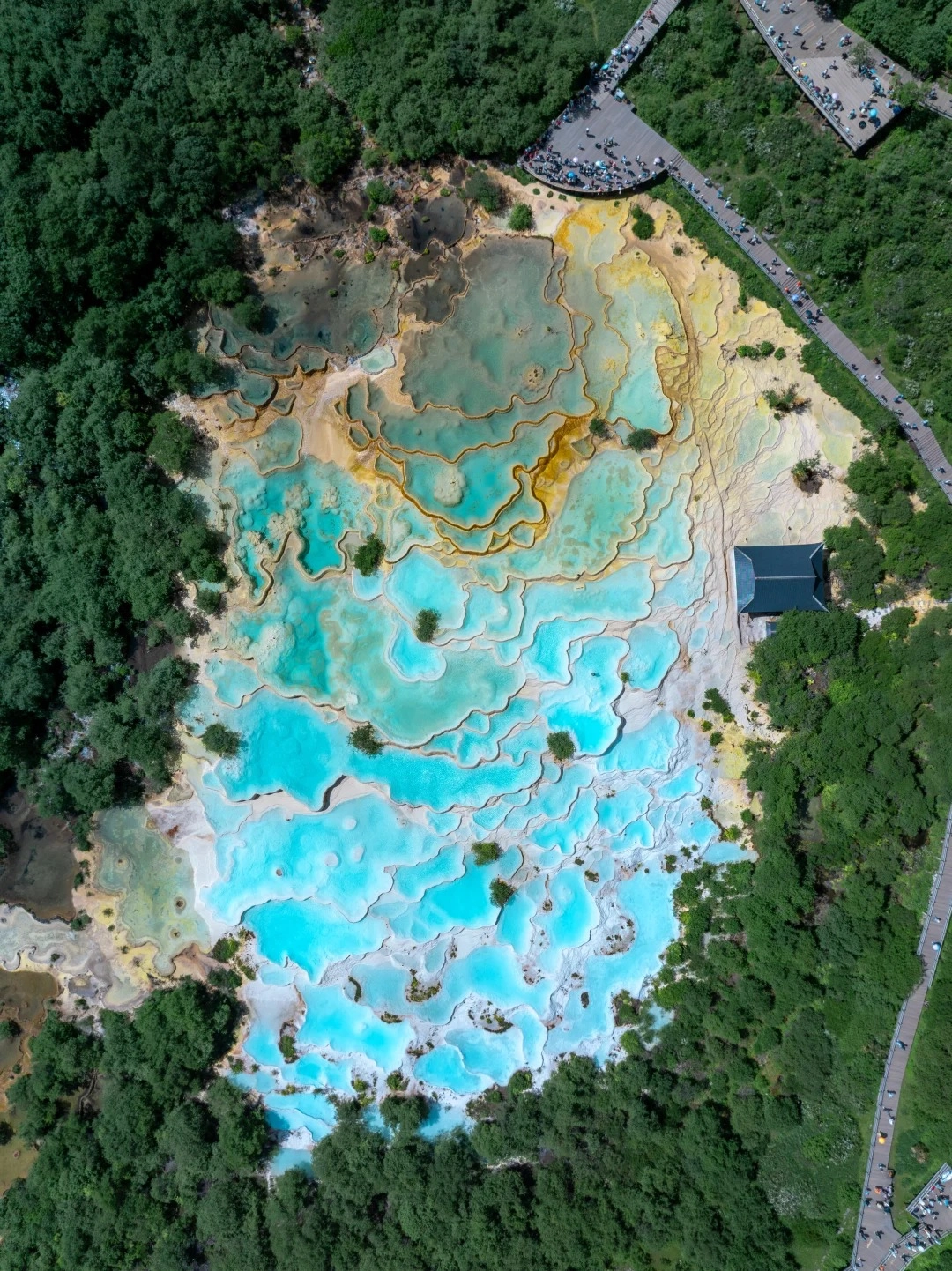
The breathtaking travertine terraces of Huanglong offer a stunning contrast to Jiuzhaigou’s lakes, showcasing the incredible geological diversity possible within a single Sichuan nature itinerary.
Insider Tip: Never hike up Huanglong. The altitude is over 3,500 meters, and the oxygen is noticeably thin. Take the cable car up, marvel at the calcium carbonate pools, and take the 750m walking trail down the valley. You will avoid the breathless exhaustion and still see the verdant forests and cascading waterfalls.
After your 3-4 hour visit, hire a private car or take the shuttle to your hotel in Zhangzha Town (just outside the Jiuzhaigou park entrance). Rest and hydrate to acclimatize.
Day 2: Full Day Exploring Jiuzhaigou Valley
Jiuzhaigou is shaped like a giant “Y”. Private vehicles are banned, so you will rely on the park’s hop-on, hop-off bus system. Get to the gate by 7:30 AM to beat the massive flag-waving tour groups. The entrance fee is roughly 190 RMB, plus a mandatory 90 RMB for the sightseeing bus.
Start by taking the bus all the way up the right branch to Primeval Forest, then work your way down the Rize Valley. The highlight here is Five Flower Lake. The water is so impossibly clear that you can count the ancient, calcified tree trunks resting on the lakebed.
By noon, the aroma of instant noodles and crowded bodies at the Nuorilang Tourist Center (the intersection of the “Y”) can be overwhelming. Skip the overpriced buffet. Instead, pack your own high-energy snacks and find a quiet bench near Shuzheng Lakes. Note that a simple bottle of water inside the park will cost you 15-20 RMB, so bring your own.
Day 3: Tibetan Culture and the Secret Garden
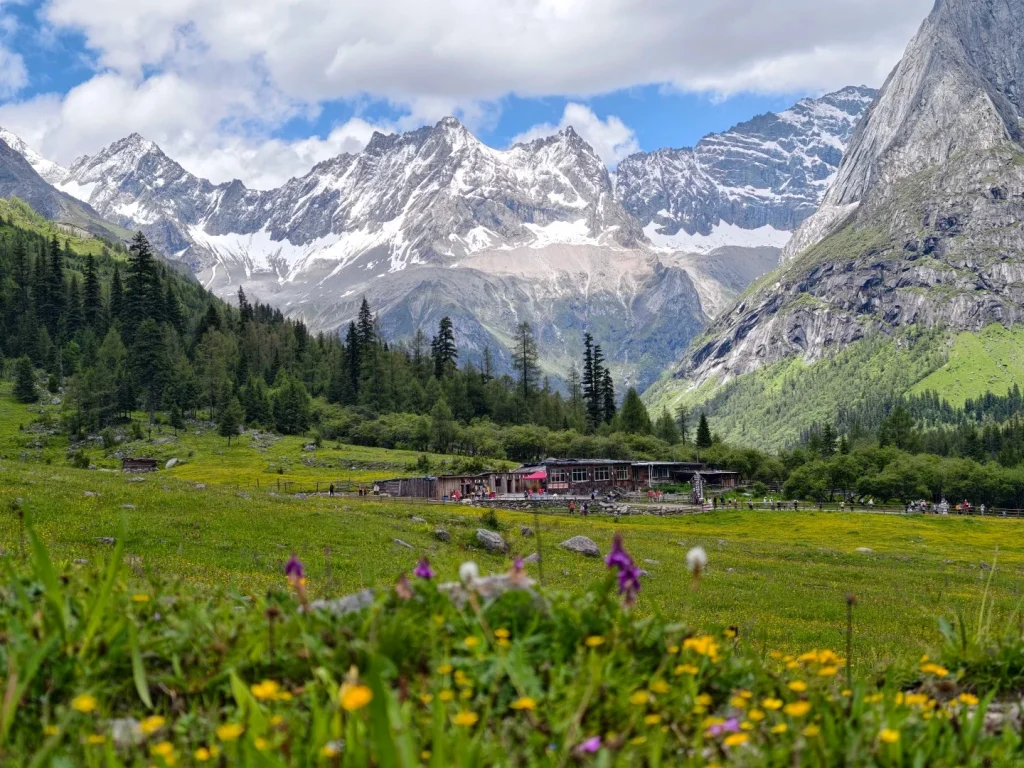
If you want an escape from the selfie-stick chaos of the main valleys, spend your third morning in Zhongchagou, a tranquil valley just outside the main park. Here, prayer flags flutter in the wind, and yaks graze freely against a backdrop of snow-capped peaks.
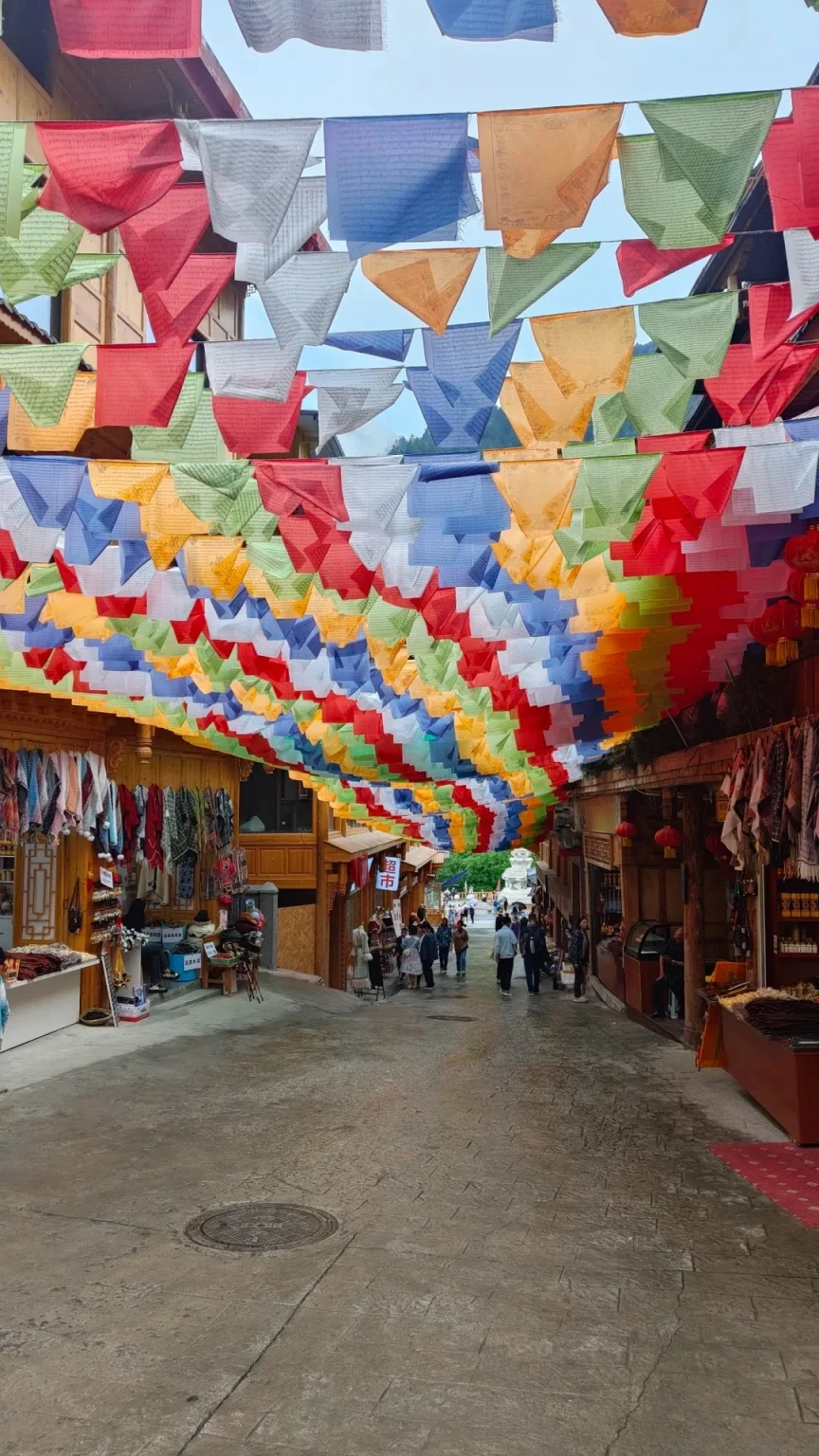
Colorful prayer flags flutter above a street in a Tibetan village, adding vibrant hues to the journey through Sichuan’s natural wonders.
Visit a traditional Tibetan home to try authentic butter tea. The sharp, salty taste of the tea mixed with the smoky scent of roasted barley flour (tsampa) is a sensory experience you won’t forget. In the afternoon, you can arrange a traditional Tibetan dress photoshoot near the lakes—a massive trend in 2026.
Day 4: Return to Chengdu or Dujiangyan
Take the morning high-speed train back toward Chengdu. If you have the energy, disembark early at Dujiangyan Station. You can spend the afternoon marveling at the 2,000-year-old Dujiangyan Irrigation System, a marvel of ancient engineering that still controls the Min River today.
Day 5 (Optional): Pandas and Mount Qingcheng
If you extend to a 5-day trip, spend this day visiting the Dujiangyan Panda Base, which is far less crowded than the main Chengdu breeding center. Follow it up with a misty hike up Mount Qingcheng, the birthplace of Taoism, before catching a short 30-minute bullet train back to central Chengdu for a well-deserved spicy Sichuan hotpot.
What to Know Before You Go: An Honest Assessment
The Crowds Are Real
Despite the strict 40,000-visitor daily cap in 2026, Jiuzhaigou feels intensely crowded at major choke points like Pearl Shoal Waterfall. The trick is to walk the wooden boardwalks between the major bus stops. Most domestic tourists only get off the bus, snap a photo, and get back on. Walk the trails, and you will have the pristine alpine forests largely to yourself.
Is the Food Worth It?
The food immediately surrounding the park entrances is heavily commercialized and expensive. You will smell the heavy scent of cumin and roasting meat everywhere. While the yak meat skewers are a fun street snack, for a proper meal, walk a few streets back into Zhangzha Town to find smaller, family-run Sichuan restaurants serving authentic mapo tofu and twice-cooked pork at half the price.