


What is the 144-Hour Visa-Free Transit in Guangdong?
The 144-hour visa-free transit policy allows eligible travelers from 54 countries to explore Guangdong province, including Chaozhou, for up to six days without a Chinese visa. To qualify in 2026, you must hold a confirmed onward flight ticket to a third country departing from an approved Guangdong port.
Getting to Chaozhou & Staying Connected in 2026
Most travelers arrive via high-speed rail. According to the official 12306 China Railway platform, you should book tickets to Chaoshan Station, which serves both Chaozhou and neighboring Shantou. From the station, a taxi to the Ancient City takes about 40 minutes and costs roughly 60 RMB.
Navigating these chaotic food streets requires constant use of translation apps and mobile payments. Because standard international roaming is painfully slow and blocked by the Great Firewall, you will need a reliable travel eSIM to access Google Maps and WhatsApp.
💡 Editor’s Pick: We recommend Nomad eSIM for China because it reliably bypasses the Great Firewall with stable speeds.
Insider Tip: Do not rely on Apple Maps in Chaozhou’s historic district. The narrow alleyways are poorly mapped. Use the Amap (Gaode) or Baidu Maps mini-programs inside Alipay for accurate, real-time walking directions to specific food stalls.
Must-Try Chaozhou Street Foods (And What to Skip)
Teochew Beef Hotpot: The Ultimate Local Obsession
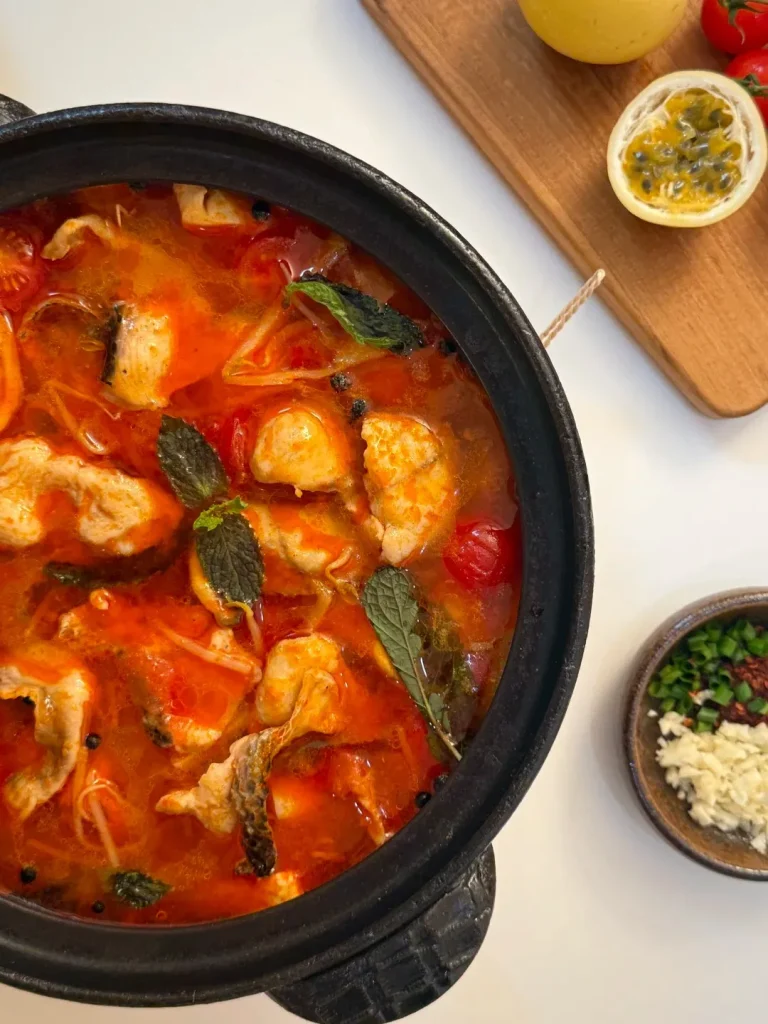
Unlike the fiery, oil-heavy broths of Sichuan, Chaoshan beef hotpot uses a mild, comforting bone broth designed to highlight the meat’s freshness. The beef is famously slaughtered and served within hours. You will see butchers at the front of restaurants expertly slicing cuts like the prized neck-core (xuebo) and fatty brisket.
What to Know Before You Go: Do not chase the internet-famous restaurants with two-hour queues. Walk three blocks away from the main tourist zone and find a spot packed with local families. A crucial local warning: never consume fresh local olives alongside beef hotpot, as the combination is known to cause severe stomach cramps.
Marinated Raw Seafood: The “Chaoshan Poison”
Locals affectionately call this dish “poison” because it is highly addictive. Fresh raw shrimp, crab, and blood clams are marinated in a pungent, salty-spicy mix of soy sauce, garlic, cilantro, and chili. The texture is incredibly soft, almost jelly-like, melting instantly on the tongue.
Is it Worth It? Yes, but proceed with caution. If you are not accustomed to raw seafood in Asia, eat it strictly with plain white congee to temper the intense flavors and minimize the risk of gastroenteritis. A small street portion usually costs around 35 RMB.
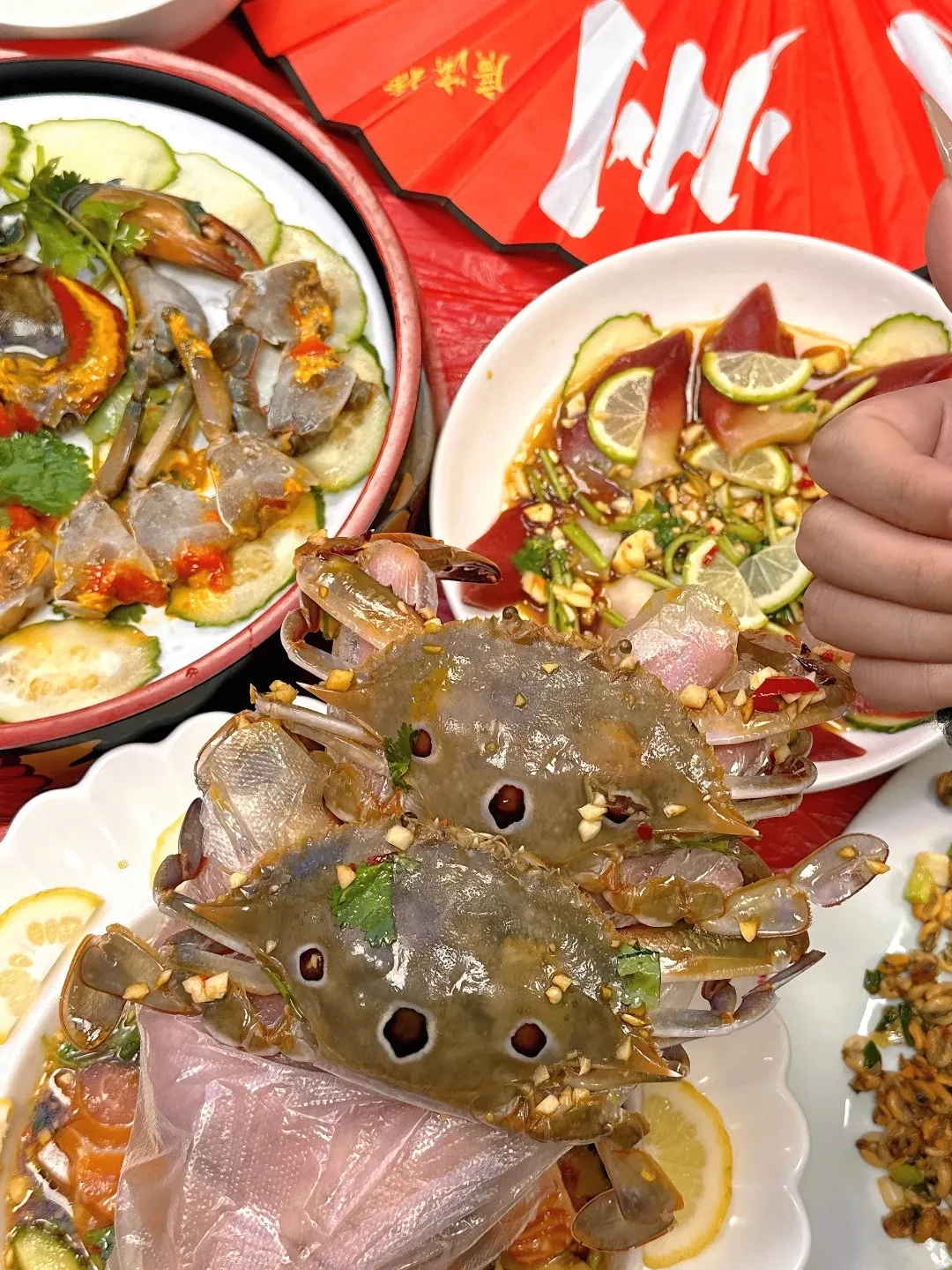
Dive into the vibrant world of Chaozhou street food with this incredibly fresh marinated raw crab, a delicacy that perfectly balances spice, garlic, and the ocean’s briny goodness. A must-try when exploring the local markets!
Street-Side Kueh (Guo) and Oyster Omelets
Wandering the streets, the heavy, savory scent of frying oil and rice flour will lead you to vendors selling guo (kueh in the Teochew dialect). These are traditional rice cakes, vastly different from the sweet Southeast Asian varieties. The most iconic is the Png Kueh, a pink, peach-shaped dumpling stuffed with glutinous rice, peanuts, and mushrooms.
You must also try the Chaozhou oyster omelet. Unlike the Taiwanese version, the local take is fried until the sweet potato starch edges are shatteringly crisp, served with a side of intensely savory fish sauce. Expect to pay about 20 RMB for a freshly made plate.
Best Markets and Food Streets in the Historic District
Archway Street (Paifang Street): Iconic but Crowded
Archway Street is the visual centerpiece of Chaozhou Ancient City, lined with 22 restored Ming and Qing dynasty stone archways. It is undeniably beautiful, especially when illuminated at night, but it is also the most congested and commercialized stretch in the city.
Insider Tip: Come here for photography and to buy pre-packaged souvenirs like local tea and peanut candy. However, skip the sit-down meals here. The restaurants cater exclusively to tourists, meaning higher prices and diluted flavors.
Xi’ma Road & Yi’an Road: The Authentic Alternatives
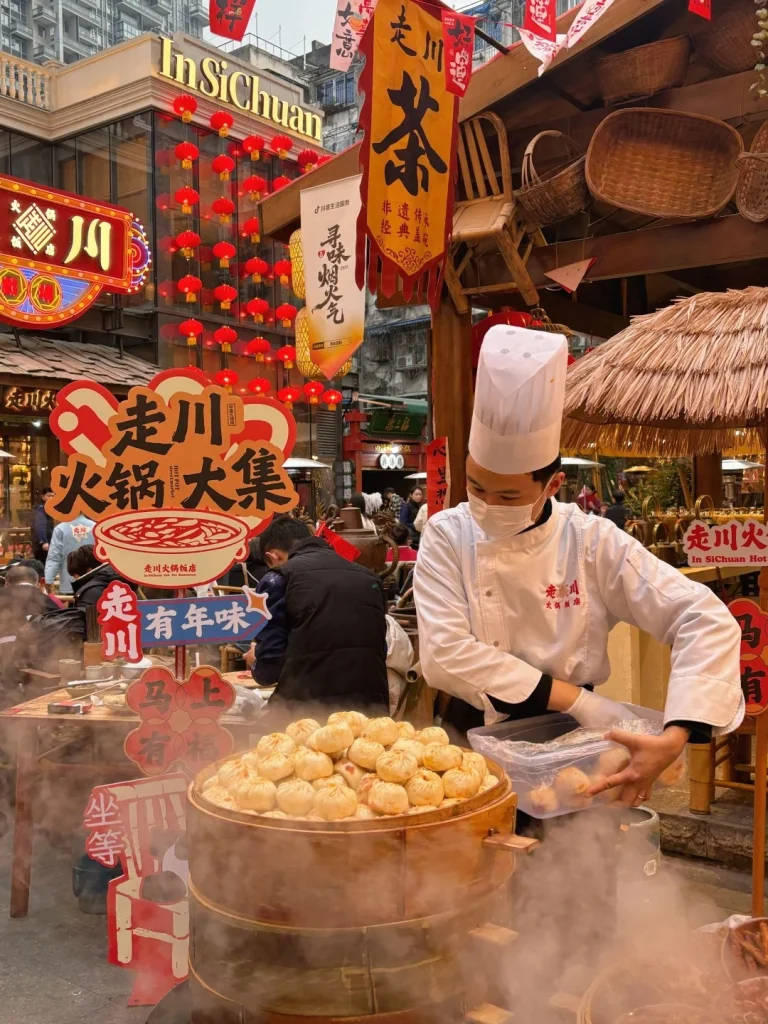
Just a three-minute walk from the chaos of Archway Street, you will find Xi’ma Road and Yi’an Road. This is where the real culinary magic happens. The air here smells of star anise, sweet mung bean, and sizzling garlic. The walkways are cramped, and you will likely have to dodge delivery scooters while eating.
Look for vendors selling fermented bean curd chicken wings and freshly pulled sugar onion pancakes. You won’t find English menus here, so point at what looks good and scan the vendor’s blue Alipay QR code taped to their cart.
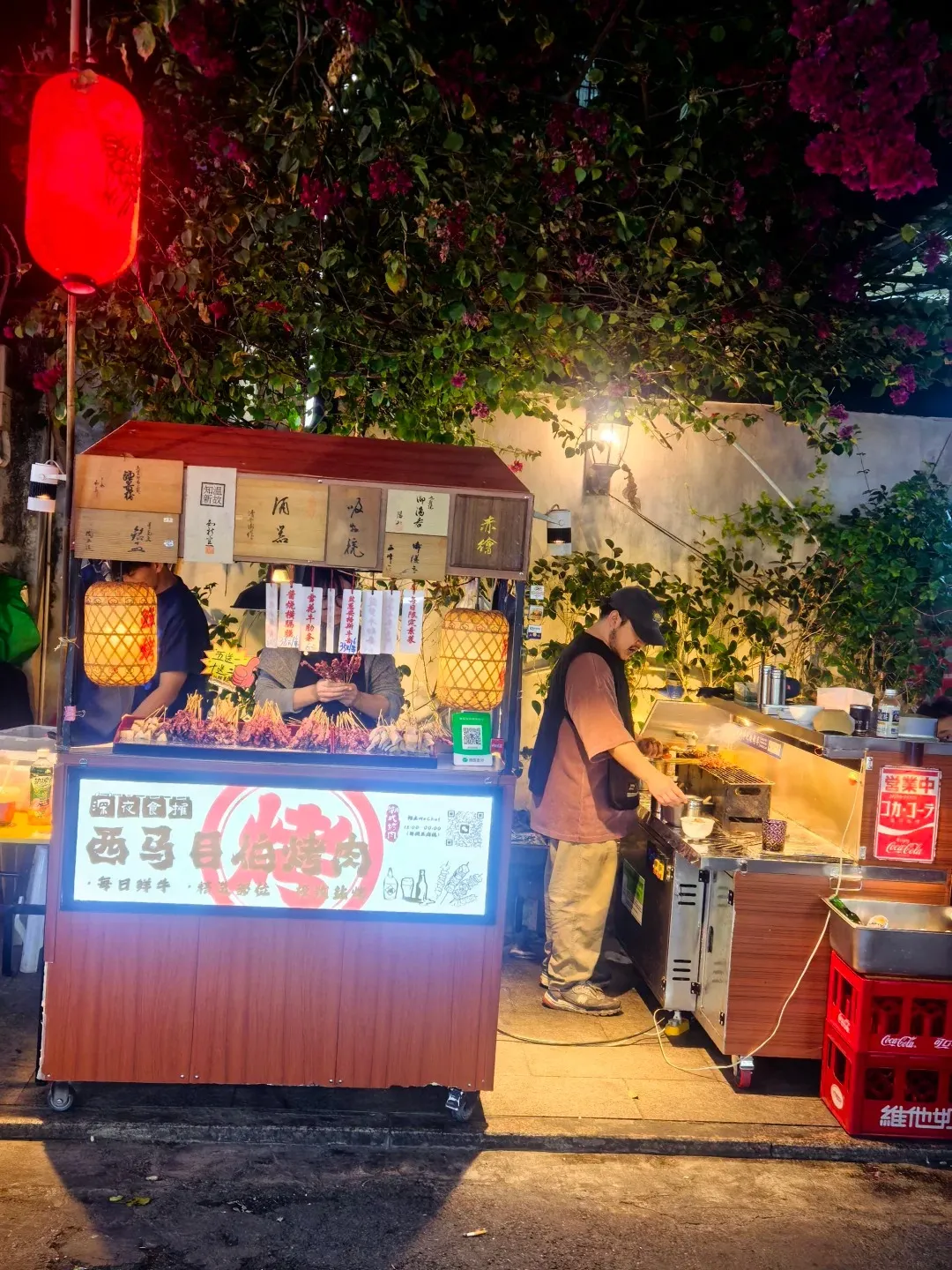
Experience the vibrant energy of Chaozhou’s night markets, where delicious grilled skewers are a must-try local specialty.
Chaozhou West Lake Area: Quiet Local Bites
If the sensory overload of the night markets becomes too much, head toward the streets surrounding Chaozhou West Lake Park. The vibe here is noticeably slower, shaded by massive banyan trees and flanked by peaceful old courtyard homes.
This area is famous for its afternoon snacks. Seek out a bowl of rich, dark sesame tea paired with crispy fried tofu. It is the perfect, low-cost way to recharge after a long day of navigating the ancient city’s cobblestones.