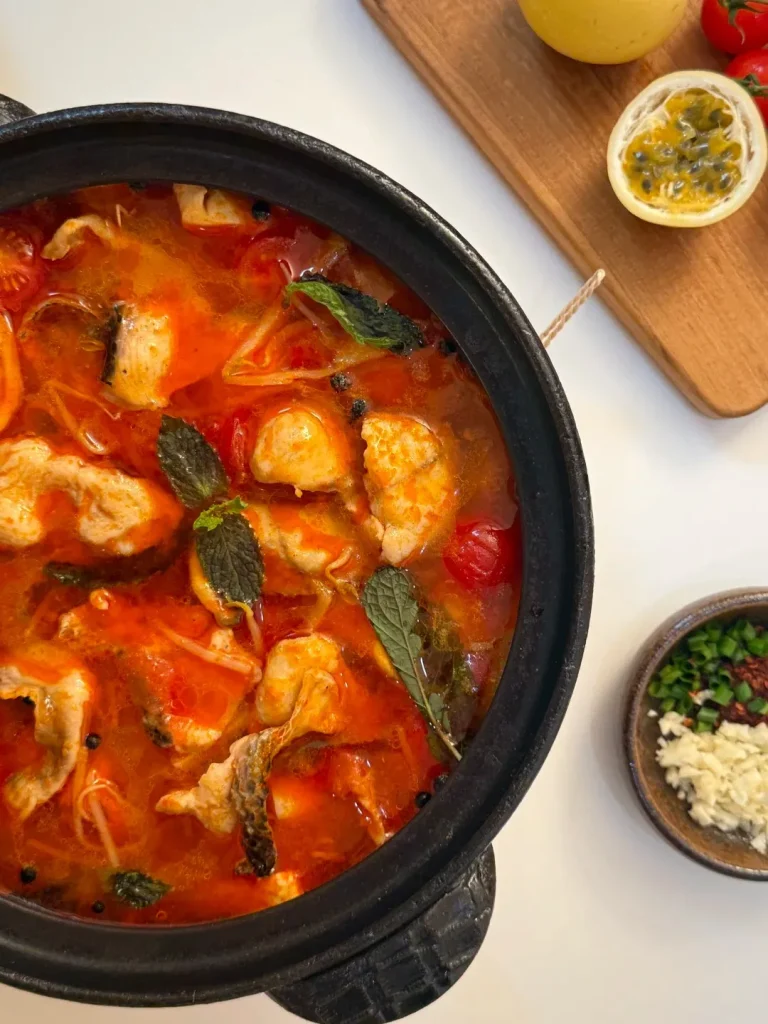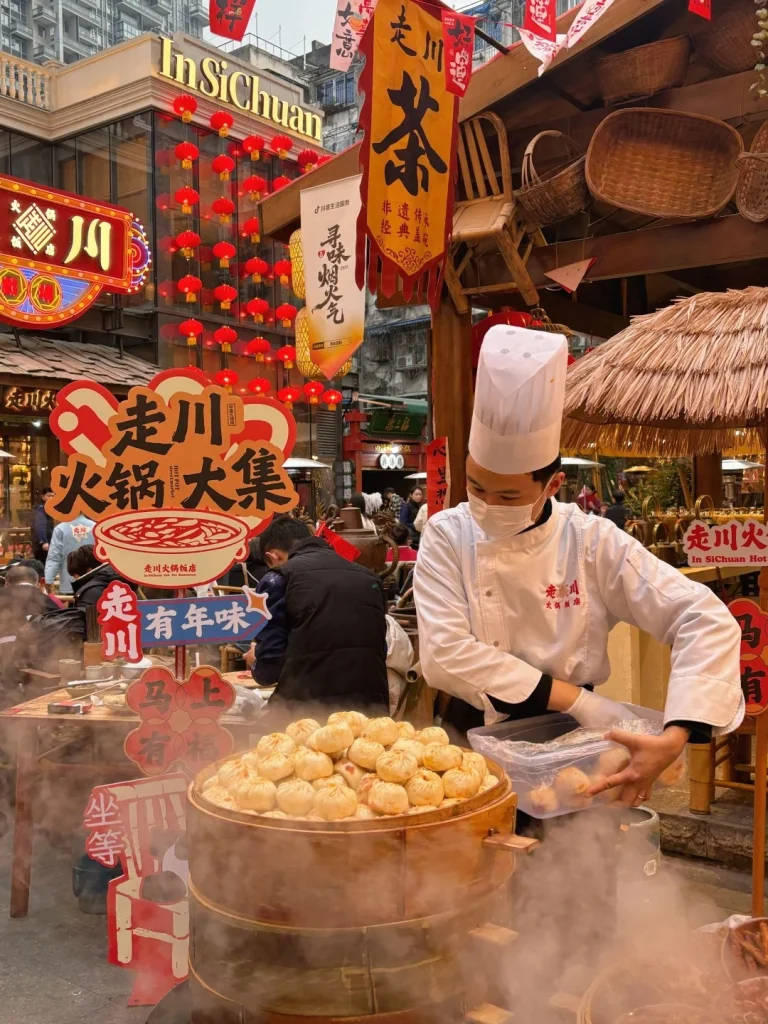

- Flavor profile: Dai cuisine is predominantly spicy and sour, heavily utilizing lemongrass, cilantro, lime juice, and fermented soybeans.
- Must-order dishes: Don’t miss Ghost Chicken (guiji), Pineapple Purple Rice (buoluofan), and Granny’s Potatoes (laonai yangyu).
- Best night market: Skip the overly commercialized Gaozhuang Night Market for dinner; head to the authentic Jiangbian Night Market along the Lancang River.
- Getting there: Book the 3.5-hour high-speed train from Kunming to Jinghong directly on the official 12306 app.


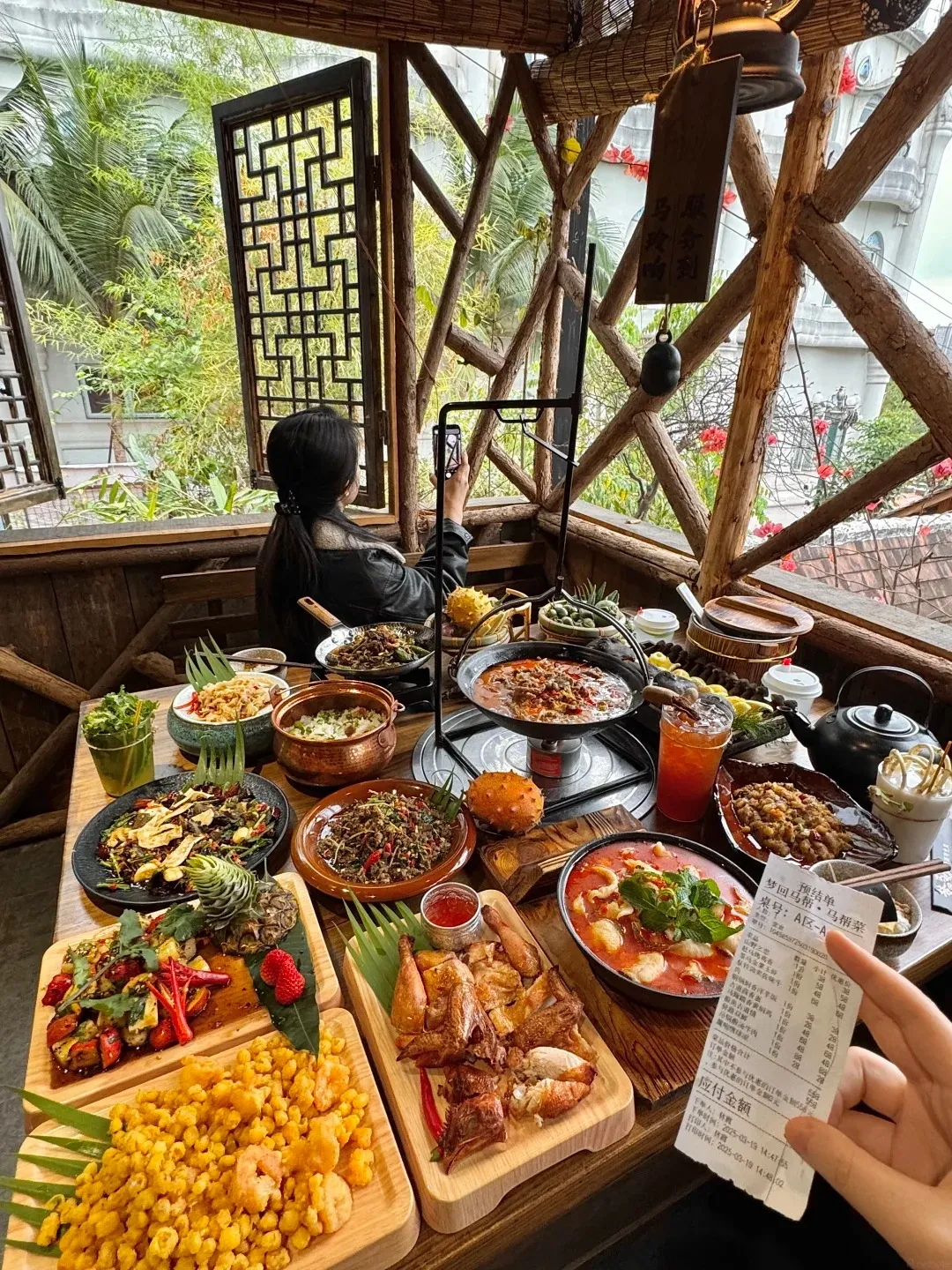
Dive into the authentic flavors of Xishuangbanna with this incredible spread of Dai cuisine! From the famed ‘ghost chicken’ to vibrant pineapple rice and a medley of fresh herbs, this feast showcases the region’s signature spicy and sour profiles. Can you already taste the adventure?
What is Dai Food?
Dai food is the traditional cuisine of the Dai ethnic minority in China’s tropical Xishuangbanna region. It is characterized by intensely spicy and sour flavor profiles, relying heavily on fresh herbs, wild mushrooms, lime juice, bird’s eye chilies, and grilling techniques rather than heavy oils or wok stir-frying.
What to Order: The Ultimate Tasting Menu
Navigating a picture-less menu in Jinghong can be intimidating if you don’t speak Mandarin or the local Dai dialect. Here is exactly what you should order to experience the true depth of Dai flavors.
Ghost Chicken (Guiji)
Made with black-skinned chicken, this cold dish is fiercely spicy and intensely fragrant. The chicken is shredded by hand and tossed with raw garlic, massive amounts of fresh chili pepper, cilantro, and sharp lime juice.
Insider Tip: The spice level here is not a joke. If you have a low tolerance, ask your server for “wēi là” (mild spice), though true locals eat it fiery enough to make your eyes water.
Pineapple Rice (Buoluofan)
This is the perfect sweet and savory palate cleanser to combat the chilies. Fresh pineapple chunks, peanuts, and sticky purple rice are steamed inside a hollowed-out pineapple shell. Purple rice adds a slightly earthy, nutty texture that you won’t find in standard Thai pineapple rice.
Tree Tomato Salsa (Nanmi)
Nanmi is a spectacular Dai-style dipping sauce. Locals roast a unique local fruit called the tree tomato, then mash it with garlic, lime, cilantro, and salt. You use it as a dip for fresh, crunchy local vegetables. The slow burn of the chili takes a minute to hit, so pace yourself.
Granny’s Potatoes (Laonai Yangyu)
A massive hit with foreign travelers, this dish consists of pan-fried, mashed potatoes mixed with sour pickled vegetables or spicy peppers. It gets its name because it’s so soft that even a toothless grandmother could eat it. It’s the ultimate tropical comfort food.
Navigating Jinghong’s Night Markets
Jinghong, the prefectural capital of Xishuangbanna, is famous for its sprawling night markets. However, not all markets are created equal when it comes to authentic dining and reasonable prices.
Is Gaozhuang Night Market Worth It?
The Starlight Night Market in the Gaozhuang district looks stunning on social media with its illuminated umbrellas, but it is a massive tourist trap. The food stalls here are heavily commercialized, and navigating the shoulder-to-shoulder crowds is exhausting.
What to Know Before You Go: A simple meat skewer here can cost upwards of 25 RMB. Visit Gaozhuang strictly for the photography and the atmosphere, but eat your dinner elsewhere.
The Authentic Choice: Jiangbian Night Market
For a truly authentic and cheaper experience, head to the Jiangbian Night Market along the Lancang (Mekong) River. Here, the humid air is thick with the smell of lemongrass and charcoal.
You can grab a whole lemongrass grilled fish for around 45 RMB and sit on tiny plastic stools next to locals. It’s gritty, loud, and absolutely delicious.
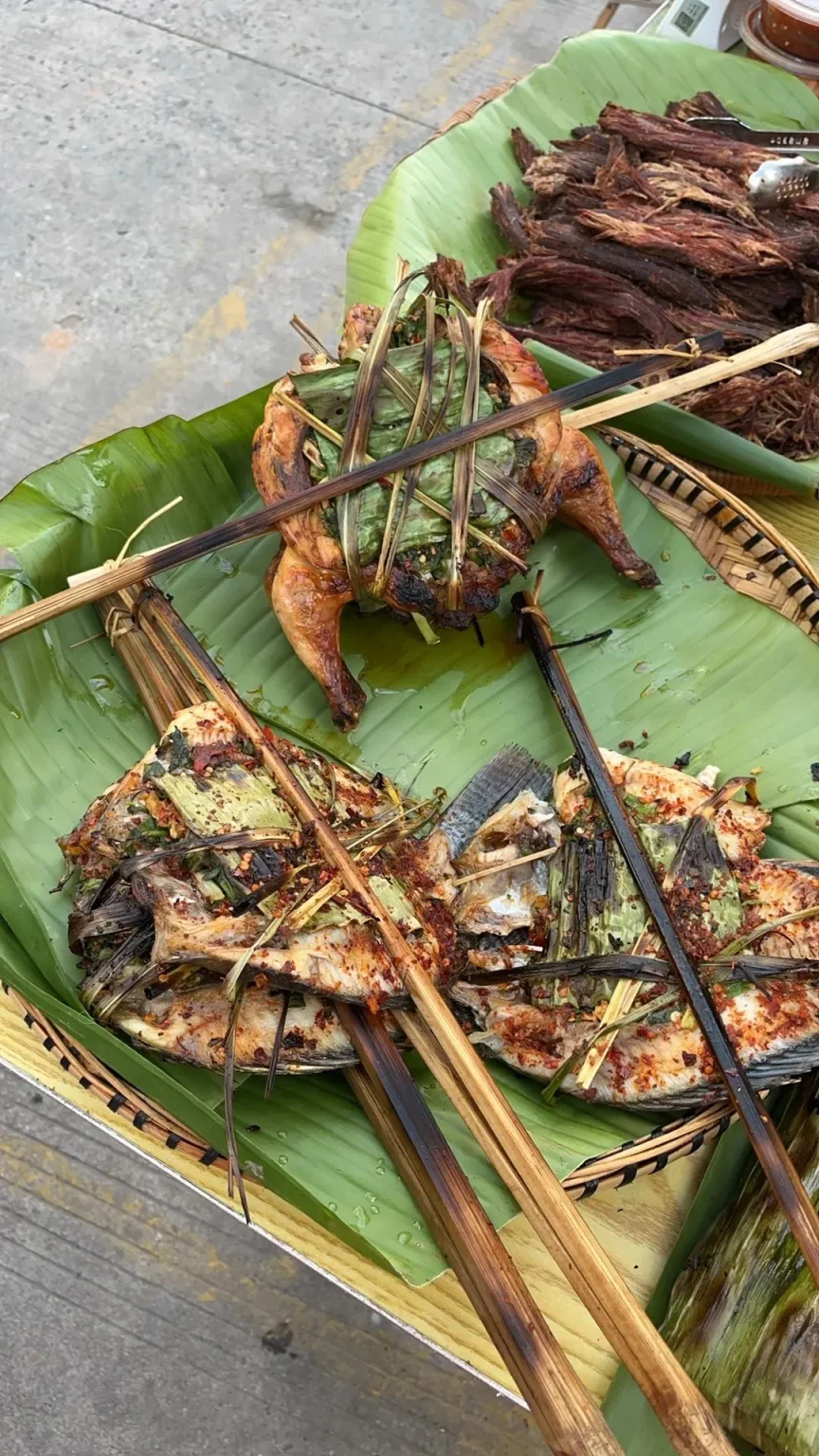
The Dai people of Xishuangbanna are masters of grilling, and this lemongrass-infused chicken and fish are prime examples of their vibrant, spicy, and sour culinary traditions. It’s a feast for the senses!
Essential Logistics for Your 2026 Trip
Staying Connected in China
You cannot survive in Xishuangbanna without a working smartphone. Every transaction, from buying a bottle of water (usually 2 RMB) to ordering at a street stall, requires scanning a QR code. To ensure you have reliable internet to use translation apps, you need a solid eSIM.
💡 Editor’s Pick: We recommend Nomad eSIM for China because it reliably bypasses the Great Firewall with stable speeds.
I highly recommend setting this up before you land. It reliably bypasses the Great Firewall, giving you instant access to Google Maps, WhatsApp, and Instagram without needing a clunky, battery-draining VPN.
How to Buy Train Tickets to Xishuangbanna
The easiest way to reach Jinghong is via the high-speed rail from Kunming. The journey takes about 3.5 hours and cuts through stunning tropical mountains. According to the official 12306 rail policy, foreign travelers can easily book tickets online using their passport details.
Payment Apps: Alipay and WeChat
Cash is virtually obsolete in Xishuangbanna, and vendors rarely have change. Before your trip, download Alipay and link your international credit card. You will use the “Scan” feature to pay for everything from your spicy Ghost Chicken to your Didi (China’s Uber equivalent) rides.