


Essential Logistics: Visas, Connectivity, and Trains
What is the 144-hour visa-free transit?
The 144-hour visa-free transit allows citizens of 54 eligible countries to explore Nanjing and the wider Jiangsu-Zhejiang-Shanghai region without a pre-approved visa, provided they have a confirmed onward flight to a third country within six days.
Before you even step off the plane at Nanjing Lukou International Airport, you need to solve your internet access. China’s Great Firewall blocks Google, WhatsApp, and most Western mapping apps.
You will need a reliable eSIM to navigate Baidu Maps and translate menus on the fly.
💡 Editor’s Pick: We recommend Nomad eSIM for China because it reliably bypasses the Great Firewall with stable speeds.
To reach Nanjing from Shanghai or Beijing, book high-speed rail tickets directly through the official 12306 China Railway website or app. According to the official 2026 rail policy, your foreign passport serves as your digital ticket at the turnstiles.
Where to Find the Authentic Morning Flavors
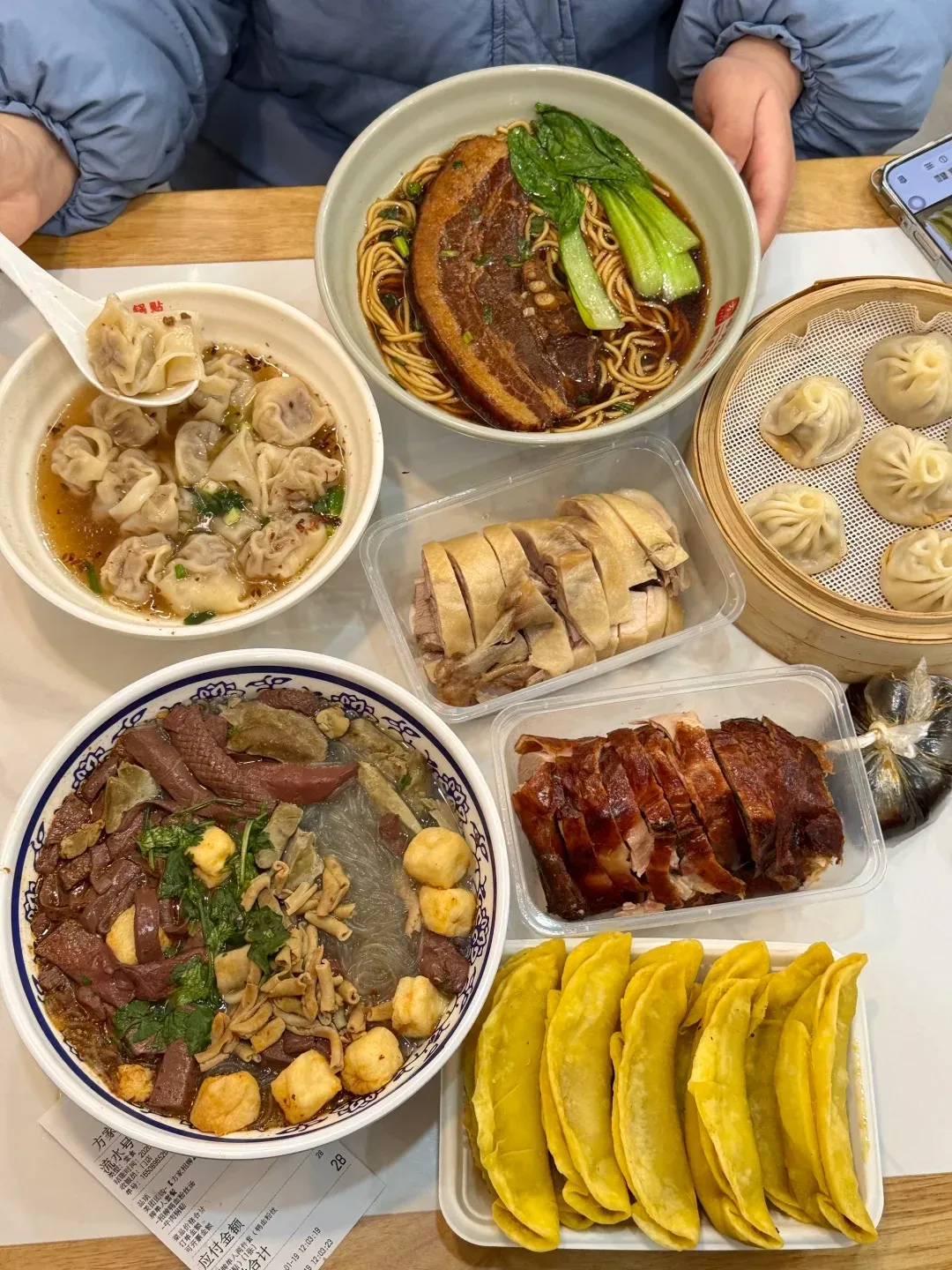
Embrace Nanjing’s morning charm with a feast for the senses! From delicate tangbao to hearty duck blood soup and crispy potstickers, this spread captures the essence of a traditional local breakfast experience.
Beef Potstickers (Niurou Guotie) in the Muslim Quarter
Nanjing has a thriving Hui Muslim community, and their culinary crown jewel is the beef potsticker. These aren’t your average pan-fried dumplings. They are elongated, crescent-shaped pockets of dough deep-fried in bubbling rapeseed oil.
Insider Tip: Do not bite into a fresh guotie immediately. The golden crust hides a boiling, savory beef broth that will severely burn your tongue. Nibble the corner, blow the steam away, and sip the broth first.
Head to the alleys around Qili Street. You will smell the rich, heavy aroma of frying dough blocks away. A serving of five massive potstickers costs roughly 12 RMB, while a bottle of local Nongfu Spring water to wash it down will set you back just 2 RMB.
Steamed Sticky Rice Balls (Tuantuan and Yuanxiao)
If you have a sweet tooth, Nanjing’s glutinous rice treats are mandatory. Tuantuan (or sweet green rice balls) are typically filled with dense black sesame paste or sweet red bean.
Unlike the commercialized, overly sweet versions sold in convenience stores, traditional street vendors hand-roll these every morning. The texture should be soft and chewy, sticking slightly to your teeth, with a warm, flowing center.
Another local favorite is chi yuanxiao, a bowl of small glutinous rice balls served in a thick, sweet soup of fermented rice wine (jiuniang) and osmanthus flowers. It is the perfect antidote to a brisk autumn morning in Jiangsu.
Lao Gulou Tangbao: The Soup Dumpling Standard
While Shanghai claims the xiaolongbao, Nanjing has its own, slightly sweeter version known as tangbao. Lao Gulou Tangbao in the Xuanwu District is a local institution that has perfected this delicate art.
What to Know Before You Go: The Fuzimiao (Confucius Temple) area is stunning at night but notoriously overpriced and crowded for morning food. Skip the tourist traps there and take the metro straight to Lao Gulou.
Their dumplings feature paper-thin skins and a generous pork filling that is subtly sweet. They add a rich meat aspic that melts into a savory soup during steaming. Eat them fast; as they cool, the delicate wrappers stick to the bamboo steamer and tear.
Nanjing Breakfast Etiquette and Navigation
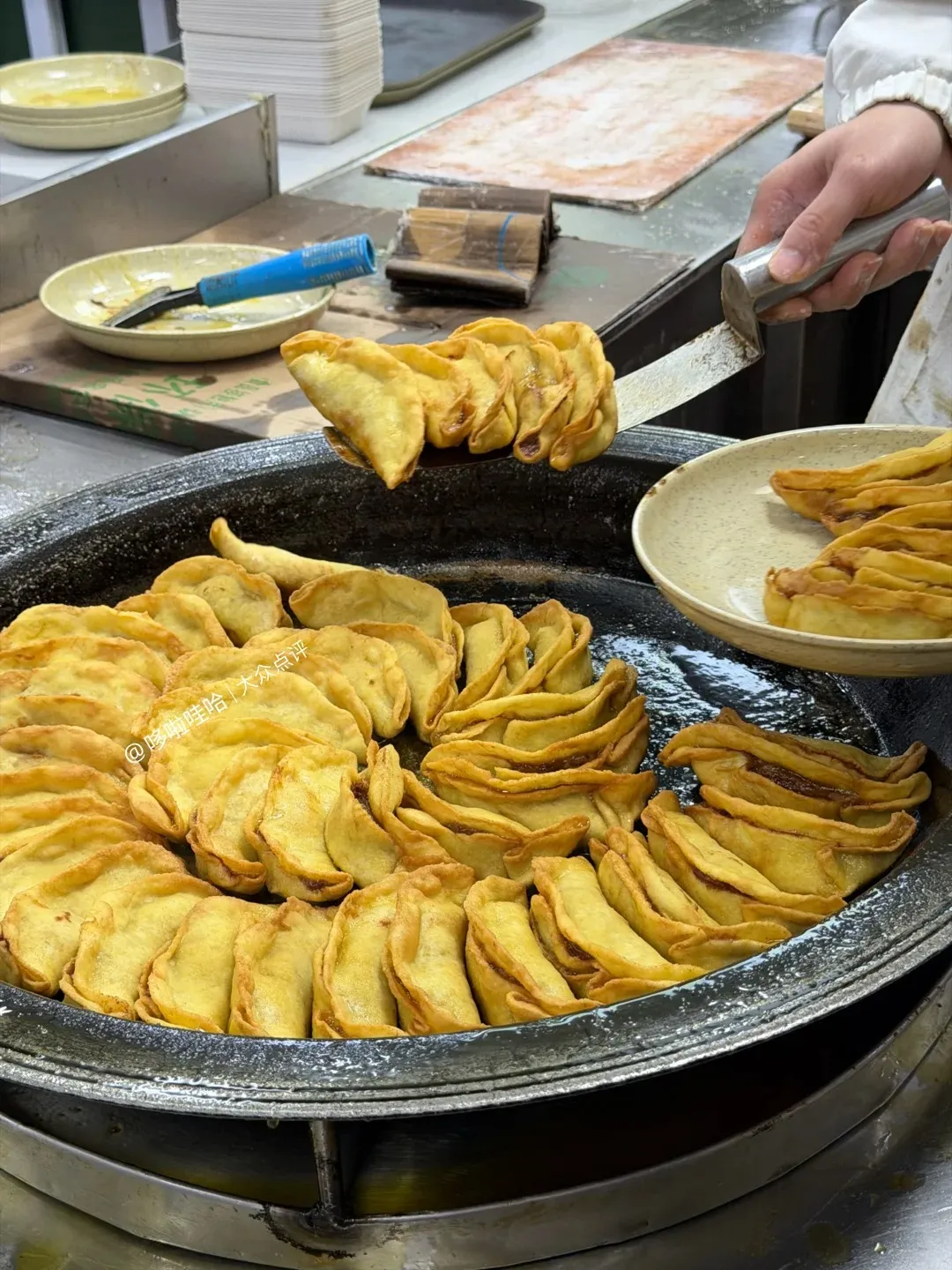
Start your day like a local in Nanjing with these perfectly pan-fried dumplings, a delicious and satisfying breakfast staple found at many bustling morning markets.
Navigating a Nanjing breakfast joint requires a bit of assertiveness. There are rarely hostesses or organized lines. You must hover near finishing diners to claim their low plastic stools the moment they stand up.
Payment is entirely digital. Cash is virtually obsolete in 2026. You must have Alipay or WeChat Pay set up with your foreign Visa or Mastercard. Simply scan the vendor’s QR code taped to the wall, enter the RMB amount, and show them the green confirmation screen.
Finally, embrace the noise. The clatter of ceramic bowls, the shouting of orders over hissing woks, and the dense, humid air of a Nanjing summer morning are all vital parts of the authentic sensory experience.
Final Thoughts on Nanjing’s Morning Food Scene
Finding the best breakfast in Nanjing isn’t just about feeding yourself; it is about experiencing the rhythm of the city before the tour buses arrive. From the satisfying crunch of a beef potsticker to the delicate sweetness of osmanthus rice balls, the flavors here are steeped in centuries of tradition.