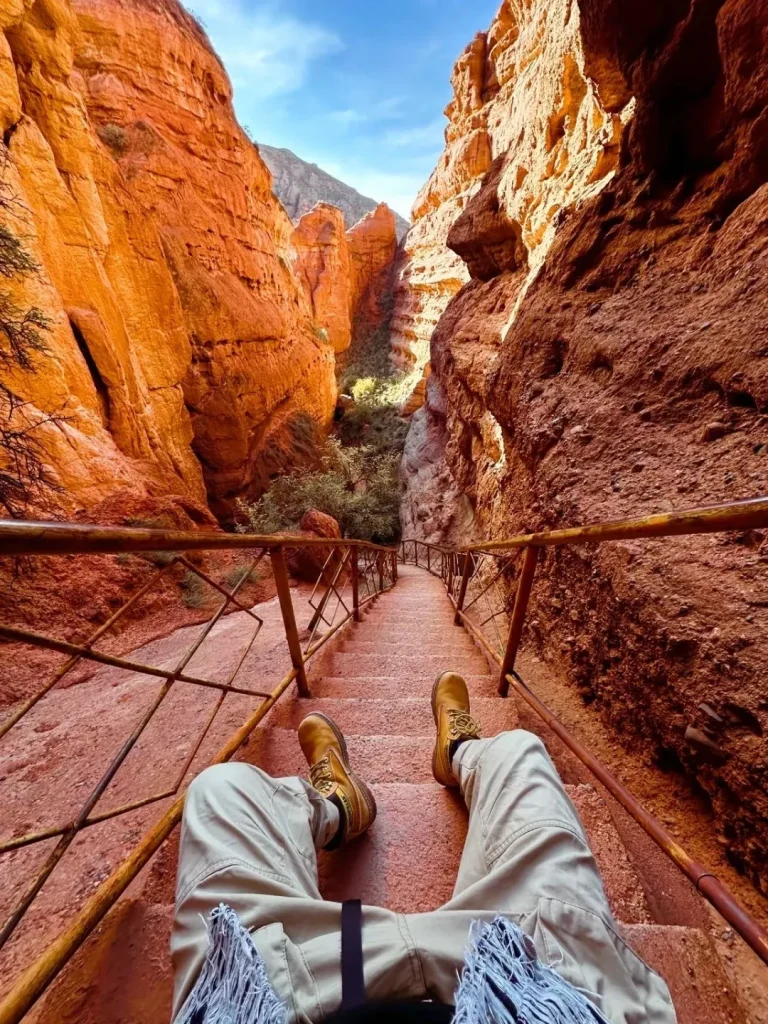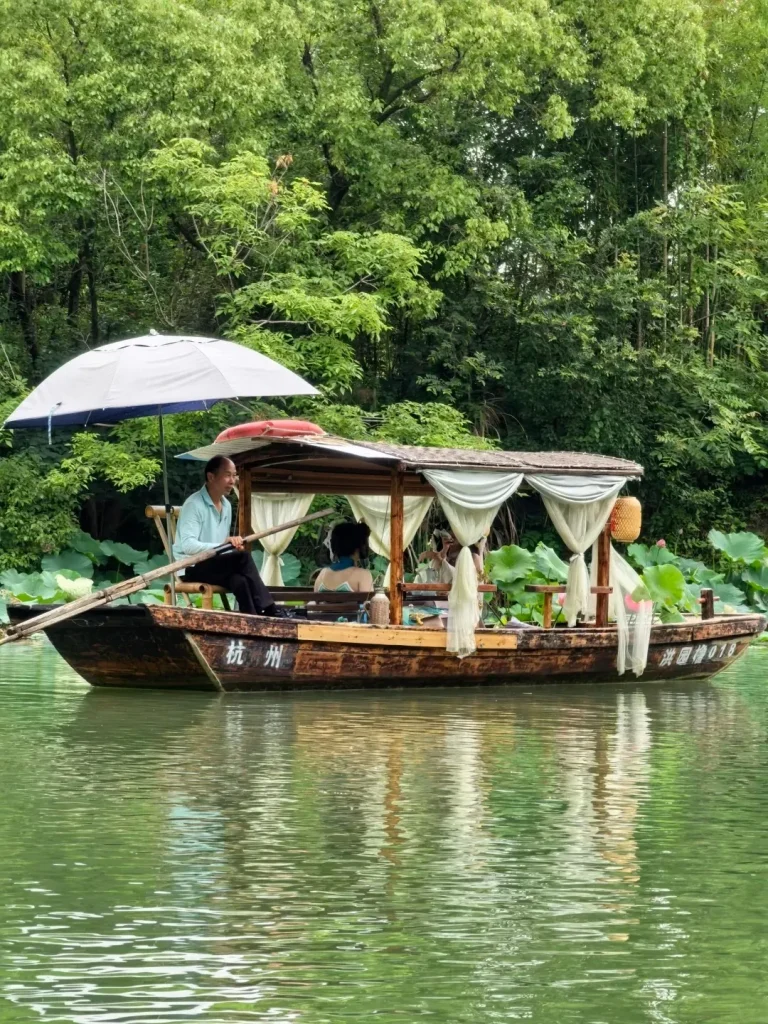



What is the 144-Hour Visa-Free Transit?
The 144-hour visa-free transit policy allows citizens from 54 eligible countries to explore specific Chinese regions, including Chengdu and the wider Sichuan province, for up to six days without applying for a traditional tourist visa, provided they hold a valid passport and an onward ticket to a third country.
The Spiritual Geography of the Four Sisters
To the local Jiarong Tibetans, Siguniangshan is not just a geological wonder; it is a living deity. The four peaks represent four sister goddesses who sacrificed themselves to protect the locals from a demonic mountain god. The youngest sister, Yaomei Feng, stands tallest at 6,250 meters and remains one of the most formidable unclimbed peaks in the world.
The concept of the mandala (a spiritual map of the universe) is physically etched into these valleys. You will find it in the circular stone mani piles, the clockwise circumambulation (kora) paths worn into the dirt by pilgrims, and the vibrant prayer flags strung across freezing rivers.
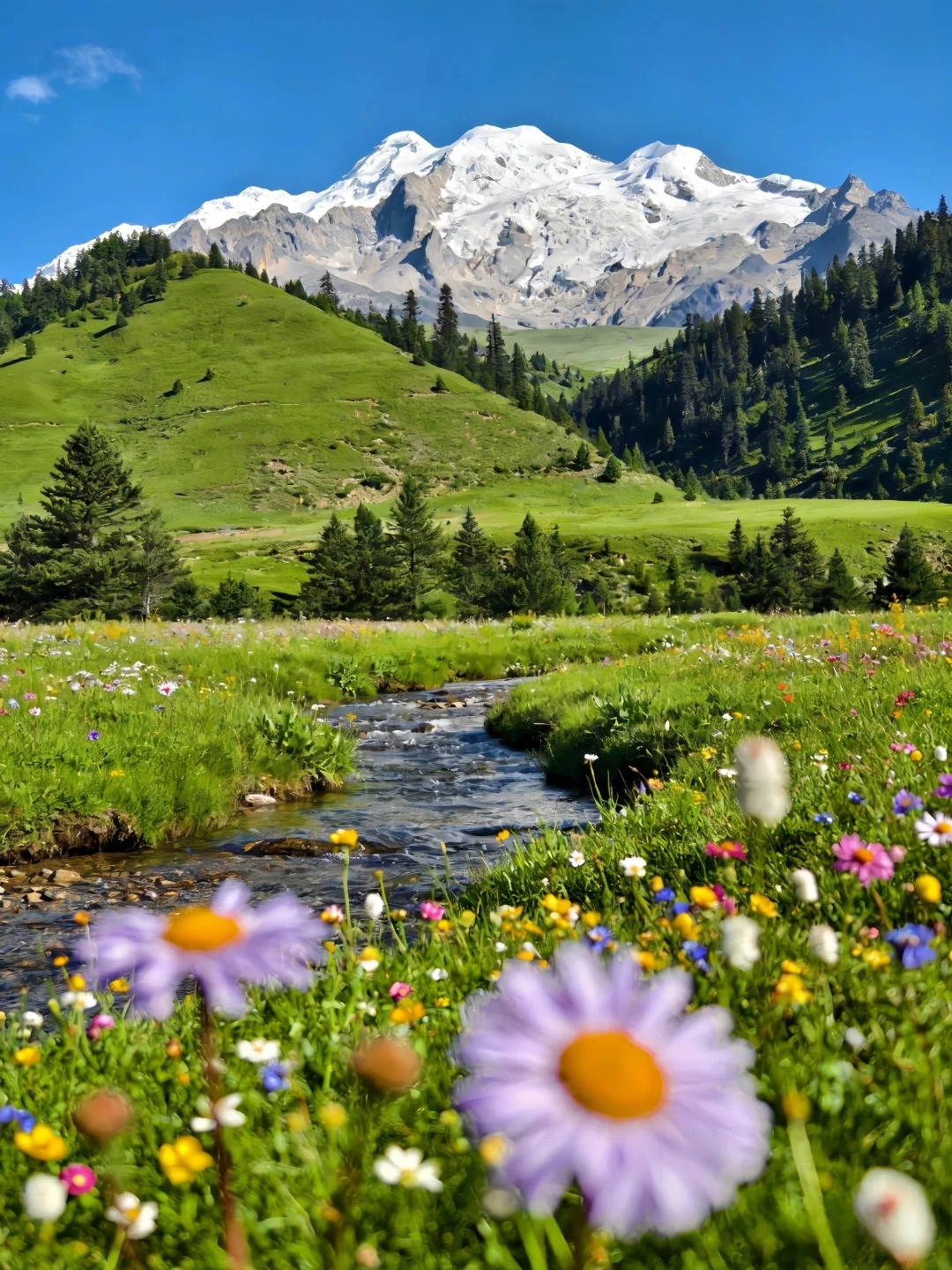
While the snow-capped peaks of Four Sisters Mountain are breathtaking, the true magic of the region often lies in the smaller details, like these blooming meadows and winding streams that lead towards the ancient paths.
Decoding the Valleys: Where to Actually Hike
Many tour packages bundle all three valleys of Siguniangshan into a rushed two-day itinerary. This is a mistake. To truly experience the mountain’s sacred atmosphere, you must choose your trails wisely.
Insider Tip: The Overrated Shuangqiao Valley
If you crave wilderness, skip Shuangqiao Valley. While undeniably beautiful, it is entirely paved and heavily trafficked by massive tour buses. You will spend more time dodging selfie sticks than enjoying the mountain air. Instead, direct your energy and entrance fees toward Changping and Haizi.
Changping Valley: The Forest Pilgrimage
Changping Valley offers a 29-kilometer trek that transitions from a wooden boardwalk into a rugged, muddy horse trail. The scent of damp pine and burning juniper incense hangs heavy in the thin air. Once you pass the Muluozi campsite, the crowds vanish.
What to expect: The trail is notoriously muddy in the summer. You will constantly share the narrow path with Tibetan horse caravans. Listen for the distinct clanking of yak bells and always step to the mountain-side (not the cliff-side) when they pass.
Haizi Valley: The Alpine Mirrors
Haizi Valley is the most challenging but visually rewarding route, characterized by a steep initial ascent and a string of pristine alpine lakes (haizi). This is where the sheer scale of the Sichuan sacred mountains truly hits you.
What to expect: The hike to Dajianbao pasture (3,750m) is a grueling 15km round trip. The air is biting, and a standard bottle of Nongfu Spring water, which costs 2 RMB in Chengdu, will set you back 15 RMB at the high-altitude rest stops. Bring a water filter to safely drink from the glacial streams.
Logistics: Navigating Sichuan in 2026
Reaching Siguniangshan requires a 4-hour drive from Chengdu via the Panda Highway. While high-speed rail has revolutionized travel in eastern Sichuan (as seen on the official 12306 railway booking platform), this mountainous western corridor still relies on private drivers or public buses from Chengdu’s Chadianzi Bus Terminal.
Connectivity and Payments
In 2026, physical currency is practically useless, even at 4,000 meters. You need a reliable data connection to scan QR codes for trail snacks, shuttle buses, and toilet access. Because Western apps are blocked in China, a specialized eSIM is mandatory.
💡 Editor’s Pick: We recommend Nomad eSIM for China because it reliably bypasses the Great Firewall with stable speeds.
Ensure your Alipay app is bound to your international credit card and verified before you leave home. You will use the official Sichuan Tourism WeChat Mini Program to purchase your park entry tickets (approx. 150 RMB per valley, including the mandatory sightseeing bus).
Altitude and Practical Preparation
Do not underestimate the elevation. Siguniangshan Town sits at 3,160 meters, and altitude sickness is a very real threat. Spend at least one full night in town drinking butter tea and resting before attempting the valleys.
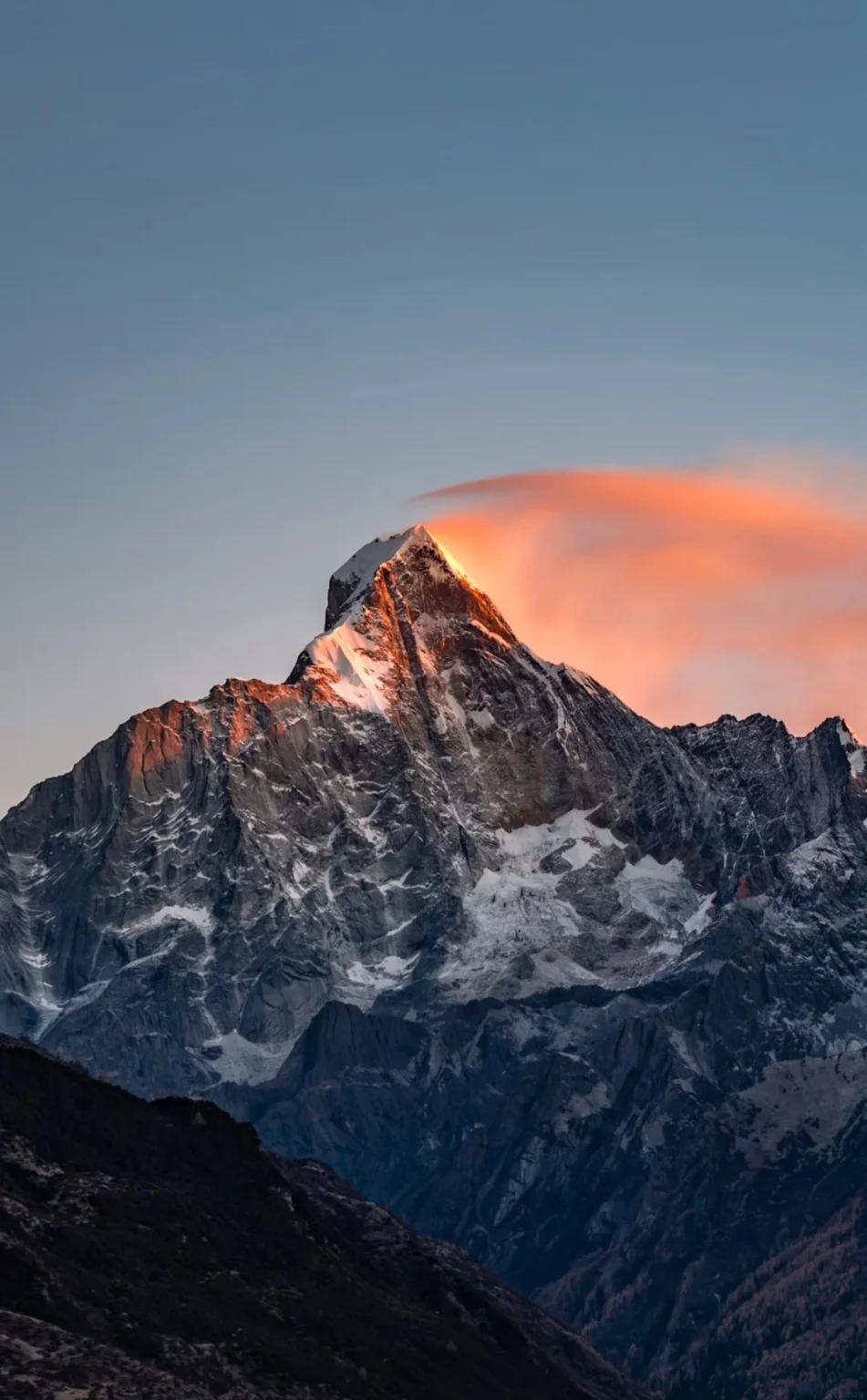
Witnessing the breathtaking sunrise over Siguniangshan, also known as the Four Sisters Mountain. This dramatic cloud formation adorning the summit hints at the powerful natural beauty you’ll discover in our guide to its spiritual mandalas.
Weather volatility: The weather in these sacred mountains turns violently. You can start a hike in a t-shirt and be caught in a blinding snow squall by 2:00 PM, even in August. Pack a hardshell jacket, trekking poles, and micro-spikes if traveling in the shoulder seasons.
Final Thoughts on the Four Sisters
Trekking through Changping and Haizi valleys is more than a physical challenge; it is an immersion into a landscape that has commanded human reverence for centuries. By avoiding the commercialized routes, respecting the local Tibetan customs, and preparing meticulously for the altitude, you unlock the true magic of this region.