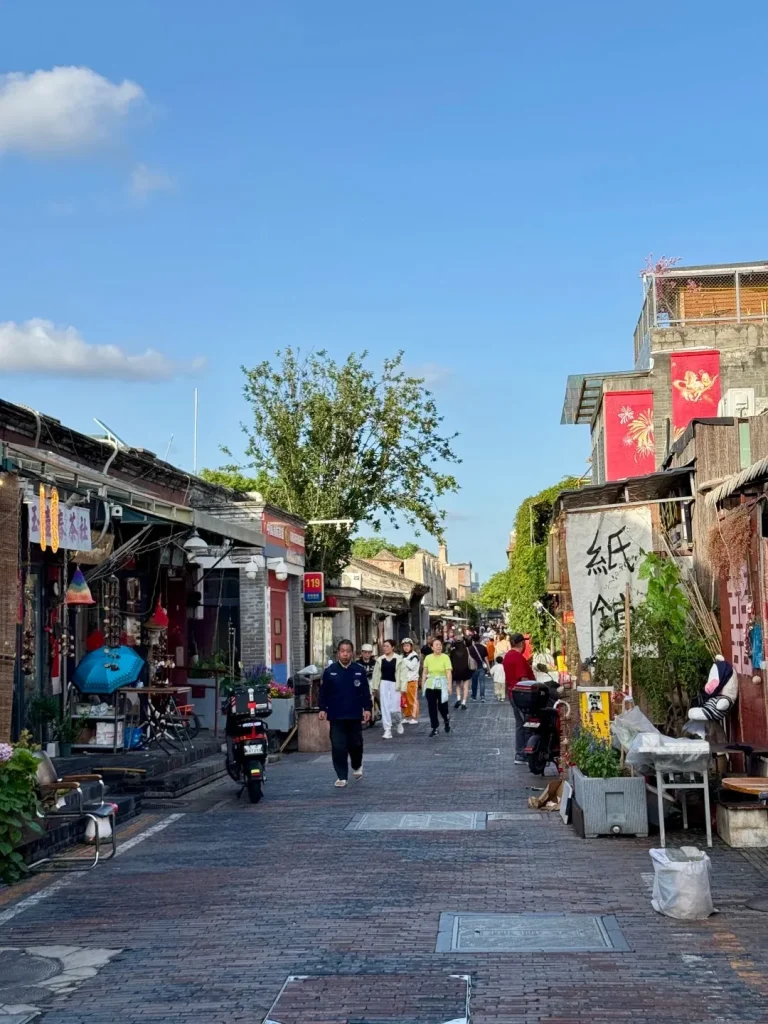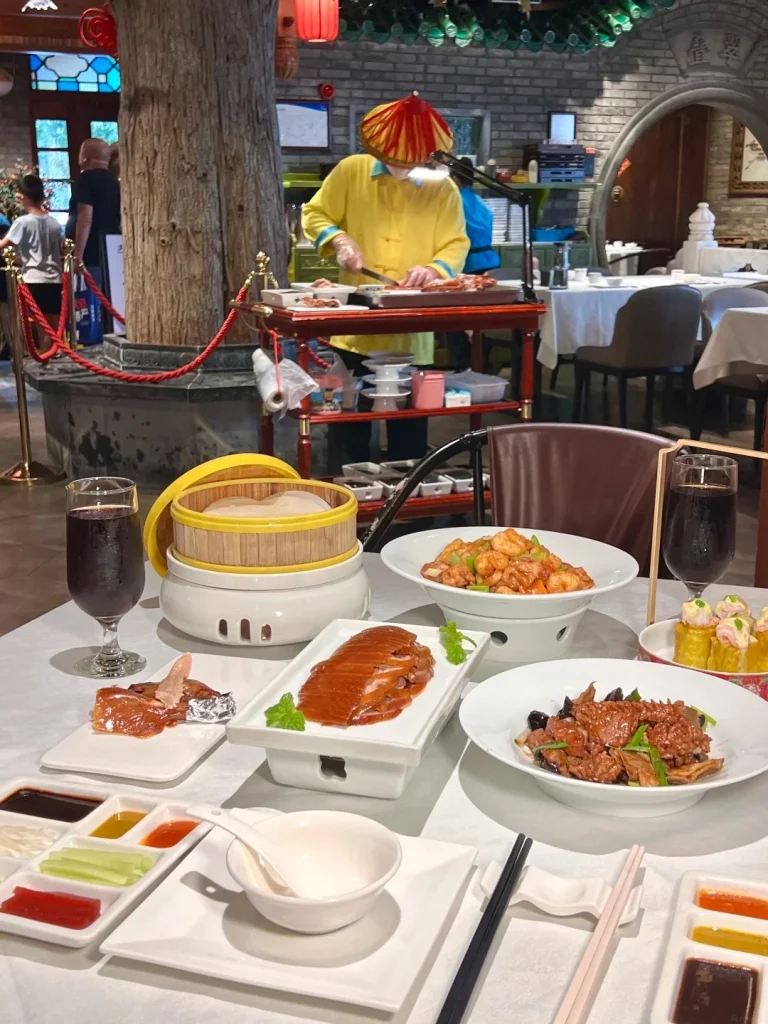



What is the 144-Hour Visa-Free Transit Policy?
The 144-hour visa-free transit policy allows eligible international travelers to explore Beijing and the surrounding Jing-Jin-Ji region for up to six days without a traditional visa. You must possess a valid passport and a confirmed onward ticket to a third country or region.
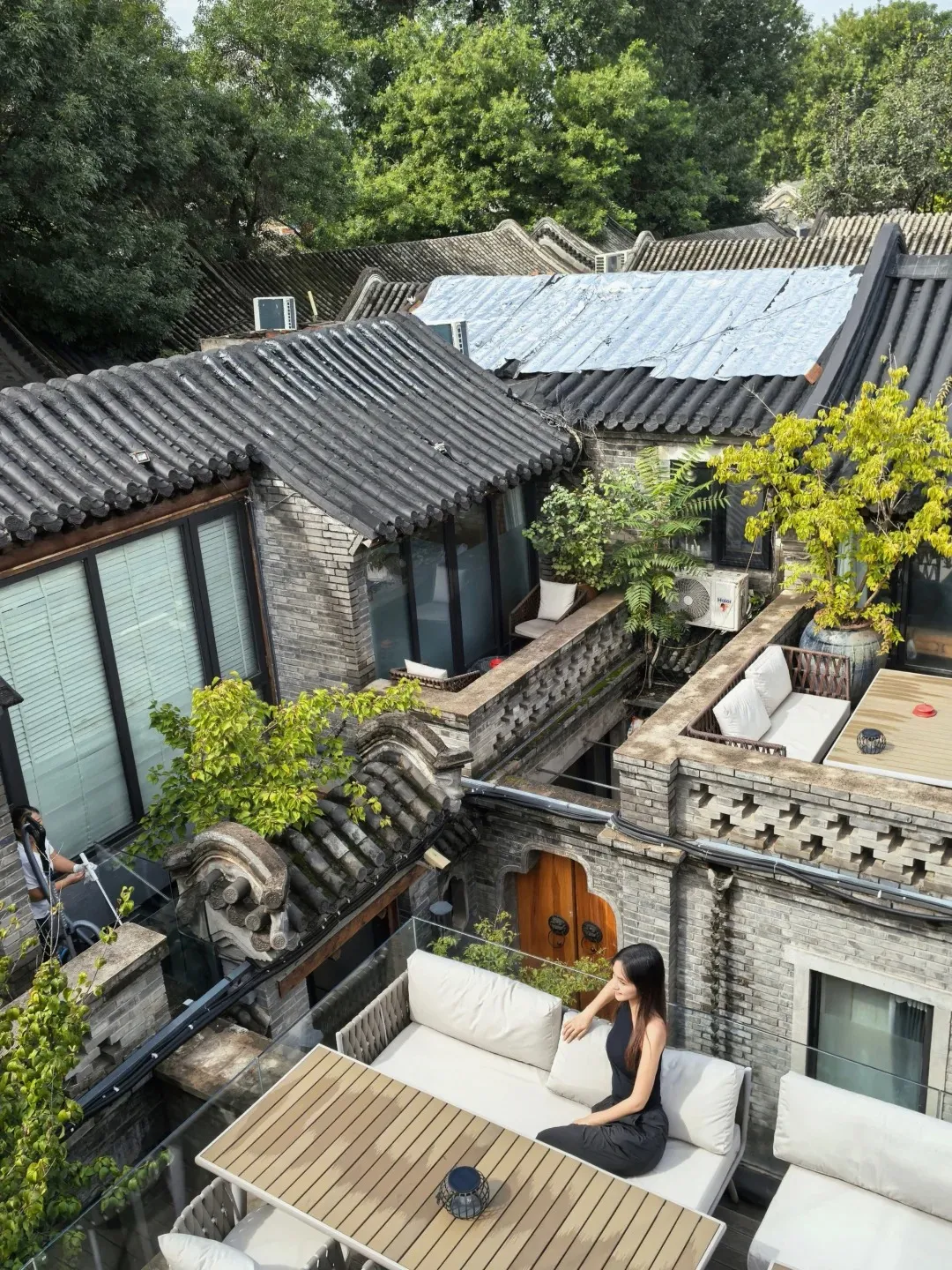
Experience the unique charm of Beijing’s hutongs by staying in a courtyard hotel. Many offer stunning rooftop views, perfect for enjoying a peaceful afternoon.
What to Know Before You Go: The Reality of Hutong Life
Staying in a traditional siheyuan (courtyard home) is incredibly rewarding, but it requires adjusting your expectations. The sensory experience is immediate: you will smell the sharp tang of black vinegar and frying garlic from neighborhood canteens, and you will hear the early morning chatter of elderly locals playing chess.
Because these historic structures are centuries old, soundproofing is often minimal. If you are a light sleeper, packing earplugs is essential. Furthermore, navigating the labyrinthine alleys can be frustrating when your mapping app struggles with narrow GPS signals. Always download offline maps before venturing out.
Staying connected is critical for navigation and digital payments. Because of the Great Firewall, standard roaming often fails or throttles your speed. We highly recommend using a reliable eSIM to keep your mapping and translation apps running smoothly.
💡 Editor’s Pick: We recommend Nomad eSIM for China because it reliably bypasses the Great Firewall with stable speeds.
Another crucial detail is hydration. Tap water in China is not potable. While luxury stays provide filtered water, expect to pay around 2 to 3 RMB for a standard bottle of mineral water at local convenience stores.
Top Luxury and Boutique Courtyard Stays
The Orchid Beijing (Baochao Hutong)
Nestled in the vibrant Drum Tower neighborhood, The Orchid remains a gold standard for boutique hutong accommodations. It beautifully bridges the gap between historical architecture and modern luxury. Guests rave about the memory-foam mattresses and the spectacular rooftop terrace.
Insider Tip: The included breakfasts here are legendary, featuring homemade bread and local delicacies. However, the walk from the main road is slightly long, so pack light or request luggage assistance in advance.
Côté Cour (Yanyue Hutong)
If you want to stay near the Wangfujing shopping district but demand tranquility, Côté Cour is a stellar option. Once home to imperial court musicians, this property features a stunning central courtyard shaded by magnolia trees. The boutique-style guest rooms are outfitted with modern climate control.
Best Mid-Range and Budget Hutong Hotels
Shadow Art Hotel (Houhai Area)
Located a short walk from the scenic Houhai Lake, this mid-range gem offers incredible cultural value. The property embraces traditional Chinese shadow puppetry, offering free performances for guests. It is an excellent choice for travelers wanting an immersive cultural experience without luxury price tags.
161 Beihai Courtyard Hotel
For budget-conscious travelers, the 161 hotel chain offers reliable, clean, and well-managed courtyard stays. Located near the Ping’anli subway station, it provides easy access to the rest of the city. Be cautious when booking: the cheapest room categories often lack exterior windows, a common architectural quirk in historic courtyards.
Is it worth staying in a hostel? Due to the government’s strict bunk-bed bans over the last few years, the classic ultra-cheap dorm culture has largely vanished. Budget travelers are now better off booking entry-level private rooms in these mid-range courtyard hotels.
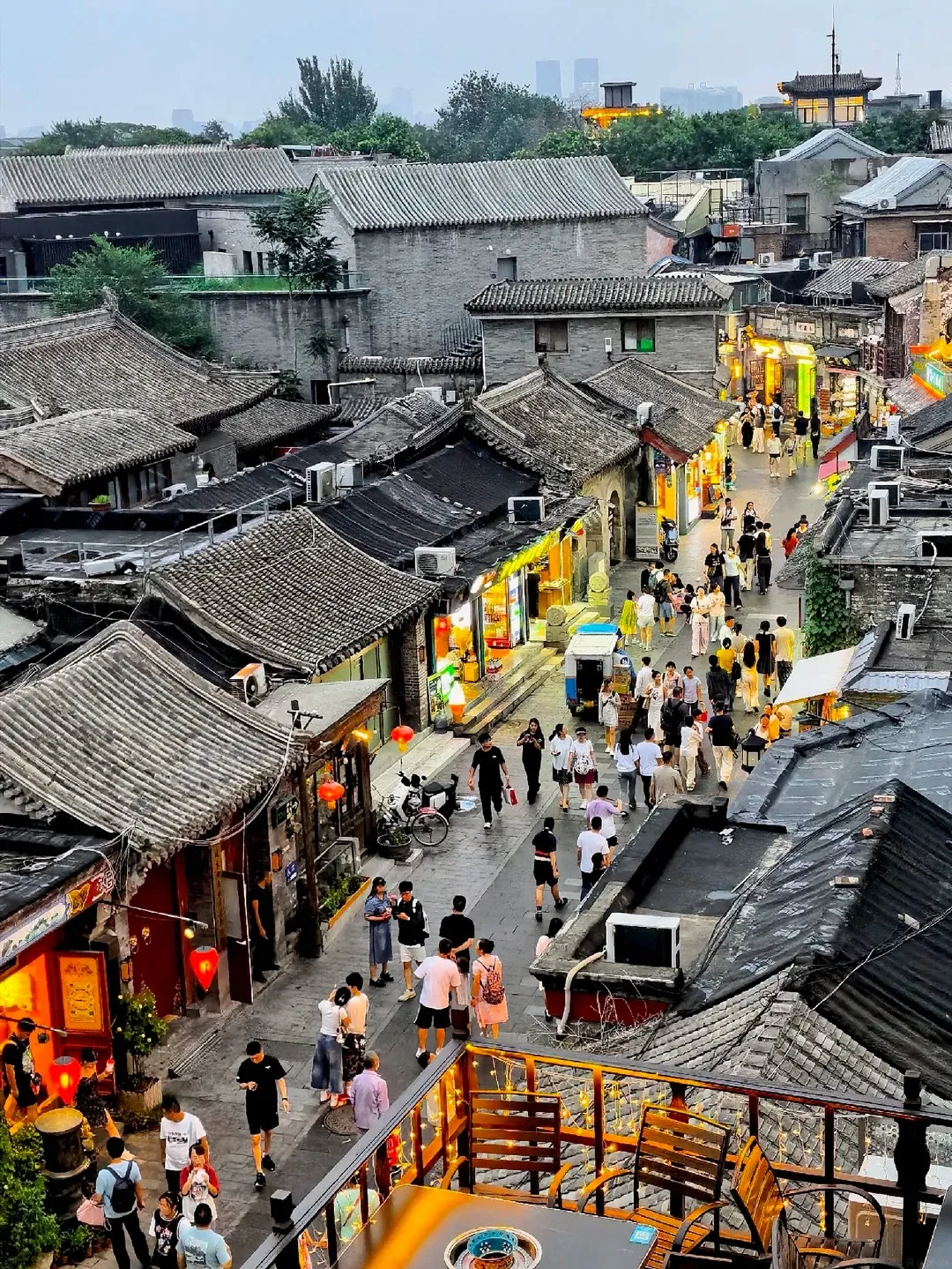
Discover the charm of Beijing’s hutongs by staying in a traditional courtyard hotel. This vibrant alleyway, bustling with life at dusk, offers a glimpse into the unique atmosphere of these historic neighborhoods.
Navigating Logistics: Transport, Apps, and Tickets
Getting around Beijing in 2026 is entirely digital. You must download Alipay or WeChat before your arrival. These apps are used for everything from buying street food to riding the subway and unlocking shared bicycles. Cash is frequently refused by small vendors.
If you plan to take high-speed trains to other cities like Xi’an or Shanghai, book your tickets directly through the official railway system. According to the official 12306 rail policy, foreign passports can now be verified online, allowing you to use your passport as an e-ticket at the boarding gates.
Overrated Attraction Warning: While Nanluoguxiang is often touted as a must-visit hutong, its main street has become overwhelmingly commercialized and packed with dense tourist crowds. Skip the main drag and wander into the adjacent side alleys like Beiluoguxiang or Wudaoying Hutong for a much more authentic, peaceful stroll.