


What is the 144-Hour Visa-Free Transit Policy?
The 144-hour visa-free transit policy allows citizens of 54 eligible countries to enter specific Chinese regions for up to six days without a pre-approved visa, provided they have a confirmed onward ticket to a third country. This is perfect for short, regional tea-focused itineraries.
Essential Logistics: How to Navigate and Stay Connected
China in 2026 is virtually cashless. Before you land, download Alipay and WeChat, and bind your foreign credit card. You will use these apps for everything from a 2 RMB ($0.30 USD) bottle of mineral water at a rural tea stand to your high-speed train tickets.
To use these apps, you need a reliable internet connection that bypasses the Great Firewall. I highly recommend installing an eSIM before your flight lands.
💡 Editor’s Pick: We recommend Nomad eSIM for China because it reliably bypasses the Great Firewall with stable speeds.
For intercity travel to tea provinces like Anhui or Fujian, the high-speed rail is your best option. According to the official 12306 rail policy, foreign travelers can verify their passports directly within the English version of the app and use e-tickets to swipe through station turnstiles. Skip third-party booking sites to avoid unnecessary markup fees.
Spring in Jiangnan: The Longjing (Dragon Well) Harvest
The Jiangnan region, specifically Hangzhou in Zhejiang province, is the undisputed king of Chinese green tea. The harvest season here is incredibly short and highly weather-dependent, usually kicking off in mid-March.
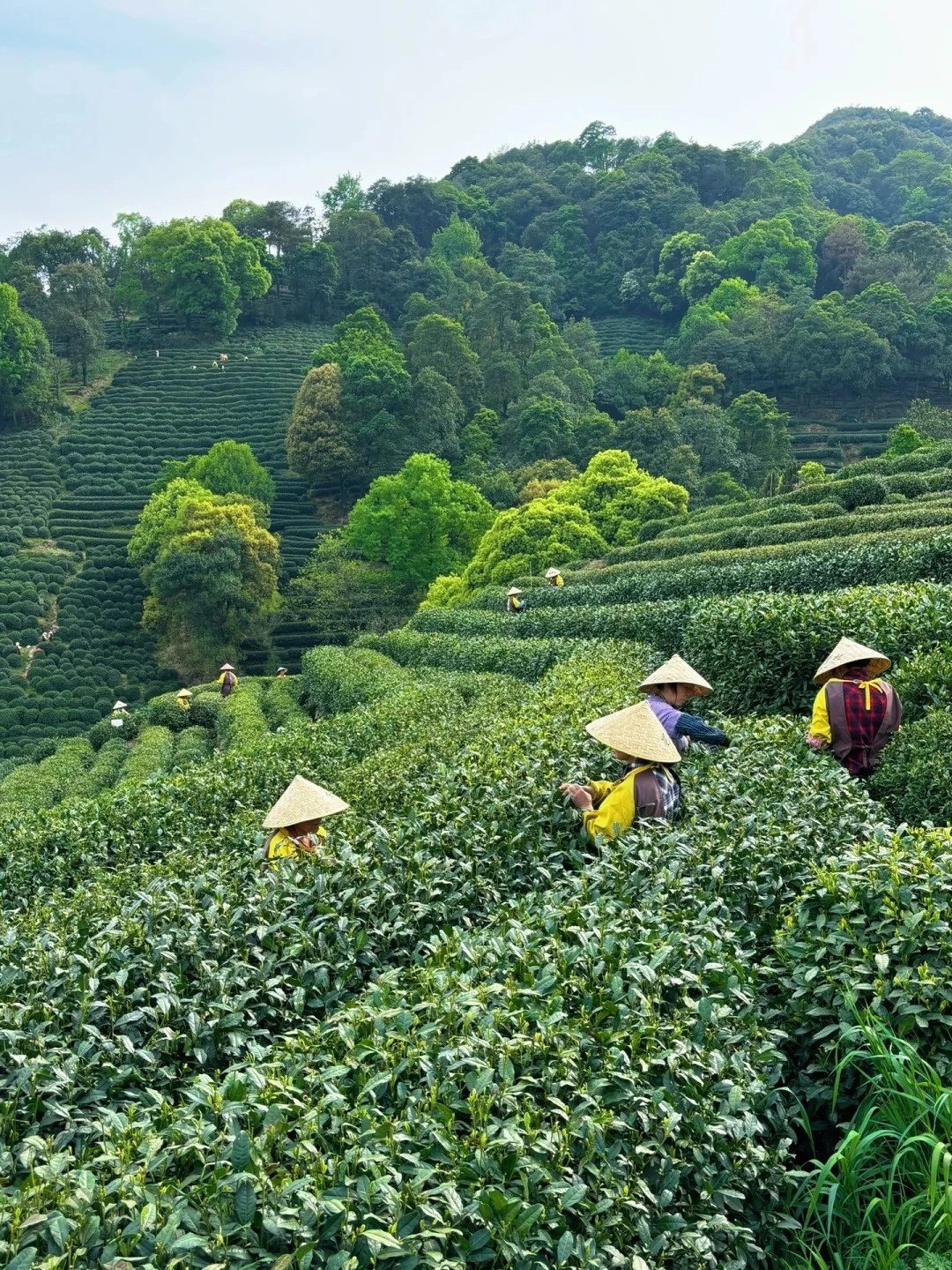
Witnessing the heart of China’s tea culture: Farmers meticulously hand-picking the delicate spring leaves in the famed Longjing tea terraces. The bounty of this harvest season offers a glimpse into the dedication that goes into every cup.
Timing Your Visit: The Pre-Qingming Premium
If you want the best of the best, you need to arrive before the Qingming Festival (usually around April 4th). Pre-Qingming Longjing is prized for its tender buds and sweet, grassy notes. However, expect to pay a premium; a small 50g tin can easily cost upwards of 800 RMB ($110 USD) directly from the farmer.
What to Know Before You Go: Skipping the Crowds
Insider Tip: Meijiawu Tea Village is beautiful, but by 10:00 AM on a spring weekend, it is choked with tour buses and smells overwhelmingly of diesel exhaust. Instead, hike the Nine Creeks Meandering Through a Misty Forest (Jiuxi Yanshu) early in the morning. You’ll pass quieter, family-run plantations where you can sit on a bamboo stool and sip freshly pan-fried tea in peace.
Autumn in Fujian: Oolong and Wuyi Rock Tea
While spring is for green tea, autumn is the perfect time to explore Fujian province. The coastal humidity drops, leaving crisp, clear days perfect for hiking the Wuyi Mountains or visiting Anxi, the birthplace of Tieguanyin (Iron Goddess of Mercy).
How to Reach Wuyishan
Take the high-speed train from Shanghai Hongqiao directly to Nanping City Station or Wuyishan North. The journey takes about 3.5 hours. Once there, DiDi (China’s ride-hailing app, embedded within Alipay) is the easiest way to navigate between the mountain trailheads and your guesthouse.
Is the “Mother Tree” Da Hong Pao Worth It?
Wuyishan is famous for Da Hong Pao (Big Red Robe) rock tea. You will inevitably be pushed toward the “Mother Trees”—six ancient bushes growing on a cliff face. Honestly, it’s an overrated attraction. The viewing platform is constantly packed with megaphone-wielding tour guides. Take a quick photo, but spend your actual time and money at a local teahouse in Wuyishan town doing a comparative tasting of Rougui and Shui Xian rock teas instead.
Year-Round Yunnan: Pu’er and the Ancient Tea Horse Road
Yunnan province, located in China’s southwest, is the birthplace of tea. The climate here is moderate year-round, meaning you can visit the ancient tea forests in Xishuangbanna or Pu’er City in almost any month, though the spring plucking yields the most sought-after raw Pu’er.
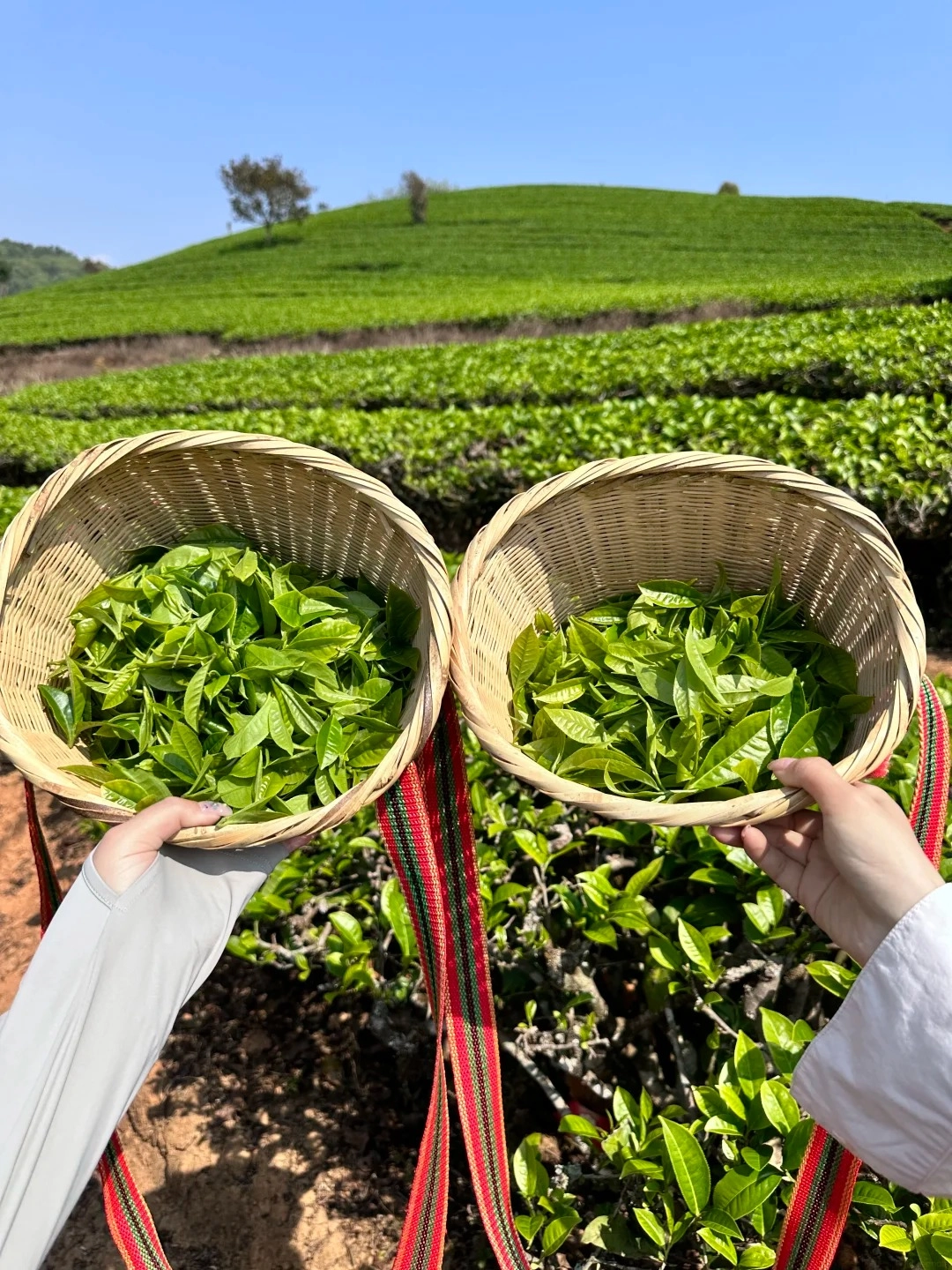
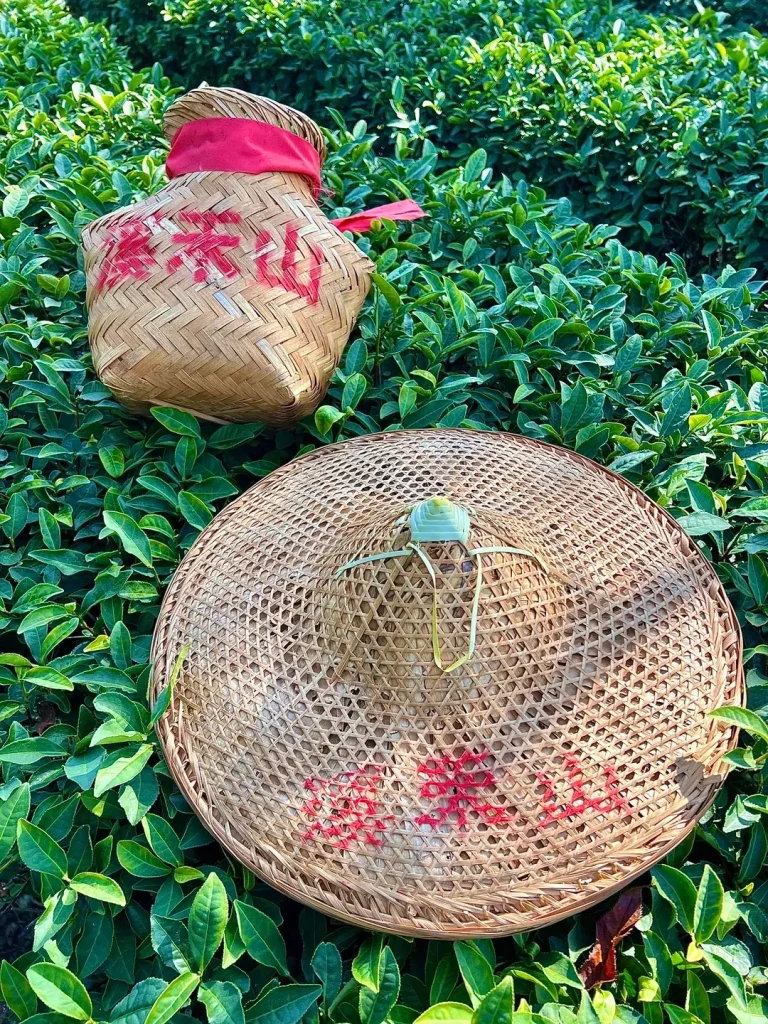
Experience the vibrant tea harvest season in China, where the freshest leaves are collected by hand, ready to be transformed into world-renowned teas. Each basket symbolizes the dedication and tradition behind every cup.
Experiencing the Tea Mountains
Unlike the manicured, knee-high bushes of eastern China, Yunnan’s ancient tea trees can grow over 10 meters tall. Getting to regions like Jingmai Mountain requires hiring a local driver from Jinghong, which usually costs around 400-600 RMB per day. The mountain roads are winding and occasionally unpaved, so pack motion sickness medication.
Practical Guide to Buying Teaware in China
You can’t leave China without a proper Gaiwan or Yixing clay teapot. If your itinerary brings you through Beijing, skip the overpriced hotel boutiques and head straight to the Maliandao Tea City in the Xuanwu District.
This multi-story wholesale market is a sensory overload of roasting tea smells and shouting vendors. A crucial negotiation tip: Never accept the first price for teaware. If a vendor quotes 300 RMB for a porcelain tasting cup, counter with 100 RMB. Always ask to test a teapot with boiling water to ensure the pour is smooth and the lid fits perfectly before transferring funds.