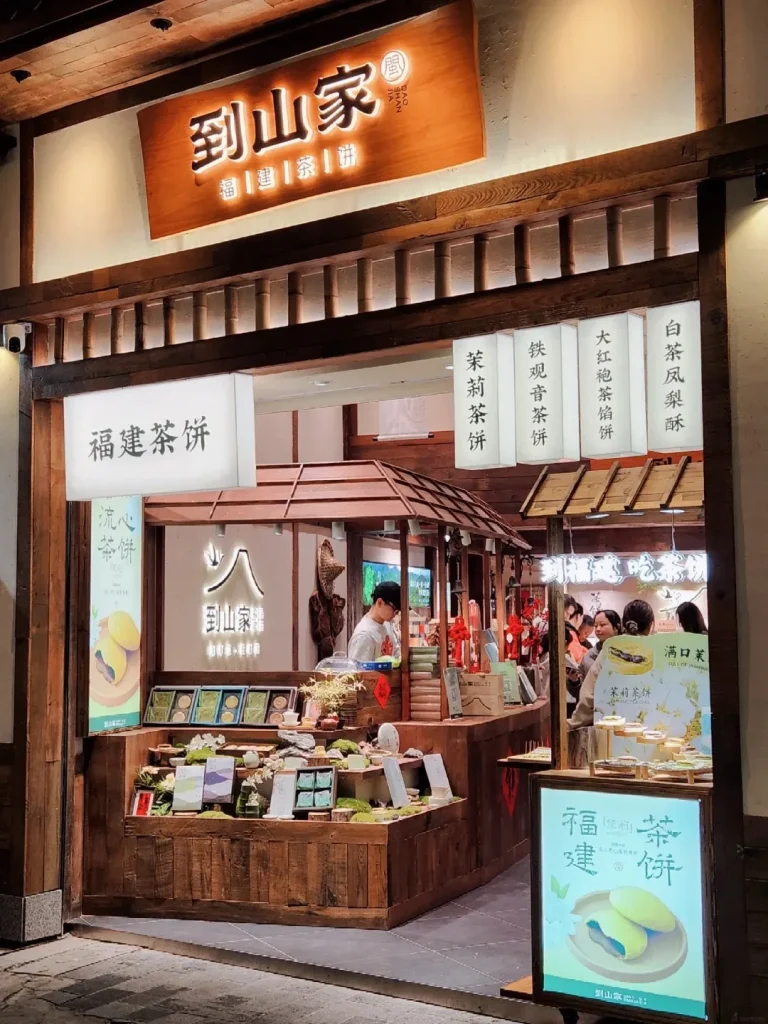

Fujian's Hidden Tea Mountains: A DIY Guide to Anxi and Tieguanyin

Drafting a trip to China’s famed tea regions often leads travelers to crowded, highly commercialized plantations. But if you want to experience the authentic heart of oolong, this Anxi tea travel guide is your blueprint for getting off the beaten path. Located in Fujian province, Anxi County is a mountainous haven where the air smells of roasting leaves and misty valleys hide centuries-old tea-making traditions.

Navigating rural China independently in 2026 requires preparation, especially when traveling beyond the English-friendly coastal hubs. From deciphering local bus schedules to arranging a village homestay where only the local Minnan dialect is spoken, this guide provides the practical steps you need to explore Fujian’s hidden tea mountains on your own.

TL;DR: Trip Essentials

  • Best time to visit: Mid-September to mid-May, specifically during the vibrant spring and autumn harvests.
  • Getting there: Take a high-speed train to Anxi Railway Station from Xiamen (approx. 1 hour) or Quanzhou (40 minutes).
  • Connectivity: Cash is rarely accepted; set up Alipay or WeChat Pay before arrival and secure a reliable eSIM to bypass the firewall.
  • Accommodation: Skip the main city hotels and book a family-run homestay in Xiping or Longjuan villages for an authentic experience.

Summarize with :

What is Tieguanyin Tea?

Tieguanyin, translating to the “Iron Goddess of Mercy,” is a premium, semi-oxidized oolong tea originating from Anxi County in the 18th century. Known for its complex floral aroma, smooth finish, and tightly curled leaves, it ranks among the most revered and expensive teas in the world.

Understanding the 144-Hour Visa-Free Transit in 2026

The 144-hour visa-free transit allows eligible international travelers to stay in designated Chinese regions for up to six days without a traditional visa, provided they hold a confirmed onward ticket to a third country. According to the official National Immigration Administration, Fujian province is fully covered under this policy.

How to Reach Anxi’s Remote Tea Villages

Anxi is a county, not a single town, meaning the logistics of getting to the actual tea mountains require some legwork. Most travelers arrive via high-speed rail from coastal cities. According to the official 12306 China Railway booking system, trains from Xiamen North Station to Anxi Station take just under an hour.

Once you arrive at Anxi Station, you will need to navigate the local bus network to reach the high-altitude villages like Xiping (the birthplace of Tieguanyin) or Longjuan. The bus station is chaotic, loud, and smells faintly of exhaust and street-side steamed buns. Look for the small, privately run minibuses with destination placards in the windshield.

To survive rural transit, you must have a working smartphone. Google Maps is wildly inaccurate here, and you will need Baidu Maps and a translation app. For reliable internet access, you need a solid data plan.

💡 Editor’s Pick: We recommend Nomad eSIM for China because it reliably bypasses the Great Firewall with stable speeds.

Tickets for these rural buses typically cost around 15 to 25 RMB, paid exclusively by scanning a QR code via Alipay or WeChat Pay. Cash is almost universally rejected by rural drivers in 2026, so ensure your foreign credit card is linked to your digital wallet before leaving home.
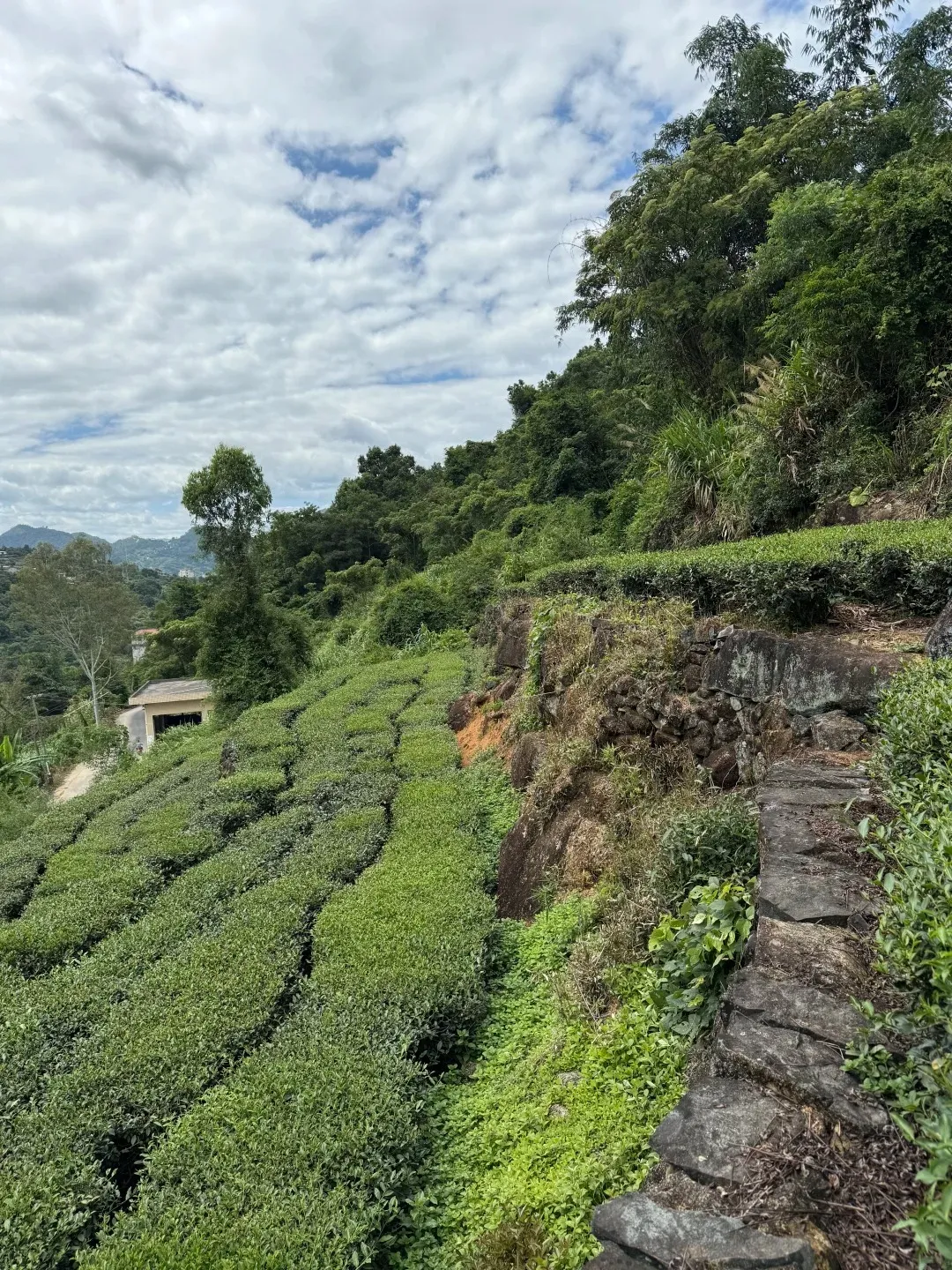
A terraced hillside covered with green tea bushes beside a stone path, with dense trees, mountains in the distance, and a cloudy sky overhead.

A peaceful hillside tea plantation, showing the kind of lush landscape that often surrounds tea-growing regions and adds to the charm of the harvest experience.

Insider Tip: Skip the “China Tea Capital” Building

Many guidebooks point tourists to the massive China Tea Capital trading hall on Hebin North Road. While it boasts countless vendors, it is an overwhelming, highly commercialized wholesale market aimed at bulk domestic buyers. The aggressive sales tactics and sheer scale can be exhausting for casual travelers.

Instead, head directly into the mountains. The true magic of Anxi lies in the family-owned tea gardens where you can sip freshly roasted oolong while overlooking the very fields the leaves were plucked from. You will avoid the aggressive haggling and get a much purer cultural experience.

Arranging a Village Homestay

Booking a homestay in Anxi’s rural villages isn’t as simple as logging onto Western booking sites, which rarely list these remote properties. Your best bet is to use the Trip.com app, filtering for guesthouses in the Xiping or Xianghua townships.

Expect rustic but comfortable conditions. You might wake up to the rhythmic thumping of tea leaves being processed in the courtyard and the intense, sweet floral aroma of oxidation. A standard room costs around 150-250 RMB per night. Stock up on basic supplies; a 2 RMB bottle of Nongfu Spring water is easy to find at village kiosks, but Western snacks are nonexistent.

Communication will be a challenge. The locals speak the Minnan dialect, which sounds entirely different from Mandarin. Rely heavily on WeChat’s built-in translation feature to communicate with your hosts about meal times and arranging tours of their family plots.

The Best Time for Spring and Autumn Harvest Views

Timing is everything when planning an itinerary in this region. The tea mountains are most vibrant during the two major harvest seasons: the spring harvest (late April to mid-May) and the autumn harvest (late September to October).

During these windows, the hillsides are dotted with farmers wearing traditional conical hats, meticulously plucking the ideal leaves. The autumn harvest is particularly famous for producing the highest quality Tieguanyin, known for its intense, lingering fragrance.

Avoid visiting during the summer months from June to August. The oppressive sub-tropical humidity makes hiking the steep, terraced hills miserable, and the tea harvested during this rainy period is considered the lowest quality of the year.
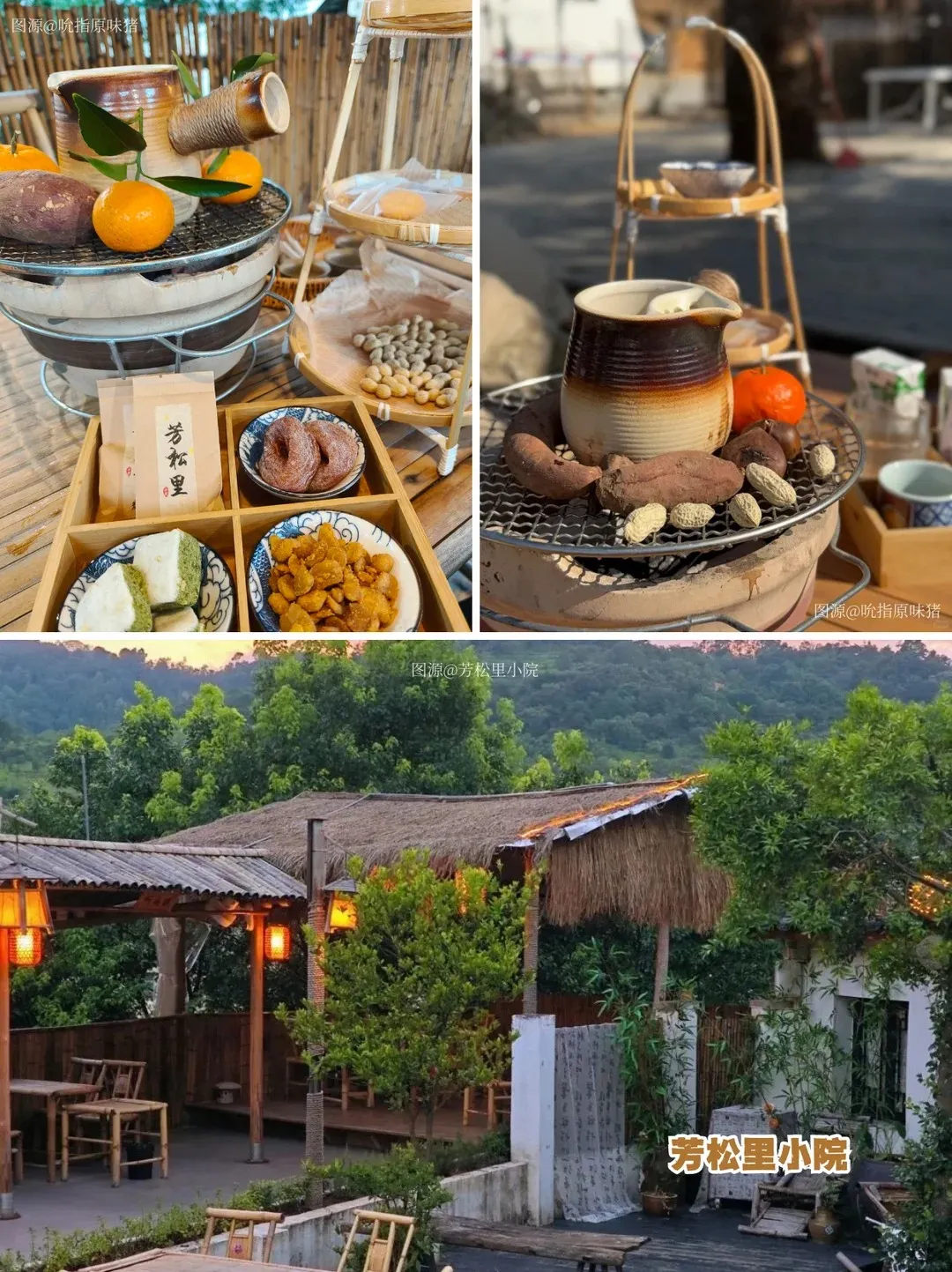
A rustic outdoor tea and snack display with ceramic cups, oranges, nuts, sweets, and a thatched courtyard setting with bamboo furniture and lanterns.

A peaceful courtyard tea space with handmade tableware and local snacks, creating the kind of slow, welcoming atmosphere that makes a visit feel special.


Frequently Asked Questions About Visiting China

Do I need a visa for a short trip to China in 2026?

You may be eligible for the 144-hour visa-free transit policy, which allows international travelers to stay in specific regions for up to six days without a traditional visa, provided they have a confirmed onward ticket to a third country.

Cash is rarely accepted in China today. It is essential to set up Alipay or WeChat Pay and link your foreign credit card before arrival to pay for everything from rural bus tickets to market purchases.

To bypass the firewall and ensure reliable navigation, you should secure a dedicated travel eSIM before you arrive. This will allow you to use essential apps like Baidu Maps and translation tools while traveling outside major cities.

The ideal time to visit is during the spring harvest (late April to mid-May) or the autumn harvest (late September to October). These periods offer the best weather and the opportunity to experience the peak tea-making season.

Conclusion

Exploring Fujian’s hidden tea mountains requires patience, a sense of adventure, and a willingness to navigate language barriers. But for those willing to brave the rural bus routes and step away from the commercialized trading halls, Anxi offers an unparalleled glimpse into the soul of Chinese tea culture.

If you are ready to trade crowded tourist traps for misty mountain homestays and the world’s freshest Tieguanyin, start setting up your digital wallets today. For more off-the-beaten-path itineraries, read our complete guide to navigating rural Fujian’s historic Tulou earthen castles.

Similar posts to this one

An aerial view of multiple large, circular, earthen Fujian Tulou buildings with dark tiled roofs, illuminated by warm lights, nestled in a verdant, mountainous landscape with terraced fields and scattered trees.

Beyond the City: A Day Trip Guide from Fuzhou to the Fujian Tulou

Fuzhou is a brilliant city of banyan trees and historic lanes, but if you have made it to Fujian province, [...]

A storefront of a traditional Chinese tea shop with wooden architecture. A prominent wooden sign with Chinese characters is illuminated above the entrance. Below the sign are hanging lanterns with Chinese text advertising different teas. Inside, a display counter showcases various tea cakes and pastries, with a person serving customers in the background. A lit sign with an image of green pastries and Chinese text is visible in the foreground.

Authentic Tea Shopping: A Guide to Choosing High-Quality Pu'er in Yunnan

Traveling to Yunnan without tasting its legendary tea is like visiting Paris and skipping the bakeries. For tea enthusiasts and [...]

A wide shot of a traditional village nestled amongst vibrant green terraced fields on a mountainside, with snow-capped mountains in the background under a partly cloudy sky.

A Traveler's Guide to China's Regional Tea Harvest Seasons

Planning a trip to China's tea mountains can feel overwhelming. You want to walk through misty terraces and sip fresh [...]

Get the China Arrival Survival Kit

Planning a trip here has a steep learning curve. Join our newsletter and receive our free “Day One Checklist” covering everything from setting up Alipay and WeChat to bypassing the internet firewall.