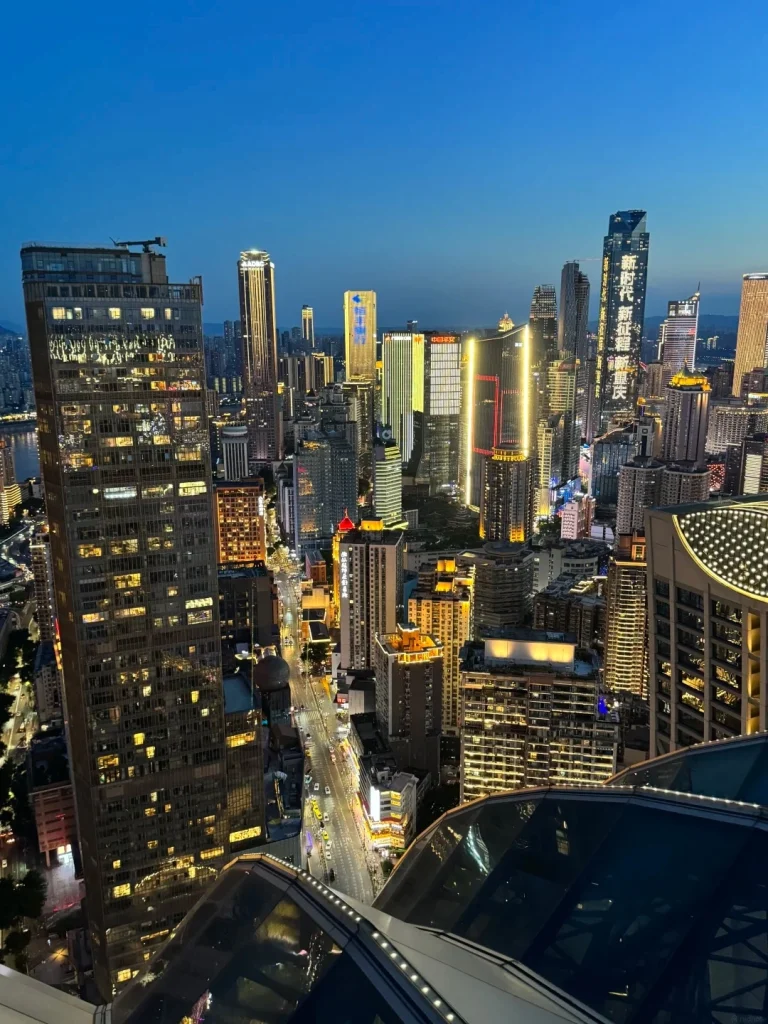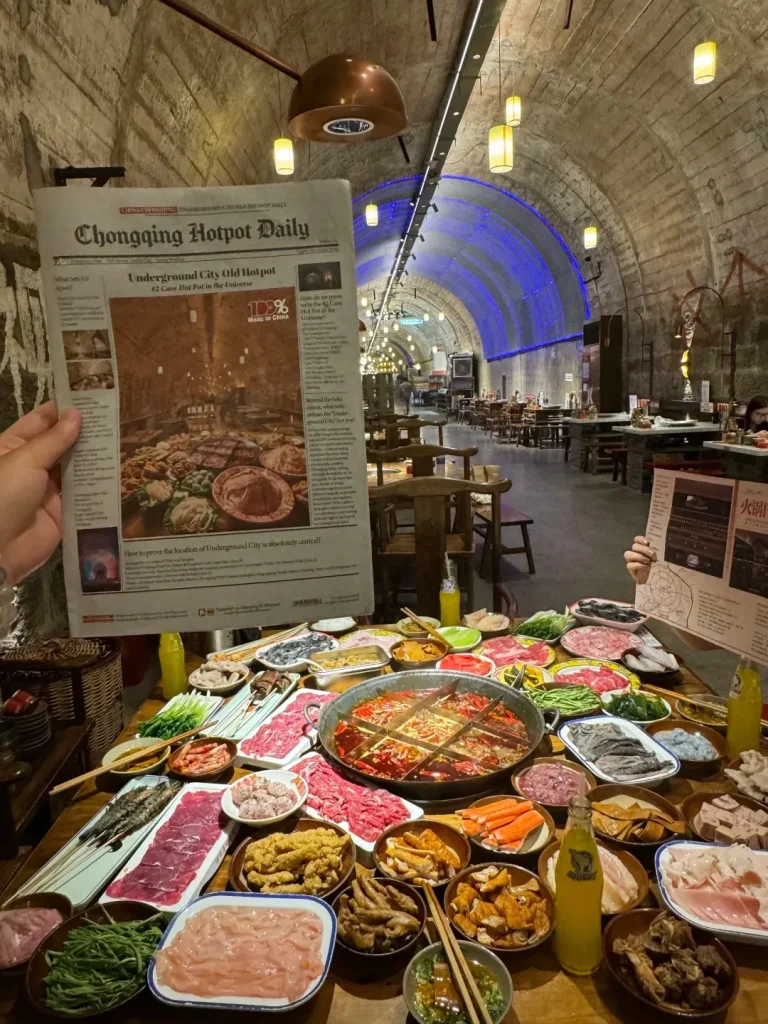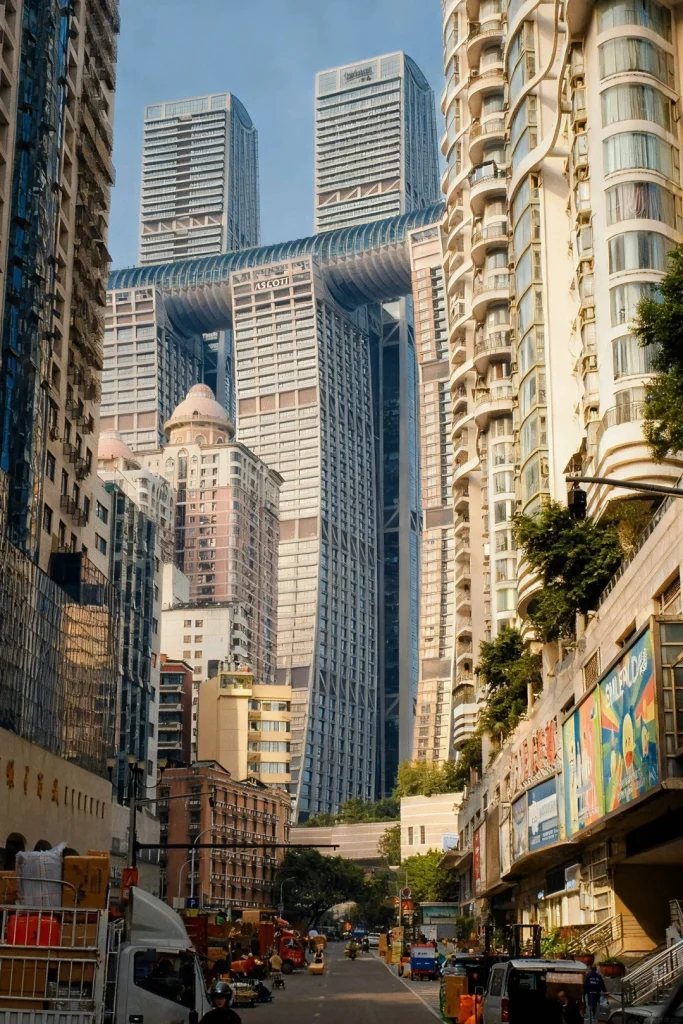



Stepping out of the air-conditioned carriage into the heavy, chili-scented humidity of a Chongqing summer, you immediately understand why this city is famous for its 8D terrain. Navigating this metropolis can feel like walking through an MC Escher painting, and nowhere is this more apparent than at Liziba Station. If you are putting together your itinerary, this comprehensive Chongqing Liziba Station guide will help you navigate the logistics, beat the crowds, and capture the perfect photo of the world-famous train that swallows itself into an apartment block.
How to Get There and Navigate the Station
Liziba Station is located in the Yuzhong District. As of 2026, the most efficient way to reach the station is by riding CRT Line 2. If you are coming from the popular Jiefangbei pedestrian area, you can hop on at Jiaochangkou Station and ride the train directly into the building.
Because Google Maps is notoriously inaccurate in this multi-level city, you will need reliable mobile data to use local navigation apps like Baidu Maps or Apple Maps. I highly recommend setting up an eSIM before you land.
💡 Editor’s Pick: We recommend Nomad eSIM for China because it reliably bypasses the Great Firewall with stable speeds.
To pay for your metro fare, you no longer need physical cash. Simply download the Alipay or WeChat app, bind your international credit card, and generate a Chongqing Public Transport QR code. Scan this code at the turnstiles for a seamless, frictionless entry.
A striking example of Hong Kong’s dense urban landscape, where elevated transit, high-rise living, and street-level activity all share the same frame.
The Best Viewing Platforms and Photography Tips
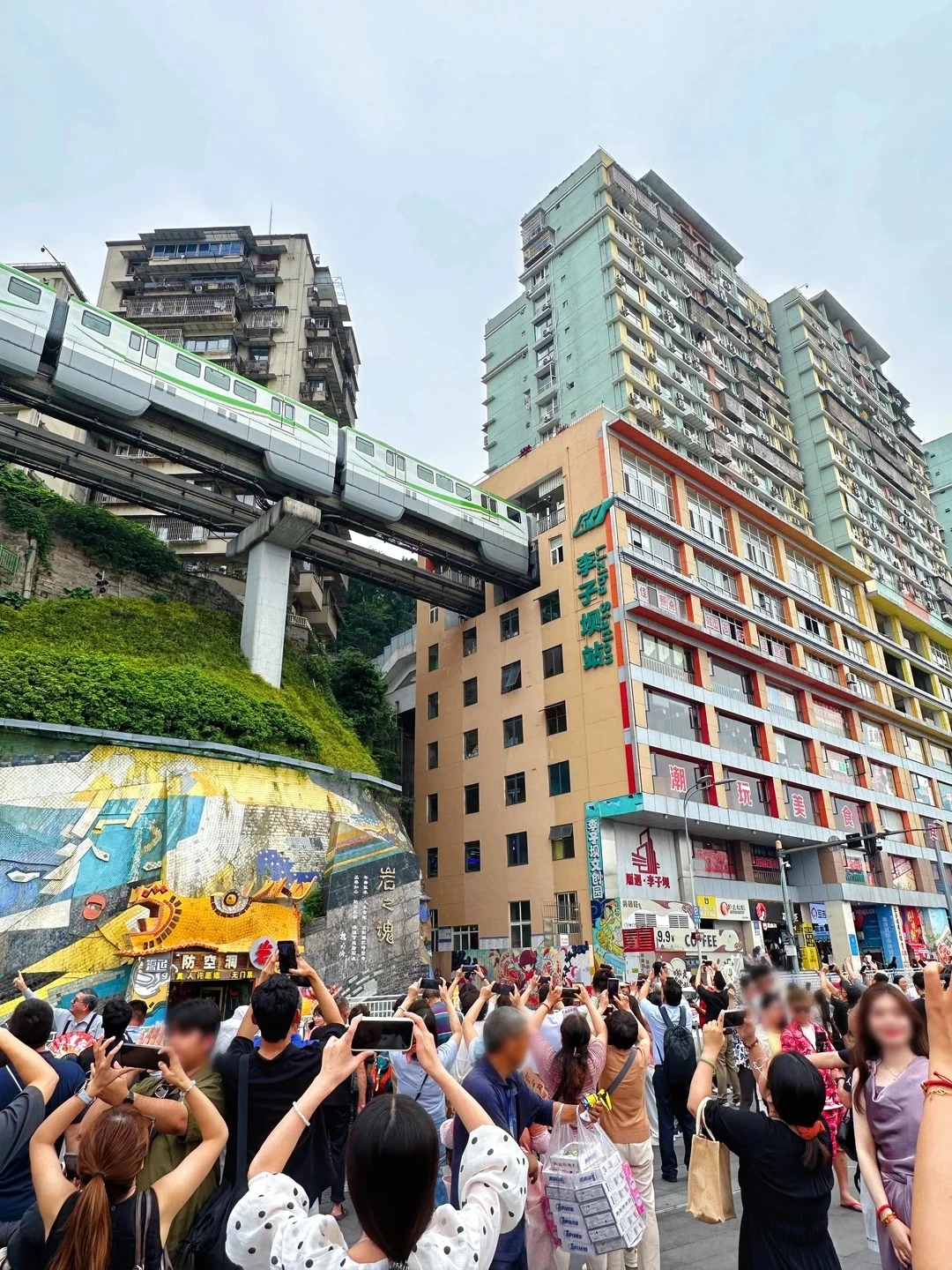
While riding the train through the building is fun, the real spectacle is watching it from the outside. Once you arrive at Liziba Station, take the elevator down to the 1st floor (street level). Cross the road to the official Liziba Viewing Platform.
By 10:30 AM, this platform is a sea of selfie sticks and matching tour group hats. To get the classic “swallowing the train” optical illusion photo, you need to stand at the far right corner of the platform. Open your mouth wide, angle your camera upward, and wait for the train to enter the building.
Insider Tip: Ditch the Main Platform
If the main deck is too crowded, walk 200 meters down the Liziba Riverside Walk. You will find a quieter angle that frames the building against the backdrop of the Jialing River. While waiting for the train, you can grab a 2 RMB bottle of cold Nongfu Spring water from the local aunties hawking snacks along the pavement.
What to Know Before You Go: An Honest Assessment
Many travelers arrive expecting a deafening roar as the train plows through the residential block. In reality, Chongqing’s monorails use pneumatic rubber tires and specialized shock absorbers. The train is shockingly quiet, producing only a gentle whoosh that registers at around 60 decibels—quieter than a standard conversation.
Is Liziba Station worth a dedicated half-day trip? Honestly, no. It is a fascinating architectural quirk, but it is ultimately a one-trick pony. You only need about 30 minutes here to take your photos and watch the train pass a few times.
To maximize your itinerary, pair Liziba with a walk up the nearby Three-Layer Road (San Ceng Ma Lu), which leads directly to Eling Park. This historic park offers one of the best panoramic views of the Yuzhong Peninsula without the claustrophobic crowds of the WFC Observation Deck.
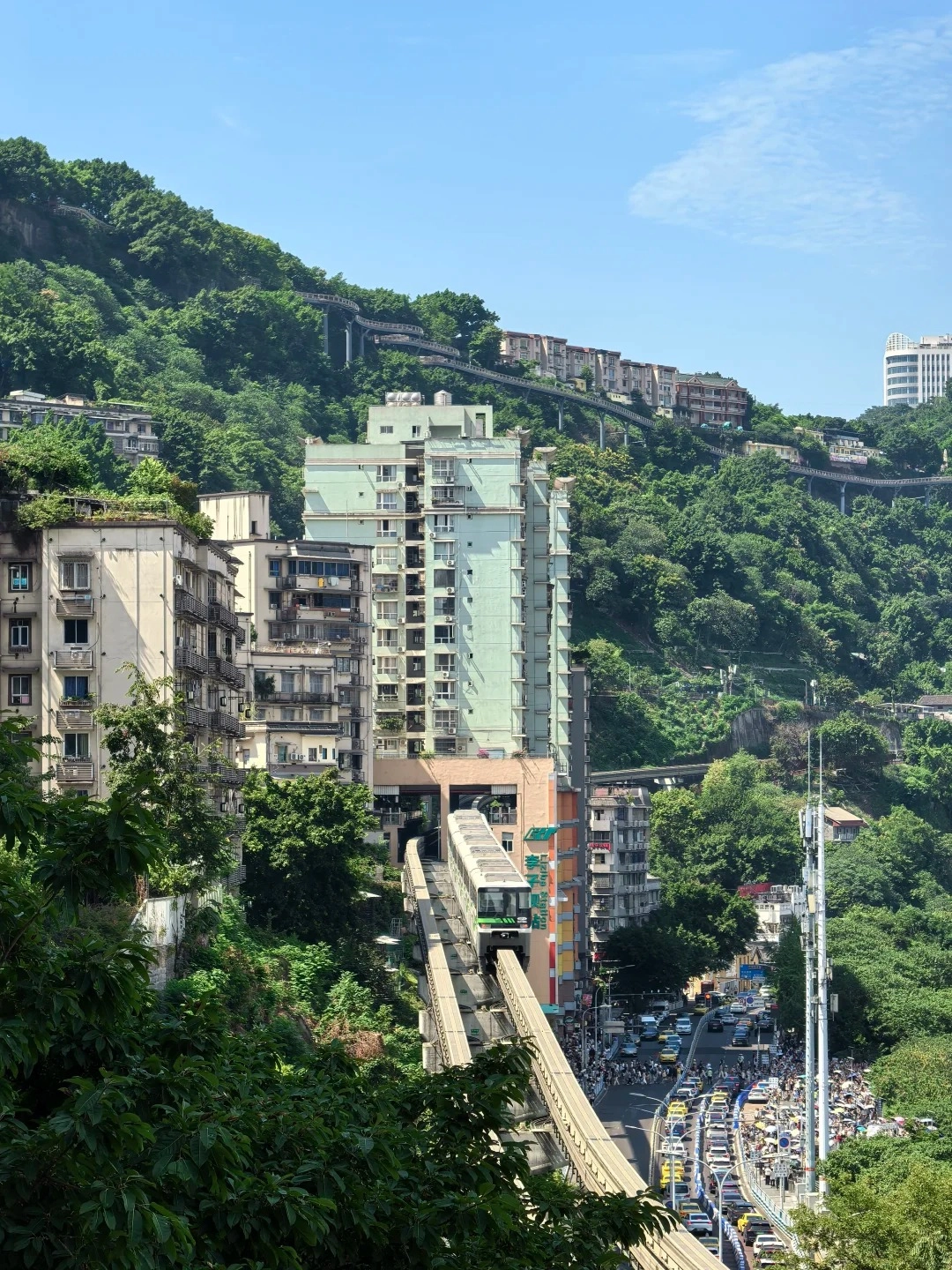
Hong Kong’s steep terrain shapes its urban landscape, with hillside transport systems helping connect neighborhoods built into the mountains.
Logistics and Visa Requirements
What is the 144-Hour Visa-Free Transit?
The 144-hour visa-free transit is an official Chinese immigration policy allowing citizens from 54 eligible countries to explore Chongqing for up to six days without a pre-approved tourist visa, provided they hold confirmed onward flight tickets to a third country region.
According to the official China National Immigration Administration, Chongqing Jiangbei International Airport (CKG) is an approved port of entry for this transit visa. This makes it incredibly easy to plan a short layover to see Liziba Station, eat authentic spicy hotpot, and experience the Yangtze River cableway before flying to your next Asian destination.
Booking Train Tickets to Chongqing
If you are arriving in Chongqing by high-speed rail from Chengdu or Xi’an, you will likely arrive at Chongqing North or Chongqing West Railway Station. According to the official 12306 rail policy, foreign travelers can now book high-speed train tickets directly through the English version of the 12306 app using a passport.
From either major railway station, you can easily connect to the local CRT subway system. Just remember that navigating the massive underground interchanges with heavy luggage can be exhausting, so pack light and wear comfortable walking shoes with good grip—Chongqing’s steep, damp stairs are notoriously slippery.