


Essential Logistics: Visas, Trains, and Connectivity
What is the 144-hour visa-free transit?
The 144-hour visa-free transit policy allows citizens from 54 eligible countries to explore Wuhan and the wider Hubei province without a visa for up to six days. You must hold a valid passport and a confirmed onward flight ticket to a third country or region outside of Mainland China.
Staying Connected in China
To navigate the city, you will need a reliable internet connection to access Google Maps, WhatsApp, and foreign sites blocked by the Great Firewall. I highly recommend using a travel eSIM rather than hunting down a physical China Unicom store upon arrival.
💡 Editor’s Pick: We recommend Nomad eSIM for China because it reliably bypasses the Great Firewall with stable speeds.
Booking Trains and Navigating
According to the official 12306 China Railway policy, foreign travelers can now verify their passports online to book high-speed rail tickets directly. Wuhan has three main stations, but Hankou and Wuchang are the most central.
Once you arrive, link your foreign credit card to Alipay or WeChat Pay to generate a metro QR code. A standard metro ride costs just ¥2-¥4, while a bottle of water at a convenience store is a mere ¥2. Cash is rarely used, and many vendors won’t have change.
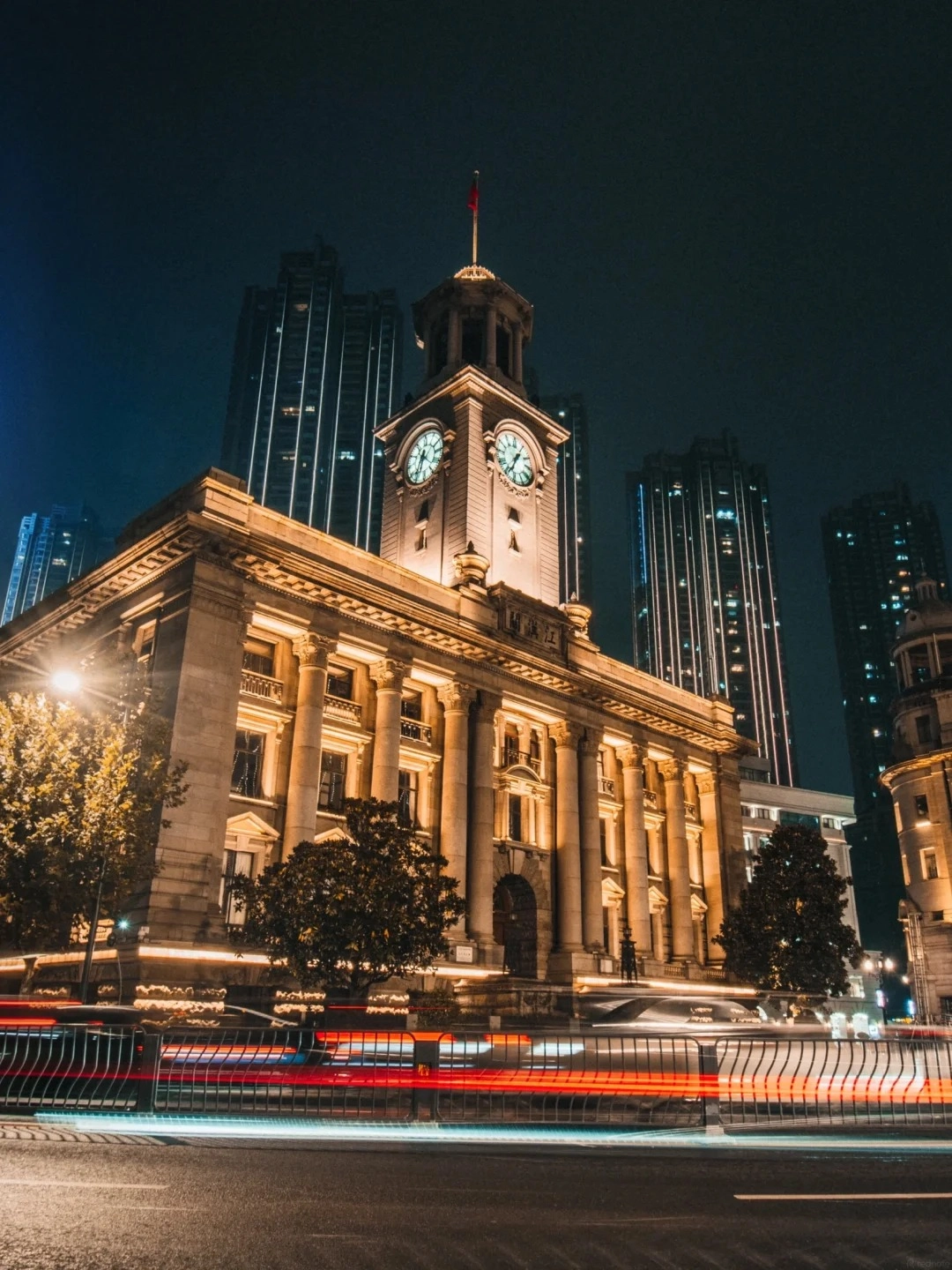
The iconic architecture of the Hankou Bund in Wuhan, a testament to the city’s rich history, illuminated against the night sky with the bustle of modern traffic below.
Day 1: Hankou Heritage and the Yangtze River
8:00 AM – Experience “Guozao” Breakfast Culture
In Wuhan, eating breakfast is a celebrated daily ritual known as Guozao. Start your morning at the Sanzhen Minsheng Dessert Shop in the Jiang’an District. The moment you walk in, the heavy, nutty aroma of roasted sesame and frying oil hits you.
Order a bowl of Re Gan Mian (Hot Dry Noodles) and a side of Sanxian Doupi—a golden, pan-fried layer of tofu skin stuffed with sticky rice, pork, and mushrooms. The noodles are chewy, dense, and perfectly coated in savory sesame paste.
11:00 AM – Stroll Lihuangpi Road and the Hankou Bund
Walk off your breakfast by exploring the former foreign concessions. Lihuangpi Road is a 600-meter stretch of preserved 1897 European-style architecture, originally part of the Russian Concession. Today, it operates as an open-air architectural museum packed with boutique coffee shops.
Continue to the Hankou Bund, a beautifully curated park running parallel to the Yangtze River. It is a fantastic place for people-watching, as locals gather here to play mahjong, fly kites, and practice tai chi under the shade of massive trees.
6:00 PM – The Yangtze River Ferry (What to Know Before You Go)
Insider Tip: Do not waste ¥150 on the luxury tourist cruises that aggressively advertise along the riverbank. Instead, walk to the Wuhan Customs House dock and take the regular commuter ferry across the Yangtze to Wuchang.
The commuter ferry costs exactly ¥1.50. If you time it for sunset, you get the exact same spectacular view of the city’s LED-lit skyline reflecting off the murky river, but you’ll be riding alongside locals leaning on their electric scooters.
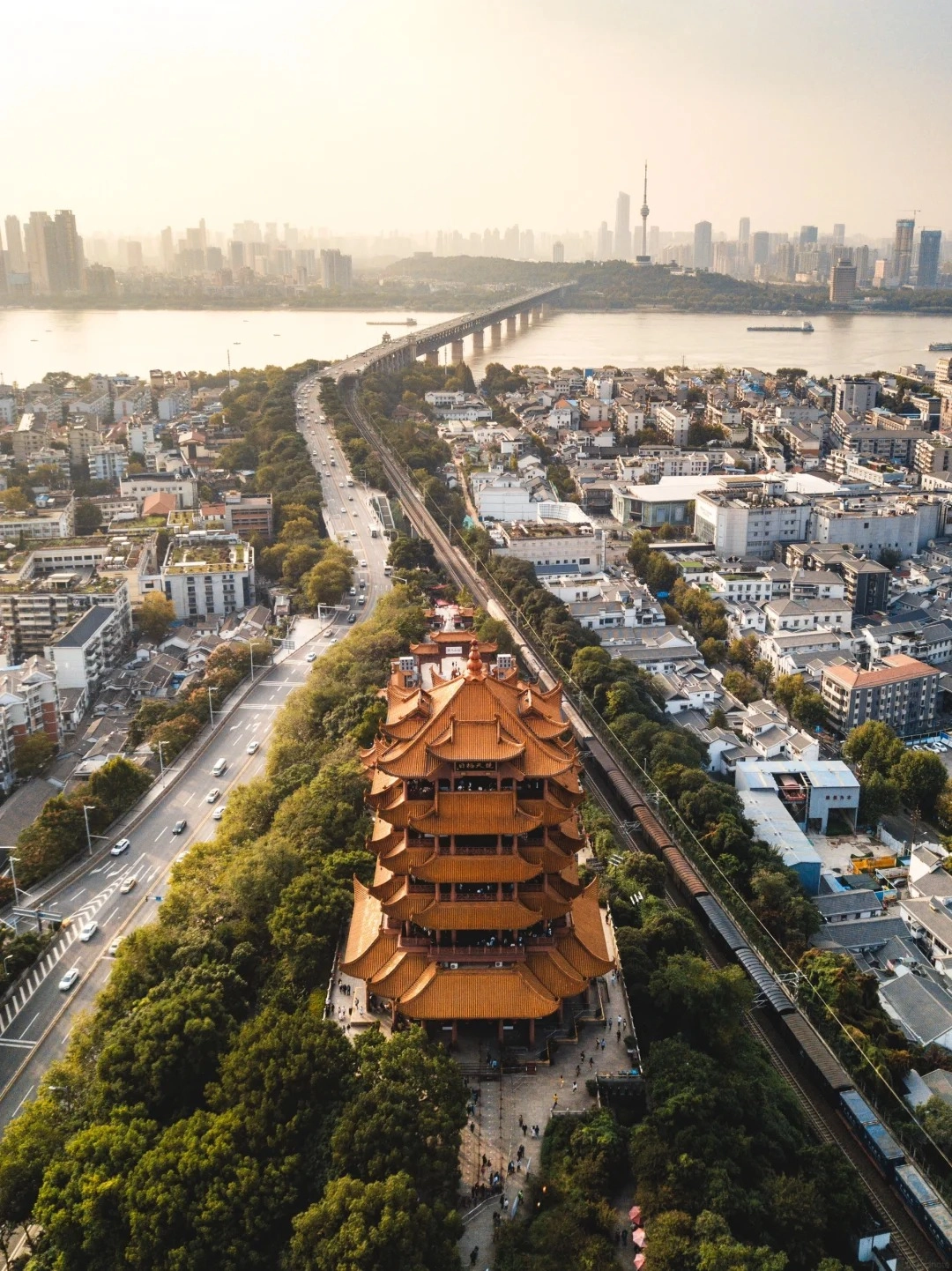
The iconic Yellow Crane Tower stands proudly, offering breathtaking views of the mighty Yangtze River and the Wuhan skyline. It’s a must-see landmark when exploring Wuhan, especially after you’ve fueled up on some delicious hot dry noodles!
Day 2: Wuchang’s Icons and Hidden Culinary Gems
9:00 AM – Yellow Crane Tower: Is it Worth It?
Perched on Snake Hill, the Yellow Crane Tower is Wuhan’s most famous landmark. But here is an honest assessment: the current structure is a 1980s concrete replica containing an elevator. The crowds can be suffocating, with tour guides shouting over each other through portable megaphones.
However, paying the ¥65 entry fee is still worth it for one reason: the view. If you arrive right at the 8:00 AM opening to beat the worst of the heat and the bus tours, the panoramic vista of the Yangtze River Bridge from the top tier is genuinely breathtaking.
1:00 PM – Hubei Provincial Museum
Escape the midday heat inside this world-class museum. The absolute highlight is the tomb excavation of Marquis Yi of Zeng, featuring a massive set of 64 double-tone bronze bells dating back to 433 BCE.
Crucial Logistics: According to the museum’s official entry rules, there is no walk-up ticket window. You must reserve your free entry ticket up to seven days in advance via their official WeChat mini-program. Bring your physical passport for entry.
6:00 PM – Dinner: Hubu Alley vs. Liangdao Street
Most guidebooks will point you to Hubu Alley for street food. Skip it. It has become overly commercialized, overpriced, and packed with generic snacks you can find anywhere in China.
Instead, take a 15-minute walk to Liangdao Street. This is where local university students eat. The smell of sizzling cumin from street-side lamb skewers and the sharp tang of black vinegar fill the air. Grab a steaming bowl of beef noodles from Liuji Sangou for about ¥16, and eat it on a plastic stool on the sidewalk like a true Wuhanese.