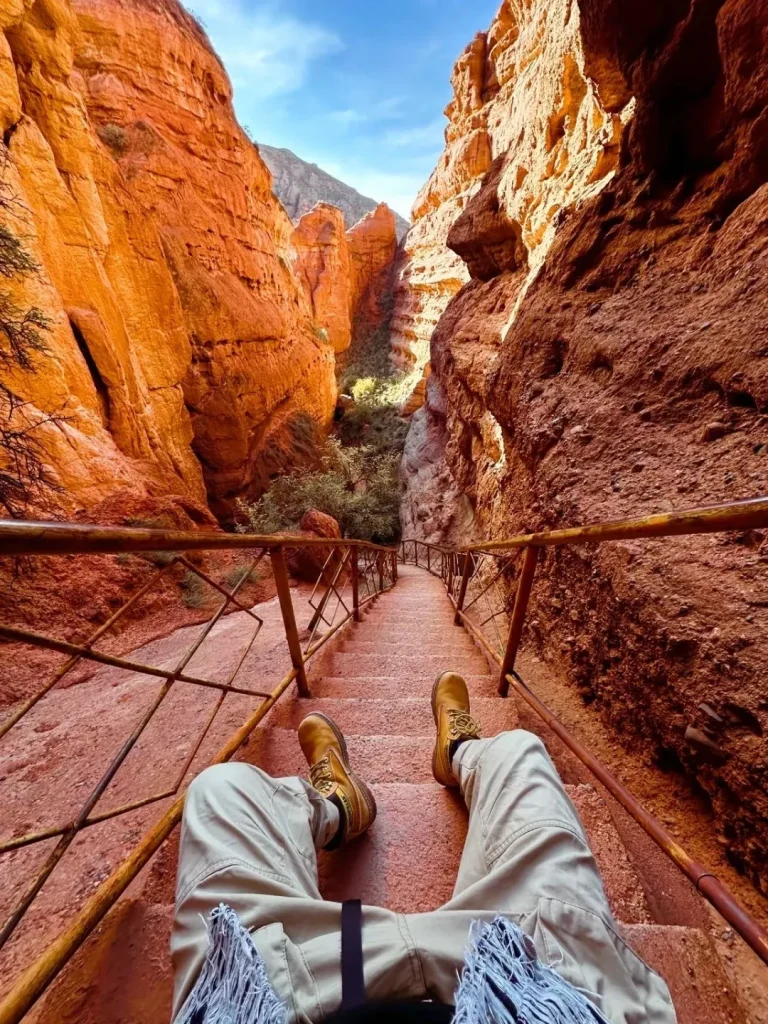

Hiking Tiger Leaping Gorge: The High Road vs. Low Road Guide

The sheer drop of 3,900 meters from snow-capped peaks to the churning Jinsha River makes Tiger Leaping Gorge one of the most dramatic landscapes on earth. If you are navigating China’s Yunnan province in 2026, choosing how to tackle this beast is your first hurdle. Will you brave the lung-busting switchbacks of the Upper Trail, or stick to the paved, tour-bus-heavy valley floor? This Tiger Leaping Gorge hike guide breaks down everything you need to know to survive and thrive on the trail, from luggage logistics to bypassing the Great Firewall.

TL;DR: Trip Essentials

  • The High Road (Upper Trail): A 2-day, 22km trek requiring moderate fitness. Offers the best views and avoids massive domestic tour groups.
  • The Low Road: A paved, 2-hour tourist walk at the gorge’s base. Extremely crowded, but requires zero hiking experience.
  • Luggage Storage: Leave heavy suitcases in Qiaotou (the trailhead) or pay to forward them to Tina’s Guesthouse.
  • Transport: Take a morning bus from Lijiang to Qiaotou. Return buses leave Tina’s Guesthouse daily at 3:30 PM.
  • When to Hike: October to May. Avoid the summer rainy season (June-August) due to highly dangerous rockslides.

Summarize with :

What is the 144-Hour Transit Visa Exemption?

The 144-hour transit visa exemption is a Chinese immigration policy allowing citizens from 54 eligible countries to stay in specific regions of China for up to six days without a pre-approved visa. You must have a confirmed onward ticket to a third country or region to qualify.

Insider Tip: While Kunming offers this visa-free transit, you cannot leave the designated Yunnan provincial area. If your itinerary includes Tiger Leaping Gorge, ensure your flights land in and depart from Kunming (or another Yunnan port) directly to an international destination.

The High Road (Upper Trail) vs. The Low Road

Deciding between the High Road and the Low Road dictates your entire experience. Here is the honest breakdown of what to expect on the ground.

The High Road: Scenic, Strenuous, and Authentic

The High Road is the classic 2-day trek. Starting from Qiaotou, you will climb through pine forests, navigate narrow dirt paths, and share the trail with local Naxi goat herders. The air smells sharply of dust and wild herbs, and the crunch of scree under your boots is constant.

Your biggest hurdle is the infamous 28 Bends, a grueling series of switchbacks that will test your hamstrings. Expect to pay a premium for hydration here; a basic bottle of water costs around 15 RMB from opportunistic local vendors at the top, compared to 2 RMB in the city.
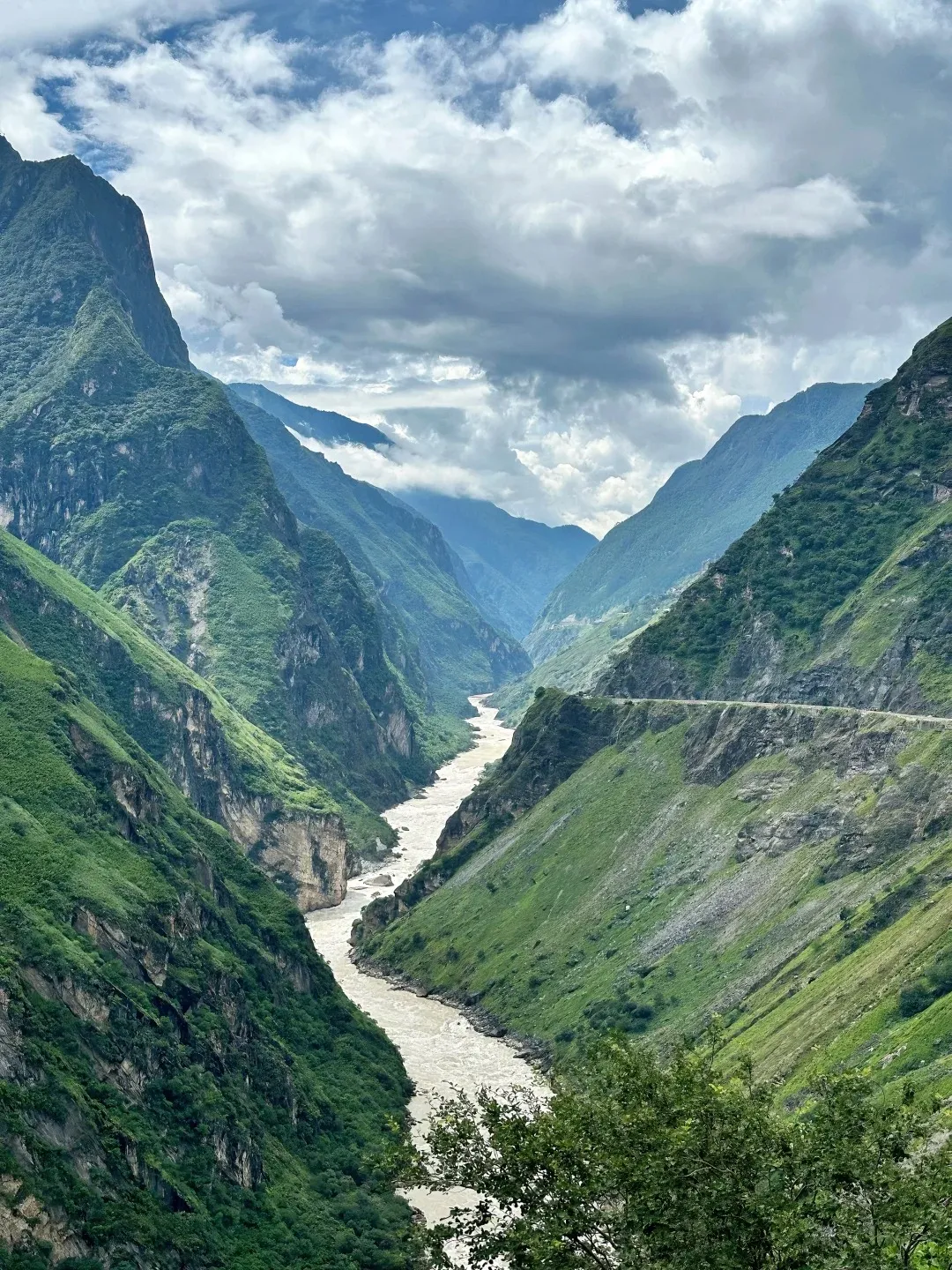
A wide, muddy river flows through a deep, narrow canyon with steep, green, vegetated mountains on either side. A dirt road with switchbacks is visible carved into the mountainside on the right.

The powerful Jinsha River carves its path through the dramatic landscape of Tiger Leaping Gorge. This view from the High Road showcases the immense scale and rugged beauty that hikers experience.

The Low Road: Fast, Developed, and Crowded

The Low Road (Upper Tiger Leaping Gorge Scenic Area) is entirely paved and heavily commercialized. You will descend hundreds of stairs alongside thousands of domestic tourists following megaphone-wielding guides. The roar of the river is deafening, but the crowds can be overwhelming.

What to Know Before You Go: Skip the 50 RMB escalator. It is heavily marketed to tourists at the Upper Gorge viewing platform, but walking the steps takes only 30 minutes and saves you from the massive bottleneck queues at the escalator entrance.

Luggage Storage and Starting Your Trek in Qiaotou

Do not attempt the High Road with a rolling suitcase. Pack a 20L daypack with your overnight essentials, a windbreaker, and basic toiletries. The weather fluctuates wildly; you will sweat through your t-shirt at noon and shiver in a fleece by 7:00 PM.

Most hikers start at Qiaotou. You can securely store your main luggage at the luggage storage room near the ticket office for roughly 10 RMB per bag. Alternatively, pay a local driver to forward your bags directly to Tina’s Guesthouse (the end of the trail) so they are waiting for you on day two.

Essential Logistics: Transport, Connectivity, and Tickets

China’s travel infrastructure is completely digitized in 2026. Cash is rarely accepted, and physical tickets are largely obsolete.

How to Buy Train and Bus Tickets from Lijiang

To reach the gorge, take a bus from the Lijiang Passenger Transport Station to Qiaotou (approx. 2 hours). According to the official 12306 China Railway policy and state transport guidelines, foreign travelers must use their passports for all intercity bookings.

Book your bus tickets via the WeChat mini-program or Trip.com at least 48 hours in advance, especially during the peak October hiking season.

Staying Connected: Alipay, WeChat, and eSIMs

You will need Alipay or WeChat Pay linked to your international credit card to buy meals at the guesthouses. However, these apps require a stable internet connection, which is notoriously spotty on the mountain. More importantly, Western apps like Google Maps and WhatsApp are blocked.

You need a reliable travel eSIM to bypass the Great Firewall and maintain connectivity for digital payments.

💡 Editor’s Pick: We recommend Nomad eSIM for China because it reliably bypasses the Great Firewall with stable speeds.

Ensure your eSIM is activated before you leave Lijiang, as the cell towers in the gorge frequently drop signals, making initial setup frustrating once on the trail.

Where to Stay: Guesthouse Recommendations

The High Road is dotted with family-run guesthouses roughly every few hours. You do not need a tent. Beds are basic but clean, and almost all offer hot showers and cold beer.

  • Naxi Family Guesthouse: The first major stop. Great for a quick lunch before tackling the 28 Bends.
  • Tea Horse Guesthouse: A popular alternative to pushing all the way to Halfway. Offers excellent views of the Jade Dragon Snow Mountain.
  • Halfway Guesthouse: The most famous overnight stop. It boasts an incredible panoramic rooftop deck. Be warned: the wooden walls are paper-thin, so bring earplugs to block out snoring neighbors.
  • Tina’s Guesthouse: The endpoint for most hikers. It is bustling, loud, and serves as the main hub for booking your 3:30 PM return bus to Lijiang or Shangri-La.
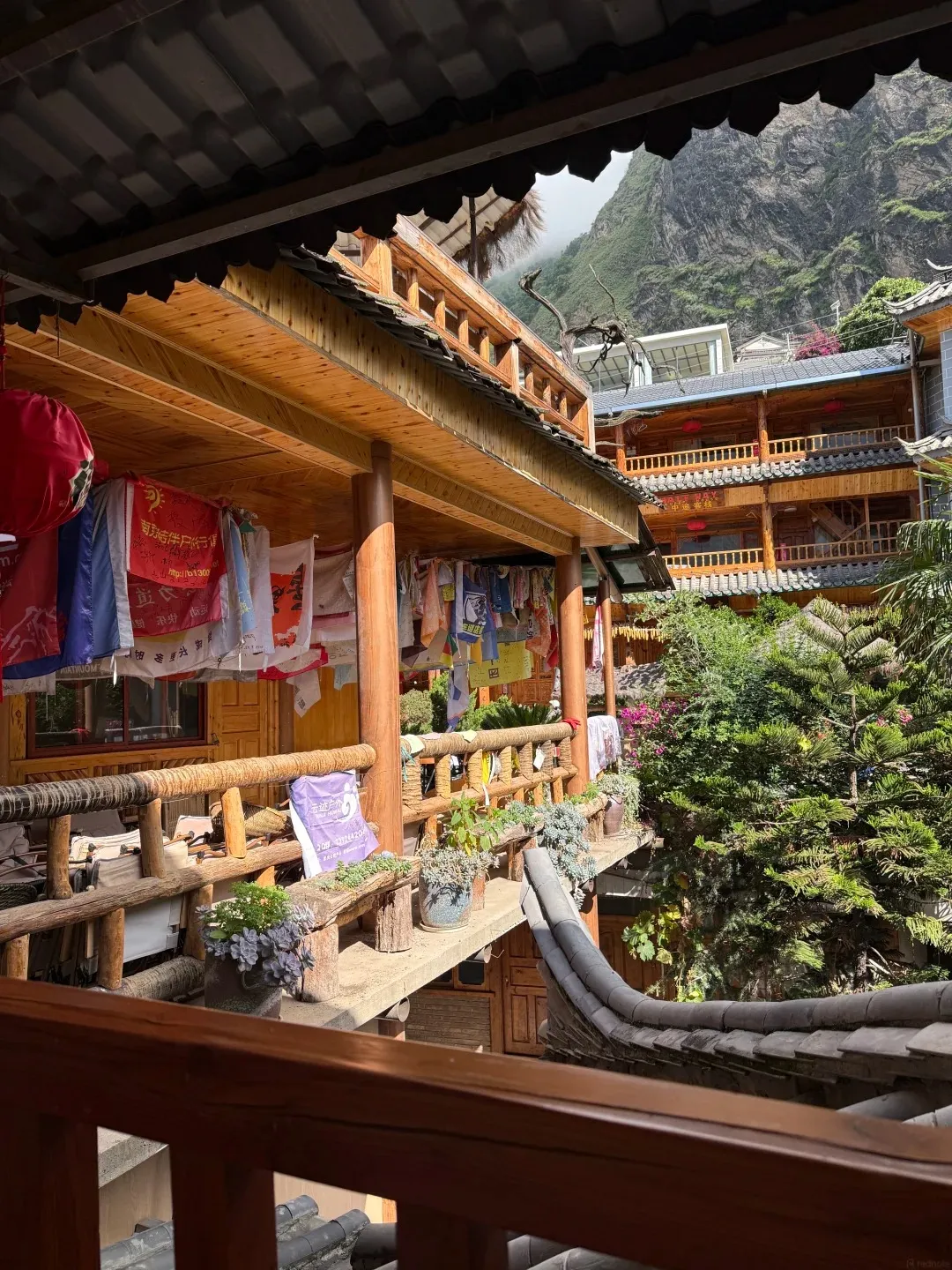
View from a wooden balcony with laundry hanging and potted plants, looking out towards a traditional multi-story wooden building with balconies, and a steep, rocky mountain covered in green vegetation in the background.

The Halfway Guesthouse offers stunning views along the High Road of Tiger Leaping Gorge. You can often see laundry drying, indicating the guesthouse is a popular stop for hikers.


Common Questions About Hiking Tiger Leaping Gorge

Is the Tiger Leaping Gorge High Road difficult for beginners?

The High Road is a moderate 2-day trek that requires a decent level of fitness, especially for the ’28 Bends’ switchbacks. While not technical, it involves significant elevation gain and requires comfortable hiking gear.

If you are from one of the 54 eligible countries, you may qualify for the 144-hour visa-free transit in Yunnan. Ensure your flights land and depart from a designated port in the province to qualify.

China is highly digitized, so you should link your international credit card to Alipay or WeChat Pay before arriving. Keep in mind that internet connectivity can be spotty, so have a reliable travel eSIM ready.

The best time to hike is from October to May. It is strongly recommended to avoid the summer rainy season from June to August due to the high risk of dangerous rockslides.

Conclusion

Choosing between the High Road and the Low Road ultimately depends on your fitness level and tolerance for crowds. For the true adventurer, the High Road remains one of the most rewarding treks in Asia, offering unmatched views and a genuine sense of accomplishment. Pack light, set up your digital payments in advance, and prepare for burning calves.

Ready to finalize your Yunnan itinerary? Read our complete guide to navigating Lijiang Ancient Town to plan the rest of your 2026 adventure, and do not forget to secure your transport tickets early.

Similar posts to this one

A person's feet wearing white sneakers stand at the bottom of a stone staircase that ascends a grassy, tree-lined mountain path. A wooden railing follows the path. In the background, a vast cityscape and harbor stretch out towards a hazy coastline and islands under an overcast sky.

Shenzhen for Nature Lovers: The Best Coastal Parks and Hiking Trails

Traveling to China's "Silicon Valley" usually conjures images of skyscrapers, neon lights, and sprawling tech campuses. But beyond the concrete [...]

A vast expanse of golden-yellow rice terraces cascading down a lush green mountainside under a clear sky. Numerous layers of terraced fields, sculpted into undulating patterns, dominate the landscape. Patches of dark green trees and bamboo forests are interspersed between the terraces, with a few small traditional Chinese houses and buildings visible on the upper slopes of the mountains. The overall scene captures the majestic beauty of agricultural ingenuity on a grand scale.

Longji Rice Terraces: A Visitor's Guide to Guilin's Dragon's Backbone

Navigating rural China can feel intimidating, especially when trying to decipher bus schedules and mountain trail maps. If you are [...]

A deep blue, still alpine lake is surrounded by snow-dusted green vegetation and rocky shores. In the background, a steep, tree-covered mountain slopes upward, with patches of snow near its rocky peak under a clear blue sky. A wooden boardwalk with railings winds along the left side of the lake, with several people walking on it.

Hiking Dali's Cangshan Mountain: The Jade Belt Cloud Road Guide

Rising sharply behind the traditional grey-tiled roofs of Dali Old Town, the 4,000-meter peaks of the Cangshan range offer some [...]

Get the China Arrival Survival Kit

Planning a trip here has a steep learning curve. Join our newsletter and receive our free “Day One Checklist” covering everything from setting up Alipay and WeChat to bypassing the internet firewall.