


What is the 144-Hour Visa-Free Transit?
According to the official China National Immigration Administration guidelines for 2026, the 144-hour visa-free transit allows eligible passport holders to explore Chengdu without a tourist visa. You must have a confirmed onward ticket to a third country within 144 hours of arrival at Chengdu Tianfu International Airport.
Traditional Thirst Quenchers: Cooling the Sichuan Spice
If you sit down for a bubbling vat of spicy beef tripe, a standard ¥2 bottle of mineral water won’t save you. Locals rely on traditional, heavily chilled sweet drinks to coat the stomach and neutralize the fiery chili oil.
Bingzui Douhua (Iced Fermented Rice Wine Tofu)
This is arguably Chengdu’s greatest culinary secret. Found at legacy eateries like XiaoTan DouHua, Bingzui Douhua combines silky tofu pudding with laozao (sweet fermented rice wine). It is served ice-cold.
The sweet, yeasty aroma of the fermented rice perfectly balances the sharp, numbing spice of Sichuan peppercorns. It goes down incredibly smooth, offering a light, refreshing sweetness that clears the palate instantly.
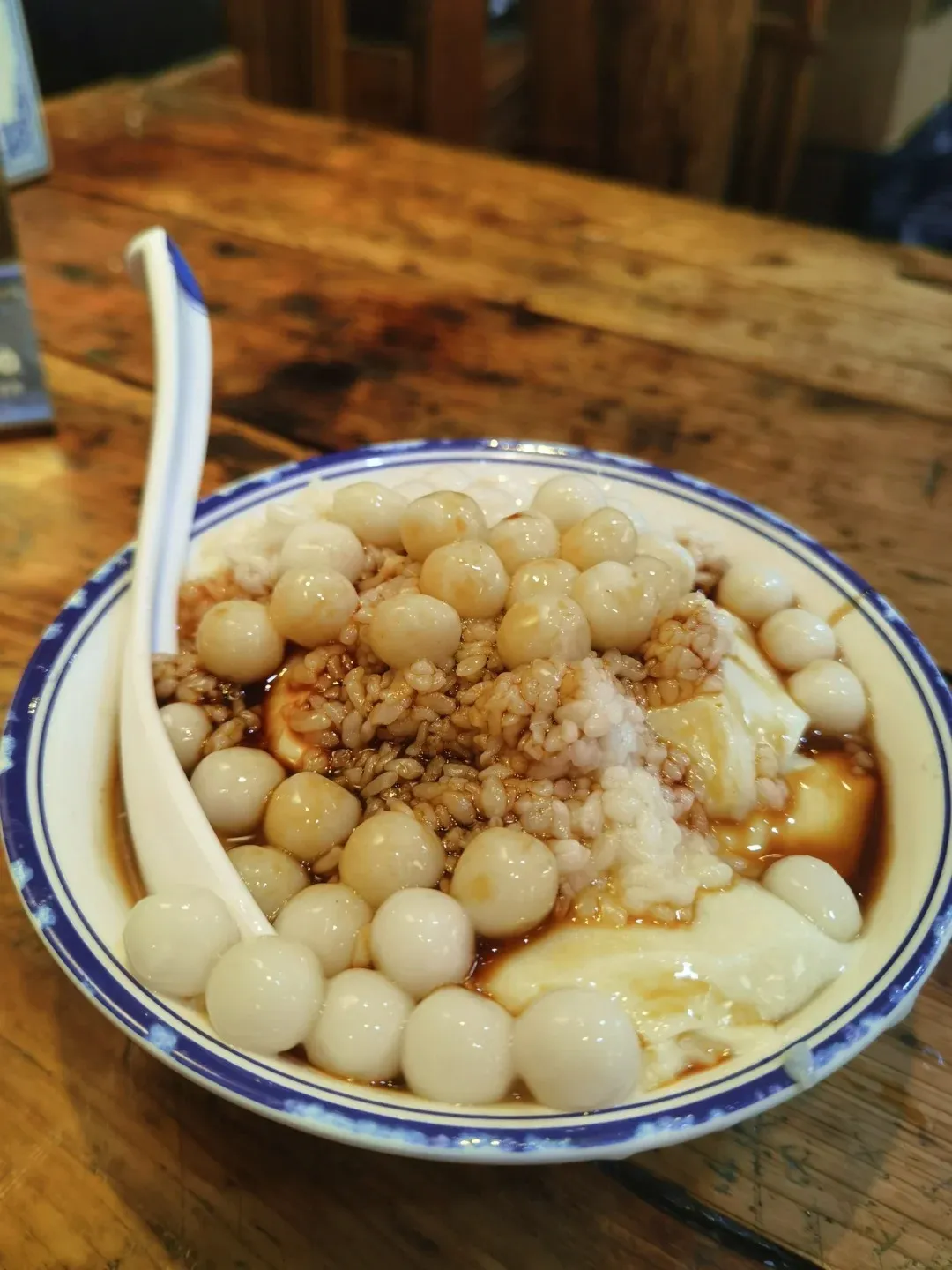
While Chengdu is famous for its teas, don’t miss out on local delights like this Bingzui Douhua. This delightful dessert features silken tofu pudding paired with chewy glutinous rice balls and a sweet, fermented rice syrup.
Mung Bean Soup and Hawthorn Juice
During the oppressive summer months, street vendors roll out massive stainless steel vats of traditional mung bean soup (Lvdou Tang). It is earthy, mildly sweet, and deeply cooling.
Alternatively, look for dark red hawthorn juice (Suanmeitang). Its sharp, tart flavor cuts right through the heavy, oily residue of a rich Sichuan meal, making it a staple at every local barbecue joint.
The Modern Pour: Chengdu’s Craft Beer and Specialty Coffee
Chengdu is famous across China for its laid-back, leisurely lifestyle. Today, that slow-paced culture has evolved beyond ancient teahouses into a thriving, highly competitive modern beverage scene.
Craft Beer in Tongzilin
For hop enthusiasts, the Tongzilin neighborhood is ground zero. Venues like Honey & Malt offer a rotating selection of domestic and imported craft beers. You’ll find everything from hazy IPAs to sour ales brewed with local Sichuan fruits.
The vibe here is incredibly welcoming. You can pull up to the bar, check the high-tech LCD menus, and easily strike up a conversation with local brewers and expats alike.
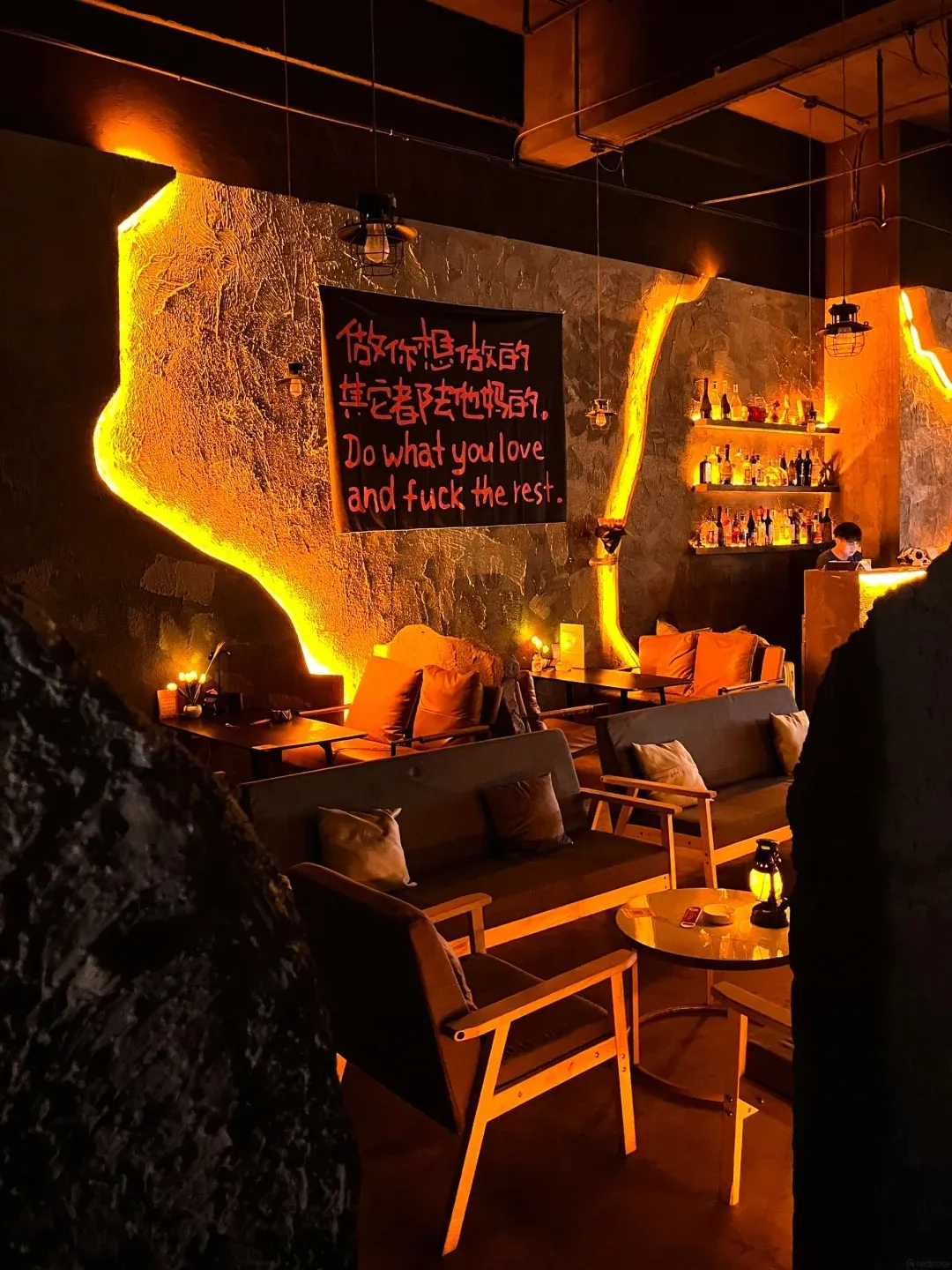
While this Chengdu bar might not be serving traditional tea, its unique ambiance and bold motto, ‘Do what you love and fuck the rest,’ embody the spirit of exploring beyond the ordinary, much like our guide to lesser-known Chengdu beverages.
Specialty Coffee Near Daci Temple
Right next to the thousand-year-old Daci Temple, the Taikoo Li shopping district houses futuristic, cyberpunk-style cafes. However, true coffee aficionados should seek out independent roasters.
Shops like Origins Coffee Company meticulously source international beans and grind them to order. It’s the perfect place to escape the crowds, enjoy the air conditioning, and sip a pour-over.
Logistics: How to Pay, Navigate, and Connect
Traveling in Chengdu in 2026 requires digital preparation. Physical currency is rarely accepted by street vendors, and you will need your smartphone for everything from ordering a drink to calling a taxi.
Digital Payments and Apps
Before you board your flight, download Alipay or WeChat and bind your international Visa or Mastercard. You will use these apps to scan QR codes on restaurant tables to view menus and pay your bill.
For navigating the city, use the DiDi app (available in English within Alipay) to hail rides. For public transit, you can purchase a rechargeable Tianfu Tong card for ¥25, which works seamlessly on all city buses and the metro.
Staying Connected
Because Western apps like Google Maps and WhatsApp are blocked in China, you need a way to bypass the Great Firewall. Relying on hotel Wi-Fi is a rookie mistake that will leave you stranded in the city.
I highly recommend downloading a reliable travel eSIM before you arrive.
💡 Editor’s Pick: We recommend Nomad eSIM for China because it reliably bypasses the Great Firewall with stable speeds.
Is It Worth It? Skipping the Tourist Traps
Insider Tip: Many tourists flock to Kuanzhai Alley for their afternoon beverages. While the architecture is beautiful, the drinks here are heavily marked up, and the crowds are suffocating.
Instead, take the metro to Lijiatuo station and walk across the bridge to the Sha River teahouses. Here, you’ll find a completely untamed, authentic local scene.
In the evening, the tea is often swapped for cheap, fiery Baijiu (Chinese liquor). You’ll hear the deafening clatter of mahjong tiles and experience the raw, unfiltered community spirit of the older Chengdu generation.